Despite the overall decline, Q4 2024 showed promising signs, with investment rebounding to $25.9 billion.
“It's been a rough year for nearly everyone in the ecosystem,” said Karim Haji, Global Head of Financial Services at KPMG International.
Global
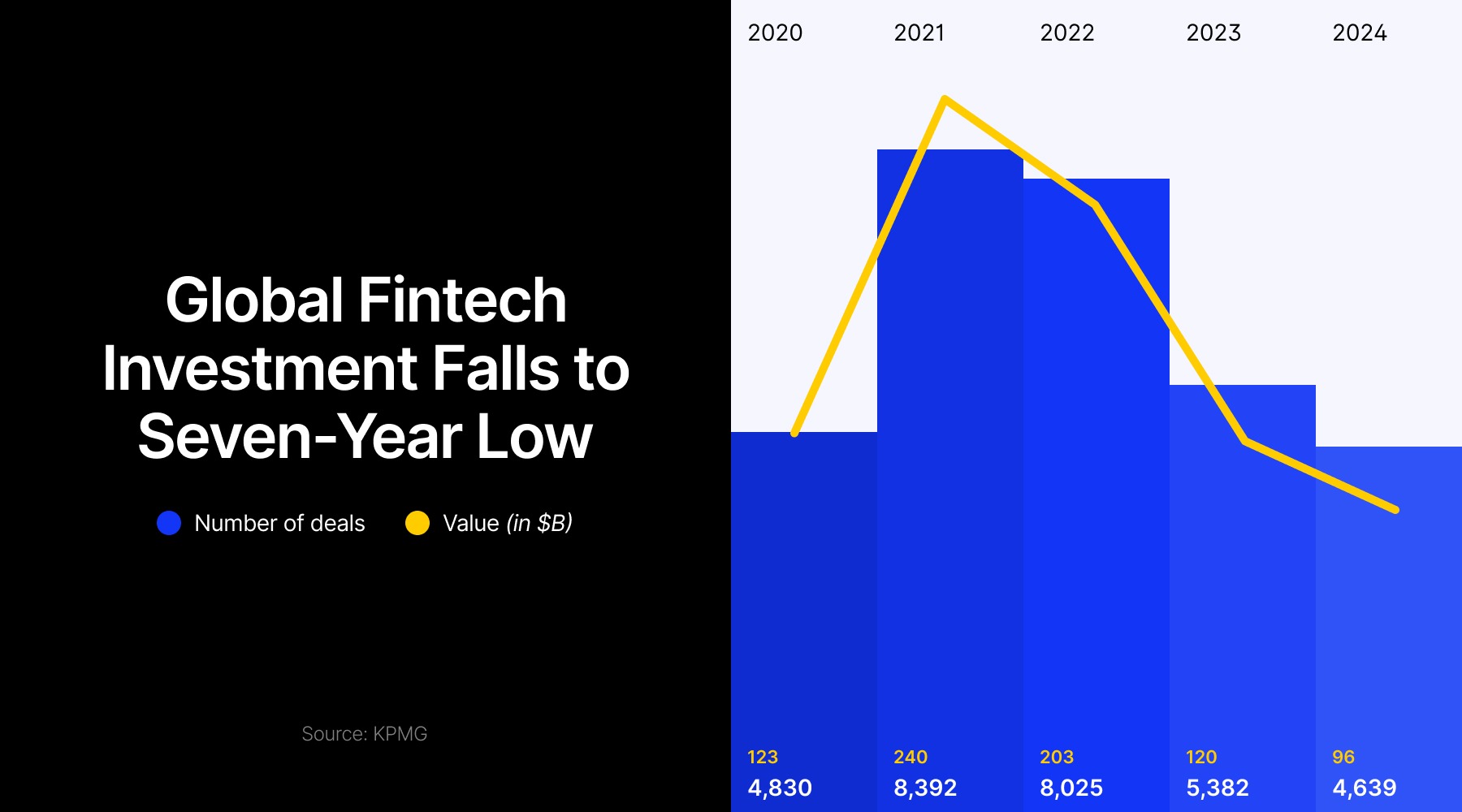
fintech investment plummeted to $95.6 billion across 4,639 deals in 2024,
marking its lowest level since 2017, as investors grappled with persistent
macroeconomic challenges and geopolitical tensions, according to KPMG's latest
Pulse of Fintech report.
Global Fintech Investment
Hits Seven-Year Low as Market Uncertainty Prevails
The
investment landscape showed a clear downward trajectory throughout the year,
with total funding declining from $51.7 billion in the first half to $43.9
billion in the second half. However, a notable uptick in the final quarter,
where investment rose to $25.9 billion from $18 billion in Q3, suggests early
signs of market stabilization.
Karim Haji, the Global Head of Financial Services at KPMG
“It's
been a rough year for nearly everyone in the ecosystem,” said Karim Haji,
Global Head of Financial Services at KPMG International. “With only a
handful of exceptions, no one wanted to pull the trigger on the largest deals—which have long been a mainstay in fintech investment.”
The results
confirm
an earlier 2023 KPMG report, which indicated that investments had dropped
to $113.7 billion, already considered the worst figure since 2017. However,
2024 has unfortunately managed to surpass that record.
Regional Dynamics and
Sector Performance
The
Americas continued to dominate the global fintech landscape, capturing $63.8
billion across 2,267 deals, with the United States accounting for $50.7 billion
of that total. The EMEA region secured $20.3 billion across 1,465 deals, while
APAC recorded $11.4 billion across 896 transactions.
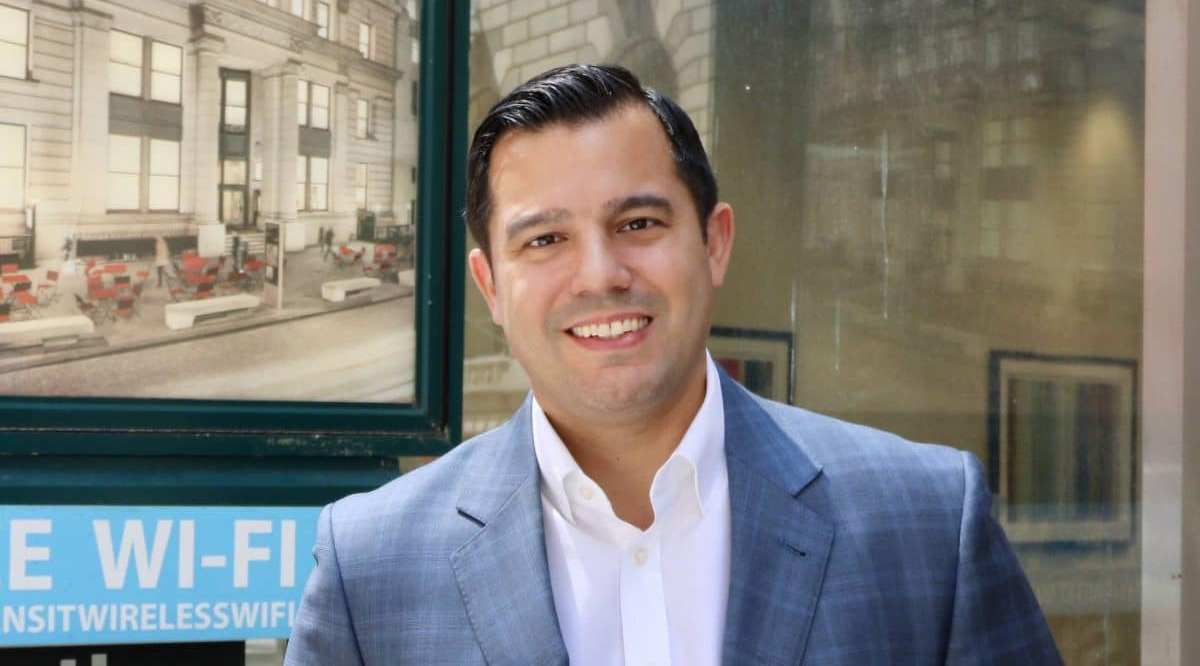
In Europe,
the UK continues to dominate. As
Roberto Napolitano, Chief Marketing Officer at Innovate Finance, stated,
“The UK received more fintech funding than all of Europe combined.”
He shared his insights on the future of the fintech industry during FMLS:24 in
a conversation with Finance Magnates' Jonathan Fine.
“The UK is
still leading in terms of capital investment in fintech after the US,”
Napolitano added. “Although it's still very positive now, looking into 2025,
maybe this picture will change slightly. But we don't know yet.”
This is
also confirmed by data
from a Dealroom and HSBC report published nearly a year ago, which showed
that fintech was the most funded sector in the UK. Notably, Monzo secured £340
million, while Flagstone raised £108 million.
The KPMG report
shows that the payments sector emerged as the most resilient segment,
attracting $31 billion in investment, followed by digital assets and currencies
at $9.1 billion and regtech at $7.4 billion. This distribution reflects ongoing
investor confidence in established payment technologies while showing increased
interest in emerging sectors.
Emerging Trends and Future
Outlook
Looking
ahead to 2025, several key trends are shaping the fintech investment landscape:
Artificial Intelligence Integration: The sector is witnessing growing
interest in AI-enabled solutions, particularly in regtech and cybersecurity
applications.
Digital Assets Evolution: Market infrastructure, digital
tokenization, and stablecoins are positioned for potential investment growth.
Payment Innovation: The payments sector is expected to maintain
its leadership position, driven by B2B solutions and cross-border payment
technologies.
Anton Ruddenklau, Lead of Global Innovation and Fintech at KPMG International
“If
what we've seen in the broader investment space is any indication, AI could be
a sleeping giant for fintech investment,” noted Anton Ruddenklau, Lead of
Global Innovation and Fintech at KPMG International. “However, right now,
it's still very early days.”
“There’s definitely a
lot of interest in AI, generative AI, agentic AI and automation, but there’s a
lot of caution too. Over the next year, AI-focused regtechs will likely see the
most traction among investors as financial services companies look for better
ways to respond to the increasingly complex regulatory environment,” he
added.
Market Recovery Signals
Despite the
overall decline, several positive indicators suggest a potential recovery in
2025. The increase in Q4 investment activity, combined with declining interest
rates in various jurisdictions and the resolution of key political
uncertainties, points to improving market conditions.
M&A
activity showed particular resilience in the final quarter, with deal values
nearly doubling from $7.4 billion to $14.2 billion quarter-over-quarter.
Venture capital investment also demonstrated strength, rising from $9.7 billion
to $11.2 billion in the same period.
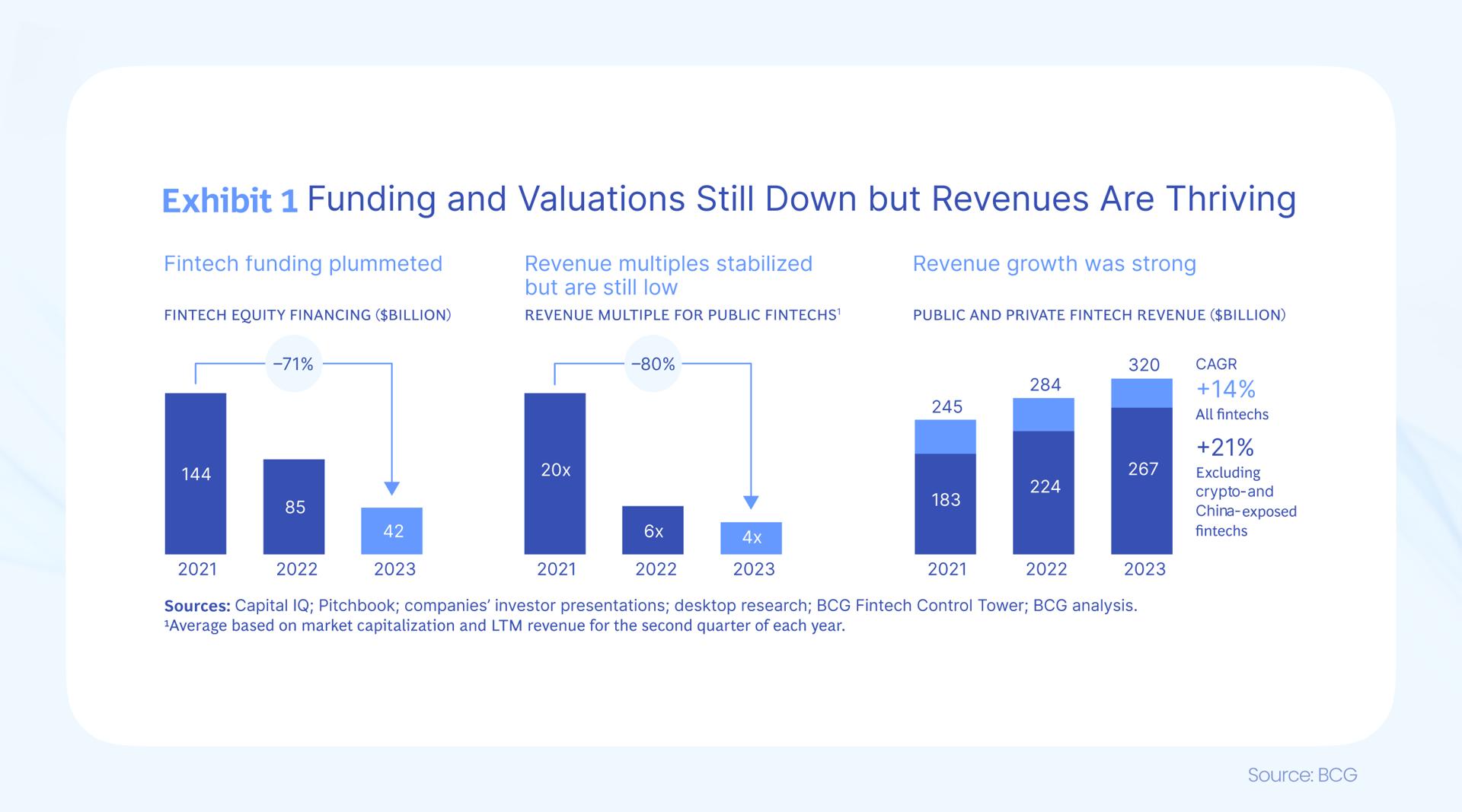
Moreover, a separate BCG
report revealed that despite a 70% financing shortfall, fintech companies managed
to increase their income by 14% between 2021 and 2023. If cryptocurrency
projects were excluded from the equation, the compound annual growth rate
(CAGR) would be 21%.
As the
market enters 2025, investors appear cautiously optimistic, with many watching
for signals from the new U.S. administration and monitoring the impact of
interest rate decisions on investment activity. The evolution of AI
applications in financial services and the continued development of digital
asset infrastructure are expected to be key drivers of growth in the coming
year.
Global
fintech investment plummeted to $95.6 billion across 4,639 deals in 2024,
marking its lowest level since 2017, as investors grappled with persistent
macroeconomic challenges and geopolitical tensions, according to KPMG's latest
Pulse of Fintech report.
Global Fintech Investment
Hits Seven-Year Low as Market Uncertainty Prevails
The
investment landscape showed a clear downward trajectory throughout the year,
with total funding declining from $51.7 billion in the first half to $43.9
billion in the second half. However, a notable uptick in the final quarter,
where investment rose to $25.9 billion from $18 billion in Q3, suggests early
signs of market stabilization.
Karim Haji, the Global Head of Financial Services at KPMG
“It's
been a rough year for nearly everyone in the ecosystem,” said Karim Haji,
Global Head of Financial Services at KPMG International. “With only a
handful of exceptions, no one wanted to pull the trigger on the largest deals—which have long been a mainstay in fintech investment.”
The results
confirm
an earlier 2023 KPMG report, which indicated that investments had dropped
to $113.7 billion, already considered the worst figure since 2017. However,
2024 has unfortunately managed to surpass that record.
Regional Dynamics and
Sector Performance
The
Americas continued to dominate the global fintech landscape, capturing $63.8
billion across 2,267 deals, with the United States accounting for $50.7 billion
of that total. The EMEA region secured $20.3 billion across 1,465 deals, while
APAC recorded $11.4 billion across 896 transactions.
In Europe,
the UK continues to dominate. As
Roberto Napolitano, Chief Marketing Officer at Innovate Finance, stated,
“The UK received more fintech funding than all of Europe combined.”
He shared his insights on the future of the fintech industry during FMLS:24 in
a conversation with Finance Magnates' Jonathan Fine.
“The UK is
still leading in terms of capital investment in fintech after the US,”
Napolitano added. “Although it's still very positive now, looking into 2025,
maybe this picture will change slightly. But we don't know yet.”
This is
also confirmed by data
from a Dealroom and HSBC report published nearly a year ago, which showed
that fintech was the most funded sector in the UK. Notably, Monzo secured £340
million, while Flagstone raised £108 million.
The KPMG report
shows that the payments sector emerged as the most resilient segment,
attracting $31 billion in investment, followed by digital assets and currencies
at $9.1 billion and regtech at $7.4 billion. This distribution reflects ongoing
investor confidence in established payment technologies while showing increased
interest in emerging sectors.
Emerging Trends and Future
Outlook
Looking
ahead to 2025, several key trends are shaping the fintech investment landscape:
Artificial Intelligence Integration: The sector is witnessing growing
interest in AI-enabled solutions, particularly in regtech and cybersecurity
applications.
Digital Assets Evolution: Market infrastructure, digital
tokenization, and stablecoins are positioned for potential investment growth.
Payment Innovation: The payments sector is expected to maintain
its leadership position, driven by B2B solutions and cross-border payment
technologies.
Anton Ruddenklau, Lead of Global Innovation and Fintech at KPMG International
“If
what we've seen in the broader investment space is any indication, AI could be
a sleeping giant for fintech investment,” noted Anton Ruddenklau, Lead of
Global Innovation and Fintech at KPMG International. “However, right now,
it's still very early days.”
“There’s definitely a
lot of interest in AI, generative AI, agentic AI and automation, but there’s a
lot of caution too. Over the next year, AI-focused regtechs will likely see the
most traction among investors as financial services companies look for better
ways to respond to the increasingly complex regulatory environment,” he
added.
Market Recovery Signals
Despite the
overall decline, several positive indicators suggest a potential recovery in
2025. The increase in Q4 investment activity, combined with declining interest
rates in various jurisdictions and the resolution of key political
uncertainties, points to improving market conditions.
M&A
activity showed particular resilience in the final quarter, with deal values
nearly doubling from $7.4 billion to $14.2 billion quarter-over-quarter.
Venture capital investment also demonstrated strength, rising from $9.7 billion
to $11.2 billion in the same period.
Moreover, a separate BCG
report revealed that despite a 70% financing shortfall, fintech companies managed
to increase their income by 14% between 2021 and 2023. If cryptocurrency
projects were excluded from the equation, the compound annual growth rate
(CAGR) would be 21%.
As the
market enters 2025, investors appear cautiously optimistic, with many watching
for signals from the new U.S. administration and monitoring the impact of
interest rate decisions on investment activity. The evolution of AI
applications in financial services and the continued development of digital
asset infrastructure are expected to be key drivers of growth in the coming
year.
Damian Chmiel is a Senior Analyst & Editor at Finance Magnates with more than 15 years of experience in the CFD and online trading industry. Active as both a trader and journalist since 2010, he focuses on broker coverage, fintech innovation, and regulatory developments across Europe, the Middle East, and Asia.
His work includes interviews with C-level leaders at major brokerages and fintech platforms, as well as co-authoring Finance Magnates’ quarterly industry benchmarking reports. Damian’s reporting is data-driven, market-aware, and grounded in direct industry engagement. His analysis and commentary have also been cited by external media outlets, including Investing.com, Binance, The Asset, Stockhead, and Dispatch.
Education:
MA in Finance and Accounting, Cracow University of Economics
In this video, we review @HolaPrimeMarketsOfficial, a multi-asset forex and CFDs broker offering different account types, trading platforms, and flexible trading conditions.
We cover the broker’s overall offering, including account options, trading environment, platforms like MT4 and MT5, and additional services such as managed accounts and fast withdrawals.
Watch the full video to see if Hola Prime Markets fits your trading needs.
📣 Stay up to date with the latest in finance and trading. Follow Finance Magnates for industry news, insights, and global event coverage.
Connect with us:
🔗 LinkedIn: /financemagnates
👍 Facebook: /financemagnates
📸 Instagram: https://www.instagram.com/financemagnates
🐦 X: https://x.com/financemagnates
🎥 TikTok: https://www.tiktok.com/tag/financemagnates
▶️ YouTube: /@financemagnates_official
#HolaPrime #ForexBroker #CFDTrading #FinanceMagnates #Trading #Forex #BrokerReview
In this video, we review @HolaPrimeMarketsOfficial, a multi-asset forex and CFDs broker offering different account types, trading platforms, and flexible trading conditions.
We cover the broker’s overall offering, including account options, trading environment, platforms like MT4 and MT5, and additional services such as managed accounts and fast withdrawals.
Watch the full video to see if Hola Prime Markets fits your trading needs.
📣 Stay up to date with the latest in finance and trading. Follow Finance Magnates for industry news, insights, and global event coverage.
Connect with us:
🔗 LinkedIn: /financemagnates
👍 Facebook: /financemagnates
📸 Instagram: https://www.instagram.com/financemagnates
🐦 X: https://x.com/financemagnates
🎥 TikTok: https://www.tiktok.com/tag/financemagnates
▶️ YouTube: /@financemagnates_official
#HolaPrime #ForexBroker #CFDTrading #FinanceMagnates #Trading #Forex #BrokerReview
Hola Prime Review: What You Need to Know | Full Breakdown by Finance Magnates
Hola Prime Review: What You Need to Know | Full Breakdown by Finance Magnates
In this video, we review @HolaPrime_Global, a proprietary trading firm offering evaluation programs and performance-based payouts in simulated market environments.
We cover how the challenge model works, including account types, profit splits (up to 95%), trading rules, and what it takes to reach a funded account. You’ll also learn about available platforms like MT4, MT5, cTrader, and more, along with insights into payouts, support, and trading conditions.
Watch the full video to see if Hola Prime fits your trading style.
📣 Stay up to date with the latest in finance and trading. Follow Finance Magnates for industry news, insights, and global event coverage.
Connect with us:
🔗 LinkedIn: /financemagnates
👍 Facebook: /financemagnates
📸 Instagram: https://www.instagram.com/financemagnates
🐦 X: https://x.com/financemagnates
🎥 TikTok: https://www.tiktok.com/tag/financemagnates
▶️ YouTube: /@financemagnates_official
#HolaPrime #PropFirm #Trading #FinanceMagnates #Forex #FuturesTrading #TradingReview #PropFirmReview
In this video, we review @HolaPrime_Global, a proprietary trading firm offering evaluation programs and performance-based payouts in simulated market environments.
We cover how the challenge model works, including account types, profit splits (up to 95%), trading rules, and what it takes to reach a funded account. You’ll also learn about available platforms like MT4, MT5, cTrader, and more, along with insights into payouts, support, and trading conditions.
Watch the full video to see if Hola Prime fits your trading style.
📣 Stay up to date with the latest in finance and trading. Follow Finance Magnates for industry news, insights, and global event coverage.
Connect with us:
🔗 LinkedIn: /financemagnates
👍 Facebook: /financemagnates
📸 Instagram: https://www.instagram.com/financemagnates
🐦 X: https://x.com/financemagnates
🎥 TikTok: https://www.tiktok.com/tag/financemagnates
▶️ YouTube: /@financemagnates_official
#HolaPrime #PropFirm #Trading #FinanceMagnates #Forex #FuturesTrading #TradingReview #PropFirmReview
Axi Winner Spotlight 🏆 | Global Most Innovative Broker 2025 #Innovation #Trading #Fintech #Broker
Axi Winner Spotlight 🏆 | Global Most Innovative Broker 2025 #Innovation #Trading #Fintech #Broker
Axi takes the spotlight at the Finance Magnates Awards, winning Global Most Innovative Broker 2025.
Olivia Xenofontos and Ivanna Openko share how the team will feel: proud, motivated, and ready to keep delivering.
They also describe the night as well-organized, focused, and enjoyable for all.
👉 Be part of FM Awards 2026.
Axi takes the spotlight at the Finance Magnates Awards, winning Global Most Innovative Broker 2025.
Olivia Xenofontos and Ivanna Openko share how the team will feel: proud, motivated, and ready to keep delivering.
They also describe the night as well-organized, focused, and enjoyable for all.
👉 Be part of FM Awards 2026.
Recognition that matters.
Built on transparency.
Driven by the industry.
The Finance Magnates Awards 2026.
Nominations are now open.
🔗 https://awards.financemagnates.com/?utm_source=SM&utm_medium=social&utm_campaign=recognition-matters
Recognition that matters.
Built on transparency.
Driven by the industry.
The Finance Magnates Awards 2026.
Nominations are now open.
🔗 https://awards.financemagnates.com/?utm_source=SM&utm_medium=social&utm_campaign=recognition-matters
Tickmill Winner Spotlight | Broker of the Year 2025 (LATAM) 🏆 | Finance Magnates Awards #Trading
Tickmill Winner Spotlight | Broker of the Year 2025 (LATAM) 🏆 | Finance Magnates Awards #Trading
What helped Tickmill stand out this year?
In this Winner Spotlight, Johnny Khalil, Executive Director at Tickmill Europe, shares how listening closely to clients and delivering strong trading conditions made the difference.
A big thank you to the community whose support continues to drive progress every day.
👉 Think your brand has what it takes? Nominate for the 2026 Finance Magnates Awards: https://awards.financemagnates.com/#nominate
What helped Tickmill stand out this year?
In this Winner Spotlight, Johnny Khalil, Executive Director at Tickmill Europe, shares how listening closely to clients and delivering strong trading conditions made the difference.
A big thank you to the community whose support continues to drive progress every day.
👉 Think your brand has what it takes? Nominate for the 2026 Finance Magnates Awards: https://awards.financemagnates.com/#nominate