Financial and Business News

eToro Enables Crypto Trading in New York, Extending Reach to 48 States

Wednesday, 01/04/2026 | 18:57 GMT by Jared Kirui
  • The fintech giant has obtained both the New York State BitLicense and Money Transmitter License
  • Recently, eToro said it is “in a strong position to double down on crypto,” backed by a new non-custodial wallet with prediction markets.
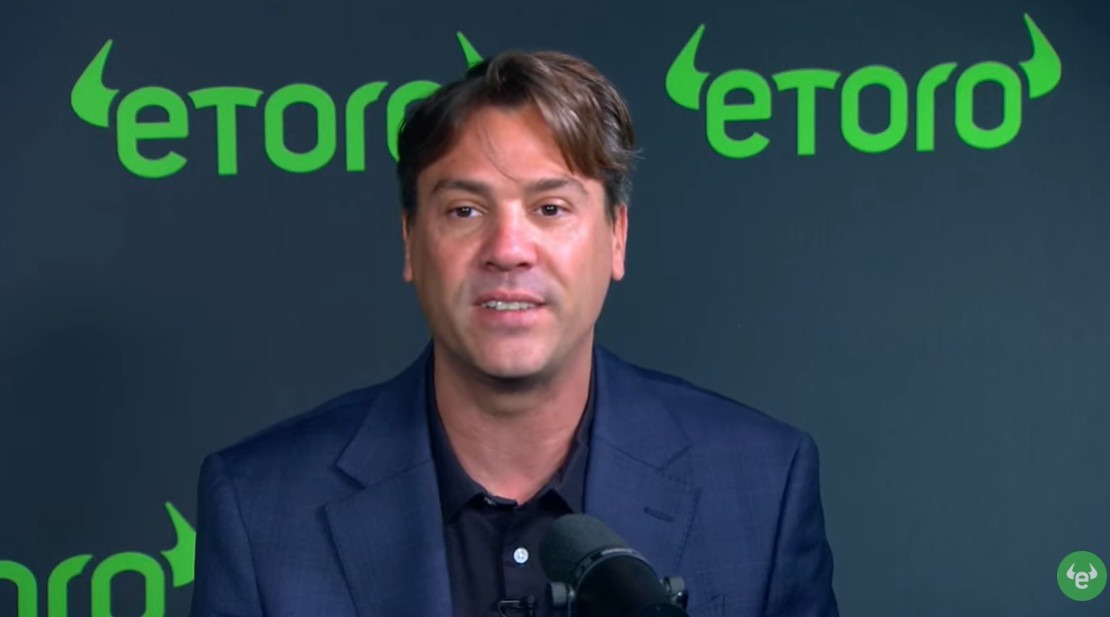
eToro CEO Yoni Assia during Q3 earnings call, Source: YouTube
eToro CEO Yoni Assia speaking during the Q3 earnings call (Source: YouTube)

eToro has opened crypto trading to residents of New York, allowing users to buy and sell digital assets alongside stocks, ETFs, and options on its platform. The move expands the company’s crypto services to 48 U.S. states and follows approval from New York financial regulators.

Singapore Summit: Meet the largest APAC brokers you know (and those you still don't!).

Regulatory Milestone Achieved

The company secured both the New York State BitLicense and Money Transmitter License after years of engagement with state authorities. These are among the most stringent licenses in the country and permit eToro to operate fully within the state’s complex regulatory framework.

eToro’s New York launch lands just weeks after CEO Yoni Assia told Finance Magnates the broker is “in a very good position right now to double down on crypto,” anchored by a new non‑custodial crypto wallet that houses prediction markets and sits deliberately outside clients’ core portfolios.

Read more: eToro Trading Surges 81% as Investors Pivot from Crypto to Traditional Markets

“New York is the epicenter of financial markets and a hub of innovation,” said Andrew McCormick, Head of eToro U.S. “Completing our U.S. footprint here reflects our commitment to broadening responsible access to the next generation of financial markets.”

Expanding Access to Digital Assets

With the latest approval, eToro can now offer crypto trading to more than nine million New Yorkers. The platform provides a single interface for multiple asset classes, supported by educational tools and a social investing community.

According to eToro’s internal survey, 36% of U.S. retail investors already hold crypto, and another 17% plan to increase their exposure, underscoring rising participation in digital markets.

February data show eToro’s clients accelerating back into capital markets, with trading activity up 81% year-over-year even as crypto volumes cooled, pointing to a clear rotation in where investors are putting money to work.

Against that backdrop, the Nasdaq-listed platform ended the month with $17.6 billion in assets under administration and 3.9 million funded accounts, up 13% and 10% respectively from a year earlier, signaling that user growth and overall balances are still trending higher despite a softer crypto segment.

At the same time, eToro is trying to deepen its appeal to long‑term investors in Europe, where it has just added 250 UCITS ETFs to its line-up. The new listings tap into booming demand for UCITS‑structured funds, which attracted a record €330.6 billion of inflows in 2025 and now sit on €2.57 trillion in assets, and give eToro’s European clients more options to build diversified, regulated portfolios on the platform.


eToro has opened crypto trading to residents of New York, allowing users to buy and sell digital assets alongside stocks, ETFs, and options on its platform. The move expands the company’s crypto services to 48 U.S. states and follows approval from New York financial regulators.

Singapore Summit: Meet the largest APAC brokers you know (and those you still don't!).

Regulatory Milestone Achieved

The company secured both the New York State BitLicense and Money Transmitter License after years of engagement with state authorities. These are among the most stringent licenses in the country and permit eToro to operate fully within the state’s complex regulatory framework.

eToro’s New York launch lands just weeks after CEO Yoni Assia told Finance Magnates the broker is “in a very good position right now to double down on crypto,” anchored by a new non‑custodial crypto wallet that houses prediction markets and sits deliberately outside clients’ core portfolios.

Read more: eToro Trading Surges 81% as Investors Pivot from Crypto to Traditional Markets

“New York is the epicenter of financial markets and a hub of innovation,” said Andrew McCormick, Head of eToro U.S. “Completing our U.S. footprint here reflects our commitment to broadening responsible access to the next generation of financial markets.”

Expanding Access to Digital Assets

With the latest approval, eToro can now offer crypto trading to more than nine million New Yorkers. The platform provides a single interface for multiple asset classes, supported by educational tools and a social investing community.

According to eToro’s internal survey, 36% of U.S. retail investors already hold crypto, and another 17% plan to increase their exposure, underscoring rising participation in digital markets.

February data show eToro’s clients accelerating back into capital markets, with trading activity up 81% year-over-year even as crypto volumes cooled, pointing to a clear rotation in where investors are putting money to work.

Against that backdrop, the Nasdaq-listed platform ended the month with $17.6 billion in assets under administration and 3.9 million funded accounts, up 13% and 10% respectively from a year earlier, signaling that user growth and overall balances are still trending higher despite a softer crypto segment.

At the same time, eToro is trying to deepen its appeal to long‑term investors in Europe, where it has just added 250 UCITS ETFs to its line-up. The new listings tap into booming demand for UCITS‑structured funds, which attracted a record €330.6 billion of inflows in 2025 and now sit on €2.57 trillion in assets, and give eToro’s European clients more options to build diversified, regulated portfolios on the platform.

About the Author: Jared Kirui
Jared Kirui
  • 2722 Articles
  • 53 Followers
Jared Kirui is an Editor at Finance Magnates with more than five years of experience in financial journalism. He covers online trading, fintech, payments, and crypto industries with a focus on companies, regulation and compliance, executive moves, trading technology, and market analysis. His work has been featured in other media outlets, including Benzinga, ZyCrypto, The Distributed, and The Daily Hodl. Education: Bachelor of Commerce degree (Finance option), University of Nairobi

More from the Author

FinTech