No traditional trader can keep track of everything that is happening to any meaningful degree of understanding.
Bloomberg
By David Murray, Chief Business Development Officer, Corvil.
David Murray, Corvil
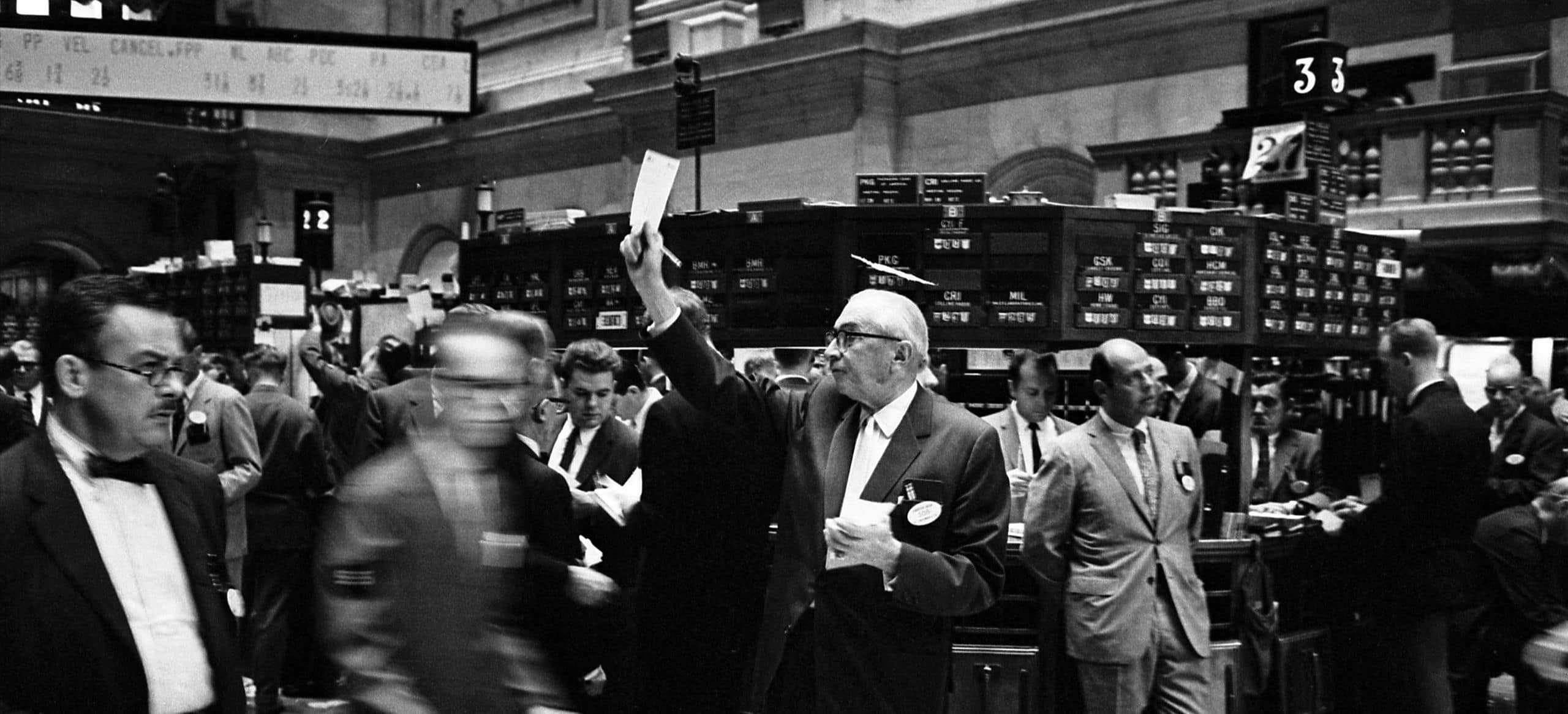
Traditional traders, the famous and infamous Wolves of Wall Street, run the financial markets no more. For some time, it has been the “quants”—the mathematicians, statisticians, or even theoretical physicists or data scientists—that control the market. The quants are the ones that design, deploy, and truly understand the algorithms that now account for more than 70% of equities movement everyday.
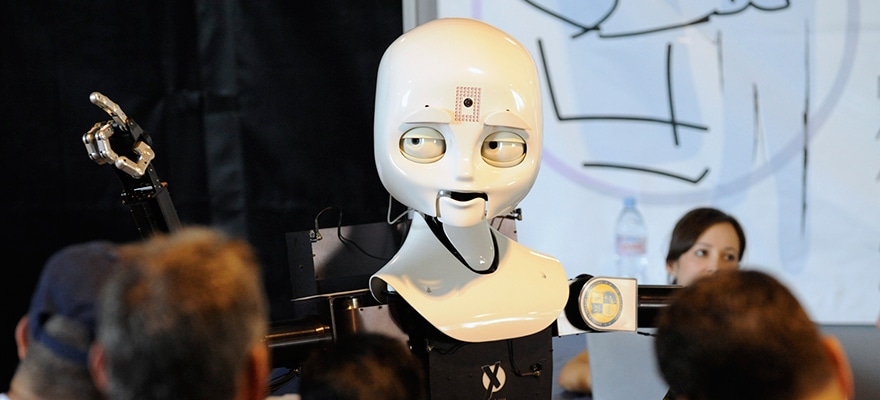
The algorithms decide what to buy and sell as well as where to buy and sell. At their core, algorithms are complicated sets of rules with the ability to quickly ingest huge volumes of data and quickly decide and even execute the optimal course of action. These complex rule sets are made into software programs that speed through all this in fractions of a second — far beyond the limits of human performance.
Once an algorithm is created, it becomes difficult (but not impossible) for an external actor to change it. Accordingly, like all software programs, algorithms and algorithmic business are vulnerable to attacks. Someone with the right access, whether ill-gotten or not, could theoretically sabotage an algorithm from the inside. However, much more likely and much more probable are the scenarios we’ve already seen in financial markets - inadvertent gaps in coding logic or unanticipated conditions, or even human error, could have global consequences.
Further, even without changing the software itself, someone with an understanding of how a particular algorithm works could manipulate it by introducing certain inputs. The algorithm will act on these inputs as expected, but could end up doing some very dangerous things simply by following its own 'rules'.
It is at this juncture that the advantages of the machines become the dangers. Such is the reach of machines and markets today and the reason why we must understand what is happening even when it is happening a million times faster than humans can operate.
The speed and complexity of this machine-based system have added billions of dollars to the world’s economy while saving millions of labor-hours in efficiency. But they have introduced a blind spot that digital business has still not been able to completely illuminate.
This unintended consequence of those velocities and intricacies have led to the loss of transparency and understanding about what is happening with data flow, customer experience, and the underlying technology interworkings. Needless to say, it is very dangerous when companies operate with minimal insight into their digital, automated, or, especially, algorithmic businesses. This is exacerbated when machines can render the business insolvent in a matter of minutes. No traditional trader, and indeed no human being, can keep track of everything that is happening to any meaningful degree of understanding.
Companies have attempted (or been required by regulation) to deploy a 'circuit breaker' or kill switch, an 'overseer' software that has the power to pull the plug when it sees anomalous conditions.
A simple analogy would be a car that shuts completely off if something anomalous occurs: the passenger is protected, but the traffic backup could be substantial, and would seem to be an overreaction if the issue was, say, a malfunctioning radio. And if someone found a way to affect even the air conditioners for some model of car, they could turn the I-95 into a parking lot.
For example, if some hacktivist organization wished to target today’s financial markets, it would not be out of the question for them to either masquerade as a legitimate trading organization to flood the market (through multiple venues) with bogus orders. This would likely trigger multiple circuit breakers and cause the markets to shut down for some period.
As all participants' algorithms are triggered to sell or buy at specific thresholds, they just need to trip that trigger to begin a chain reaction, leading to an avalanche before anyone has a chance to react. Even though the circuit breaker overseers may have stopped the patient zero, the damage done by the large-scale disruption to markets would still be quite grave.
The only way to govern the proper function of algorithms is by watching over the machines, what they are actually saying to each other and their subsequent responses. Then, we must evaluate whether the types and nature of communications, as well as their content, are appropriate and expected. And we need to do this in real-time. A tall order, but this it is the critical task for the finance industry, and very soon, for every industry.
Why should we be so worried about the algorithmic wolves and getting this right in finance? In the evolution of electronic to digital to algorithmic business, we are now in an age where most of our interactions, even far outside of finance, are influenced by algorithms. The advertisements and offers we see, the behavior of our mobile phones, pricing of products and services we browse and buy, and much more consequential matters such as the decisions of self-driving cars, recommended treatment and triage paths in hospitals, and the news and stories we are served.
In the very near future, our ability to accurately surveil algorithmic business, and to respond quickly (or even be proactive) will be paramount in ensuring that business - and the world - keeps on running.
By David Murray, Chief Business Development Officer, Corvil.
David Murray, Corvil
Traditional traders, the famous and infamous Wolves of Wall Street, run the financial markets no more. For some time, it has been the “quants”—the mathematicians, statisticians, or even theoretical physicists or data scientists—that control the market. The quants are the ones that design, deploy, and truly understand the algorithms that now account for more than 70% of equities movement everyday.
The algorithms decide what to buy and sell as well as where to buy and sell. At their core, algorithms are complicated sets of rules with the ability to quickly ingest huge volumes of data and quickly decide and even execute the optimal course of action. These complex rule sets are made into software programs that speed through all this in fractions of a second — far beyond the limits of human performance.
Once an algorithm is created, it becomes difficult (but not impossible) for an external actor to change it. Accordingly, like all software programs, algorithms and algorithmic business are vulnerable to attacks. Someone with the right access, whether ill-gotten or not, could theoretically sabotage an algorithm from the inside. However, much more likely and much more probable are the scenarios we’ve already seen in financial markets - inadvertent gaps in coding logic or unanticipated conditions, or even human error, could have global consequences.
Further, even without changing the software itself, someone with an understanding of how a particular algorithm works could manipulate it by introducing certain inputs. The algorithm will act on these inputs as expected, but could end up doing some very dangerous things simply by following its own 'rules'.
It is at this juncture that the advantages of the machines become the dangers. Such is the reach of machines and markets today and the reason why we must understand what is happening even when it is happening a million times faster than humans can operate.
The speed and complexity of this machine-based system have added billions of dollars to the world’s economy while saving millions of labor-hours in efficiency. But they have introduced a blind spot that digital business has still not been able to completely illuminate.
This unintended consequence of those velocities and intricacies have led to the loss of transparency and understanding about what is happening with data flow, customer experience, and the underlying technology interworkings. Needless to say, it is very dangerous when companies operate with minimal insight into their digital, automated, or, especially, algorithmic businesses. This is exacerbated when machines can render the business insolvent in a matter of minutes. No traditional trader, and indeed no human being, can keep track of everything that is happening to any meaningful degree of understanding.
Companies have attempted (or been required by regulation) to deploy a 'circuit breaker' or kill switch, an 'overseer' software that has the power to pull the plug when it sees anomalous conditions.
A simple analogy would be a car that shuts completely off if something anomalous occurs: the passenger is protected, but the traffic backup could be substantial, and would seem to be an overreaction if the issue was, say, a malfunctioning radio. And if someone found a way to affect even the air conditioners for some model of car, they could turn the I-95 into a parking lot.
For example, if some hacktivist organization wished to target today’s financial markets, it would not be out of the question for them to either masquerade as a legitimate trading organization to flood the market (through multiple venues) with bogus orders. This would likely trigger multiple circuit breakers and cause the markets to shut down for some period.
As all participants' algorithms are triggered to sell or buy at specific thresholds, they just need to trip that trigger to begin a chain reaction, leading to an avalanche before anyone has a chance to react. Even though the circuit breaker overseers may have stopped the patient zero, the damage done by the large-scale disruption to markets would still be quite grave.
The only way to govern the proper function of algorithms is by watching over the machines, what they are actually saying to each other and their subsequent responses. Then, we must evaluate whether the types and nature of communications, as well as their content, are appropriate and expected. And we need to do this in real-time. A tall order, but this it is the critical task for the finance industry, and very soon, for every industry.
Why should we be so worried about the algorithmic wolves and getting this right in finance? In the evolution of electronic to digital to algorithmic business, we are now in an age where most of our interactions, even far outside of finance, are influenced by algorithms. The advertisements and offers we see, the behavior of our mobile phones, pricing of products and services we browse and buy, and much more consequential matters such as the decisions of self-driving cars, recommended treatment and triage paths in hospitals, and the news and stories we are served.
In the very near future, our ability to accurately surveil algorithmic business, and to respond quickly (or even be proactive) will be paramount in ensuring that business - and the world - keeps on running.
Retail Investors Shift to Energy, Rare Earths, and AI Amid Tensions, eToro Finds
Featured Videos
FP Markets Winner Spotlight 🏆 | Global Broker of the Year 2025 #Trading #Broker #Innovation #Shorts
FP Markets Winner Spotlight 🏆 | Global Broker of the Year 2025 #Trading #Broker #Innovation #Shorts
FP Markets Winner Spotlight 🏆 | Global Broker of the Year 2025 #Trading #Broker #Innovation #Shorts
FP Markets Winner Spotlight 🏆 | Global Broker of the Year 2025 #Trading #Broker #Innovation #Shorts
FP Markets takes the spotlight as Global Broker of the Year 2025 at the Finance Magnates Awards.
Martin Stoilov, Head of Client Experience, shares that trust, innovation, and people played a key role in the company’s success, supported by a strong foundation of integrity and client-centricity.
Following this milestone, FP Markets continues to focus on growth, technology investment, and its core values of transparency and excellence.
👉 Be part of FM Awards 2026: https://awards.financemagnates.com/#nominate
FP Markets takes the spotlight as Global Broker of the Year 2025 at the Finance Magnates Awards.
Martin Stoilov, Head of Client Experience, shares that trust, innovation, and people played a key role in the company’s success, supported by a strong foundation of integrity and client-centricity.
Following this milestone, FP Markets continues to focus on growth, technology investment, and its core values of transparency and excellence.
👉 Be part of FM Awards 2026: https://awards.financemagnates.com/#nominate
FP Markets takes the spotlight as Global Broker of the Year 2025 at the Finance Magnates Awards.
Martin Stoilov, Head of Client Experience, shares that trust, innovation, and people played a key role in the company’s success, supported by a strong foundation of integrity and client-centricity.
Following this milestone, FP Markets continues to focus on growth, technology investment, and its core values of transparency and excellence.
👉 Be part of FM Awards 2026: https://awards.financemagnates.com/#nominate
FP Markets takes the spotlight as Global Broker of the Year 2025 at the Finance Magnates Awards.
Martin Stoilov, Head of Client Experience, shares that trust, innovation, and people played a key role in the company’s success, supported by a strong foundation of integrity and client-centricity.
Following this milestone, FP Markets continues to focus on growth, technology investment, and its core values of transparency and excellence.
👉 Be part of FM Awards 2026: https://awards.financemagnates.com/#nominate
In this video, we review @HolaPrimeMarketsOfficial, a multi-asset forex and CFDs broker offering different account types, trading platforms, and flexible trading conditions.
We cover the broker’s overall offering, including account options, trading environment, platforms like MT4 and MT5, and additional services such as managed accounts and fast withdrawals.
Watch the full video to see if Hola Prime Markets fits your trading needs.
📣 Stay up to date with the latest in finance and trading. Follow Finance Magnates for industry news, insights, and global event coverage.
Connect with us:
🔗 LinkedIn: /financemagnates
👍 Facebook: /financemagnates
📸 Instagram: https://www.instagram.com/financemagnates
🐦 X: https://x.com/financemagnates
🎥 TikTok: https://www.tiktok.com/tag/financemagnates
▶️ YouTube: /@financemagnates_official
#HolaPrime #ForexBroker #CFDTrading #FinanceMagnates #Trading #Forex #BrokerReview
In this video, we review @HolaPrimeMarketsOfficial, a multi-asset forex and CFDs broker offering different account types, trading platforms, and flexible trading conditions.
We cover the broker’s overall offering, including account options, trading environment, platforms like MT4 and MT5, and additional services such as managed accounts and fast withdrawals.
Watch the full video to see if Hola Prime Markets fits your trading needs.
📣 Stay up to date with the latest in finance and trading. Follow Finance Magnates for industry news, insights, and global event coverage.
Connect with us:
🔗 LinkedIn: /financemagnates
👍 Facebook: /financemagnates
📸 Instagram: https://www.instagram.com/financemagnates
🐦 X: https://x.com/financemagnates
🎥 TikTok: https://www.tiktok.com/tag/financemagnates
▶️ YouTube: /@financemagnates_official
#HolaPrime #ForexBroker #CFDTrading #FinanceMagnates #Trading #Forex #BrokerReview
In this video, we review @HolaPrimeMarketsOfficial, a multi-asset forex and CFDs broker offering different account types, trading platforms, and flexible trading conditions.
We cover the broker’s overall offering, including account options, trading environment, platforms like MT4 and MT5, and additional services such as managed accounts and fast withdrawals.
Watch the full video to see if Hola Prime Markets fits your trading needs.
📣 Stay up to date with the latest in finance and trading. Follow Finance Magnates for industry news, insights, and global event coverage.
Connect with us:
🔗 LinkedIn: /financemagnates
👍 Facebook: /financemagnates
📸 Instagram: https://www.instagram.com/financemagnates
🐦 X: https://x.com/financemagnates
🎥 TikTok: https://www.tiktok.com/tag/financemagnates
▶️ YouTube: /@financemagnates_official
#HolaPrime #ForexBroker #CFDTrading #FinanceMagnates #Trading #Forex #BrokerReview
In this video, we review @HolaPrimeMarketsOfficial, a multi-asset forex and CFDs broker offering different account types, trading platforms, and flexible trading conditions.
We cover the broker’s overall offering, including account options, trading environment, platforms like MT4 and MT5, and additional services such as managed accounts and fast withdrawals.
Watch the full video to see if Hola Prime Markets fits your trading needs.
📣 Stay up to date with the latest in finance and trading. Follow Finance Magnates for industry news, insights, and global event coverage.
Connect with us:
🔗 LinkedIn: /financemagnates
👍 Facebook: /financemagnates
📸 Instagram: https://www.instagram.com/financemagnates
🐦 X: https://x.com/financemagnates
🎥 TikTok: https://www.tiktok.com/tag/financemagnates
▶️ YouTube: /@financemagnates_official
#HolaPrime #ForexBroker #CFDTrading #FinanceMagnates #Trading #Forex #BrokerReview
In this video, we review @HolaPrimeMarketsOfficial, a multi-asset forex and CFDs broker offering different account types, trading platforms, and flexible trading conditions.
We cover the broker’s overall offering, including account options, trading environment, platforms like MT4 and MT5, and additional services such as managed accounts and fast withdrawals.
Watch the full video to see if Hola Prime Markets fits your trading needs.
📣 Stay up to date with the latest in finance and trading. Follow Finance Magnates for industry news, insights, and global event coverage.
Connect with us:
🔗 LinkedIn: /financemagnates
👍 Facebook: /financemagnates
📸 Instagram: https://www.instagram.com/financemagnates
🐦 X: https://x.com/financemagnates
🎥 TikTok: https://www.tiktok.com/tag/financemagnates
▶️ YouTube: /@financemagnates_official
#HolaPrime #ForexBroker #CFDTrading #FinanceMagnates #Trading #Forex #BrokerReview
In this video, we review @HolaPrimeMarketsOfficial, a multi-asset forex and CFDs broker offering different account types, trading platforms, and flexible trading conditions.
We cover the broker’s overall offering, including account options, trading environment, platforms like MT4 and MT5, and additional services such as managed accounts and fast withdrawals.
Watch the full video to see if Hola Prime Markets fits your trading needs.
📣 Stay up to date with the latest in finance and trading. Follow Finance Magnates for industry news, insights, and global event coverage.
Connect with us:
🔗 LinkedIn: /financemagnates
👍 Facebook: /financemagnates
📸 Instagram: https://www.instagram.com/financemagnates
🐦 X: https://x.com/financemagnates
🎥 TikTok: https://www.tiktok.com/tag/financemagnates
▶️ YouTube: /@financemagnates_official
#HolaPrime #ForexBroker #CFDTrading #FinanceMagnates #Trading #Forex #BrokerReview
Hola Prime Review: What You Need to Know | Full Breakdown by Finance Magnates
Hola Prime Review: What You Need to Know | Full Breakdown by Finance Magnates
Hola Prime Review: What You Need to Know | Full Breakdown by Finance Magnates
Hola Prime Review: What You Need to Know | Full Breakdown by Finance Magnates
Hola Prime Review: What You Need to Know | Full Breakdown by Finance Magnates
Hola Prime Review: What You Need to Know | Full Breakdown by Finance Magnates
In this video, we review @HolaPrime_Global, a proprietary trading firm offering evaluation programs and performance-based payouts in simulated market environments.
We cover how the challenge model works, including account types, profit splits (up to 95%), trading rules, and what it takes to reach a funded account. You’ll also learn about available platforms like MT4, MT5, cTrader, and more, along with insights into payouts, support, and trading conditions.
Watch the full video to see if Hola Prime fits your trading style.
📣 Stay up to date with the latest in finance and trading. Follow Finance Magnates for industry news, insights, and global event coverage.
Connect with us:
🔗 LinkedIn: /financemagnates
👍 Facebook: /financemagnates
📸 Instagram: https://www.instagram.com/financemagnates
🐦 X: https://x.com/financemagnates
🎥 TikTok: https://www.tiktok.com/tag/financemagnates
▶️ YouTube: /@financemagnates_official
#HolaPrime #PropFirm #Trading #FinanceMagnates #Forex #FuturesTrading #TradingReview #PropFirmReview
In this video, we review @HolaPrime_Global, a proprietary trading firm offering evaluation programs and performance-based payouts in simulated market environments.
We cover how the challenge model works, including account types, profit splits (up to 95%), trading rules, and what it takes to reach a funded account. You’ll also learn about available platforms like MT4, MT5, cTrader, and more, along with insights into payouts, support, and trading conditions.
Watch the full video to see if Hola Prime fits your trading style.
📣 Stay up to date with the latest in finance and trading. Follow Finance Magnates for industry news, insights, and global event coverage.
Connect with us:
🔗 LinkedIn: /financemagnates
👍 Facebook: /financemagnates
📸 Instagram: https://www.instagram.com/financemagnates
🐦 X: https://x.com/financemagnates
🎥 TikTok: https://www.tiktok.com/tag/financemagnates
▶️ YouTube: /@financemagnates_official
#HolaPrime #PropFirm #Trading #FinanceMagnates #Forex #FuturesTrading #TradingReview #PropFirmReview
In this video, we review @HolaPrime_Global, a proprietary trading firm offering evaluation programs and performance-based payouts in simulated market environments.
We cover how the challenge model works, including account types, profit splits (up to 95%), trading rules, and what it takes to reach a funded account. You’ll also learn about available platforms like MT4, MT5, cTrader, and more, along with insights into payouts, support, and trading conditions.
Watch the full video to see if Hola Prime fits your trading style.
📣 Stay up to date with the latest in finance and trading. Follow Finance Magnates for industry news, insights, and global event coverage.
Connect with us:
🔗 LinkedIn: /financemagnates
👍 Facebook: /financemagnates
📸 Instagram: https://www.instagram.com/financemagnates
🐦 X: https://x.com/financemagnates
🎥 TikTok: https://www.tiktok.com/tag/financemagnates
▶️ YouTube: /@financemagnates_official
#HolaPrime #PropFirm #Trading #FinanceMagnates #Forex #FuturesTrading #TradingReview #PropFirmReview
In this video, we review @HolaPrime_Global, a proprietary trading firm offering evaluation programs and performance-based payouts in simulated market environments.
We cover how the challenge model works, including account types, profit splits (up to 95%), trading rules, and what it takes to reach a funded account. You’ll also learn about available platforms like MT4, MT5, cTrader, and more, along with insights into payouts, support, and trading conditions.
Watch the full video to see if Hola Prime fits your trading style.
📣 Stay up to date with the latest in finance and trading. Follow Finance Magnates for industry news, insights, and global event coverage.
Connect with us:
🔗 LinkedIn: /financemagnates
👍 Facebook: /financemagnates
📸 Instagram: https://www.instagram.com/financemagnates
🐦 X: https://x.com/financemagnates
🎥 TikTok: https://www.tiktok.com/tag/financemagnates
▶️ YouTube: /@financemagnates_official
#HolaPrime #PropFirm #Trading #FinanceMagnates #Forex #FuturesTrading #TradingReview #PropFirmReview
In this video, we review @HolaPrime_Global, a proprietary trading firm offering evaluation programs and performance-based payouts in simulated market environments.
We cover how the challenge model works, including account types, profit splits (up to 95%), trading rules, and what it takes to reach a funded account. You’ll also learn about available platforms like MT4, MT5, cTrader, and more, along with insights into payouts, support, and trading conditions.
Watch the full video to see if Hola Prime fits your trading style.
📣 Stay up to date with the latest in finance and trading. Follow Finance Magnates for industry news, insights, and global event coverage.
Connect with us:
🔗 LinkedIn: /financemagnates
👍 Facebook: /financemagnates
📸 Instagram: https://www.instagram.com/financemagnates
🐦 X: https://x.com/financemagnates
🎥 TikTok: https://www.tiktok.com/tag/financemagnates
▶️ YouTube: /@financemagnates_official
#HolaPrime #PropFirm #Trading #FinanceMagnates #Forex #FuturesTrading #TradingReview #PropFirmReview
In this video, we review @HolaPrime_Global, a proprietary trading firm offering evaluation programs and performance-based payouts in simulated market environments.
We cover how the challenge model works, including account types, profit splits (up to 95%), trading rules, and what it takes to reach a funded account. You’ll also learn about available platforms like MT4, MT5, cTrader, and more, along with insights into payouts, support, and trading conditions.
Watch the full video to see if Hola Prime fits your trading style.
📣 Stay up to date with the latest in finance and trading. Follow Finance Magnates for industry news, insights, and global event coverage.
Connect with us:
🔗 LinkedIn: /financemagnates
👍 Facebook: /financemagnates
📸 Instagram: https://www.instagram.com/financemagnates
🐦 X: https://x.com/financemagnates
🎥 TikTok: https://www.tiktok.com/tag/financemagnates
▶️ YouTube: /@financemagnates_official
#HolaPrime #PropFirm #Trading #FinanceMagnates #Forex #FuturesTrading #TradingReview #PropFirmReview
Axi Winner Spotlight 🏆 | Global Most Innovative Broker 2025 #Innovation #Trading #Fintech #Broker
Axi Winner Spotlight 🏆 | Global Most Innovative Broker 2025 #Innovation #Trading #Fintech #Broker
Axi Winner Spotlight 🏆 | Global Most Innovative Broker 2025 #Innovation #Trading #Fintech #Broker
Axi Winner Spotlight 🏆 | Global Most Innovative Broker 2025 #Innovation #Trading #Fintech #Broker
Axi Winner Spotlight 🏆 | Global Most Innovative Broker 2025 #Innovation #Trading #Fintech #Broker
Axi Winner Spotlight 🏆 | Global Most Innovative Broker 2025 #Innovation #Trading #Fintech #Broker
Axi takes the spotlight at the Finance Magnates Awards, winning Global Most Innovative Broker 2025.
Olivia Xenofontos and Ivanna Openko share how the team will feel: proud, motivated, and ready to keep delivering.
They also describe the night as well-organized, focused, and enjoyable for all.
👉 Be part of FM Awards 2026.
Axi takes the spotlight at the Finance Magnates Awards, winning Global Most Innovative Broker 2025.
Olivia Xenofontos and Ivanna Openko share how the team will feel: proud, motivated, and ready to keep delivering.
They also describe the night as well-organized, focused, and enjoyable for all.
👉 Be part of FM Awards 2026.
Axi takes the spotlight at the Finance Magnates Awards, winning Global Most Innovative Broker 2025.
Olivia Xenofontos and Ivanna Openko share how the team will feel: proud, motivated, and ready to keep delivering.
They also describe the night as well-organized, focused, and enjoyable for all.
👉 Be part of FM Awards 2026.
Axi takes the spotlight at the Finance Magnates Awards, winning Global Most Innovative Broker 2025.
Olivia Xenofontos and Ivanna Openko share how the team will feel: proud, motivated, and ready to keep delivering.
They also describe the night as well-organized, focused, and enjoyable for all.
👉 Be part of FM Awards 2026.
Axi takes the spotlight at the Finance Magnates Awards, winning Global Most Innovative Broker 2025.
Olivia Xenofontos and Ivanna Openko share how the team will feel: proud, motivated, and ready to keep delivering.
They also describe the night as well-organized, focused, and enjoyable for all.
👉 Be part of FM Awards 2026.
Axi takes the spotlight at the Finance Magnates Awards, winning Global Most Innovative Broker 2025.
Olivia Xenofontos and Ivanna Openko share how the team will feel: proud, motivated, and ready to keep delivering.
They also describe the night as well-organized, focused, and enjoyable for all.
👉 Be part of FM Awards 2026.
Recognition that matters.
Built on transparency.
Driven by the industry.
The Finance Magnates Awards 2026.
Nominations are now open.
🔗 https://awards.financemagnates.com/?utm_source=SM&utm_medium=social&utm_campaign=recognition-matters
Recognition that matters.
Built on transparency.
Driven by the industry.
The Finance Magnates Awards 2026.
Nominations are now open.
🔗 https://awards.financemagnates.com/?utm_source=SM&utm_medium=social&utm_campaign=recognition-matters
Recognition that matters.
Built on transparency.
Driven by the industry.
The Finance Magnates Awards 2026.
Nominations are now open.
🔗 https://awards.financemagnates.com/?utm_source=SM&utm_medium=social&utm_campaign=recognition-matters
Recognition that matters.
Built on transparency.
Driven by the industry.
The Finance Magnates Awards 2026.
Nominations are now open.
🔗 https://awards.financemagnates.com/?utm_source=SM&utm_medium=social&utm_campaign=recognition-matters
Recognition that matters.
Built on transparency.
Driven by the industry.
The Finance Magnates Awards 2026.
Nominations are now open.
🔗 https://awards.financemagnates.com/?utm_source=SM&utm_medium=social&utm_campaign=recognition-matters
Recognition that matters.
Built on transparency.
Driven by the industry.
The Finance Magnates Awards 2026.
Nominations are now open.
🔗 https://awards.financemagnates.com/?utm_source=SM&utm_medium=social&utm_campaign=recognition-matters