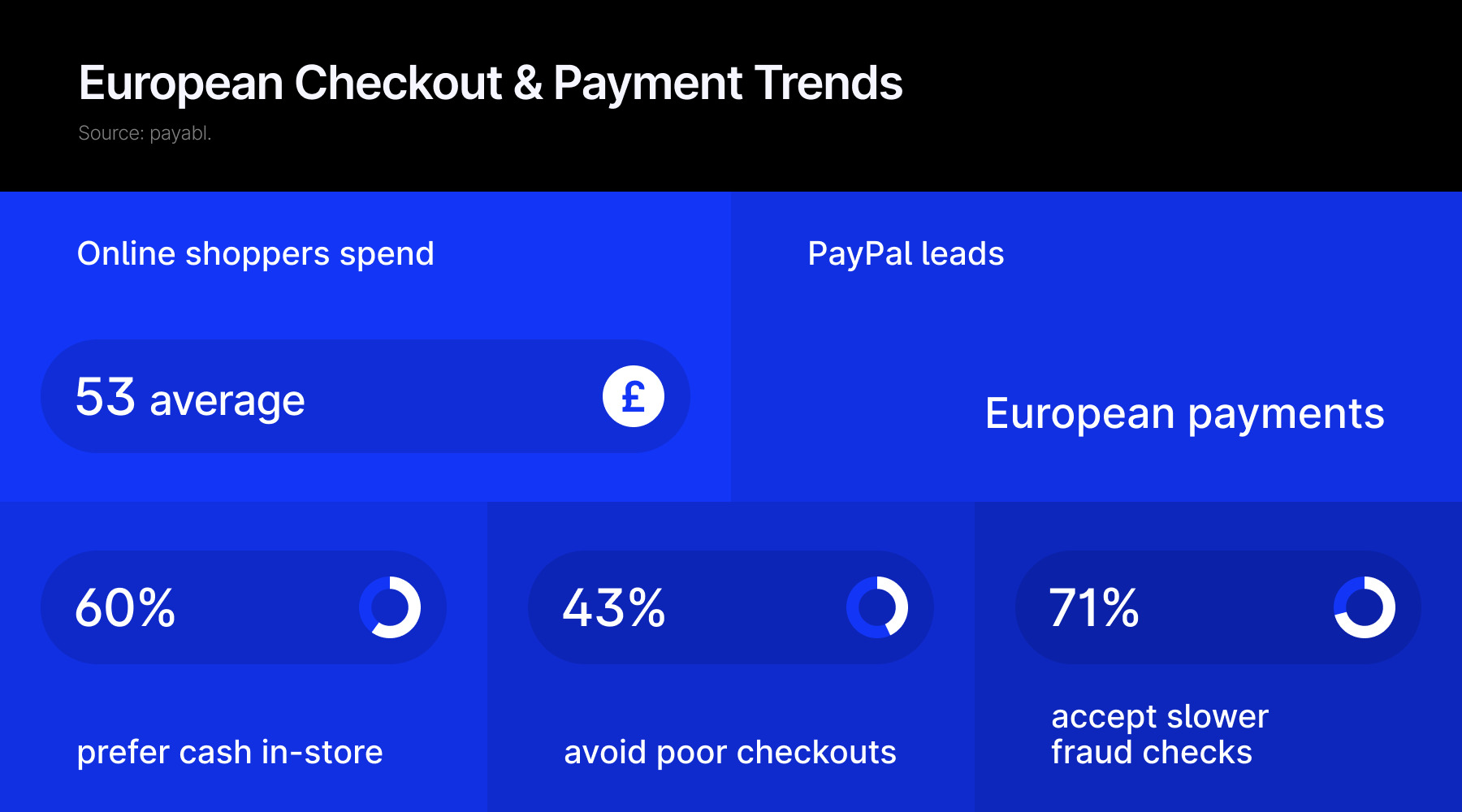
Among 1,400 consumers surveyed, Payabl. reports that 43% won’t return after poor checkout experiences; hidden fees and forced accounts top complaints.
While 71% favour slower checkouts for enhanced fraud security, opinions vary on who should prevent fraud.
Changing consumer expectations around checkout experiences,
both online and in-store, are reshaping how retailers approach payments and
security across Europe. A new report by payabl. draws on a survey of 1,400
consumers in the UK, Germany, and the Netherlands to explore shopping habits,
payment preferences, and attitudes toward fraud protection.
Online Shopping Is Now Routine
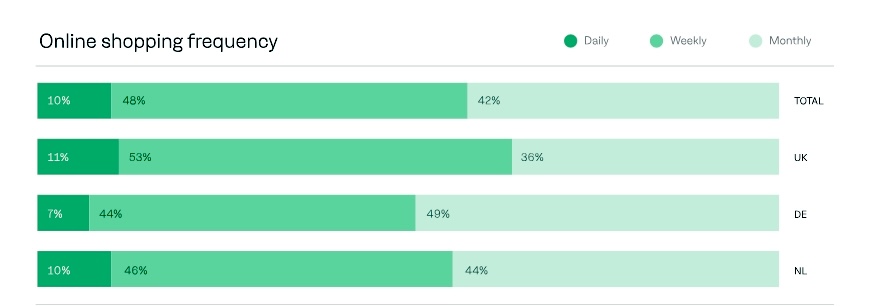
Online shopping has become routine for many, with 48% of
consumers shopping online at least once a week and 42% doing so monthly. The
average spend per transaction is £53, while a smaller segment, about 10%,
regularly spends over £100. Most shoppers prefer to plan their purchases rather
than buy on impulse, often combining orders to reduce shipping costs or for
environmental reasons.
Payment Preferences Vary by Country
Payment choice plays a key role in customer satisfaction.
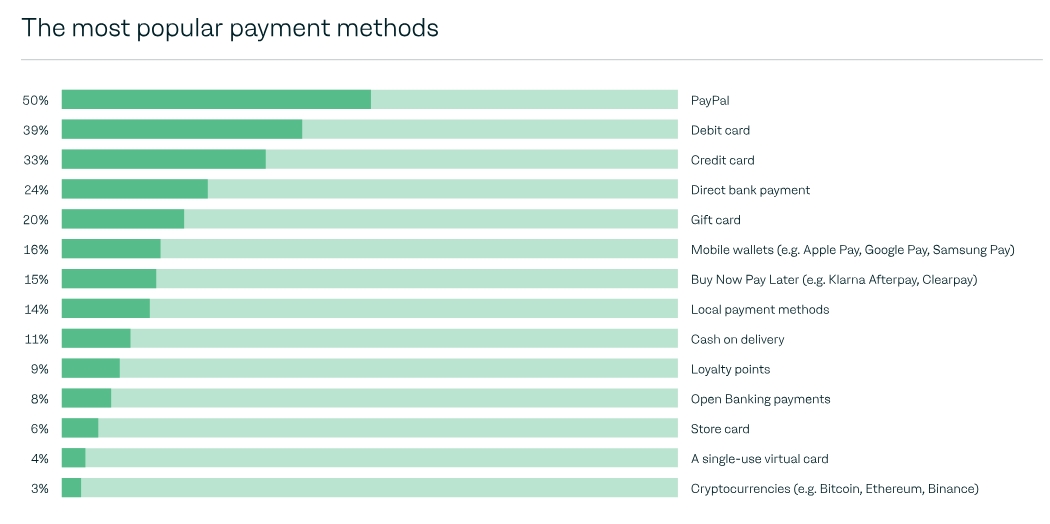
PayPal remains the most preferred method across Europe. However, preferences
differ by country. In the UK, debit cards are the top choice. In Germany,
PayPal leads by a large margin. In the Netherlands, iDEAL is the most used.
Consumers choose payment methods based on speed, convenience, and security.
Familiarity is less important. Incentives like cashback, discounts, or faster
checkout may encourage shoppers to try new methods.
Source: Payabl.
Cash Still Dominates In-Store Transactions
In stores, cash is still widely used. Sixty percent of
respondents said they prefer cash for in-person purchases. Contactless cards
and mobile wallets follow. Germany shows the highest preference for cash at
67%. This highlights a divide between online and offline habits.
Poor Checkout Drives Customers Away
The checkout experience strongly affects consumer behavior. 43%
of respondents said a poor checkout experience would stop them from returning
to a retailer. Key problems include hidden fees, forced account creation, and
unclear payment steps.
The need for multi-factor authentication was a less
common complaint. Interestingly, 60% of consumers said they had not abandoned a
transaction in the last six months. This differs from retailer data, which
often shows much higher cart abandonment rates.
Source: Payabl.
“The payment checkout experience is a critical. Offering
diverse payment preferences – including cards, digital wallets,
account-to-account and the appropriate selection of localised options – remove
potential barriers to purchase and leave the customer with a suitably positive
feeling about their experience,” David Birch, Global Ambassador for Consult
Hyperion, commented.
Security remains a major concern for online shoppers.
According to the report, 71% of consumers are willing to accept a slower
checkout process if it provides stronger fraud protection. However, there is no
clear agreement on who should be responsible for preventing fraud.
While 44%
believe it is the duty of retailers, banks, or payment processors, 25% think
consumers themselves should take responsibility. Another 32% are unsure. This
lack of clarity suggests a need for better communication from businesses about
how fraud protection works.
Interest in One-Click Checkout Grows
One-click checkout is growing in interest. About 48% are
open to using it, but only if it is backed by a trusted provider like Visa or
Mastercard. About 23% said they would not use one-click checkout at all.
The report suggests several steps for retailers. These
include offering local payment options, reducing friction at checkout, and
making all fees clear. It also recommends allowing guest checkouts and clearly
explaining security measures.
Changing consumer expectations around checkout experiences,
both online and in-store, are reshaping how retailers approach payments and
security across Europe. A new report by payabl. draws on a survey of 1,400
consumers in the UK, Germany, and the Netherlands to explore shopping habits,
payment preferences, and attitudes toward fraud protection.
Online Shopping Is Now Routine
Online shopping has become routine for many, with 48% of
consumers shopping online at least once a week and 42% doing so monthly. The
average spend per transaction is £53, while a smaller segment, about 10%,
regularly spends over £100. Most shoppers prefer to plan their purchases rather
than buy on impulse, often combining orders to reduce shipping costs or for
environmental reasons.
Payment Preferences Vary by Country
Payment choice plays a key role in customer satisfaction.
PayPal remains the most preferred method across Europe. However, preferences
differ by country. In the UK, debit cards are the top choice. In Germany,
PayPal leads by a large margin. In the Netherlands, iDEAL is the most used.
Consumers choose payment methods based on speed, convenience, and security.
Familiarity is less important. Incentives like cashback, discounts, or faster
checkout may encourage shoppers to try new methods.
Source: Payabl.
Cash Still Dominates In-Store Transactions
In stores, cash is still widely used. Sixty percent of
respondents said they prefer cash for in-person purchases. Contactless cards
and mobile wallets follow. Germany shows the highest preference for cash at
67%. This highlights a divide between online and offline habits.
Poor Checkout Drives Customers Away
The checkout experience strongly affects consumer behavior. 43%
of respondents said a poor checkout experience would stop them from returning
to a retailer. Key problems include hidden fees, forced account creation, and
unclear payment steps.
The need for multi-factor authentication was a less
common complaint. Interestingly, 60% of consumers said they had not abandoned a
transaction in the last six months. This differs from retailer data, which
often shows much higher cart abandonment rates.
Source: Payabl.
“The payment checkout experience is a critical. Offering
diverse payment preferences – including cards, digital wallets,
account-to-account and the appropriate selection of localised options – remove
potential barriers to purchase and leave the customer with a suitably positive
feeling about their experience,” David Birch, Global Ambassador for Consult
Hyperion, commented.
Security remains a major concern for online shoppers.
According to the report, 71% of consumers are willing to accept a slower
checkout process if it provides stronger fraud protection. However, there is no
clear agreement on who should be responsible for preventing fraud.
While 44%
believe it is the duty of retailers, banks, or payment processors, 25% think
consumers themselves should take responsibility. Another 32% are unsure. This
lack of clarity suggests a need for better communication from businesses about
how fraud protection works.
Interest in One-Click Checkout Grows
One-click checkout is growing in interest. About 48% are
open to using it, but only if it is backed by a trusted provider like Visa or
Mastercard. About 23% said they would not use one-click checkout at all.
The report suggests several steps for retailers. These
include offering local payment options, reducing friction at checkout, and
making all fees clear. It also recommends allowing guest checkouts and clearly
explaining security measures.
Tareq is a financial writer with 15 years of experience covering global markets. His work spans technical analysis, forex broker reviews, and market sentiment, with a focus on topics relevant to retail traders. He joined Finance Magnates in 2023.
At Finance Magnates, he serves as News Editor, covering retail forex and CFD brokers, cryptocurrency exchanges, fintech firms, and regulatory developments shaping the trading industry. He holds an Honours degree in Information Technology from Anfell College, London.
Education:
Honours degree Information Technology, Anfell College, London
Polymarket Replaces Bridged USDC Aiming for a U.S. Relaunch
FP Markets Winner Spotlight 🏆 | Global Broker of the Year 2025 #Trading #Broker #Innovation #Shorts
FP Markets Winner Spotlight 🏆 | Global Broker of the Year 2025 #Trading #Broker #Innovation #Shorts
FP Markets takes the spotlight as Global Broker of the Year 2025 at the Finance Magnates Awards.
Martin Stoilov, Head of Client Experience, shares that trust, innovation, and people played a key role in the company’s success, supported by a strong foundation of integrity and client-centricity.
Following this milestone, FP Markets continues to focus on growth, technology investment, and its core values of transparency and excellence.
👉 Be part of FM Awards 2026: https://awards.financemagnates.com/#nominate
FP Markets takes the spotlight as Global Broker of the Year 2025 at the Finance Magnates Awards.
Martin Stoilov, Head of Client Experience, shares that trust, innovation, and people played a key role in the company’s success, supported by a strong foundation of integrity and client-centricity.
Following this milestone, FP Markets continues to focus on growth, technology investment, and its core values of transparency and excellence.
👉 Be part of FM Awards 2026: https://awards.financemagnates.com/#nominate
In this video, we review @HolaPrimeMarketsOfficial, a multi-asset forex and CFDs broker offering different account types, trading platforms, and flexible trading conditions.
We cover the broker’s overall offering, including account options, trading environment, platforms like MT4 and MT5, and additional services such as managed accounts and fast withdrawals.
Watch the full video to see if Hola Prime Markets fits your trading needs.
📣 Stay up to date with the latest in finance and trading. Follow Finance Magnates for industry news, insights, and global event coverage.
Connect with us:
🔗 LinkedIn: /financemagnates
👍 Facebook: /financemagnates
📸 Instagram: https://www.instagram.com/financemagnates
🐦 X: https://x.com/financemagnates
🎥 TikTok: https://www.tiktok.com/tag/financemagnates
▶️ YouTube: /@financemagnates_official
#HolaPrime #ForexBroker #CFDTrading #FinanceMagnates #Trading #Forex #BrokerReview
In this video, we review @HolaPrimeMarketsOfficial, a multi-asset forex and CFDs broker offering different account types, trading platforms, and flexible trading conditions.
We cover the broker’s overall offering, including account options, trading environment, platforms like MT4 and MT5, and additional services such as managed accounts and fast withdrawals.
Watch the full video to see if Hola Prime Markets fits your trading needs.
📣 Stay up to date with the latest in finance and trading. Follow Finance Magnates for industry news, insights, and global event coverage.
Connect with us:
🔗 LinkedIn: /financemagnates
👍 Facebook: /financemagnates
📸 Instagram: https://www.instagram.com/financemagnates
🐦 X: https://x.com/financemagnates
🎥 TikTok: https://www.tiktok.com/tag/financemagnates
▶️ YouTube: /@financemagnates_official
#HolaPrime #ForexBroker #CFDTrading #FinanceMagnates #Trading #Forex #BrokerReview
Hola Prime Review: What You Need to Know | Full Breakdown by Finance Magnates
Hola Prime Review: What You Need to Know | Full Breakdown by Finance Magnates
In this video, we review @HolaPrime_Global, a proprietary trading firm offering evaluation programs and performance-based payouts in simulated market environments.
We cover how the challenge model works, including account types, profit splits (up to 95%), trading rules, and what it takes to reach a funded account. You’ll also learn about available platforms like MT4, MT5, cTrader, and more, along with insights into payouts, support, and trading conditions.
Watch the full video to see if Hola Prime fits your trading style.
📣 Stay up to date with the latest in finance and trading. Follow Finance Magnates for industry news, insights, and global event coverage.
Connect with us:
🔗 LinkedIn: /financemagnates
👍 Facebook: /financemagnates
📸 Instagram: https://www.instagram.com/financemagnates
🐦 X: https://x.com/financemagnates
🎥 TikTok: https://www.tiktok.com/tag/financemagnates
▶️ YouTube: /@financemagnates_official
#HolaPrime #PropFirm #Trading #FinanceMagnates #Forex #FuturesTrading #TradingReview #PropFirmReview
In this video, we review @HolaPrime_Global, a proprietary trading firm offering evaluation programs and performance-based payouts in simulated market environments.
We cover how the challenge model works, including account types, profit splits (up to 95%), trading rules, and what it takes to reach a funded account. You’ll also learn about available platforms like MT4, MT5, cTrader, and more, along with insights into payouts, support, and trading conditions.
Watch the full video to see if Hola Prime fits your trading style.
📣 Stay up to date with the latest in finance and trading. Follow Finance Magnates for industry news, insights, and global event coverage.
Connect with us:
🔗 LinkedIn: /financemagnates
👍 Facebook: /financemagnates
📸 Instagram: https://www.instagram.com/financemagnates
🐦 X: https://x.com/financemagnates
🎥 TikTok: https://www.tiktok.com/tag/financemagnates
▶️ YouTube: /@financemagnates_official
#HolaPrime #PropFirm #Trading #FinanceMagnates #Forex #FuturesTrading #TradingReview #PropFirmReview
Axi Winner Spotlight 🏆 | Global Most Innovative Broker 2025 #Innovation #Trading #Fintech #Broker
Axi Winner Spotlight 🏆 | Global Most Innovative Broker 2025 #Innovation #Trading #Fintech #Broker
Axi takes the spotlight at the Finance Magnates Awards, winning Global Most Innovative Broker 2025.
Olivia Xenofontos and Ivanna Openko share how the team will feel: proud, motivated, and ready to keep delivering.
They also describe the night as well-organized, focused, and enjoyable for all.
👉 Be part of FM Awards 2026.
Axi takes the spotlight at the Finance Magnates Awards, winning Global Most Innovative Broker 2025.
Olivia Xenofontos and Ivanna Openko share how the team will feel: proud, motivated, and ready to keep delivering.
They also describe the night as well-organized, focused, and enjoyable for all.
👉 Be part of FM Awards 2026.
Recognition that matters.
Built on transparency.
Driven by the industry.
The Finance Magnates Awards 2026.
Nominations are now open.
🔗 https://awards.financemagnates.com/?utm_source=SM&utm_medium=social&utm_campaign=recognition-matters
Recognition that matters.
Built on transparency.
Driven by the industry.
The Finance Magnates Awards 2026.
Nominations are now open.
🔗 https://awards.financemagnates.com/?utm_source=SM&utm_medium=social&utm_campaign=recognition-matters