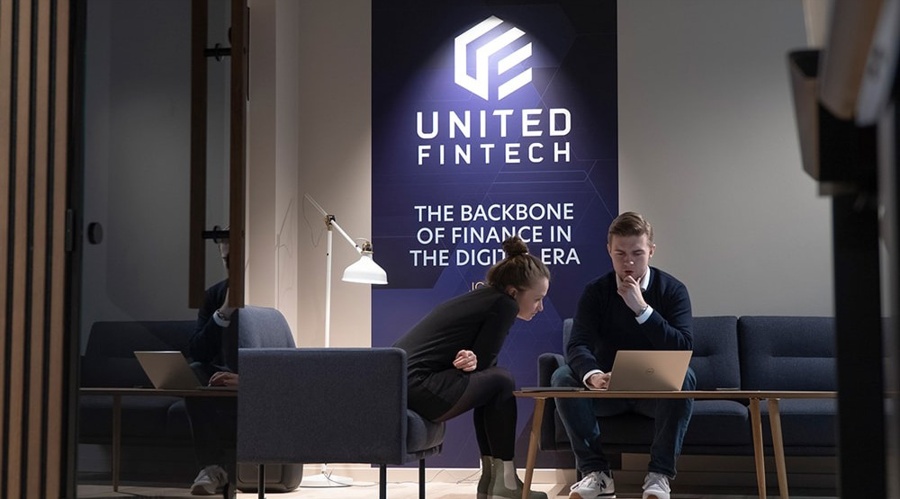
The financial tech company reshuffles management after BNP Paribas and Citi backing.
There are seven different names on the list, including the new CFO and CCO.
Just weeks
after securing strategic investments from banking giants BNP Paribas and Citi,
United Fintech Group Limited has announced a significant reshuffle of its top
management team.
According
to the company's CEO, the move aims to position United Fintech "for
further growth in all directions, emphasizing the adoption of an even more
customer-centric" approach.
United Fintech Reshuffles
Top Ranks after Major Investments
Several significant changes have occurred within United Fintech, notably the promotion of Netdania's CEO, Rasmus Bagger, to Chief Commercial
Officer (CCO). Additionally, Troels O. Lindblad,
formerly the Head of M&A and Funding, has assumed the role as the new Chief Financial Officer (CFO).
In a
significant development, Luis Otero, the CEO of the recently acquired fintech firm Athena Systems, has been named the Chief Technology Officer (CTO) of United
Fintech. Meanwhile, Marc Levin, a United Fintech partner, will take over as the
new CEO of Athena Systems, based in Madrid.
Christian Frahm, Founder & CEO at United Fintech
"Our
strategic reshuffle aims to repurpose talent internally and highlights the
depth and breadth of the talent pool that United Fintech has accumulated in
less than four years," said Christian Frahm, the CEO of United Fintech.
Below,
you can see who is moving and where:
Netdania's CEO, Rasmus Bagger to CCO of United Fintech.
Athena's CEO, Luis Otero to CTO of United Fintech.
United
Fintech's Partner, Marc Levin to CEO of Athena.
United
Fintech's Head of M&A and Funding, Troels O. Lindblad to CFO of United
Fintech.
United
Fintech's Head of Strategic Transformation & Execution, Elizabeth Missfeld to
Chief of Staff of United Fintech.
United
Fintech's Managing Director of Strategic Accounts, Darren Coote to CEO of
CobaltFX.
United
Fintech's Sales Executive, George Govier-Rosenvold to CCO of Netdania.
As reported in late February, United Fintech successfully secured strategic investments from two global banking giants, BNP Paribas and Citigroup. This development signifies a growing trend within the financial services industry where traditional institutions are increasingly recognizing the value of collaborating with innovative fintech companies. In an interview with Finance Magnates back in November, Frahm hinted that his company is preparing for institutional collaborations. We are now seeing the effects of these forecasts.
Continued Focus on
Acquisitive Growth
Founded in
2020, United Fintech is a neutral Digital Transformation Platform for the
financial services industry, remaining at the forefront of innovation by
acquiring engineering-led fintech firms within Capital Markets, Wholesale Banking,
and Wealth Management under a central umbrella. In less than four years, the
company has acquired five fintech firms, including Athena Systems.
With
Athena's Founder, Luis Otero, becoming CTO of United Fintech and Marc Levin
appointed as the new CEO of Athena, the company is making a significant
commitment to upscale the operations of the pioneering US-Spanish fintech.
"My
role at Athena will be to expand the buy-side segment organically and through
acquisitions powered by United Fintech's M&A capabilities," said Marc Levin, Athena's new CEO.
United Fintech Bets on Customer-Centricity
Currently,
United Fintech employs more than 160 people across eight countries, serving
over 200 clients in financial services, including 10 of the world's largest 12
banks. With the promotions of Troels O. Lindblad to CFO and Rasmus Bagger to
CCO, the company aims to continue its acquisitive and organic growth while
building a robust ecosystem with a clear emphasis on customer-centricity.
"We
see a significant, untapped opportunity in a market that keeps growing, fueled by megatrends that will drive continued consolidation within software vendors in the financial industry—and we are now more than ever positioned to
capitalize on this," said Troels O. Lindblad, the CFO of United Fintech.
Just weeks
after securing strategic investments from banking giants BNP Paribas and Citi,
United Fintech Group Limited has announced a significant reshuffle of its top
management team.
According
to the company's CEO, the move aims to position United Fintech "for
further growth in all directions, emphasizing the adoption of an even more
customer-centric" approach.
United Fintech Reshuffles
Top Ranks after Major Investments
Several significant changes have occurred within United Fintech, notably the promotion of Netdania's CEO, Rasmus Bagger, to Chief Commercial
Officer (CCO). Additionally, Troels O. Lindblad,
formerly the Head of M&A and Funding, has assumed the role as the new Chief Financial Officer (CFO).
In a
significant development, Luis Otero, the CEO of the recently acquired fintech firm Athena Systems, has been named the Chief Technology Officer (CTO) of United
Fintech. Meanwhile, Marc Levin, a United Fintech partner, will take over as the
new CEO of Athena Systems, based in Madrid.
Christian Frahm, Founder & CEO at United Fintech
"Our
strategic reshuffle aims to repurpose talent internally and highlights the
depth and breadth of the talent pool that United Fintech has accumulated in
less than four years," said Christian Frahm, the CEO of United Fintech.
Below,
you can see who is moving and where:
Netdania's CEO, Rasmus Bagger to CCO of United Fintech.
Athena's CEO, Luis Otero to CTO of United Fintech.
United
Fintech's Partner, Marc Levin to CEO of Athena.
United
Fintech's Head of M&A and Funding, Troels O. Lindblad to CFO of United
Fintech.
United
Fintech's Head of Strategic Transformation & Execution, Elizabeth Missfeld to
Chief of Staff of United Fintech.
United
Fintech's Managing Director of Strategic Accounts, Darren Coote to CEO of
CobaltFX.
United
Fintech's Sales Executive, George Govier-Rosenvold to CCO of Netdania.
As reported in late February, United Fintech successfully secured strategic investments from two global banking giants, BNP Paribas and Citigroup. This development signifies a growing trend within the financial services industry where traditional institutions are increasingly recognizing the value of collaborating with innovative fintech companies. In an interview with Finance Magnates back in November, Frahm hinted that his company is preparing for institutional collaborations. We are now seeing the effects of these forecasts.
Continued Focus on
Acquisitive Growth
Founded in
2020, United Fintech is a neutral Digital Transformation Platform for the
financial services industry, remaining at the forefront of innovation by
acquiring engineering-led fintech firms within Capital Markets, Wholesale Banking,
and Wealth Management under a central umbrella. In less than four years, the
company has acquired five fintech firms, including Athena Systems.
With
Athena's Founder, Luis Otero, becoming CTO of United Fintech and Marc Levin
appointed as the new CEO of Athena, the company is making a significant
commitment to upscale the operations of the pioneering US-Spanish fintech.
"My
role at Athena will be to expand the buy-side segment organically and through
acquisitions powered by United Fintech's M&A capabilities," said Marc Levin, Athena's new CEO.
United Fintech Bets on Customer-Centricity
Currently,
United Fintech employs more than 160 people across eight countries, serving
over 200 clients in financial services, including 10 of the world's largest 12
banks. With the promotions of Troels O. Lindblad to CFO and Rasmus Bagger to
CCO, the company aims to continue its acquisitive and organic growth while
building a robust ecosystem with a clear emphasis on customer-centricity.
"We
see a significant, untapped opportunity in a market that keeps growing, fueled by megatrends that will drive continued consolidation within software vendors in the financial industry—and we are now more than ever positioned to
capitalize on this," said Troels O. Lindblad, the CFO of United Fintech.
Damian Chmiel is a Senior Analyst & Editor at Finance Magnates with more than 15 years of experience in the CFD and online trading industry. Active as both a trader and journalist since 2010, he focuses on broker coverage, fintech innovation, and regulatory developments across Europe, the Middle East, and Asia.
His work includes interviews with C-level leaders at major brokerages and fintech platforms, as well as co-authoring Finance Magnates’ quarterly industry benchmarking reports. Damian’s reporting is data-driven, market-aware, and grounded in direct industry engagement. His analysis and commentary have also been cited by external media outlets, including Investing.com, Binance, The Asset, Stockhead, and Dispatch.
Education:
MA in Finance and Accounting, Cracow University of Economics
Deus X Capital’s Tim Grant Takes Chairman Role at TradeLocker
Featured Videos
AvaTrade to Acquire Most of FXCM; NAGA Raises $8M
AvaTrade to Acquire Most of FXCM; NAGA Raises $8M
AvaTrade to Acquire Most of FXCM; NAGA Raises $8M
AvaTrade to Acquire Most of FXCM; NAGA Raises $8M
Today’s financial news recap covers AvaTrade agrees to acquire most of FXCM, NAGA secures eight million dollars in new financing, and Wise seeks a tax settlement in the UK.
Finance Magnates Daily Recap brings you the latest news from forex and CFD brokers, fintech, payments, cryptocurrency, digital assets, trading platforms, financial regulation and global markets.
Get the key company news, executive moves, deals, regulatory updates and market developments of the day, in just a few minutes. New episodes published every weekday.
Read more: https://www.financemagnates.com
#FinanceMagnates #ForexNews #FintechNews
Today’s financial news recap covers AvaTrade agrees to acquire most of FXCM, NAGA secures eight million dollars in new financing, and Wise seeks a tax settlement in the UK.
Finance Magnates Daily Recap brings you the latest news from forex and CFD brokers, fintech, payments, cryptocurrency, digital assets, trading platforms, financial regulation and global markets.
Get the key company news, executive moves, deals, regulatory updates and market developments of the day, in just a few minutes. New episodes published every weekday.
Read more: https://www.financemagnates.com
#FinanceMagnates #ForexNews #FintechNews
Today’s financial news recap covers AvaTrade agrees to acquire most of FXCM, NAGA secures eight million dollars in new financing, and Wise seeks a tax settlement in the UK.
Finance Magnates Daily Recap brings you the latest news from forex and CFD brokers, fintech, payments, cryptocurrency, digital assets, trading platforms, financial regulation and global markets.
Get the key company news, executive moves, deals, regulatory updates and market developments of the day, in just a few minutes. New episodes published every weekday.
Read more: https://www.financemagnates.com
#FinanceMagnates #ForexNews #FintechNews
Today’s financial news recap covers AvaTrade agrees to acquire most of FXCM, NAGA secures eight million dollars in new financing, and Wise seeks a tax settlement in the UK.
Finance Magnates Daily Recap brings you the latest news from forex and CFD brokers, fintech, payments, cryptocurrency, digital assets, trading platforms, financial regulation and global markets.
Get the key company news, executive moves, deals, regulatory updates and market developments of the day, in just a few minutes. New episodes published every weekday.
Read more: https://www.financemagnates.com
#FinanceMagnates #ForexNews #FintechNews
XTB Adds Overnight US Stock Trading; Nasdaq Ventures Invests in One Trading
XTB Adds Overnight US Stock Trading; Nasdaq Ventures Invests in One Trading
XTB Adds Overnight US Stock Trading; Nasdaq Ventures Invests in One Trading
XTB Adds Overnight US Stock Trading; Nasdaq Ventures Invests in One Trading
XTB Adds Overnight US Stock Trading; Nasdaq Ventures Invests in One Trading
XTB Adds Overnight US Stock Trading; Nasdaq Ventures Invests in One Trading
Today’s financial news recap covers XTB expands overnight US stock trading, Fortrade reports higher revenue, Nasdaq backs One Trading, and Vest Labs raises 13 million dollars.
Finance Magnates Daily Recap brings you the latest news from forex and CFD brokers, fintech, payments, cryptocurrency, digital assets, trading platforms, financial regulation and global markets.
Get the key company news, executive moves, deals, regulatory updates and market developments of the day, in just a few minutes. New episodes published every weekday.
Read more: https://www.financemagnates.com
#FinanceMagnates #ForexNews #FintechNews
Today’s financial news recap covers XTB expands overnight US stock trading, Fortrade reports higher revenue, Nasdaq backs One Trading, and Vest Labs raises 13 million dollars.
Finance Magnates Daily Recap brings you the latest news from forex and CFD brokers, fintech, payments, cryptocurrency, digital assets, trading platforms, financial regulation and global markets.
Get the key company news, executive moves, deals, regulatory updates and market developments of the day, in just a few minutes. New episodes published every weekday.
Read more: https://www.financemagnates.com
#FinanceMagnates #ForexNews #FintechNews
Today’s financial news recap covers XTB expands overnight US stock trading, Fortrade reports higher revenue, Nasdaq backs One Trading, and Vest Labs raises 13 million dollars.
Finance Magnates Daily Recap brings you the latest news from forex and CFD brokers, fintech, payments, cryptocurrency, digital assets, trading platforms, financial regulation and global markets.
Get the key company news, executive moves, deals, regulatory updates and market developments of the day, in just a few minutes. New episodes published every weekday.
Read more: https://www.financemagnates.com
#FinanceMagnates #ForexNews #FintechNews
Today’s financial news recap covers XTB expands overnight US stock trading, Fortrade reports higher revenue, Nasdaq backs One Trading, and Vest Labs raises 13 million dollars.
Finance Magnates Daily Recap brings you the latest news from forex and CFD brokers, fintech, payments, cryptocurrency, digital assets, trading platforms, financial regulation and global markets.
Get the key company news, executive moves, deals, regulatory updates and market developments of the day, in just a few minutes. New episodes published every weekday.
Read more: https://www.financemagnates.com
#FinanceMagnates #ForexNews #FintechNews
Today’s financial news recap covers XTB expands overnight US stock trading, Fortrade reports higher revenue, Nasdaq backs One Trading, and Vest Labs raises 13 million dollars.
Finance Magnates Daily Recap brings you the latest news from forex and CFD brokers, fintech, payments, cryptocurrency, digital assets, trading platforms, financial regulation and global markets.
Get the key company news, executive moves, deals, regulatory updates and market developments of the day, in just a few minutes. New episodes published every weekday.
Read more: https://www.financemagnates.com
#FinanceMagnates #ForexNews #FintechNews
Today’s financial news recap covers XTB expands overnight US stock trading, Fortrade reports higher revenue, Nasdaq backs One Trading, and Vest Labs raises 13 million dollars.
Finance Magnates Daily Recap brings you the latest news from forex and CFD brokers, fintech, payments, cryptocurrency, digital assets, trading platforms, financial regulation and global markets.
Get the key company news, executive moves, deals, regulatory updates and market developments of the day, in just a few minutes. New episodes published every weekday.
Read more: https://www.financemagnates.com
#FinanceMagnates #ForexNews #FintechNews
CMC Founder Downplays Volatility Hit; Devexperts Names CEO
CMC Founder Downplays Volatility Hit; Devexperts Names CEO
CMC Founder Downplays Volatility Hit; Devexperts Names CEO
CMC Founder Downplays Volatility Hit; Devexperts Names CEO
CMC Founder Downplays Volatility Hit; Devexperts Names CEO
CMC Founder Downplays Volatility Hit; Devexperts Names CEO
Today’s financial news recap covers low volatility pressures brokers, Devexperts names a new CEO, Saxo cuts onboarding time, and OKX reaches a 25 billion dollar valuation.
Finance Magnates Daily Recap brings you the latest news from forex and CFD brokers, fintech, payments, cryptocurrency, digital assets, trading platforms, financial regulation and global markets.
Get the key company news, executive moves, deals, regulatory updates and market developments of the day, in just a few minutes. New episodes published every weekday.
Read more: https://www.financemagnates.com
#FinanceMagnates #ForexNews #FintechNews
Today’s financial news recap covers low volatility pressures brokers, Devexperts names a new CEO, Saxo cuts onboarding time, and OKX reaches a 25 billion dollar valuation.
Finance Magnates Daily Recap brings you the latest news from forex and CFD brokers, fintech, payments, cryptocurrency, digital assets, trading platforms, financial regulation and global markets.
Get the key company news, executive moves, deals, regulatory updates and market developments of the day, in just a few minutes. New episodes published every weekday.
Read more: https://www.financemagnates.com
#FinanceMagnates #ForexNews #FintechNews
Today’s financial news recap covers low volatility pressures brokers, Devexperts names a new CEO, Saxo cuts onboarding time, and OKX reaches a 25 billion dollar valuation.
Finance Magnates Daily Recap brings you the latest news from forex and CFD brokers, fintech, payments, cryptocurrency, digital assets, trading platforms, financial regulation and global markets.
Get the key company news, executive moves, deals, regulatory updates and market developments of the day, in just a few minutes. New episodes published every weekday.
Read more: https://www.financemagnates.com
#FinanceMagnates #ForexNews #FintechNews
Today’s financial news recap covers low volatility pressures brokers, Devexperts names a new CEO, Saxo cuts onboarding time, and OKX reaches a 25 billion dollar valuation.
Finance Magnates Daily Recap brings you the latest news from forex and CFD brokers, fintech, payments, cryptocurrency, digital assets, trading platforms, financial regulation and global markets.
Get the key company news, executive moves, deals, regulatory updates and market developments of the day, in just a few minutes. New episodes published every weekday.
Read more: https://www.financemagnates.com
#FinanceMagnates #ForexNews #FintechNews
Today’s financial news recap covers low volatility pressures brokers, Devexperts names a new CEO, Saxo cuts onboarding time, and OKX reaches a 25 billion dollar valuation.
Finance Magnates Daily Recap brings you the latest news from forex and CFD brokers, fintech, payments, cryptocurrency, digital assets, trading platforms, financial regulation and global markets.
Get the key company news, executive moves, deals, regulatory updates and market developments of the day, in just a few minutes. New episodes published every weekday.
Read more: https://www.financemagnates.com
#FinanceMagnates #ForexNews #FintechNews
Today’s financial news recap covers low volatility pressures brokers, Devexperts names a new CEO, Saxo cuts onboarding time, and OKX reaches a 25 billion dollar valuation.
Finance Magnates Daily Recap brings you the latest news from forex and CFD brokers, fintech, payments, cryptocurrency, digital assets, trading platforms, financial regulation and global markets.
Get the key company news, executive moves, deals, regulatory updates and market developments of the day, in just a few minutes. New episodes published every weekday.
Read more: https://www.financemagnates.com
#FinanceMagnates #ForexNews #FintechNews
Today’s financial news recap covers Trade Nation buys FXCM's UK client book, Trading 212 reports higher revenue, the CFTC's move to allow perpetual index futures.
Finance Magnates Daily Recap brings you the latest news from forex and CFD brokers, fintech, payments, cryptocurrency, digital assets, trading platforms, financial regulation and global markets.
Get the key company news, executive moves, deals, regulatory updates and market developments of the day, in just a few minutes. New episodes published every weekday.
Read more: https://www.financemagnates.com
#FinanceMagnates #ForexNews #FintechNews
Today’s financial news recap covers Trade Nation buys FXCM's UK client book, Trading 212 reports higher revenue, the CFTC's move to allow perpetual index futures.
Finance Magnates Daily Recap brings you the latest news from forex and CFD brokers, fintech, payments, cryptocurrency, digital assets, trading platforms, financial regulation and global markets.
Get the key company news, executive moves, deals, regulatory updates and market developments of the day, in just a few minutes. New episodes published every weekday.
Read more: https://www.financemagnates.com
#FinanceMagnates #ForexNews #FintechNews
Today’s financial news recap covers Trade Nation buys FXCM's UK client book, Trading 212 reports higher revenue, the CFTC's move to allow perpetual index futures.
Finance Magnates Daily Recap brings you the latest news from forex and CFD brokers, fintech, payments, cryptocurrency, digital assets, trading platforms, financial regulation and global markets.
Get the key company news, executive moves, deals, regulatory updates and market developments of the day, in just a few minutes. New episodes published every weekday.
Read more: https://www.financemagnates.com
#FinanceMagnates #ForexNews #FintechNews
Today’s financial news recap covers Trade Nation buys FXCM's UK client book, Trading 212 reports higher revenue, the CFTC's move to allow perpetual index futures.
Finance Magnates Daily Recap brings you the latest news from forex and CFD brokers, fintech, payments, cryptocurrency, digital assets, trading platforms, financial regulation and global markets.
Get the key company news, executive moves, deals, regulatory updates and market developments of the day, in just a few minutes. New episodes published every weekday.
Read more: https://www.financemagnates.com
#FinanceMagnates #ForexNews #FintechNews
Today’s financial news recap covers Trade Nation buys FXCM's UK client book, Trading 212 reports higher revenue, the CFTC's move to allow perpetual index futures.
Finance Magnates Daily Recap brings you the latest news from forex and CFD brokers, fintech, payments, cryptocurrency, digital assets, trading platforms, financial regulation and global markets.
Get the key company news, executive moves, deals, regulatory updates and market developments of the day, in just a few minutes. New episodes published every weekday.
Read more: https://www.financemagnates.com
#FinanceMagnates #ForexNews #FintechNews
Today’s financial news recap covers Trade Nation buys FXCM's UK client book, Trading 212 reports higher revenue, the CFTC's move to allow perpetual index futures.
Finance Magnates Daily Recap brings you the latest news from forex and CFD brokers, fintech, payments, cryptocurrency, digital assets, trading platforms, financial regulation and global markets.
Get the key company news, executive moves, deals, regulatory updates and market developments of the day, in just a few minutes. New episodes published every weekday.
Read more: https://www.financemagnates.com
#FinanceMagnates #ForexNews #FintechNews
Your career isn’t a linear path.
Your career isn’t a linear path.
Your career isn’t a linear path.
Your career isn’t a linear path.
Your career isn’t a linear path.
Your career isn’t a linear path.
Roles change. Career goals change. Sometimes you want a completely new challenge.
But the skills and knowledge you build along the way can stay with you and give you something to build on.
For Jeff Patterson, that continued growth is key to long-term career development.
You bring the skills. FM Academy helps you build the knowledge.
#FMAcademy #FinanceMagnates #FinanceCareers #ProfessionalDevelopment #Fintech
Roles change. Career goals change. Sometimes you want a completely new challenge.
But the skills and knowledge you build along the way can stay with you and give you something to build on.
For Jeff Patterson, that continued growth is key to long-term career development.
You bring the skills. FM Academy helps you build the knowledge.
#FMAcademy #FinanceMagnates #FinanceCareers #ProfessionalDevelopment #Fintech
Roles change. Career goals change. Sometimes you want a completely new challenge.
But the skills and knowledge you build along the way can stay with you and give you something to build on.
For Jeff Patterson, that continued growth is key to long-term career development.
You bring the skills. FM Academy helps you build the knowledge.
#FMAcademy #FinanceMagnates #FinanceCareers #ProfessionalDevelopment #Fintech
Roles change. Career goals change. Sometimes you want a completely new challenge.
But the skills and knowledge you build along the way can stay with you and give you something to build on.
For Jeff Patterson, that continued growth is key to long-term career development.
You bring the skills. FM Academy helps you build the knowledge.
#FMAcademy #FinanceMagnates #FinanceCareers #ProfessionalDevelopment #Fintech
Roles change. Career goals change. Sometimes you want a completely new challenge.
But the skills and knowledge you build along the way can stay with you and give you something to build on.
For Jeff Patterson, that continued growth is key to long-term career development.
You bring the skills. FM Academy helps you build the knowledge.
#FMAcademy #FinanceMagnates #FinanceCareers #ProfessionalDevelopment #Fintech
Roles change. Career goals change. Sometimes you want a completely new challenge.
But the skills and knowledge you build along the way can stay with you and give you something to build on.
For Jeff Patterson, that continued growth is key to long-term career development.
You bring the skills. FM Academy helps you build the knowledge.
#FMAcademy #FinanceMagnates #FinanceCareers #ProfessionalDevelopment #Fintech