The most recent acquisition was Cobalt, a data and risk services provider to crypto and FX markets.
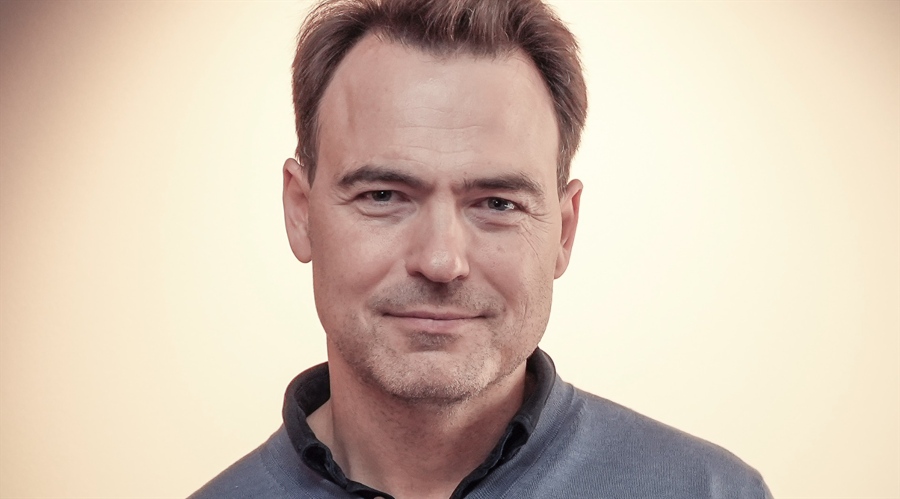
After selling CFH Group (now Finalto) in 2019, industry veteran Christian Frahm has set his sights on digital transformation in financial markets that go beyond the retail trading space or liquidity services. The means to realize his vision is his not-so-recently launched United Fintech, a "global platform for finance in the digital age." Since then, the group has already completed five acquisitions in the retail and institutional tech space, joining forces with small and mid-sized startups to help them scale.
United Fintech’s first acquisition was Danish fintech, NetDania, which offers market data, APIs, market terminals, charting components, and white-label solutions on cross-platforms. Other companies under the United Fintech umbrella are FairXchange, NetDania, TTMzero, and, recently, Cobalt (which tellingly rebranded to CobaltFX).
Finance Magnates recently sat down with Frahm to know his moves in the industry and strategies for United Fintech. He is also participating in the upcoming Finance Magnates London Summit, where he will join a panel discussion on "Investing in Financial Services: VCs and Startups Talk Funding."
The FMLS panel where Christian Frahm is speaking
Can you share what led to the inception of United Fintech, both in terms of your career journey and the actual spark that ignited the idea?
CF: The seed for United Fintech was planted when I transitioned from my first fintech venture, CFH Group (today Finalto), following its complete acquisition by Playtech Plc. in 2019. My vision was rooted in a simple idea: to accelerate the digital transformation of traditional financial institutions by bringing the industry together on a central platform. With this ambition, I sought to strategically partner with founders of specialized fintechs that had mastered their niche in Capital Markets, demonstrating not only viability with positive cash flow but also significant growth potential.
The goal was to unite the best people under a single umbrella. An industry-leading platform that global banks could leverage for their digital needs. This concept has become increasingly relevant as the financial industry intensifies its call for a unified platform that integrates the strengths of niche fintech players. United Fintech is the embodiment of that response — a harmonious ecosystem empowering the financial sector to embrace the digital age with confidence and agility
How is United Fintech operating? What is a typical deal structure and the services it includes for startups? Are you working with LPs? Will you consider external funding to expand?
CF: United Fintech specializes in acquiring best-in-class specialized product companies within the fintech sector. These are not startups, but mature enterprises with top-tier, industry-leading products that have a track record of success and innovation. Although our typical deal structure involves taking significant stakes, often a majority, we view our model as a long-term partnership with founders for the next many years, where we work closely together to grow their companies.
For each acquisition, we offer an array of services, including but not limited to operational optimization, market expansion strategies, and collaborative product innovation. Our aim is to bolster these companies, positioning them to better serve a sophisticated clientele within the financial industry.
As for our funding, United Fintech has been financed by my own investment, supplemented by a strong network of ultra-high-net-worth individuals from large family offices and leading private equity individuals with a deep understanding of and commitment to the fintech sector. In the future, we could explore the possibility of engaging with institutional funding to scale our operations and fulfill our ambitious growth objectives more rapidly."
Speaking about startups, there's coherence and synergy to your portfolio. Which pieces are still missing in the UF puzzle?
CF: United Fintech is still in the early stages of realizing its long-term ambition to offer a comprehensive digital transformation roadmap for large financial institutions. Our portfolio is intentionally curated for coherence and synergy, yet as we project the future needs of our clients, we recognize that there are additional pieces we aim to incorporate. We focus on the capital markets, Wholesale banking, and wealth management space that align with the holistic needs of big banks, asset managers, and other financial institutions.
We’re finding ourselves in a unique position as a go-to partner for financial institutions’ digital transformation, including 10 in 12 of the world’s biggest banks, and we are working closely with our customers to add products that are aligned with their needs.
Once a deal is signed, how involved is the umbrella group in the firms' operations? Are you offering clients a full suite with single pricing?
CF: Once we partner with a founder and his team, we honor the entrepreneurial spirit that made these companies successful in the first place. The founders continue to drive their businesses, maintaining full control over product development. This approach is foundational to our ethos because it ensures that the products not only remain at the cutting edge of innovation but also continue to evolve in response to market demands.
United FIntech brings scale and global reach. With offices in 9 different countries, we can service global customers locally in an increasingly complex world. We provide global distribution, enhancing sales and marketing effectiveness, and bolstering their finance and legal frameworks. By doing so, we create an environment where these fintech leaders can scale more rapidly and effectively than they would on their own.
Regarding our client offerings, we tailor our approach to the needs of each financial institution we partner with. While we can integrate our suite of products to offer a consolidated solution, we maintain flexibility in pricing and services. This means we don't typically package a one-size-fits-all single price, but rather work to align with the specific needs and objectives of our clients, ensuring they get the most value from our ecosystem.
Let's go beyond United Fintech. We have been hearing about "fintech" and "disruption" for nearly 10 years. Can you point out what, in your view, has been achieved by banks in transforming technology and which main failures remain?
CF: 10 years ago, bank CEOs talked about digital transformation as something that should happen in the future. Today, none of them are under any illusion that we are on the verge of one of the largest technological transformations ever. AI, Blockchain, Quantum computing, Tokenization of assets, etc, are all happening and will change the space of finance significantly over the next 5-10 years.
However, most larger financial institutions are still running today like they did 10 years ago. They develop technology in-house, or they buy technology from large expensive, legacy technology providers. Both solutions are slow and expensive and don't bring any innovation or competitive edge. This needs to change in order for them to survive and service their customers in the future.
Why is it so difficult for banks to innovate? Is it sheer size, cultural DNA, or internal oversight? Can spending more on IT (apropos your latest Forbes piece) alone solve it?
CF: Innovation in banking is hindered by structural and cultural factors. Large banks often struggle with complex hierarchies and a risk-averse culture, while legacy systems and stringent regulations add further challenges. Merely increasing IT spending is not sufficient, as it tends to maintain outdated systems rather than encourage genuine innovation.
For banks to stay relevant, they must embrace collaboration with fintech and seek agile, specialized solutions rather than large, inflexible platforms. The future demands a shift from siloed operations to shared industry utilities to prevent resource wastage and accelerate digital transformation. In short, banks need to radically rethink their approach to technology and innovation to survive the seismic shifts in the financial sector.
Another aspect that can stifle or speed up innovation is regulation. What do you make of the FCA's role in the UK fintech landscape?
CF: The FCA plays a nuanced role in the UK's fintech growth. Its Regulatory Sandbox has been instrumental in fostering innovation, but the stringent regulations it mandates can also hinder banks' ability to partner with smaller fintechs. The rigorous compliance demands are often a heavy lift for these firms, which can stifle their growth and innovation. While the FCA's intentions are to maintain a stable and safe financial environment, there's a need for a balanced approach that supports innovation while upholding regulatory standards. This balance is key to ensuring that regulation doesn't inadvertently curb the fintech progress it aims to encourage.
To wrap up, what advice would you give to an entrepreneur in financial services who's launching his new firm?
CF: If I may offer a piece of advice from my own journey, it would be to make your early customers your co-creators. Engage with them early to understand the crux of their problems and shape your product around those pain points. For me, success came not from casting a wide net, but from focusing on perfecting a solution for one client and then leveraging that success as a reference for others. It's important to remember that perseverance is your greatest asset in the financial services arena.
Things often take longer than expected; it’s a marathon, not a sprint. My experience has shown that breaking into this market can be arduous, with longer lead times to onboard those first crucial 10 customers. Yet, once you've proven your value, the financial sector tends to reward you with loyalty and longevity in partnerships. So, keep your head down, listen intently to your customers, and stay the course – the reward is not just in the destination but in the depth and strength of the relationships you build along the way.
After selling CFH Group (now Finalto) in 2019, industry veteran Christian Frahm has set his sights on digital transformation in financial markets that go beyond the retail trading space or liquidity services. The means to realize his vision is his not-so-recently launched United Fintech, a "global platform for finance in the digital age." Since then, the group has already completed five acquisitions in the retail and institutional tech space, joining forces with small and mid-sized startups to help them scale.
United Fintech’s first acquisition was Danish fintech, NetDania, which offers market data, APIs, market terminals, charting components, and white-label solutions on cross-platforms. Other companies under the United Fintech umbrella are FairXchange, NetDania, TTMzero, and, recently, Cobalt (which tellingly rebranded to CobaltFX).
Finance Magnates recently sat down with Frahm to know his moves in the industry and strategies for United Fintech. He is also participating in the upcoming Finance Magnates London Summit, where he will join a panel discussion on "Investing in Financial Services: VCs and Startups Talk Funding."
The FMLS panel where Christian Frahm is speaking
Can you share what led to the inception of United Fintech, both in terms of your career journey and the actual spark that ignited the idea?
CF: The seed for United Fintech was planted when I transitioned from my first fintech venture, CFH Group (today Finalto), following its complete acquisition by Playtech Plc. in 2019. My vision was rooted in a simple idea: to accelerate the digital transformation of traditional financial institutions by bringing the industry together on a central platform. With this ambition, I sought to strategically partner with founders of specialized fintechs that had mastered their niche in Capital Markets, demonstrating not only viability with positive cash flow but also significant growth potential.
The goal was to unite the best people under a single umbrella. An industry-leading platform that global banks could leverage for their digital needs. This concept has become increasingly relevant as the financial industry intensifies its call for a unified platform that integrates the strengths of niche fintech players. United Fintech is the embodiment of that response — a harmonious ecosystem empowering the financial sector to embrace the digital age with confidence and agility
How is United Fintech operating? What is a typical deal structure and the services it includes for startups? Are you working with LPs? Will you consider external funding to expand?
CF: United Fintech specializes in acquiring best-in-class specialized product companies within the fintech sector. These are not startups, but mature enterprises with top-tier, industry-leading products that have a track record of success and innovation. Although our typical deal structure involves taking significant stakes, often a majority, we view our model as a long-term partnership with founders for the next many years, where we work closely together to grow their companies.
For each acquisition, we offer an array of services, including but not limited to operational optimization, market expansion strategies, and collaborative product innovation. Our aim is to bolster these companies, positioning them to better serve a sophisticated clientele within the financial industry.
As for our funding, United Fintech has been financed by my own investment, supplemented by a strong network of ultra-high-net-worth individuals from large family offices and leading private equity individuals with a deep understanding of and commitment to the fintech sector. In the future, we could explore the possibility of engaging with institutional funding to scale our operations and fulfill our ambitious growth objectives more rapidly."
Speaking about startups, there's coherence and synergy to your portfolio. Which pieces are still missing in the UF puzzle?
CF: United Fintech is still in the early stages of realizing its long-term ambition to offer a comprehensive digital transformation roadmap for large financial institutions. Our portfolio is intentionally curated for coherence and synergy, yet as we project the future needs of our clients, we recognize that there are additional pieces we aim to incorporate. We focus on the capital markets, Wholesale banking, and wealth management space that align with the holistic needs of big banks, asset managers, and other financial institutions.
We’re finding ourselves in a unique position as a go-to partner for financial institutions’ digital transformation, including 10 in 12 of the world’s biggest banks, and we are working closely with our customers to add products that are aligned with their needs.
Once a deal is signed, how involved is the umbrella group in the firms' operations? Are you offering clients a full suite with single pricing?
CF: Once we partner with a founder and his team, we honor the entrepreneurial spirit that made these companies successful in the first place. The founders continue to drive their businesses, maintaining full control over product development. This approach is foundational to our ethos because it ensures that the products not only remain at the cutting edge of innovation but also continue to evolve in response to market demands.
United FIntech brings scale and global reach. With offices in 9 different countries, we can service global customers locally in an increasingly complex world. We provide global distribution, enhancing sales and marketing effectiveness, and bolstering their finance and legal frameworks. By doing so, we create an environment where these fintech leaders can scale more rapidly and effectively than they would on their own.
Regarding our client offerings, we tailor our approach to the needs of each financial institution we partner with. While we can integrate our suite of products to offer a consolidated solution, we maintain flexibility in pricing and services. This means we don't typically package a one-size-fits-all single price, but rather work to align with the specific needs and objectives of our clients, ensuring they get the most value from our ecosystem.
Let's go beyond United Fintech. We have been hearing about "fintech" and "disruption" for nearly 10 years. Can you point out what, in your view, has been achieved by banks in transforming technology and which main failures remain?
CF: 10 years ago, bank CEOs talked about digital transformation as something that should happen in the future. Today, none of them are under any illusion that we are on the verge of one of the largest technological transformations ever. AI, Blockchain, Quantum computing, Tokenization of assets, etc, are all happening and will change the space of finance significantly over the next 5-10 years.
However, most larger financial institutions are still running today like they did 10 years ago. They develop technology in-house, or they buy technology from large expensive, legacy technology providers. Both solutions are slow and expensive and don't bring any innovation or competitive edge. This needs to change in order for them to survive and service their customers in the future.
Why is it so difficult for banks to innovate? Is it sheer size, cultural DNA, or internal oversight? Can spending more on IT (apropos your latest Forbes piece) alone solve it?
CF: Innovation in banking is hindered by structural and cultural factors. Large banks often struggle with complex hierarchies and a risk-averse culture, while legacy systems and stringent regulations add further challenges. Merely increasing IT spending is not sufficient, as it tends to maintain outdated systems rather than encourage genuine innovation.
For banks to stay relevant, they must embrace collaboration with fintech and seek agile, specialized solutions rather than large, inflexible platforms. The future demands a shift from siloed operations to shared industry utilities to prevent resource wastage and accelerate digital transformation. In short, banks need to radically rethink their approach to technology and innovation to survive the seismic shifts in the financial sector.
Another aspect that can stifle or speed up innovation is regulation. What do you make of the FCA's role in the UK fintech landscape?
CF: The FCA plays a nuanced role in the UK's fintech growth. Its Regulatory Sandbox has been instrumental in fostering innovation, but the stringent regulations it mandates can also hinder banks' ability to partner with smaller fintechs. The rigorous compliance demands are often a heavy lift for these firms, which can stifle their growth and innovation. While the FCA's intentions are to maintain a stable and safe financial environment, there's a need for a balanced approach that supports innovation while upholding regulatory standards. This balance is key to ensuring that regulation doesn't inadvertently curb the fintech progress it aims to encourage.
To wrap up, what advice would you give to an entrepreneur in financial services who's launching his new firm?
CF: If I may offer a piece of advice from my own journey, it would be to make your early customers your co-creators. Engage with them early to understand the crux of their problems and shape your product around those pain points. For me, success came not from casting a wide net, but from focusing on perfecting a solution for one client and then leveraging that success as a reference for others. It's important to remember that perseverance is your greatest asset in the financial services arena.
Things often take longer than expected; it’s a marathon, not a sprint. My experience has shown that breaking into this market can be arduous, with longer lead times to onboard those first crucial 10 customers. Yet, once you've proven your value, the financial sector tends to reward you with loyalty and longevity in partnerships. So, keep your head down, listen intently to your customers, and stay the course – the reward is not just in the destination but in the depth and strength of the relationships you build along the way.
Arnab Shome is an electronics engineer-turned-financial editor. He holds a Bachelor of Technology from the National Institute of Technology, Agartala. He entered the retail trading industry about a decade ago, covering the cryptocurrency market for Finance Magnates, and later expanded his coverage to include forex and CFDs as well.
His work at Finance Magnates includes C-level interviews, data-driven analysis, opinion pieces, and scoops of industry exclusives. He also contributes to Finance Magnates’ quarterly industry report.
Area of coverage:
1. CFD broker-related news
2. Industry-related Regulatory updates and developments
3. New retail trading trends
4. Prop trading industry updates
5. Executive interviews
Education:
Bachelor of Technology - National Institute of Technology, Agartala (India)
eToro, RKX Financial, DIGITEC, and More: Executive Moves of the Week
Featured Videos
CMC Markets’ Artur Delijergijevs on Metals Demand, Volatility, & Stable Execution
CMC Markets’ Artur Delijergijevs on Metals Demand, Volatility, & Stable Execution
CMC Markets’ Artur Delijergijevs on Metals Demand, Volatility, & Stable Execution
CMC Markets’ Artur Delijergijevs on Metals Demand, Volatility, & Stable Execution
In this exclusive Executive Interview, Finance Magnates speaks with Artur Delijergijevs, Head of Systematic Market Making at CMC Markets, about the current state of metals demand and market volatility.
Delijergijevs offers a desk-level view on:
- Metals Demand: Why metals are seeing the strongest demand from both retail and institutional clients right now.
- The Safe-Haven Debate: Questioning whether gold still fits the classic safe-haven definition given large daily price movements.
- Volatile Market Prep: How a market-making desk prepares its systems and pricing for stressed market conditions and high-impact economic events.
- Hybrid Execution: Why the best execution model combines electronic speed with human relationship support, especially during volatility.
- AI in Workflow: Where CMC Markets is integrating machine learning for risk management and pricing, and the limitations of AI during stressed markets.
- Dubai's Role: The strategic importance of Dubai’s location for covering global trading sessions across Asia, Europe, and the US.
Watch to understand how CMC Markets maintains stable pricing and reliable execution quality in high-volatility environments.
#CMCmarkets #forex #metals #gold #trading #volatility #MarketMaking #iFXDubai #FinanceMagnates #Finance #Fintech #Execution #AlgorithmicTrading #RiskManagement
In this exclusive Executive Interview, Finance Magnates speaks with Artur Delijergijevs, Head of Systematic Market Making at CMC Markets, about the current state of metals demand and market volatility.
Delijergijevs offers a desk-level view on:
- Metals Demand: Why metals are seeing the strongest demand from both retail and institutional clients right now.
- The Safe-Haven Debate: Questioning whether gold still fits the classic safe-haven definition given large daily price movements.
- Volatile Market Prep: How a market-making desk prepares its systems and pricing for stressed market conditions and high-impact economic events.
- Hybrid Execution: Why the best execution model combines electronic speed with human relationship support, especially during volatility.
- AI in Workflow: Where CMC Markets is integrating machine learning for risk management and pricing, and the limitations of AI during stressed markets.
- Dubai's Role: The strategic importance of Dubai’s location for covering global trading sessions across Asia, Europe, and the US.
Watch to understand how CMC Markets maintains stable pricing and reliable execution quality in high-volatility environments.
#CMCmarkets #forex #metals #gold #trading #volatility #MarketMaking #iFXDubai #FinanceMagnates #Finance #Fintech #Execution #AlgorithmicTrading #RiskManagement
In this exclusive Executive Interview, Finance Magnates speaks with Artur Delijergijevs, Head of Systematic Market Making at CMC Markets, about the current state of metals demand and market volatility.
Delijergijevs offers a desk-level view on:
- Metals Demand: Why metals are seeing the strongest demand from both retail and institutional clients right now.
- The Safe-Haven Debate: Questioning whether gold still fits the classic safe-haven definition given large daily price movements.
- Volatile Market Prep: How a market-making desk prepares its systems and pricing for stressed market conditions and high-impact economic events.
- Hybrid Execution: Why the best execution model combines electronic speed with human relationship support, especially during volatility.
- AI in Workflow: Where CMC Markets is integrating machine learning for risk management and pricing, and the limitations of AI during stressed markets.
- Dubai's Role: The strategic importance of Dubai’s location for covering global trading sessions across Asia, Europe, and the US.
Watch to understand how CMC Markets maintains stable pricing and reliable execution quality in high-volatility environments.
#CMCmarkets #forex #metals #gold #trading #volatility #MarketMaking #iFXDubai #FinanceMagnates #Finance #Fintech #Execution #AlgorithmicTrading #RiskManagement
In this exclusive Executive Interview, Finance Magnates speaks with Artur Delijergijevs, Head of Systematic Market Making at CMC Markets, about the current state of metals demand and market volatility.
Delijergijevs offers a desk-level view on:
- Metals Demand: Why metals are seeing the strongest demand from both retail and institutional clients right now.
- The Safe-Haven Debate: Questioning whether gold still fits the classic safe-haven definition given large daily price movements.
- Volatile Market Prep: How a market-making desk prepares its systems and pricing for stressed market conditions and high-impact economic events.
- Hybrid Execution: Why the best execution model combines electronic speed with human relationship support, especially during volatility.
- AI in Workflow: Where CMC Markets is integrating machine learning for risk management and pricing, and the limitations of AI during stressed markets.
- Dubai's Role: The strategic importance of Dubai’s location for covering global trading sessions across Asia, Europe, and the US.
Watch to understand how CMC Markets maintains stable pricing and reliable execution quality in high-volatility environments.
#CMCmarkets #forex #metals #gold #trading #volatility #MarketMaking #iFXDubai #FinanceMagnates #Finance #Fintech #Execution #AlgorithmicTrading #RiskManagement
Finance Magnates Awards 2026 – Nominations Now Open
Finance Magnates Awards 2026 – Nominations Now Open
Finance Magnates Awards 2026 – Nominations Now Open
Finance Magnates Awards 2026 – Nominations Now Open
Finance Magnates Awards 2026 – Nominations Now Open
Finance Magnates Awards 2026 – Nominations Now Open
The Finance Magnates Awards 2026 nominations are now open. 🏆
From fintech innovators to leading brokers, this is where the finance industry celebrates its biggest achievements.
Winners will be announced at the Cyprus Gala Dinner on November 6, 2026.
Nominate your brand now.
https://awards.financemagnates.com/?utm_source=linkedin&utm_medium=video&utm_campaign=nominations-open
#FMAwards #FinanceMagnates #FintechAwards #Fintech #FinanceIndustry
The Finance Magnates Awards 2026 nominations are now open. 🏆
From fintech innovators to leading brokers, this is where the finance industry celebrates its biggest achievements.
Winners will be announced at the Cyprus Gala Dinner on November 6, 2026.
Nominate your brand now.
https://awards.financemagnates.com/?utm_source=linkedin&utm_medium=video&utm_campaign=nominations-open
#FMAwards #FinanceMagnates #FintechAwards #Fintech #FinanceIndustry
The Finance Magnates Awards 2026 nominations are now open. 🏆
From fintech innovators to leading brokers, this is where the finance industry celebrates its biggest achievements.
Winners will be announced at the Cyprus Gala Dinner on November 6, 2026.
Nominate your brand now.
https://awards.financemagnates.com/?utm_source=linkedin&utm_medium=video&utm_campaign=nominations-open
#FMAwards #FinanceMagnates #FintechAwards #Fintech #FinanceIndustry
The Finance Magnates Awards 2026 nominations are now open. 🏆
From fintech innovators to leading brokers, this is where the finance industry celebrates its biggest achievements.
Winners will be announced at the Cyprus Gala Dinner on November 6, 2026.
Nominate your brand now.
https://awards.financemagnates.com/?utm_source=linkedin&utm_medium=video&utm_campaign=nominations-open
#FMAwards #FinanceMagnates #FintechAwards #Fintech #FinanceIndustry
The Finance Magnates Awards 2026 nominations are now open. 🏆
From fintech innovators to leading brokers, this is where the finance industry celebrates its biggest achievements.
Winners will be announced at the Cyprus Gala Dinner on November 6, 2026.
Nominate your brand now.
https://awards.financemagnates.com/?utm_source=linkedin&utm_medium=video&utm_campaign=nominations-open
#FMAwards #FinanceMagnates #FintechAwards #Fintech #FinanceIndustry
The Finance Magnates Awards 2026 nominations are now open. 🏆
From fintech innovators to leading brokers, this is where the finance industry celebrates its biggest achievements.
Winners will be announced at the Cyprus Gala Dinner on November 6, 2026.
Nominate your brand now.
https://awards.financemagnates.com/?utm_source=linkedin&utm_medium=video&utm_campaign=nominations-open
#FMAwards #FinanceMagnates #FintechAwards #Fintech #FinanceIndustry
Finance Magnates Awards 2026 | Nominations Now Open 🏆#Fintech #FMAwards #TradingIndustry
Finance Magnates Awards 2026 | Nominations Now Open 🏆#Fintech #FMAwards #TradingIndustry
Finance Magnates Awards 2026 | Nominations Now Open 🏆#Fintech #FMAwards #TradingIndustry
Finance Magnates Awards 2026 | Nominations Now Open 🏆#Fintech #FMAwards #TradingIndustry
Finance Magnates Awards 2026 | Nominations Now Open 🏆#Fintech #FMAwards #TradingIndustry
Finance Magnates Awards 2026 | Nominations Now Open 🏆#Fintech #FMAwards #TradingIndustry
Lights on. Cameras ready. 🎬
Finance Magnates Awards 2026 nominations are now open. 🏆
#FMAwards #FinanceMagnates #FintechAwards #Fintech
Lights on. Cameras ready. 🎬
Finance Magnates Awards 2026 nominations are now open. 🏆
#FMAwards #FinanceMagnates #FintechAwards #Fintech
Lights on. Cameras ready. 🎬
Finance Magnates Awards 2026 nominations are now open. 🏆
#FMAwards #FinanceMagnates #FintechAwards #Fintech
Lights on. Cameras ready. 🎬
Finance Magnates Awards 2026 nominations are now open. 🏆
#FMAwards #FinanceMagnates #FintechAwards #Fintech
Lights on. Cameras ready. 🎬
Finance Magnates Awards 2026 nominations are now open. 🏆
#FMAwards #FinanceMagnates #FintechAwards #Fintech
Lights on. Cameras ready. 🎬
Finance Magnates Awards 2026 nominations are now open. 🏆
#FMAwards #FinanceMagnates #FintechAwards #Fintech
Exness sees trust as the key theme for growth in MENA Trading Growth for 2026
Exness sees trust as the key theme for growth in MENA Trading Growth for 2026
Exness sees trust as the key theme for growth in MENA Trading Growth for 2026
Exness sees trust as the key theme for growth in MENA Trading Growth for 2026
Exness sees trust as the key theme for growth in MENA Trading Growth for 2026
Exness sees trust as the key theme for growth in MENA Trading Growth for 2026
Mohammad Amer, Regional Commercial Director at Exness, sits down to discuss the booming MENA financial trading market. Find out why Dubai is key to the company's growth strategy, how a mobile-first generation is changing expectations, and why trust will be the defining theme for traders in 2026.
In this interview, you'll learn:
* Why Dubai and the MENA region are critical growth markets for fintech and online trading.
* How Exness is addressing the demands of mobile-first, younger traders through engineering, platform stability, and transparent conditions.
* The essential role local talent plays in providing a culturally relevant and compliant user experience.
* Mohammad Amer's outlook on the future of the online trading industry and why stronger controls and systems are necessary.
* Why "trust" isn't just a brand value, but has commercial value—and why he predicts 2026 will be the "Year of Trust."
Key Takeaways:
➡️ The MENA region is rapidly shaping global financial markets.
➡️ New traders expect stability, precise execution, and transparency.
➡️ Local expertise is key to regulatory compliance and user experience.
➡️ Future success belongs to firms capable of meeting rising standards across regulation and platform consistency.
Read the full article at: https://www.financemagnates.com/thought-leadership/exness-sees-trust-as-the-key-theme-for-growth-in-mena-trading-growth-for-2026/
#Exness #MENA #Trading #FinTech #Dubai #OnlineTrading #FinanceMagnates #MohammadAmer #Trust #MobileTrading
Mohammad Amer, Regional Commercial Director at Exness, sits down to discuss the booming MENA financial trading market. Find out why Dubai is key to the company's growth strategy, how a mobile-first generation is changing expectations, and why trust will be the defining theme for traders in 2026.
In this interview, you'll learn:
* Why Dubai and the MENA region are critical growth markets for fintech and online trading.
* How Exness is addressing the demands of mobile-first, younger traders through engineering, platform stability, and transparent conditions.
* The essential role local talent plays in providing a culturally relevant and compliant user experience.
* Mohammad Amer's outlook on the future of the online trading industry and why stronger controls and systems are necessary.
* Why "trust" isn't just a brand value, but has commercial value—and why he predicts 2026 will be the "Year of Trust."
Key Takeaways:
➡️ The MENA region is rapidly shaping global financial markets.
➡️ New traders expect stability, precise execution, and transparency.
➡️ Local expertise is key to regulatory compliance and user experience.
➡️ Future success belongs to firms capable of meeting rising standards across regulation and platform consistency.
Read the full article at: https://www.financemagnates.com/thought-leadership/exness-sees-trust-as-the-key-theme-for-growth-in-mena-trading-growth-for-2026/
#Exness #MENA #Trading #FinTech #Dubai #OnlineTrading #FinanceMagnates #MohammadAmer #Trust #MobileTrading
Mohammad Amer, Regional Commercial Director at Exness, sits down to discuss the booming MENA financial trading market. Find out why Dubai is key to the company's growth strategy, how a mobile-first generation is changing expectations, and why trust will be the defining theme for traders in 2026.
In this interview, you'll learn:
* Why Dubai and the MENA region are critical growth markets for fintech and online trading.
* How Exness is addressing the demands of mobile-first, younger traders through engineering, platform stability, and transparent conditions.
* The essential role local talent plays in providing a culturally relevant and compliant user experience.
* Mohammad Amer's outlook on the future of the online trading industry and why stronger controls and systems are necessary.
* Why "trust" isn't just a brand value, but has commercial value—and why he predicts 2026 will be the "Year of Trust."
Key Takeaways:
➡️ The MENA region is rapidly shaping global financial markets.
➡️ New traders expect stability, precise execution, and transparency.
➡️ Local expertise is key to regulatory compliance and user experience.
➡️ Future success belongs to firms capable of meeting rising standards across regulation and platform consistency.
Read the full article at: https://www.financemagnates.com/thought-leadership/exness-sees-trust-as-the-key-theme-for-growth-in-mena-trading-growth-for-2026/
#Exness #MENA #Trading #FinTech #Dubai #OnlineTrading #FinanceMagnates #MohammadAmer #Trust #MobileTrading
Mohammad Amer, Regional Commercial Director at Exness, sits down to discuss the booming MENA financial trading market. Find out why Dubai is key to the company's growth strategy, how a mobile-first generation is changing expectations, and why trust will be the defining theme for traders in 2026.
In this interview, you'll learn:
* Why Dubai and the MENA region are critical growth markets for fintech and online trading.
* How Exness is addressing the demands of mobile-first, younger traders through engineering, platform stability, and transparent conditions.
* The essential role local talent plays in providing a culturally relevant and compliant user experience.
* Mohammad Amer's outlook on the future of the online trading industry and why stronger controls and systems are necessary.
* Why "trust" isn't just a brand value, but has commercial value—and why he predicts 2026 will be the "Year of Trust."
Key Takeaways:
➡️ The MENA region is rapidly shaping global financial markets.
➡️ New traders expect stability, precise execution, and transparency.
➡️ Local expertise is key to regulatory compliance and user experience.
➡️ Future success belongs to firms capable of meeting rising standards across regulation and platform consistency.
Read the full article at: https://www.financemagnates.com/thought-leadership/exness-sees-trust-as-the-key-theme-for-growth-in-mena-trading-growth-for-2026/
#Exness #MENA #Trading #FinTech #Dubai #OnlineTrading #FinanceMagnates #MohammadAmer #Trust #MobileTrading
Mohammad Amer, Regional Commercial Director at Exness, sits down to discuss the booming MENA financial trading market. Find out why Dubai is key to the company's growth strategy, how a mobile-first generation is changing expectations, and why trust will be the defining theme for traders in 2026.
In this interview, you'll learn:
* Why Dubai and the MENA region are critical growth markets for fintech and online trading.
* How Exness is addressing the demands of mobile-first, younger traders through engineering, platform stability, and transparent conditions.
* The essential role local talent plays in providing a culturally relevant and compliant user experience.
* Mohammad Amer's outlook on the future of the online trading industry and why stronger controls and systems are necessary.
* Why "trust" isn't just a brand value, but has commercial value—and why he predicts 2026 will be the "Year of Trust."
Key Takeaways:
➡️ The MENA region is rapidly shaping global financial markets.
➡️ New traders expect stability, precise execution, and transparency.
➡️ Local expertise is key to regulatory compliance and user experience.
➡️ Future success belongs to firms capable of meeting rising standards across regulation and platform consistency.
Read the full article at: https://www.financemagnates.com/thought-leadership/exness-sees-trust-as-the-key-theme-for-growth-in-mena-trading-growth-for-2026/
#Exness #MENA #Trading #FinTech #Dubai #OnlineTrading #FinanceMagnates #MohammadAmer #Trust #MobileTrading
Mohammad Amer, Regional Commercial Director at Exness, sits down to discuss the booming MENA financial trading market. Find out why Dubai is key to the company's growth strategy, how a mobile-first generation is changing expectations, and why trust will be the defining theme for traders in 2026.
In this interview, you'll learn:
* Why Dubai and the MENA region are critical growth markets for fintech and online trading.
* How Exness is addressing the demands of mobile-first, younger traders through engineering, platform stability, and transparent conditions.
* The essential role local talent plays in providing a culturally relevant and compliant user experience.
* Mohammad Amer's outlook on the future of the online trading industry and why stronger controls and systems are necessary.
* Why "trust" isn't just a brand value, but has commercial value—and why he predicts 2026 will be the "Year of Trust."
Key Takeaways:
➡️ The MENA region is rapidly shaping global financial markets.
➡️ New traders expect stability, precise execution, and transparency.
➡️ Local expertise is key to regulatory compliance and user experience.
➡️ Future success belongs to firms capable of meeting rising standards across regulation and platform consistency.
Read the full article at: https://www.financemagnates.com/thought-leadership/exness-sees-trust-as-the-key-theme-for-growth-in-mena-trading-growth-for-2026/
#Exness #MENA #Trading #FinTech #Dubai #OnlineTrading #FinanceMagnates #MohammadAmer #Trust #MobileTrading
Paytiko CEO Razi Salih on Why Payment Orchestration is a MUST-HAVE for Brokers in 2026
Paytiko CEO Razi Salih on Why Payment Orchestration is a MUST-HAVE for Brokers in 2026
Paytiko CEO Razi Salih on Why Payment Orchestration is a MUST-HAVE for Brokers in 2026
Paytiko CEO Razi Salih on Why Payment Orchestration is a MUST-HAVE for Brokers in 2026
Paytiko CEO Razi Salih on Why Payment Orchestration is a MUST-HAVE for Brokers in 2026
Paytiko CEO Razi Salih on Why Payment Orchestration is a MUST-HAVE for Brokers in 2026
At iFX Expo Dubai, Finance Magnates spoke with Razi Salih, CEO at Paytiko, about the evolution of the payments ecosystem and why payment orchestration has shifted from an option to a necessity for brokers, prop firms, and exchanges.
Mr. Salih explains how global expansion, the need for deep localisation, and the sheer number of new payment methods, from instant banking to stablecoins, are driving this critical infrastructure shift.
#PaymentOrchestration #Fintech #Brokerage #TradingPayments #RaziSalih #Paytiko #iFXExpoDubai #Stablecoins #AIinFintech
At iFX Expo Dubai, Finance Magnates spoke with Razi Salih, CEO at Paytiko, about the evolution of the payments ecosystem and why payment orchestration has shifted from an option to a necessity for brokers, prop firms, and exchanges.
Mr. Salih explains how global expansion, the need for deep localisation, and the sheer number of new payment methods, from instant banking to stablecoins, are driving this critical infrastructure shift.
#PaymentOrchestration #Fintech #Brokerage #TradingPayments #RaziSalih #Paytiko #iFXExpoDubai #Stablecoins #AIinFintech
At iFX Expo Dubai, Finance Magnates spoke with Razi Salih, CEO at Paytiko, about the evolution of the payments ecosystem and why payment orchestration has shifted from an option to a necessity for brokers, prop firms, and exchanges.
Mr. Salih explains how global expansion, the need for deep localisation, and the sheer number of new payment methods, from instant banking to stablecoins, are driving this critical infrastructure shift.
#PaymentOrchestration #Fintech #Brokerage #TradingPayments #RaziSalih #Paytiko #iFXExpoDubai #Stablecoins #AIinFintech
At iFX Expo Dubai, Finance Magnates spoke with Razi Salih, CEO at Paytiko, about the evolution of the payments ecosystem and why payment orchestration has shifted from an option to a necessity for brokers, prop firms, and exchanges.
Mr. Salih explains how global expansion, the need for deep localisation, and the sheer number of new payment methods, from instant banking to stablecoins, are driving this critical infrastructure shift.
#PaymentOrchestration #Fintech #Brokerage #TradingPayments #RaziSalih #Paytiko #iFXExpoDubai #Stablecoins #AIinFintech
At iFX Expo Dubai, Finance Magnates spoke with Razi Salih, CEO at Paytiko, about the evolution of the payments ecosystem and why payment orchestration has shifted from an option to a necessity for brokers, prop firms, and exchanges.
Mr. Salih explains how global expansion, the need for deep localisation, and the sheer number of new payment methods, from instant banking to stablecoins, are driving this critical infrastructure shift.
#PaymentOrchestration #Fintech #Brokerage #TradingPayments #RaziSalih #Paytiko #iFXExpoDubai #Stablecoins #AIinFintech
At iFX Expo Dubai, Finance Magnates spoke with Razi Salih, CEO at Paytiko, about the evolution of the payments ecosystem and why payment orchestration has shifted from an option to a necessity for brokers, prop firms, and exchanges.
Mr. Salih explains how global expansion, the need for deep localisation, and the sheer number of new payment methods, from instant banking to stablecoins, are driving this critical infrastructure shift.
#PaymentOrchestration #Fintech #Brokerage #TradingPayments #RaziSalih #Paytiko #iFXExpoDubai #Stablecoins #AIinFintech