Chebib explains what the advantages retail FX firms could attain by operating in the Middle East.
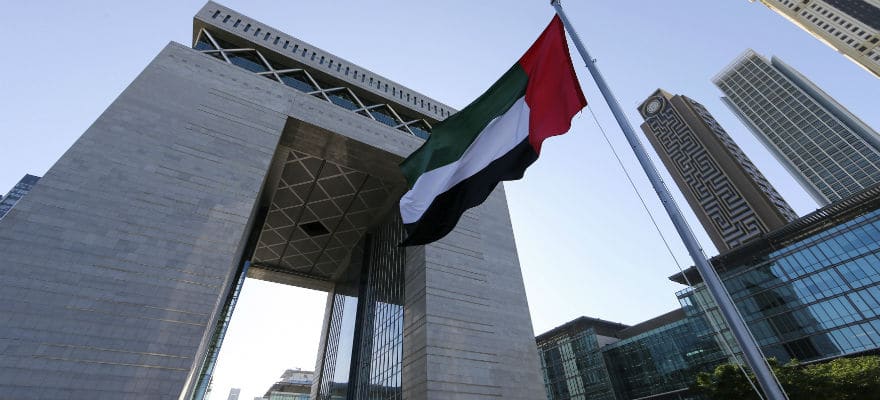
Reuters
Pepperstone has recently secured a license from the Dubai Financial Services Authority (DFSA), which allows the broker to provide its range of FX and CFDs products to retail and professional clients not only from the UAE, but also to expand the offering to the other GCC states.
Finance Magnates spoke with Tarik Chebib, Head of Middle East at Pepperstone, who explained the company’s methodology surrounding operating in the Middle Eastern business environment.
Could you please detail your professional background and what has led you to join Pepperstone?
After a couple of years on the dealing floor at IG in London servicing clients from around the world with a focus on Germany, I came to Dubai to help set up IG’s operation in 2015 where I was tasked to build out the Arabic trading desk and acquire business by looking after HNWI and the institutional business. I’ve always enjoyed sharing my knowledge with others in the region. It came naturally to me to lead seminars, live trading events and bespoke workshops for high net worth individuals.
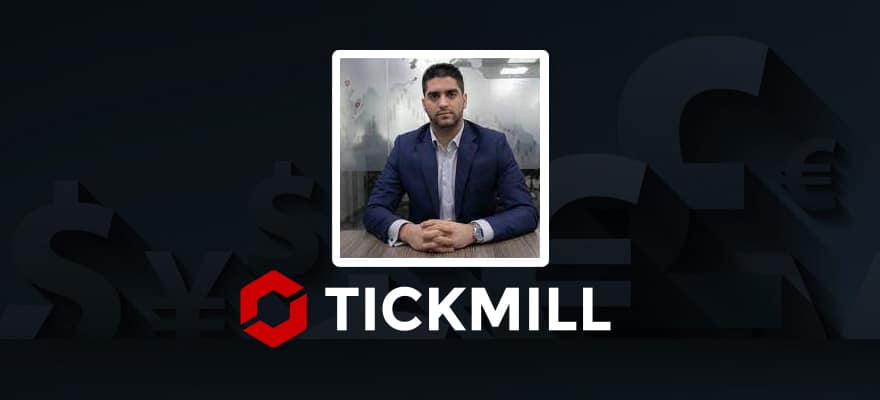
Tarik Chebib, Head of Middle East at Pepperstone
Why did you decide to expand to the UAE? Are there are any particular business or market advantages in the region that benefit Pepperstone in any way? And why now?
We’ve looked at expanding our footprint in the Middle East for several years and the DIFC having been ranked 8th best financial centre in the world was a natural selection. The regulatory framework has continued to evolve and will allow us to offer our services to clients who appreciate the increased protection from a well respected regulatory authority - the DFSA.
For us as a business, the time of opening our doors in 2020 in the UAE makes perfect sense as we’re entering a period of growth. The initiatives taken by the DIFC, Dubai and the UAE more broadly to help, stabilize and prepare the country for a post Covid-19 world give us further trust in being at the right place.
DFSA has very strict guidelines in place for obtaining a forex license, could you please detail the approval process in Dubai, and does it entail significant cost requirements?
We’re applying for a number of licenses around the world. Our experience with the DFSA has been outstanding from the start. The regulator is quick to respond and proactive in helping applicants with their pursuits. The application process entails a deep dive by the regulator just as you would expect in other jurisdictions. The DFSA attempts to turn around a fully submitted application for obtaining a CAT 4 license in four months time. The cost for the license is only a small part of setting up the business in the UAE. Other costs such as marketing, staff and office space are more significant and should be researched in depth before pursuing a license here.
Are these licenses sufficient for Pepperstone to provide and market its full suite to traders in the region?
Our license will allow us to market our products to traders in the UAE. This license permits us to offer the range of products that we desire and most importantly at the right conditions, that regulate the market in a way that makes clients safety the paramount priority.
What kind of clients will you be targeting in the UAE?
We’re looking for clients who are interested in trading on the price fluctuations in Forex, Commodities, Indices or Shares. To be more specific, Pepperstone clients around the world make up an eclectic mix of people. Profiles cover a wide spectrum. From sophisticated traders running automated algorithms strategies, to business owners looking to diversify their investment portfolio. You may have a strong view on just one product such as Gold or Oil and are looking for a fintech which can help you get access to these markets. You could be working as an employee in a specific industry such as Media who understands how Facebook, Google or Amazon work and therefore want to take advantage of your knowledge by buying CFD shares in these companies.
Pepperstone is no doubt a global brand. Still, competition in the MENA is quite intense as many global brokers already operate there. How will the company differentiate itself in this market?
Instead of hiding behind a big corporation that throws a lot of money at marketing hoping to have people find them, we attempt at adding value to our potential customers as early as possible. This means making time for discussions with people who may not intend to open an account. To be more specific, I’ll lead the charge of speaking to people interested in the financial markets by making myself available for a few hours a week. People in MENA are thirsty for knowledge and we want to contribute to better decision making. Our education strategy covers everything from beginner to advanced traders with weekly seminars to invite only events.
In addition to education, to be successful in Dubai and the wider region, we need to build trust with clients by providing world class trade execution, pricing and customer service.
Do you have further plans to eventually expand to other Arab countries like Saudi Arabia, for example?
At this moment in time we don’t have any plans to expand to other jurisdictions in the Middle East but we’re constantly reviewing the regulatory landscape and may change our position in the future.
Pepperstone has recently secured a license from the Dubai Financial Services Authority (DFSA), which allows the broker to provide its range of FX and CFDs products to retail and professional clients not only from the UAE, but also to expand the offering to the other GCC states.
Finance Magnates spoke with Tarik Chebib, Head of Middle East at Pepperstone, who explained the company’s methodology surrounding operating in the Middle Eastern business environment.
Could you please detail your professional background and what has led you to join Pepperstone?
After a couple of years on the dealing floor at IG in London servicing clients from around the world with a focus on Germany, I came to Dubai to help set up IG’s operation in 2015 where I was tasked to build out the Arabic trading desk and acquire business by looking after HNWI and the institutional business. I’ve always enjoyed sharing my knowledge with others in the region. It came naturally to me to lead seminars, live trading events and bespoke workshops for high net worth individuals.
Tarik Chebib, Head of Middle East at Pepperstone
Why did you decide to expand to the UAE? Are there are any particular business or market advantages in the region that benefit Pepperstone in any way? And why now?
We’ve looked at expanding our footprint in the Middle East for several years and the DIFC having been ranked 8th best financial centre in the world was a natural selection. The regulatory framework has continued to evolve and will allow us to offer our services to clients who appreciate the increased protection from a well respected regulatory authority - the DFSA.
For us as a business, the time of opening our doors in 2020 in the UAE makes perfect sense as we’re entering a period of growth. The initiatives taken by the DIFC, Dubai and the UAE more broadly to help, stabilize and prepare the country for a post Covid-19 world give us further trust in being at the right place.
DFSA has very strict guidelines in place for obtaining a forex license, could you please detail the approval process in Dubai, and does it entail significant cost requirements?
We’re applying for a number of licenses around the world. Our experience with the DFSA has been outstanding from the start. The regulator is quick to respond and proactive in helping applicants with their pursuits. The application process entails a deep dive by the regulator just as you would expect in other jurisdictions. The DFSA attempts to turn around a fully submitted application for obtaining a CAT 4 license in four months time. The cost for the license is only a small part of setting up the business in the UAE. Other costs such as marketing, staff and office space are more significant and should be researched in depth before pursuing a license here.
Are these licenses sufficient for Pepperstone to provide and market its full suite to traders in the region?
Our license will allow us to market our products to traders in the UAE. This license permits us to offer the range of products that we desire and most importantly at the right conditions, that regulate the market in a way that makes clients safety the paramount priority.
What kind of clients will you be targeting in the UAE?
We’re looking for clients who are interested in trading on the price fluctuations in Forex, Commodities, Indices or Shares. To be more specific, Pepperstone clients around the world make up an eclectic mix of people. Profiles cover a wide spectrum. From sophisticated traders running automated algorithms strategies, to business owners looking to diversify their investment portfolio. You may have a strong view on just one product such as Gold or Oil and are looking for a fintech which can help you get access to these markets. You could be working as an employee in a specific industry such as Media who understands how Facebook, Google or Amazon work and therefore want to take advantage of your knowledge by buying CFD shares in these companies.
Pepperstone is no doubt a global brand. Still, competition in the MENA is quite intense as many global brokers already operate there. How will the company differentiate itself in this market?
Instead of hiding behind a big corporation that throws a lot of money at marketing hoping to have people find them, we attempt at adding value to our potential customers as early as possible. This means making time for discussions with people who may not intend to open an account. To be more specific, I’ll lead the charge of speaking to people interested in the financial markets by making myself available for a few hours a week. People in MENA are thirsty for knowledge and we want to contribute to better decision making. Our education strategy covers everything from beginner to advanced traders with weekly seminars to invite only events.
In addition to education, to be successful in Dubai and the wider region, we need to build trust with clients by providing world class trade execution, pricing and customer service.
Do you have further plans to eventually expand to other Arab countries like Saudi Arabia, for example?
At this moment in time we don’t have any plans to expand to other jurisdictions in the Middle East but we’re constantly reviewing the regulatory landscape and may change our position in the future.
Former Finalto Trading CEO Andrew Biggs Joins IG to Lead Trading Operations
Featured Videos
FP Markets Winner Spotlight 🏆 | Global Broker of the Year 2025 #Trading #Broker #Innovation #Shorts
FP Markets Winner Spotlight 🏆 | Global Broker of the Year 2025 #Trading #Broker #Innovation #Shorts
FP Markets Winner Spotlight 🏆 | Global Broker of the Year 2025 #Trading #Broker #Innovation #Shorts
FP Markets Winner Spotlight 🏆 | Global Broker of the Year 2025 #Trading #Broker #Innovation #Shorts
FP Markets takes the spotlight as Global Broker of the Year 2025 at the Finance Magnates Awards.
Martin Stoilov, Head of Client Experience, shares that trust, innovation, and people played a key role in the company’s success, supported by a strong foundation of integrity and client-centricity.
Following this milestone, FP Markets continues to focus on growth, technology investment, and its core values of transparency and excellence.
👉 Be part of FM Awards 2026: https://awards.financemagnates.com/#nominate
FP Markets takes the spotlight as Global Broker of the Year 2025 at the Finance Magnates Awards.
Martin Stoilov, Head of Client Experience, shares that trust, innovation, and people played a key role in the company’s success, supported by a strong foundation of integrity and client-centricity.
Following this milestone, FP Markets continues to focus on growth, technology investment, and its core values of transparency and excellence.
👉 Be part of FM Awards 2026: https://awards.financemagnates.com/#nominate
FP Markets takes the spotlight as Global Broker of the Year 2025 at the Finance Magnates Awards.
Martin Stoilov, Head of Client Experience, shares that trust, innovation, and people played a key role in the company’s success, supported by a strong foundation of integrity and client-centricity.
Following this milestone, FP Markets continues to focus on growth, technology investment, and its core values of transparency and excellence.
👉 Be part of FM Awards 2026: https://awards.financemagnates.com/#nominate
FP Markets takes the spotlight as Global Broker of the Year 2025 at the Finance Magnates Awards.
Martin Stoilov, Head of Client Experience, shares that trust, innovation, and people played a key role in the company’s success, supported by a strong foundation of integrity and client-centricity.
Following this milestone, FP Markets continues to focus on growth, technology investment, and its core values of transparency and excellence.
👉 Be part of FM Awards 2026: https://awards.financemagnates.com/#nominate
In this video, we review @HolaPrimeMarketsOfficial, a multi-asset forex and CFDs broker offering different account types, trading platforms, and flexible trading conditions.
We cover the broker’s overall offering, including account options, trading environment, platforms like MT4 and MT5, and additional services such as managed accounts and fast withdrawals.
Watch the full video to see if Hola Prime Markets fits your trading needs.
📣 Stay up to date with the latest in finance and trading. Follow Finance Magnates for industry news, insights, and global event coverage.
Connect with us:
🔗 LinkedIn: /financemagnates
👍 Facebook: /financemagnates
📸 Instagram: https://www.instagram.com/financemagnates
🐦 X: https://x.com/financemagnates
🎥 TikTok: https://www.tiktok.com/tag/financemagnates
▶️ YouTube: /@financemagnates_official
#HolaPrime #ForexBroker #CFDTrading #FinanceMagnates #Trading #Forex #BrokerReview
In this video, we review @HolaPrimeMarketsOfficial, a multi-asset forex and CFDs broker offering different account types, trading platforms, and flexible trading conditions.
We cover the broker’s overall offering, including account options, trading environment, platforms like MT4 and MT5, and additional services such as managed accounts and fast withdrawals.
Watch the full video to see if Hola Prime Markets fits your trading needs.
📣 Stay up to date with the latest in finance and trading. Follow Finance Magnates for industry news, insights, and global event coverage.
Connect with us:
🔗 LinkedIn: /financemagnates
👍 Facebook: /financemagnates
📸 Instagram: https://www.instagram.com/financemagnates
🐦 X: https://x.com/financemagnates
🎥 TikTok: https://www.tiktok.com/tag/financemagnates
▶️ YouTube: /@financemagnates_official
#HolaPrime #ForexBroker #CFDTrading #FinanceMagnates #Trading #Forex #BrokerReview
In this video, we review @HolaPrimeMarketsOfficial, a multi-asset forex and CFDs broker offering different account types, trading platforms, and flexible trading conditions.
We cover the broker’s overall offering, including account options, trading environment, platforms like MT4 and MT5, and additional services such as managed accounts and fast withdrawals.
Watch the full video to see if Hola Prime Markets fits your trading needs.
📣 Stay up to date with the latest in finance and trading. Follow Finance Magnates for industry news, insights, and global event coverage.
Connect with us:
🔗 LinkedIn: /financemagnates
👍 Facebook: /financemagnates
📸 Instagram: https://www.instagram.com/financemagnates
🐦 X: https://x.com/financemagnates
🎥 TikTok: https://www.tiktok.com/tag/financemagnates
▶️ YouTube: /@financemagnates_official
#HolaPrime #ForexBroker #CFDTrading #FinanceMagnates #Trading #Forex #BrokerReview
In this video, we review @HolaPrimeMarketsOfficial, a multi-asset forex and CFDs broker offering different account types, trading platforms, and flexible trading conditions.
We cover the broker’s overall offering, including account options, trading environment, platforms like MT4 and MT5, and additional services such as managed accounts and fast withdrawals.
Watch the full video to see if Hola Prime Markets fits your trading needs.
📣 Stay up to date with the latest in finance and trading. Follow Finance Magnates for industry news, insights, and global event coverage.
Connect with us:
🔗 LinkedIn: /financemagnates
👍 Facebook: /financemagnates
📸 Instagram: https://www.instagram.com/financemagnates
🐦 X: https://x.com/financemagnates
🎥 TikTok: https://www.tiktok.com/tag/financemagnates
▶️ YouTube: /@financemagnates_official
#HolaPrime #ForexBroker #CFDTrading #FinanceMagnates #Trading #Forex #BrokerReview
In this video, we review @HolaPrimeMarketsOfficial, a multi-asset forex and CFDs broker offering different account types, trading platforms, and flexible trading conditions.
We cover the broker’s overall offering, including account options, trading environment, platforms like MT4 and MT5, and additional services such as managed accounts and fast withdrawals.
Watch the full video to see if Hola Prime Markets fits your trading needs.
📣 Stay up to date with the latest in finance and trading. Follow Finance Magnates for industry news, insights, and global event coverage.
Connect with us:
🔗 LinkedIn: /financemagnates
👍 Facebook: /financemagnates
📸 Instagram: https://www.instagram.com/financemagnates
🐦 X: https://x.com/financemagnates
🎥 TikTok: https://www.tiktok.com/tag/financemagnates
▶️ YouTube: /@financemagnates_official
#HolaPrime #ForexBroker #CFDTrading #FinanceMagnates #Trading #Forex #BrokerReview
In this video, we review @HolaPrimeMarketsOfficial, a multi-asset forex and CFDs broker offering different account types, trading platforms, and flexible trading conditions.
We cover the broker’s overall offering, including account options, trading environment, platforms like MT4 and MT5, and additional services such as managed accounts and fast withdrawals.
Watch the full video to see if Hola Prime Markets fits your trading needs.
📣 Stay up to date with the latest in finance and trading. Follow Finance Magnates for industry news, insights, and global event coverage.
Connect with us:
🔗 LinkedIn: /financemagnates
👍 Facebook: /financemagnates
📸 Instagram: https://www.instagram.com/financemagnates
🐦 X: https://x.com/financemagnates
🎥 TikTok: https://www.tiktok.com/tag/financemagnates
▶️ YouTube: /@financemagnates_official
#HolaPrime #ForexBroker #CFDTrading #FinanceMagnates #Trading #Forex #BrokerReview
Hola Prime Review: What You Need to Know | Full Breakdown by Finance Magnates
Hola Prime Review: What You Need to Know | Full Breakdown by Finance Magnates
Hola Prime Review: What You Need to Know | Full Breakdown by Finance Magnates
Hola Prime Review: What You Need to Know | Full Breakdown by Finance Magnates
Hola Prime Review: What You Need to Know | Full Breakdown by Finance Magnates
Hola Prime Review: What You Need to Know | Full Breakdown by Finance Magnates
In this video, we review @HolaPrime_Global, a proprietary trading firm offering evaluation programs and performance-based payouts in simulated market environments.
We cover how the challenge model works, including account types, profit splits (up to 95%), trading rules, and what it takes to reach a funded account. You’ll also learn about available platforms like MT4, MT5, cTrader, and more, along with insights into payouts, support, and trading conditions.
Watch the full video to see if Hola Prime fits your trading style.
📣 Stay up to date with the latest in finance and trading. Follow Finance Magnates for industry news, insights, and global event coverage.
Connect with us:
🔗 LinkedIn: /financemagnates
👍 Facebook: /financemagnates
📸 Instagram: https://www.instagram.com/financemagnates
🐦 X: https://x.com/financemagnates
🎥 TikTok: https://www.tiktok.com/tag/financemagnates
▶️ YouTube: /@financemagnates_official
#HolaPrime #PropFirm #Trading #FinanceMagnates #Forex #FuturesTrading #TradingReview #PropFirmReview
In this video, we review @HolaPrime_Global, a proprietary trading firm offering evaluation programs and performance-based payouts in simulated market environments.
We cover how the challenge model works, including account types, profit splits (up to 95%), trading rules, and what it takes to reach a funded account. You’ll also learn about available platforms like MT4, MT5, cTrader, and more, along with insights into payouts, support, and trading conditions.
Watch the full video to see if Hola Prime fits your trading style.
📣 Stay up to date with the latest in finance and trading. Follow Finance Magnates for industry news, insights, and global event coverage.
Connect with us:
🔗 LinkedIn: /financemagnates
👍 Facebook: /financemagnates
📸 Instagram: https://www.instagram.com/financemagnates
🐦 X: https://x.com/financemagnates
🎥 TikTok: https://www.tiktok.com/tag/financemagnates
▶️ YouTube: /@financemagnates_official
#HolaPrime #PropFirm #Trading #FinanceMagnates #Forex #FuturesTrading #TradingReview #PropFirmReview
In this video, we review @HolaPrime_Global, a proprietary trading firm offering evaluation programs and performance-based payouts in simulated market environments.
We cover how the challenge model works, including account types, profit splits (up to 95%), trading rules, and what it takes to reach a funded account. You’ll also learn about available platforms like MT4, MT5, cTrader, and more, along with insights into payouts, support, and trading conditions.
Watch the full video to see if Hola Prime fits your trading style.
📣 Stay up to date with the latest in finance and trading. Follow Finance Magnates for industry news, insights, and global event coverage.
Connect with us:
🔗 LinkedIn: /financemagnates
👍 Facebook: /financemagnates
📸 Instagram: https://www.instagram.com/financemagnates
🐦 X: https://x.com/financemagnates
🎥 TikTok: https://www.tiktok.com/tag/financemagnates
▶️ YouTube: /@financemagnates_official
#HolaPrime #PropFirm #Trading #FinanceMagnates #Forex #FuturesTrading #TradingReview #PropFirmReview
In this video, we review @HolaPrime_Global, a proprietary trading firm offering evaluation programs and performance-based payouts in simulated market environments.
We cover how the challenge model works, including account types, profit splits (up to 95%), trading rules, and what it takes to reach a funded account. You’ll also learn about available platforms like MT4, MT5, cTrader, and more, along with insights into payouts, support, and trading conditions.
Watch the full video to see if Hola Prime fits your trading style.
📣 Stay up to date with the latest in finance and trading. Follow Finance Magnates for industry news, insights, and global event coverage.
Connect with us:
🔗 LinkedIn: /financemagnates
👍 Facebook: /financemagnates
📸 Instagram: https://www.instagram.com/financemagnates
🐦 X: https://x.com/financemagnates
🎥 TikTok: https://www.tiktok.com/tag/financemagnates
▶️ YouTube: /@financemagnates_official
#HolaPrime #PropFirm #Trading #FinanceMagnates #Forex #FuturesTrading #TradingReview #PropFirmReview
In this video, we review @HolaPrime_Global, a proprietary trading firm offering evaluation programs and performance-based payouts in simulated market environments.
We cover how the challenge model works, including account types, profit splits (up to 95%), trading rules, and what it takes to reach a funded account. You’ll also learn about available platforms like MT4, MT5, cTrader, and more, along with insights into payouts, support, and trading conditions.
Watch the full video to see if Hola Prime fits your trading style.
📣 Stay up to date with the latest in finance and trading. Follow Finance Magnates for industry news, insights, and global event coverage.
Connect with us:
🔗 LinkedIn: /financemagnates
👍 Facebook: /financemagnates
📸 Instagram: https://www.instagram.com/financemagnates
🐦 X: https://x.com/financemagnates
🎥 TikTok: https://www.tiktok.com/tag/financemagnates
▶️ YouTube: /@financemagnates_official
#HolaPrime #PropFirm #Trading #FinanceMagnates #Forex #FuturesTrading #TradingReview #PropFirmReview
In this video, we review @HolaPrime_Global, a proprietary trading firm offering evaluation programs and performance-based payouts in simulated market environments.
We cover how the challenge model works, including account types, profit splits (up to 95%), trading rules, and what it takes to reach a funded account. You’ll also learn about available platforms like MT4, MT5, cTrader, and more, along with insights into payouts, support, and trading conditions.
Watch the full video to see if Hola Prime fits your trading style.
📣 Stay up to date with the latest in finance and trading. Follow Finance Magnates for industry news, insights, and global event coverage.
Connect with us:
🔗 LinkedIn: /financemagnates
👍 Facebook: /financemagnates
📸 Instagram: https://www.instagram.com/financemagnates
🐦 X: https://x.com/financemagnates
🎥 TikTok: https://www.tiktok.com/tag/financemagnates
▶️ YouTube: /@financemagnates_official
#HolaPrime #PropFirm #Trading #FinanceMagnates #Forex #FuturesTrading #TradingReview #PropFirmReview
Axi Winner Spotlight 🏆 | Global Most Innovative Broker 2025 #Innovation #Trading #Fintech #Broker
Axi Winner Spotlight 🏆 | Global Most Innovative Broker 2025 #Innovation #Trading #Fintech #Broker
Axi Winner Spotlight 🏆 | Global Most Innovative Broker 2025 #Innovation #Trading #Fintech #Broker
Axi Winner Spotlight 🏆 | Global Most Innovative Broker 2025 #Innovation #Trading #Fintech #Broker
Axi Winner Spotlight 🏆 | Global Most Innovative Broker 2025 #Innovation #Trading #Fintech #Broker
Axi Winner Spotlight 🏆 | Global Most Innovative Broker 2025 #Innovation #Trading #Fintech #Broker
Axi takes the spotlight at the Finance Magnates Awards, winning Global Most Innovative Broker 2025.
Olivia Xenofontos and Ivanna Openko share how the team will feel: proud, motivated, and ready to keep delivering.
They also describe the night as well-organized, focused, and enjoyable for all.
👉 Be part of FM Awards 2026.
Axi takes the spotlight at the Finance Magnates Awards, winning Global Most Innovative Broker 2025.
Olivia Xenofontos and Ivanna Openko share how the team will feel: proud, motivated, and ready to keep delivering.
They also describe the night as well-organized, focused, and enjoyable for all.
👉 Be part of FM Awards 2026.
Axi takes the spotlight at the Finance Magnates Awards, winning Global Most Innovative Broker 2025.
Olivia Xenofontos and Ivanna Openko share how the team will feel: proud, motivated, and ready to keep delivering.
They also describe the night as well-organized, focused, and enjoyable for all.
👉 Be part of FM Awards 2026.
Axi takes the spotlight at the Finance Magnates Awards, winning Global Most Innovative Broker 2025.
Olivia Xenofontos and Ivanna Openko share how the team will feel: proud, motivated, and ready to keep delivering.
They also describe the night as well-organized, focused, and enjoyable for all.
👉 Be part of FM Awards 2026.
Axi takes the spotlight at the Finance Magnates Awards, winning Global Most Innovative Broker 2025.
Olivia Xenofontos and Ivanna Openko share how the team will feel: proud, motivated, and ready to keep delivering.
They also describe the night as well-organized, focused, and enjoyable for all.
👉 Be part of FM Awards 2026.
Axi takes the spotlight at the Finance Magnates Awards, winning Global Most Innovative Broker 2025.
Olivia Xenofontos and Ivanna Openko share how the team will feel: proud, motivated, and ready to keep delivering.
They also describe the night as well-organized, focused, and enjoyable for all.
👉 Be part of FM Awards 2026.
Recognition that matters.
Built on transparency.
Driven by the industry.
The Finance Magnates Awards 2026.
Nominations are now open.
🔗 https://awards.financemagnates.com/?utm_source=SM&utm_medium=social&utm_campaign=recognition-matters
Recognition that matters.
Built on transparency.
Driven by the industry.
The Finance Magnates Awards 2026.
Nominations are now open.
🔗 https://awards.financemagnates.com/?utm_source=SM&utm_medium=social&utm_campaign=recognition-matters
Recognition that matters.
Built on transparency.
Driven by the industry.
The Finance Magnates Awards 2026.
Nominations are now open.
🔗 https://awards.financemagnates.com/?utm_source=SM&utm_medium=social&utm_campaign=recognition-matters
Recognition that matters.
Built on transparency.
Driven by the industry.
The Finance Magnates Awards 2026.
Nominations are now open.
🔗 https://awards.financemagnates.com/?utm_source=SM&utm_medium=social&utm_campaign=recognition-matters
Recognition that matters.
Built on transparency.
Driven by the industry.
The Finance Magnates Awards 2026.
Nominations are now open.
🔗 https://awards.financemagnates.com/?utm_source=SM&utm_medium=social&utm_campaign=recognition-matters
Recognition that matters.
Built on transparency.
Driven by the industry.
The Finance Magnates Awards 2026.
Nominations are now open.
🔗 https://awards.financemagnates.com/?utm_source=SM&utm_medium=social&utm_campaign=recognition-matters