>
Phillip Futures' CEO, Lynette Lim, Describes Entrance into the US FX Market
Phillip Futures' CEO, Lynette Lim, Describes Entrance into the US FX Market
Friday,04/07/2014|04:12GMTby
Adil Siddiqui
Forex Magnates spoke to the firm’s CEO to find out the dynamics behind the move that is expected to create shockwaves.
Photo: Bloomberg
Phillip Futures Inc. has recently gained authorization to offer OTC FX – Forex Magnates spoke to the firm’s CEO to find out the dynamics behind the surprise move that is expected to create shockwaves in the dying US retail FX market.
Retail FX trading has been a thing of the past in the world’s largest economy, as regulatory changes post-2009 OTC derivatives reforms were set to bury the once thriving industry. However, adding light to the tunnel is one of Asia’s giants in the world of financial services, Singapore headquartered, Phillip Capital (Phillip), has extended its global footprint across three continents, in a bid to compete on the highest level across the globe. The group established its US entity in 2010 as it marked its way into the competitive exchange-traded arena of futures and options. After firmly setting its feet, the firm has recently reported that it was enhancing its product portfolio to offer margin FX.
Rare Entrant to US Market Post Dodd-Frank
The news comes as a surprise for market participants as only gloom and misery have come out of the US, with broker after broker exiting the market, the financial watchdog punishing FX related fraud and client numbers declining. Phillip USA's move has major significance as it shows that changes deployed on the back of the Dodd-Frank Act have altered the trading landscape, however it shows that despite the new rulings causing a rift there could be possibility of growth and opportunity in the retail FX market.
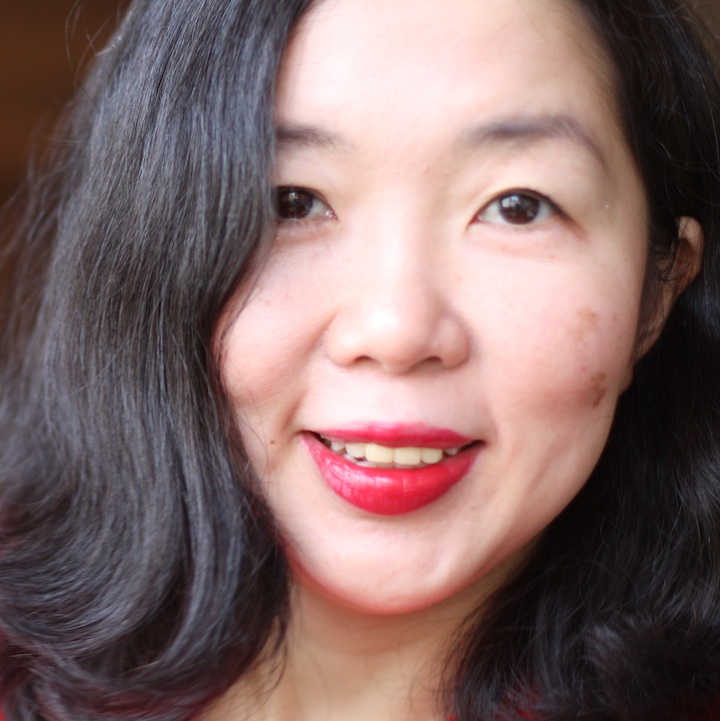
Forex Magnates caught up with Lynette Lim, CEO of Phillip Futures Inc (USA firm), as she describes the firm’s successful four-year journey conquering the US futures market, and now expanding into the liquid spot FX sector.
Ms. Lim joined the firm over two decades ago, in 1995, as an IT Analyst (according to her Linkedin profile), after a span of five years she left Phillip in the year 2000 and joined CyberQuote until 2005, after this she was involved in setting up an e-commerce business, later returning to Phillip as Business Development Director in 2008 and was later promoted to CEO of the firm’s US regulated brokerage in 2010.
Let's start with the golden question, why retail FX in the United States when everyone else has pulled the plug on the region?
The declining number of FDMs in the U.S. Forex markets presents an opportunity for us to gain market share and to build a strong foundation. The heightened capital requirements and strict regulatory requirements are making it harder for companies to do business. Many of the participants have been heavily fined by the regulators and some have been forced out. As Phillip is already an FCM here, there are synergies in infrastructure and client base. To build a long-term sustainable business in the U.S. we believe we must widen our scope of asset classes and offering Forex is a natural progression.
That's understandable, but the US market is one of the most established dating back to the pre-millennial period, how does a new firm, with no history, tackle a fragmented and mature market, what's your strategy, how do you foresee the first 12 months?
We want to build a critical mass of customer accounts, give customers responsive and respectful support, provide a stable and uninterrupted trading experience, and ensure that we maintain our 100% clean record with the regulators. With those fundamentals achieved we will want to expand products offerings (i.e. spot metals) and build innovative trading tools.
It’s interesting that you mention innovative trading tools, in your press release you stated that you will be quoting certain emerging market currency pairs from Asia, why is this, what are you trying to achieve here?
Since exotic currencies are not commonly quoted in the US, we see this as an opportunity to stand out. As of April 2014, there were 11 firms offering retail Forex of which only 5 held futures assets, PFI will be the 6th Forex firm holding futures assets. Furthermore, the PhillipCapital Group has direct clearing memberships with 18 futures exchanges in Asia (26 exchanges globally), so we see ourselves as experts in the Asian markets.
I want to draw your attention to social trading, as per my research, Phillip has not engaged in this practice from any of its offices or subsidiaries, the US retail market is quite mature with initiatives such as, auto, algo and social trading being quite common, how do you foresee this approach?
During the first phase of our launch, we will focus on performance and client support. Hence, we will not be offering social trading at this initial stage. Social trading seems to be a very popular phenomenon, similar to the concept of crowdsourcing. Since there is safety in numbers, I understand the appeal of social trading for customers who are new to trading. However, I am also cautious about the regulatory aspect of social trading, because the person making the trade may not be licensed. In the event of a losing trade, who will the customer blame? As social trading is still in its infancy, I want to gain a better understanding of the market and social trading more before making a commitment on whether or not to offer social trading.
The global FX markets have been gradually slimming down in terms of daily trading volumes, despite the BIS survey showing growth from thee years earlier, major inter-dealer venues have seen volumes drop significantly, participants view the low volatility in the markets as a concern, what is your view of the global Forex market in light of the lower volatility and the decline in volume?
The group has been up and running since the 70’s, you mention longevity as a key component of the firm, please tell us how Phillip Futures USA been performing? What is your view on the company’s performance during such a difficult time in the market?
In the last year, we have grown our customer base and extended our futures service offering to include TTNET and increase our access to more futures markets like TFEX (Thailand) as well as Bursa (Malaysia). We have also begun work to become a self-clearing broker dealer in 2015.
Similar to other competitors in our industry, short-term profitability has taken a hit from a year ago largely due to the collapse of major commodity brokerage firms, such as MF Global and PFG and the low interest rate environment. We foresee further consolidation of the market due to these factors.
Phillip is certainly an interesting brand with an abundance of activity, but what's next for you as a group?
The PhillipCapital mantras are distribution and truly being a partner in finance with customers. Most recently, PhillipCapital expanded into micro financing in Cambodia, purchased a life insurance company in Thailand and expanded brokerage business in numerous ways. Historically PhillipCapital has grown organically and while it will continue to do so we are also on the look out worldwide for new opportunities that are in line with the company mantras.
The US market has seen its fair share of troublesome events when it looks at the vast changes that have affected its once thriving retail FX sector, although the number of traders is still high the sector requires a much needed make lift with the onboarding of Phillip USA. Forex Magnates believes that the US market will start seeing a positive come back over the next 12 months, the good news will come on the back of bullish sentiment in the equity markets, volatility in the global markets and a need to re-enter the highly speculative FX markets allows traders to earn from both rising and falling marks.
Phillip Futures Inc. has recently gained authorization to offer OTC FX – Forex Magnates spoke to the firm’s CEO to find out the dynamics behind the surprise move that is expected to create shockwaves in the dying US retail FX market.
Retail FX trading has been a thing of the past in the world’s largest economy, as regulatory changes post-2009 OTC derivatives reforms were set to bury the once thriving industry. However, adding light to the tunnel is one of Asia’s giants in the world of financial services, Singapore headquartered, Phillip Capital (Phillip), has extended its global footprint across three continents, in a bid to compete on the highest level across the globe. The group established its US entity in 2010 as it marked its way into the competitive exchange-traded arena of futures and options. After firmly setting its feet, the firm has recently reported that it was enhancing its product portfolio to offer margin FX.
Rare Entrant to US Market Post Dodd-Frank
The news comes as a surprise for market participants as only gloom and misery have come out of the US, with broker after broker exiting the market, the financial watchdog punishing FX related fraud and client numbers declining. Phillip USA's move has major significance as it shows that changes deployed on the back of the Dodd-Frank Act have altered the trading landscape, however it shows that despite the new rulings causing a rift there could be possibility of growth and opportunity in the retail FX market.
Forex Magnates caught up with Lynette Lim, CEO of Phillip Futures Inc (USA firm), as she describes the firm’s successful four-year journey conquering the US futures market, and now expanding into the liquid spot FX sector.
Ms. Lim joined the firm over two decades ago, in 1995, as an IT Analyst (according to her Linkedin profile), after a span of five years she left Phillip in the year 2000 and joined CyberQuote until 2005, after this she was involved in setting up an e-commerce business, later returning to Phillip as Business Development Director in 2008 and was later promoted to CEO of the firm’s US regulated brokerage in 2010.
Let's start with the golden question, why retail FX in the United States when everyone else has pulled the plug on the region?
The declining number of FDMs in the U.S. Forex markets presents an opportunity for us to gain market share and to build a strong foundation. The heightened capital requirements and strict regulatory requirements are making it harder for companies to do business. Many of the participants have been heavily fined by the regulators and some have been forced out. As Phillip is already an FCM here, there are synergies in infrastructure and client base. To build a long-term sustainable business in the U.S. we believe we must widen our scope of asset classes and offering Forex is a natural progression.
That's understandable, but the US market is one of the most established dating back to the pre-millennial period, how does a new firm, with no history, tackle a fragmented and mature market, what's your strategy, how do you foresee the first 12 months?
We want to build a critical mass of customer accounts, give customers responsive and respectful support, provide a stable and uninterrupted trading experience, and ensure that we maintain our 100% clean record with the regulators. With those fundamentals achieved we will want to expand products offerings (i.e. spot metals) and build innovative trading tools.
It’s interesting that you mention innovative trading tools, in your press release you stated that you will be quoting certain emerging market currency pairs from Asia, why is this, what are you trying to achieve here?
Since exotic currencies are not commonly quoted in the US, we see this as an opportunity to stand out. As of April 2014, there were 11 firms offering retail Forex of which only 5 held futures assets, PFI will be the 6th Forex firm holding futures assets. Furthermore, the PhillipCapital Group has direct clearing memberships with 18 futures exchanges in Asia (26 exchanges globally), so we see ourselves as experts in the Asian markets.
I want to draw your attention to social trading, as per my research, Phillip has not engaged in this practice from any of its offices or subsidiaries, the US retail market is quite mature with initiatives such as, auto, algo and social trading being quite common, how do you foresee this approach?
During the first phase of our launch, we will focus on performance and client support. Hence, we will not be offering social trading at this initial stage. Social trading seems to be a very popular phenomenon, similar to the concept of crowdsourcing. Since there is safety in numbers, I understand the appeal of social trading for customers who are new to trading. However, I am also cautious about the regulatory aspect of social trading, because the person making the trade may not be licensed. In the event of a losing trade, who will the customer blame? As social trading is still in its infancy, I want to gain a better understanding of the market and social trading more before making a commitment on whether or not to offer social trading.
The global FX markets have been gradually slimming down in terms of daily trading volumes, despite the BIS survey showing growth from thee years earlier, major inter-dealer venues have seen volumes drop significantly, participants view the low volatility in the markets as a concern, what is your view of the global Forex market in light of the lower volatility and the decline in volume?
The group has been up and running since the 70’s, you mention longevity as a key component of the firm, please tell us how Phillip Futures USA been performing? What is your view on the company’s performance during such a difficult time in the market?
In the last year, we have grown our customer base and extended our futures service offering to include TTNET and increase our access to more futures markets like TFEX (Thailand) as well as Bursa (Malaysia). We have also begun work to become a self-clearing broker dealer in 2015.
Similar to other competitors in our industry, short-term profitability has taken a hit from a year ago largely due to the collapse of major commodity brokerage firms, such as MF Global and PFG and the low interest rate environment. We foresee further consolidation of the market due to these factors.
Phillip is certainly an interesting brand with an abundance of activity, but what's next for you as a group?
The PhillipCapital mantras are distribution and truly being a partner in finance with customers. Most recently, PhillipCapital expanded into micro financing in Cambodia, purchased a life insurance company in Thailand and expanded brokerage business in numerous ways. Historically PhillipCapital has grown organically and while it will continue to do so we are also on the look out worldwide for new opportunities that are in line with the company mantras.
The US market has seen its fair share of troublesome events when it looks at the vast changes that have affected its once thriving retail FX sector, although the number of traders is still high the sector requires a much needed make lift with the onboarding of Phillip USA. Forex Magnates believes that the US market will start seeing a positive come back over the next 12 months, the good news will come on the back of bullish sentiment in the equity markets, volatility in the global markets and a need to re-enter the highly speculative FX markets allows traders to earn from both rising and falling marks.
Mitrade Hires Former TD Ameritrade and Capital.com Singapore Chief as Markets Advisor
Featured Videos
AvaTrade to Acquire Most of FXCM; NAGA Raises $8M
AvaTrade to Acquire Most of FXCM; NAGA Raises $8M
AvaTrade to Acquire Most of FXCM; NAGA Raises $8M
AvaTrade to Acquire Most of FXCM; NAGA Raises $8M
Today’s financial news recap covers AvaTrade agrees to acquire most of FXCM, NAGA secures eight million dollars in new financing, and Wise seeks a tax settlement in the UK.
Finance Magnates Daily Recap brings you the latest news from forex and CFD brokers, fintech, payments, cryptocurrency, digital assets, trading platforms, financial regulation and global markets.
Get the key company news, executive moves, deals, regulatory updates and market developments of the day, in just a few minutes. New episodes published every weekday.
Read more: https://www.financemagnates.com
#FinanceMagnates #ForexNews #FintechNews
Today’s financial news recap covers AvaTrade agrees to acquire most of FXCM, NAGA secures eight million dollars in new financing, and Wise seeks a tax settlement in the UK.
Finance Magnates Daily Recap brings you the latest news from forex and CFD brokers, fintech, payments, cryptocurrency, digital assets, trading platforms, financial regulation and global markets.
Get the key company news, executive moves, deals, regulatory updates and market developments of the day, in just a few minutes. New episodes published every weekday.
Read more: https://www.financemagnates.com
#FinanceMagnates #ForexNews #FintechNews
Today’s financial news recap covers AvaTrade agrees to acquire most of FXCM, NAGA secures eight million dollars in new financing, and Wise seeks a tax settlement in the UK.
Finance Magnates Daily Recap brings you the latest news from forex and CFD brokers, fintech, payments, cryptocurrency, digital assets, trading platforms, financial regulation and global markets.
Get the key company news, executive moves, deals, regulatory updates and market developments of the day, in just a few minutes. New episodes published every weekday.
Read more: https://www.financemagnates.com
#FinanceMagnates #ForexNews #FintechNews
Today’s financial news recap covers AvaTrade agrees to acquire most of FXCM, NAGA secures eight million dollars in new financing, and Wise seeks a tax settlement in the UK.
Finance Magnates Daily Recap brings you the latest news from forex and CFD brokers, fintech, payments, cryptocurrency, digital assets, trading platforms, financial regulation and global markets.
Get the key company news, executive moves, deals, regulatory updates and market developments of the day, in just a few minutes. New episodes published every weekday.
Read more: https://www.financemagnates.com
#FinanceMagnates #ForexNews #FintechNews
XTB Adds Overnight US Stock Trading; Nasdaq Ventures Invests in One Trading
XTB Adds Overnight US Stock Trading; Nasdaq Ventures Invests in One Trading
XTB Adds Overnight US Stock Trading; Nasdaq Ventures Invests in One Trading
XTB Adds Overnight US Stock Trading; Nasdaq Ventures Invests in One Trading
XTB Adds Overnight US Stock Trading; Nasdaq Ventures Invests in One Trading
XTB Adds Overnight US Stock Trading; Nasdaq Ventures Invests in One Trading
Today’s financial news recap covers XTB expands overnight US stock trading, Fortrade reports higher revenue, Nasdaq backs One Trading, and Vest Labs raises 13 million dollars.
Finance Magnates Daily Recap brings you the latest news from forex and CFD brokers, fintech, payments, cryptocurrency, digital assets, trading platforms, financial regulation and global markets.
Get the key company news, executive moves, deals, regulatory updates and market developments of the day, in just a few minutes. New episodes published every weekday.
Read more: https://www.financemagnates.com
#FinanceMagnates #ForexNews #FintechNews
Today’s financial news recap covers XTB expands overnight US stock trading, Fortrade reports higher revenue, Nasdaq backs One Trading, and Vest Labs raises 13 million dollars.
Finance Magnates Daily Recap brings you the latest news from forex and CFD brokers, fintech, payments, cryptocurrency, digital assets, trading platforms, financial regulation and global markets.
Get the key company news, executive moves, deals, regulatory updates and market developments of the day, in just a few minutes. New episodes published every weekday.
Read more: https://www.financemagnates.com
#FinanceMagnates #ForexNews #FintechNews
Today’s financial news recap covers XTB expands overnight US stock trading, Fortrade reports higher revenue, Nasdaq backs One Trading, and Vest Labs raises 13 million dollars.
Finance Magnates Daily Recap brings you the latest news from forex and CFD brokers, fintech, payments, cryptocurrency, digital assets, trading platforms, financial regulation and global markets.
Get the key company news, executive moves, deals, regulatory updates and market developments of the day, in just a few minutes. New episodes published every weekday.
Read more: https://www.financemagnates.com
#FinanceMagnates #ForexNews #FintechNews
Today’s financial news recap covers XTB expands overnight US stock trading, Fortrade reports higher revenue, Nasdaq backs One Trading, and Vest Labs raises 13 million dollars.
Finance Magnates Daily Recap brings you the latest news from forex and CFD brokers, fintech, payments, cryptocurrency, digital assets, trading platforms, financial regulation and global markets.
Get the key company news, executive moves, deals, regulatory updates and market developments of the day, in just a few minutes. New episodes published every weekday.
Read more: https://www.financemagnates.com
#FinanceMagnates #ForexNews #FintechNews
Today’s financial news recap covers XTB expands overnight US stock trading, Fortrade reports higher revenue, Nasdaq backs One Trading, and Vest Labs raises 13 million dollars.
Finance Magnates Daily Recap brings you the latest news from forex and CFD brokers, fintech, payments, cryptocurrency, digital assets, trading platforms, financial regulation and global markets.
Get the key company news, executive moves, deals, regulatory updates and market developments of the day, in just a few minutes. New episodes published every weekday.
Read more: https://www.financemagnates.com
#FinanceMagnates #ForexNews #FintechNews
Today’s financial news recap covers XTB expands overnight US stock trading, Fortrade reports higher revenue, Nasdaq backs One Trading, and Vest Labs raises 13 million dollars.
Finance Magnates Daily Recap brings you the latest news from forex and CFD brokers, fintech, payments, cryptocurrency, digital assets, trading platforms, financial regulation and global markets.
Get the key company news, executive moves, deals, regulatory updates and market developments of the day, in just a few minutes. New episodes published every weekday.
Read more: https://www.financemagnates.com
#FinanceMagnates #ForexNews #FintechNews
CMC Founder Downplays Volatility Hit; Devexperts Names CEO
CMC Founder Downplays Volatility Hit; Devexperts Names CEO
CMC Founder Downplays Volatility Hit; Devexperts Names CEO
CMC Founder Downplays Volatility Hit; Devexperts Names CEO
CMC Founder Downplays Volatility Hit; Devexperts Names CEO
CMC Founder Downplays Volatility Hit; Devexperts Names CEO
Today’s financial news recap covers low volatility pressures brokers, Devexperts names a new CEO, Saxo cuts onboarding time, and OKX reaches a 25 billion dollar valuation.
Finance Magnates Daily Recap brings you the latest news from forex and CFD brokers, fintech, payments, cryptocurrency, digital assets, trading platforms, financial regulation and global markets.
Get the key company news, executive moves, deals, regulatory updates and market developments of the day, in just a few minutes. New episodes published every weekday.
Read more: https://www.financemagnates.com
#FinanceMagnates #ForexNews #FintechNews
Today’s financial news recap covers low volatility pressures brokers, Devexperts names a new CEO, Saxo cuts onboarding time, and OKX reaches a 25 billion dollar valuation.
Finance Magnates Daily Recap brings you the latest news from forex and CFD brokers, fintech, payments, cryptocurrency, digital assets, trading platforms, financial regulation and global markets.
Get the key company news, executive moves, deals, regulatory updates and market developments of the day, in just a few minutes. New episodes published every weekday.
Read more: https://www.financemagnates.com
#FinanceMagnates #ForexNews #FintechNews
Today’s financial news recap covers low volatility pressures brokers, Devexperts names a new CEO, Saxo cuts onboarding time, and OKX reaches a 25 billion dollar valuation.
Finance Magnates Daily Recap brings you the latest news from forex and CFD brokers, fintech, payments, cryptocurrency, digital assets, trading platforms, financial regulation and global markets.
Get the key company news, executive moves, deals, regulatory updates and market developments of the day, in just a few minutes. New episodes published every weekday.
Read more: https://www.financemagnates.com
#FinanceMagnates #ForexNews #FintechNews
Today’s financial news recap covers low volatility pressures brokers, Devexperts names a new CEO, Saxo cuts onboarding time, and OKX reaches a 25 billion dollar valuation.
Finance Magnates Daily Recap brings you the latest news from forex and CFD brokers, fintech, payments, cryptocurrency, digital assets, trading platforms, financial regulation and global markets.
Get the key company news, executive moves, deals, regulatory updates and market developments of the day, in just a few minutes. New episodes published every weekday.
Read more: https://www.financemagnates.com
#FinanceMagnates #ForexNews #FintechNews
Today’s financial news recap covers low volatility pressures brokers, Devexperts names a new CEO, Saxo cuts onboarding time, and OKX reaches a 25 billion dollar valuation.
Finance Magnates Daily Recap brings you the latest news from forex and CFD brokers, fintech, payments, cryptocurrency, digital assets, trading platforms, financial regulation and global markets.
Get the key company news, executive moves, deals, regulatory updates and market developments of the day, in just a few minutes. New episodes published every weekday.
Read more: https://www.financemagnates.com
#FinanceMagnates #ForexNews #FintechNews
Today’s financial news recap covers low volatility pressures brokers, Devexperts names a new CEO, Saxo cuts onboarding time, and OKX reaches a 25 billion dollar valuation.
Finance Magnates Daily Recap brings you the latest news from forex and CFD brokers, fintech, payments, cryptocurrency, digital assets, trading platforms, financial regulation and global markets.
Get the key company news, executive moves, deals, regulatory updates and market developments of the day, in just a few minutes. New episodes published every weekday.
Read more: https://www.financemagnates.com
#FinanceMagnates #ForexNews #FintechNews
Today’s financial news recap covers Trade Nation buys FXCM's UK client book, Trading 212 reports higher revenue, the CFTC's move to allow perpetual index futures.
Finance Magnates Daily Recap brings you the latest news from forex and CFD brokers, fintech, payments, cryptocurrency, digital assets, trading platforms, financial regulation and global markets.
Get the key company news, executive moves, deals, regulatory updates and market developments of the day, in just a few minutes. New episodes published every weekday.
Read more: https://www.financemagnates.com
#FinanceMagnates #ForexNews #FintechNews
Today’s financial news recap covers Trade Nation buys FXCM's UK client book, Trading 212 reports higher revenue, the CFTC's move to allow perpetual index futures.
Finance Magnates Daily Recap brings you the latest news from forex and CFD brokers, fintech, payments, cryptocurrency, digital assets, trading platforms, financial regulation and global markets.
Get the key company news, executive moves, deals, regulatory updates and market developments of the day, in just a few minutes. New episodes published every weekday.
Read more: https://www.financemagnates.com
#FinanceMagnates #ForexNews #FintechNews
Today’s financial news recap covers Trade Nation buys FXCM's UK client book, Trading 212 reports higher revenue, the CFTC's move to allow perpetual index futures.
Finance Magnates Daily Recap brings you the latest news from forex and CFD brokers, fintech, payments, cryptocurrency, digital assets, trading platforms, financial regulation and global markets.
Get the key company news, executive moves, deals, regulatory updates and market developments of the day, in just a few minutes. New episodes published every weekday.
Read more: https://www.financemagnates.com
#FinanceMagnates #ForexNews #FintechNews
Today’s financial news recap covers Trade Nation buys FXCM's UK client book, Trading 212 reports higher revenue, the CFTC's move to allow perpetual index futures.
Finance Magnates Daily Recap brings you the latest news from forex and CFD brokers, fintech, payments, cryptocurrency, digital assets, trading platforms, financial regulation and global markets.
Get the key company news, executive moves, deals, regulatory updates and market developments of the day, in just a few minutes. New episodes published every weekday.
Read more: https://www.financemagnates.com
#FinanceMagnates #ForexNews #FintechNews
Today’s financial news recap covers Trade Nation buys FXCM's UK client book, Trading 212 reports higher revenue, the CFTC's move to allow perpetual index futures.
Finance Magnates Daily Recap brings you the latest news from forex and CFD brokers, fintech, payments, cryptocurrency, digital assets, trading platforms, financial regulation and global markets.
Get the key company news, executive moves, deals, regulatory updates and market developments of the day, in just a few minutes. New episodes published every weekday.
Read more: https://www.financemagnates.com
#FinanceMagnates #ForexNews #FintechNews
Today’s financial news recap covers Trade Nation buys FXCM's UK client book, Trading 212 reports higher revenue, the CFTC's move to allow perpetual index futures.
Finance Magnates Daily Recap brings you the latest news from forex and CFD brokers, fintech, payments, cryptocurrency, digital assets, trading platforms, financial regulation and global markets.
Get the key company news, executive moves, deals, regulatory updates and market developments of the day, in just a few minutes. New episodes published every weekday.
Read more: https://www.financemagnates.com
#FinanceMagnates #ForexNews #FintechNews
Your career isn’t a linear path.
Your career isn’t a linear path.
Your career isn’t a linear path.
Your career isn’t a linear path.
Your career isn’t a linear path.
Your career isn’t a linear path.
Roles change. Career goals change. Sometimes you want a completely new challenge.
But the skills and knowledge you build along the way can stay with you and give you something to build on.
For Jeff Patterson, that continued growth is key to long-term career development.
You bring the skills. FM Academy helps you build the knowledge.
#FMAcademy #FinanceMagnates #FinanceCareers #ProfessionalDevelopment #Fintech
Roles change. Career goals change. Sometimes you want a completely new challenge.
But the skills and knowledge you build along the way can stay with you and give you something to build on.
For Jeff Patterson, that continued growth is key to long-term career development.
You bring the skills. FM Academy helps you build the knowledge.
#FMAcademy #FinanceMagnates #FinanceCareers #ProfessionalDevelopment #Fintech
Roles change. Career goals change. Sometimes you want a completely new challenge.
But the skills and knowledge you build along the way can stay with you and give you something to build on.
For Jeff Patterson, that continued growth is key to long-term career development.
You bring the skills. FM Academy helps you build the knowledge.
#FMAcademy #FinanceMagnates #FinanceCareers #ProfessionalDevelopment #Fintech
Roles change. Career goals change. Sometimes you want a completely new challenge.
But the skills and knowledge you build along the way can stay with you and give you something to build on.
For Jeff Patterson, that continued growth is key to long-term career development.
You bring the skills. FM Academy helps you build the knowledge.
#FMAcademy #FinanceMagnates #FinanceCareers #ProfessionalDevelopment #Fintech
Roles change. Career goals change. Sometimes you want a completely new challenge.
But the skills and knowledge you build along the way can stay with you and give you something to build on.
For Jeff Patterson, that continued growth is key to long-term career development.
You bring the skills. FM Academy helps you build the knowledge.
#FMAcademy #FinanceMagnates #FinanceCareers #ProfessionalDevelopment #Fintech
Roles change. Career goals change. Sometimes you want a completely new challenge.
But the skills and knowledge you build along the way can stay with you and give you something to build on.
For Jeff Patterson, that continued growth is key to long-term career development.
You bring the skills. FM Academy helps you build the knowledge.
#FMAcademy #FinanceMagnates #FinanceCareers #ProfessionalDevelopment #Fintech