Four Asia-Pacific jurisdictions are rolling out new digital asset licensing and compliance regimes within a 90-day window in the second quarter of 2026, according to a FM Intelligence analysis published yesterday (Wednesday).
Singapore Summit: Meet the largest APAC brokers you know (and those you still don't!)
The simultaneous deadlines in Australia, Japan, Hong Kong, and South Korea affect hundreds of platforms, millions of retail accounts, and trillions of dollars in assets, the research arm said.
Australia's 400 Platforms Face a June 30 Licensing Cliff
The biggest single deadline falls in Australia, where parliament passed the Corporations Amendment (Digital Assets Framework) Bill on April 1, requiring crypto platform operators to obtain an Australian Financial Services License.
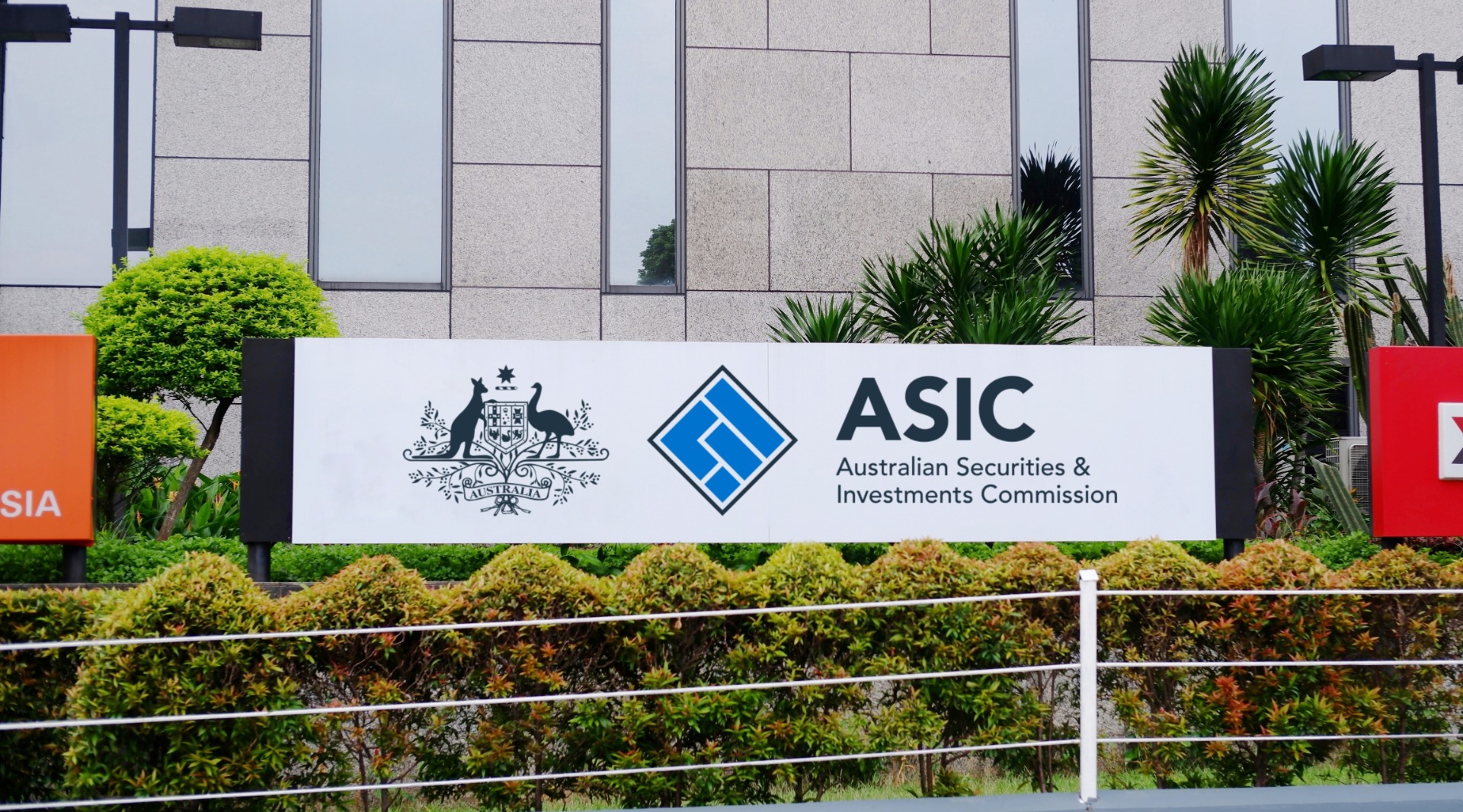
Of the roughly 400 crypto platforms registered in the country, only about 10% currently hold ASIC registration, according to the FM Intelligence article citing the Law Society Journal.
- Australia and New Zealand Sound Alarm on AI-Powered Investment Scams as Takedowns Hit Record Pace
- Binance Fined AU$10 Million in Australia as Crypto Perp Rules Tighten
- 16% of Aussie Gen Z 'Completely Trust' AI with Financial Decisions
ASIC's class no-action letter expires on June 30, and platforms that have not filed an AFSL application by that date lose their protection, the analysis notes. A low-value exemption covers providers processing below A$10 million annually or holding less than A$5,000 per customer.
Research from the Digital Finance Cooperative Research Center estimates Australia could generate A$24 billion annually from tokenized markets and digital asset services under the new framework, compared to a projected A$1 billion under the previous path.
Japan Reclassifies 105 Tokens Covering 13 Million Accounts
Japan's Financial Services Agency is moving crypto from the Payment Services Act to the Financial Instruments and Exchange Act, reclassifying 105 cryptocurrencies, including Bitcoin and Ethereum, as financial products. The shift covers 13 million domestic accounts holding over ¥5 trillion (approximately $33 billion), with legislation expected in Q2 2026, according to the report.
Under the FIEA framework, exchanges would face mandatory disclosure requirements for all listed tokens, insider trading prohibitions, and market manipulation rules carrying penalties of up to ¥10 million.
The government separately plans to cut the crypto tax rate from as high as 55% to a flat 20%, a change the article notes could also open the door to spot Bitcoin ETFs in Japan.
Hong Kong and South Korea Take Opposite Approaches
Hong Kong now has 12 licensed virtual asset trading platforms and issued its first stablecoin issuer licenses in March 2026, with applicants including Standard Chartered, Ant Group, and JD.com, according to the FM Intelligence piece. The territory's SFC plans to introduce a Virtual Asset Licensing Bill covering OTC dealing and custody services later this year.
South Korea, by contrast, moved on an emergency basis. After Bithumb accidentally transferred roughly $56 billion in bitcoin to hundreds of users due to an internal system error on February 6, the Financial Services Commission ordered all crypto exchanges to implement five-minute automated balance reconciliation, automatic kill-switches, and monthly external audits by end of May 2026. The country simultaneously shifted to a zero-threshold Crypto Travel Rule, eliminating the previous 1 million won reporting minimum.
Compliance Windows Range From 60 Days to 18 Months
The FM Intelligence analysis highlights the wide variation in timelines. Australia's 18-month compliance window provides more breathing room than South Korea's 60-day mandate, while Japan's enforcement will not begin until 2027. Hong Kong's 12 licensed platforms represent a fraction of global operators.
The broader question, the article notes, is whether parallel reforms across four jurisdictions produce regulatory convergence or fragmentation, particularly as stablecoin regulation , DeFi oversight, and cross-border recognition frameworks remain in earlier stages across all four markets.
The regulatory acceleration comes as traditional financial institutions across the region increasingly move into digital assets, with Korean brokerages pursuing stakes in crypto exchanges and major banks applying for stablecoin licenses in Hong Kong.
The full FM Intelligence analysis, including jurisdiction-by-jurisdiction breakdowns and compliance deadline details, is available here.