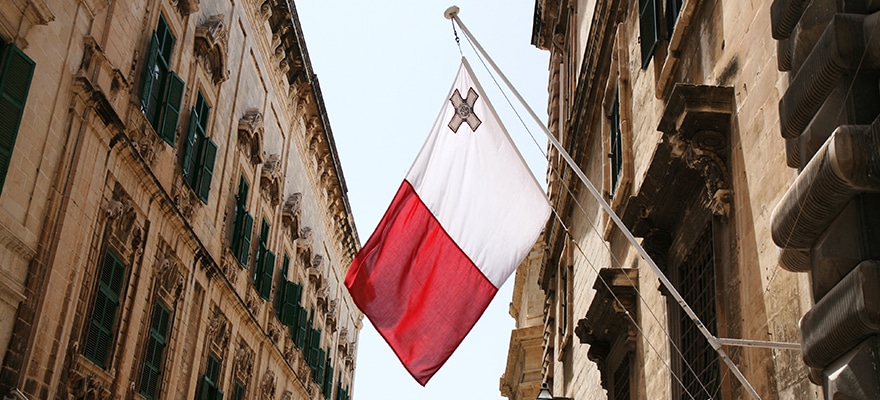
However, what should be a positive development for the cryptocurrency industry is somewhat marred by ongoing investigations into widespread corruption and possible clashes with EU law.
The Virtual Financial Assets Bill concerns initial coin offerings, stating that no fundraising campaign will be valid without proving that it is legitimate. Companies will do this by publishing a white paper and other relevant documents, the required contents of which are specified in detail by the law.
The Malta Digital Innovation Bill creates the Malta Digital Innovation Authority, a body which will advocate for and supervise the blockchain industry.
The territory has also come up with the Financial Instrument Test, which will be used to ascertain if a token is a security. This has been a challenging issue for jurisdictions worldwide.
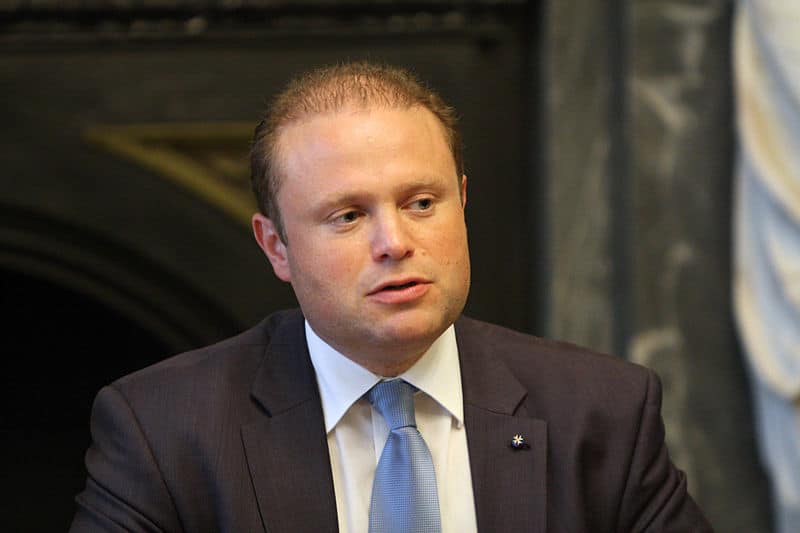
When the Maltese Parliament passed the laws in July, Prime Minister Joseph Muscat said to CCN: "This is the last stage of the legislation that will put Malta on the international map for blockchain and crypto regulation." Implementation was set for the 1st of November.
Joseph Muscat. Source: Foreign and Commonwealth Office
Back Door to the EU
In a world where cryptocurrency advocates have been actively petitioning their governments for regulatory certainty, a door into a conglomerate of first-world economies like the EU should be a boost for the legitimacy of the industry. Gibraltar had promised to fill this gap, but it is a UK territory, and so will soon be leaving the union.
In the rest of the EU, cryptocurrency regulation is a mixed bag, although the EU Parliament has ordered some basic precautions, such as that all blockchain businesses enact know-your-customer procedures.
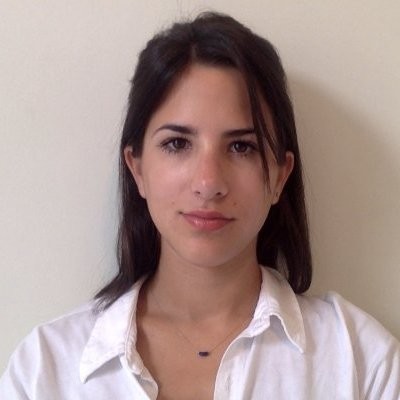
Yamila Eraso. Source: LinkedIn
Yamila Eraso of TLDR Capital, a London-based blockchain advisory firm, said to Finance Magnates: "Not only is Malta offering an innovative legal framework to foster and develop its blockchain businesses, it’s also actively building the ecosystem by addressing key problems the industry faces, such as access to traditional banking — a prevailing need."
Former AgriBank CEO Roderick Psaila predicted that Malta will see "two or three" new banks that will work with blockchain within the next year, according to Cryptonomist - in fact, one foreign cryptocurrency exchange is already involved in a project to build a 'decentralised bank' on the island.
Clashing Regulations?
One potential area of friction is the EU's much-discussed GDPR laws of May 2018, which relate to data protection. The laws were not written with blockchain technology in mind - how can a customer demand that his data be deleted when there is no central authority, and a blockchain is indelible?
Stephanie Attias. Source: LinkedIn
Stephanie Attias, Global Head of Regulation at law firm Tal Ron, Drihem & Co., said: "...blockchain companies will need to decide whether they want to work on the premise of anonymity, pseudonymity, or GDPR compliant personal data collection methods. The key is ensuring that whatever the functionality and use of the Blockchain, it must remain compliant with the GDPR, since there is no escaping data protection laws or its unforgiving fines."
The penalty for non-compliance can reach four percent of a company’s annual revenue or up to 20 million euros. As blockchain companies begin operating in the EU in earnest, this issue may come to a head.
Clashing regulations aside, there are other factors that might make Malta a less than ideal entry point to the EU.
"The Mainstay of our Economic Growth"
A member of the EU since 2004, Malta began selling Maltese passports to foreigners under the 'Individual Investor Programme' in 2014. The scheme has been criticised by EU politicians; in 2016, Frank Engel, MEP of Luxembourg, said: "These are the practices of a banana republic which must be rigorously counteracted within the EU," according to Politico. A spokesman for the prime minister countered by pointing out that the country's due diligence process had rejected 25 percent of applications at the time.
The programme had made the country approximately €600 million as of the beginning of 2018, according to Bloomberg. It is just one example of Malta's success with attracting the wealthy: the country legalised online gaming in 2004, becoming the first EU country to do so, and it boasts a tax rate of approximately five percent for foreign-owned companies, far below the EU average.
The results? The Malta Gaming Authority says that the roughly 300 online gaming companies operating in Malta are responsible for 12 percent of the economy, and private wealth in the country rose by more than 20 percent in 2017 (GDP per capita was $26,945 in 2017, according to World Bank data).
Regarding blockchain, Muscat said: "...we are foreseeing that this area will be the mainstay of our economic growth for the next 4-5 years".
"General and Systematic Shortcomings"
However, the legalisation of online gaming and blockchain technology are not Malta's only firsts. Recently, it became the first member state to be ordered to sort out its anti-money laundering rules by the European Commission.
According to the Financial Times, an EU committee published a report in January 2018 claiming “general and systematic shortcomings” in Malta's enforcement of anti-money laundering rules.
After the country's financial watchdog failed to respond to further concerns from the EU's banking authority in July, the ever fast-acting EU decided to publish a "formal opinion" by mid-November. If Malta's Financial Intelligence Analysis Unit does not act upon this in ten days, its banks will come under the direct jurisdiction of the European Banking Authority. Maltese finance minister Edward Scicluna told the FT that the Maltese government had formed a committee and is working on drafting new laws. "We cannot drag our feet," said he.
The complaint centres around Pilatus Bank, which has been the focus of a number of troubling allegations.
According to Bloomberg, the late Daphne Caruana Galizia, a Maltese investigative journalist, said that Pilatus handled money for some mysterious Panamanian shell companies belonging to three people connected to Muscat - including his wife, Michelle.
Daphne Caruana Galizia. Source: Continentaleurope
Galizia also claimed to have found evidence that Michelle Muscat had received $1 million from a secret $2.8 billion fund managed by the ruling elite of Azerbaijan, the purpose of which was to pay off European politicians and make luxury purchases. This fund was the subject of an investigation of a consortium of European newspapers. And a former financial investigator for Malta's Financial Intelligence Analysis Unit told Bloomberg that he was fired immediately after telling his bosses that he planned to look into the company that Michelle Muscat was alleged to be involved in.
Galizia was killed in a car bomb in October 2017 (there have been 19 car bombs in Malta since 2010, according to Malta Today). At the time of her as-yet-unexplained death, she was being sued by tens of government officials over her accusations, including Muscat himself, who called her claims "the biggest lie in Malta’s political history."
Pilatus was run by one Ali Sadr Hasheminejad, an Iranian national who is currently out on bail after being arrested by American authorities on charges of setting up shell companies to handle money sent from Venezuela to Iran.
The EU's report in January spoke of a "perceived culture of fear, dramatically escalated with the assassination of Mrs. Daphne Caruana Galizia" and a "perception of impunity". It added that "no Police investigation was ever started focusing on suspicions of corruption and money laundering by a Cabinet Minister and by the Prime Minister’s Chief of Staff, who, by being kept in office, may be continuing the criminal activity."
With skeletons like this in the closet, could Malta be doing the blockchain industry more harm than good?
Isabella Chase. Source: LinkedIn
Isabella Chase, Financial Crime Writer at ComplyAdvantage, said: "In the case of Malta, recent scandals show that the presence of laws are only as beneficial as how well they are enforced. Historically, in Malta financial crime rules have not always been properly enforced. Malta’s reputation will only be improved once they can prove that they effectively enforce the EU’s rules on financial crime."
"This Is a Country Where the Leaders and the Government Understand Blockchain Technology."
Malta just saw the end of the Malta Delta Summit, its first blockchain-centred conference (another conference is already planned for the 1st of November). Prime Minister Joseph Muscat called it "the most important meeting of its kind ever held in the world".
It was attended by a who's-who of Malta's elite. Apart from Muscat himself, speakers included Minister of Health (and Deputy Prime Minister) Christopher Fearne, Parliamentary Secretary Silvio Schembri, Minister of Finance Edward Scicluna, Malta Financial Services Authority CEO Joseph Cuschieri, and Malta Gaming Authority CEO Heathcliff Farrugia. Even the country's president, Marie-Louise Coleiro Preca, held a post-event reception.
Cryptocurrency industry speakers included Binance CEO Changpeng Zhao, OKEx Head of Government Relations Tim Byun, Bitcoin.com CEO Roger Ver, Bittrex CSO Kiran Raj, and Palladium CEO Paolo Catalfamo.
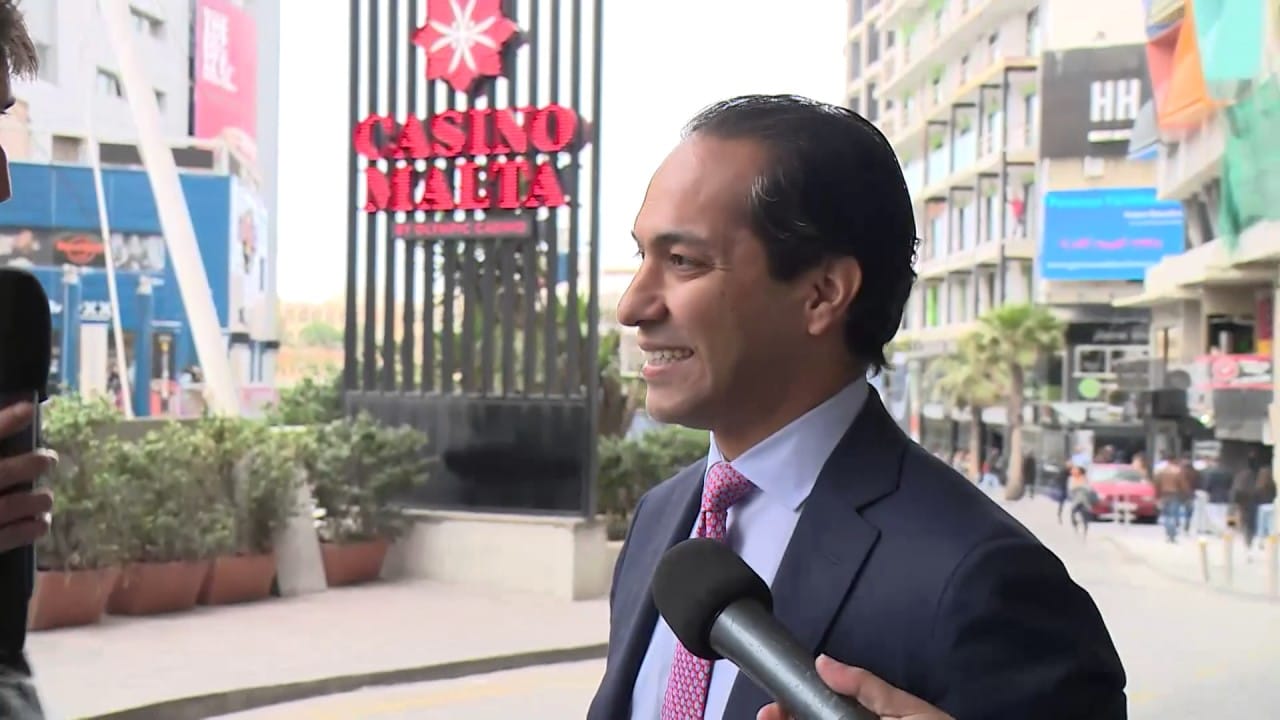
Binance and OKEx, which are two of the world's biggest cryptocurrency exchanges, have already set upoffices on the island. As a result, by the end of April, Malta had become the biggest conduit of cryptocurrency trading in the world. Zhao said at the event: "This is a country where the leaders and the government understand blockchain technology."
But if we look at one of the entries in the above list, we can see what a small world Malta's financial sector really is.
Palladium is a Maltese blockchain company which was originally launched at an event at the Malta Stock Exchange, which was attended by Muscat and Scicluna. Catalfamo is also the head of two major Maltese financial corporations. One of these, a life/health insurance company called GlobalCapital (with €25 billion under management), made a binding offer to buy a 49 percent stake in government-linked Lombard Malta Bank in March.
"The High Level Principles of the European Union (EU) Are Reflected onto Our Laws"
Ali Sadr Hasheminejad. Source: Youtube.com
This writer is not implying any wrongdoing on the part of these companies, but notes that a close-knit community can lead to a perception of impunity; according to Bloomberg, Joseph Muscat attended Hasheminejad's wedding in Italy in 2015.
Maltese officials have placed a strong emphasis on legality in their comments. In an MFSA press release, Cuschieri said that Malta is “not interested in persons who are not fit and proper to operate: we will implement a zero tolerance policy in this regard,” adding that “crypto asset transactions know no borders: regulation in this area of financial services must be international”.
This is important, because businesses are likely to flock to Malta after November, as it is one of the very few jurisdictions in the world where blockchain businesses have both regulatory certainty and access to a major market.
Indeed, the title of the MFSA's release was "Overwhelming interest in the Maltese jurisdiction by crypto asset operators", and in it, it claimed that a "considerable number of companies operating in the virtual financial assets sector are interested in investing and establishing their operations in Malta."
Silvio Schembri, Malta’s Junior Minister for Financial Services, Digital Economy and Innovation, told Forbes in July: "The high level principles of the European Union (EU) are reflected onto our laws. We have also based these laws upon 3 basic principles - market integrity, consumer protection and industry protection." The EU must be hoping that this is true.
However, what should be a positive development for the cryptocurrency industry is somewhat marred by ongoing investigations into widespread corruption and possible clashes with EU law.
The Virtual Financial Assets Bill concerns initial coin offerings, stating that no fundraising campaign will be valid without proving that it is legitimate. Companies will do this by publishing a white paper and other relevant documents, the required contents of which are specified in detail by the law.
The Malta Digital Innovation Bill creates the Malta Digital Innovation Authority, a body which will advocate for and supervise the blockchain industry.
The territory has also come up with the Financial Instrument Test, which will be used to ascertain if a token is a security. This has been a challenging issue for jurisdictions worldwide.
When the Maltese Parliament passed the laws in July, Prime Minister Joseph Muscat said to CCN: "This is the last stage of the legislation that will put Malta on the international map for blockchain and crypto regulation." Implementation was set for the 1st of November.
Joseph Muscat. Source: Foreign and Commonwealth Office
Back Door to the EU
In a world where cryptocurrency advocates have been actively petitioning their governments for regulatory certainty, a door into a conglomerate of first-world economies like the EU should be a boost for the legitimacy of the industry. Gibraltar had promised to fill this gap, but it is a UK territory, and so will soon be leaving the union.
In the rest of the EU, cryptocurrency regulation is a mixed bag, although the EU Parliament has ordered some basic precautions, such as that all blockchain businesses enact know-your-customer procedures.
Yamila Eraso. Source: LinkedIn
Yamila Eraso of TLDR Capital, a London-based blockchain advisory firm, said to Finance Magnates: "Not only is Malta offering an innovative legal framework to foster and develop its blockchain businesses, it’s also actively building the ecosystem by addressing key problems the industry faces, such as access to traditional banking — a prevailing need."
Former AgriBank CEO Roderick Psaila predicted that Malta will see "two or three" new banks that will work with blockchain within the next year, according to Cryptonomist - in fact, one foreign cryptocurrency exchange is already involved in a project to build a 'decentralised bank' on the island.
Clashing Regulations?
One potential area of friction is the EU's much-discussed GDPR laws of May 2018, which relate to data protection. The laws were not written with blockchain technology in mind - how can a customer demand that his data be deleted when there is no central authority, and a blockchain is indelible?
Stephanie Attias. Source: LinkedIn
Stephanie Attias, Global Head of Regulation at law firm Tal Ron, Drihem & Co., said: "...blockchain companies will need to decide whether they want to work on the premise of anonymity, pseudonymity, or GDPR compliant personal data collection methods. The key is ensuring that whatever the functionality and use of the Blockchain, it must remain compliant with the GDPR, since there is no escaping data protection laws or its unforgiving fines."
The penalty for non-compliance can reach four percent of a company’s annual revenue or up to 20 million euros. As blockchain companies begin operating in the EU in earnest, this issue may come to a head.
Clashing regulations aside, there are other factors that might make Malta a less than ideal entry point to the EU.
"The Mainstay of our Economic Growth"
A member of the EU since 2004, Malta began selling Maltese passports to foreigners under the 'Individual Investor Programme' in 2014. The scheme has been criticised by EU politicians; in 2016, Frank Engel, MEP of Luxembourg, said: "These are the practices of a banana republic which must be rigorously counteracted within the EU," according to Politico. A spokesman for the prime minister countered by pointing out that the country's due diligence process had rejected 25 percent of applications at the time.
The programme had made the country approximately €600 million as of the beginning of 2018, according to Bloomberg. It is just one example of Malta's success with attracting the wealthy: the country legalised online gaming in 2004, becoming the first EU country to do so, and it boasts a tax rate of approximately five percent for foreign-owned companies, far below the EU average.
The results? The Malta Gaming Authority says that the roughly 300 online gaming companies operating in Malta are responsible for 12 percent of the economy, and private wealth in the country rose by more than 20 percent in 2017 (GDP per capita was $26,945 in 2017, according to World Bank data).
Regarding blockchain, Muscat said: "...we are foreseeing that this area will be the mainstay of our economic growth for the next 4-5 years".
"General and Systematic Shortcomings"
However, the legalisation of online gaming and blockchain technology are not Malta's only firsts. Recently, it became the first member state to be ordered to sort out its anti-money laundering rules by the European Commission.
According to the Financial Times, an EU committee published a report in January 2018 claiming “general and systematic shortcomings” in Malta's enforcement of anti-money laundering rules.
After the country's financial watchdog failed to respond to further concerns from the EU's banking authority in July, the ever fast-acting EU decided to publish a "formal opinion" by mid-November. If Malta's Financial Intelligence Analysis Unit does not act upon this in ten days, its banks will come under the direct jurisdiction of the European Banking Authority. Maltese finance minister Edward Scicluna told the FT that the Maltese government had formed a committee and is working on drafting new laws. "We cannot drag our feet," said he.
The complaint centres around Pilatus Bank, which has been the focus of a number of troubling allegations.
According to Bloomberg, the late Daphne Caruana Galizia, a Maltese investigative journalist, said that Pilatus handled money for some mysterious Panamanian shell companies belonging to three people connected to Muscat - including his wife, Michelle.
Daphne Caruana Galizia. Source: Continentaleurope
Galizia also claimed to have found evidence that Michelle Muscat had received $1 million from a secret $2.8 billion fund managed by the ruling elite of Azerbaijan, the purpose of which was to pay off European politicians and make luxury purchases. This fund was the subject of an investigation of a consortium of European newspapers. And a former financial investigator for Malta's Financial Intelligence Analysis Unit told Bloomberg that he was fired immediately after telling his bosses that he planned to look into the company that Michelle Muscat was alleged to be involved in.
Galizia was killed in a car bomb in October 2017 (there have been 19 car bombs in Malta since 2010, according to Malta Today). At the time of her as-yet-unexplained death, she was being sued by tens of government officials over her accusations, including Muscat himself, who called her claims "the biggest lie in Malta’s political history."
Pilatus was run by one Ali Sadr Hasheminejad, an Iranian national who is currently out on bail after being arrested by American authorities on charges of setting up shell companies to handle money sent from Venezuela to Iran.
The EU's report in January spoke of a "perceived culture of fear, dramatically escalated with the assassination of Mrs. Daphne Caruana Galizia" and a "perception of impunity". It added that "no Police investigation was ever started focusing on suspicions of corruption and money laundering by a Cabinet Minister and by the Prime Minister’s Chief of Staff, who, by being kept in office, may be continuing the criminal activity."
With skeletons like this in the closet, could Malta be doing the blockchain industry more harm than good?
Isabella Chase. Source: LinkedIn
Isabella Chase, Financial Crime Writer at ComplyAdvantage, said: "In the case of Malta, recent scandals show that the presence of laws are only as beneficial as how well they are enforced. Historically, in Malta financial crime rules have not always been properly enforced. Malta’s reputation will only be improved once they can prove that they effectively enforce the EU’s rules on financial crime."
"This Is a Country Where the Leaders and the Government Understand Blockchain Technology."
Malta just saw the end of the Malta Delta Summit, its first blockchain-centred conference (another conference is already planned for the 1st of November). Prime Minister Joseph Muscat called it "the most important meeting of its kind ever held in the world".
It was attended by a who's-who of Malta's elite. Apart from Muscat himself, speakers included Minister of Health (and Deputy Prime Minister) Christopher Fearne, Parliamentary Secretary Silvio Schembri, Minister of Finance Edward Scicluna, Malta Financial Services Authority CEO Joseph Cuschieri, and Malta Gaming Authority CEO Heathcliff Farrugia. Even the country's president, Marie-Louise Coleiro Preca, held a post-event reception.
Cryptocurrency industry speakers included Binance CEO Changpeng Zhao, OKEx Head of Government Relations Tim Byun, Bitcoin.com CEO Roger Ver, Bittrex CSO Kiran Raj, and Palladium CEO Paolo Catalfamo.
Binance and OKEx, which are two of the world's biggest cryptocurrency exchanges, have already set upoffices on the island. As a result, by the end of April, Malta had become the biggest conduit of cryptocurrency trading in the world. Zhao said at the event: "This is a country where the leaders and the government understand blockchain technology."
But if we look at one of the entries in the above list, we can see what a small world Malta's financial sector really is.
Palladium is a Maltese blockchain company which was originally launched at an event at the Malta Stock Exchange, which was attended by Muscat and Scicluna. Catalfamo is also the head of two major Maltese financial corporations. One of these, a life/health insurance company called GlobalCapital (with €25 billion under management), made a binding offer to buy a 49 percent stake in government-linked Lombard Malta Bank in March.
"The High Level Principles of the European Union (EU) Are Reflected onto Our Laws"
Ali Sadr Hasheminejad. Source: Youtube.com
This writer is not implying any wrongdoing on the part of these companies, but notes that a close-knit community can lead to a perception of impunity; according to Bloomberg, Joseph Muscat attended Hasheminejad's wedding in Italy in 2015.
Maltese officials have placed a strong emphasis on legality in their comments. In an MFSA press release, Cuschieri said that Malta is “not interested in persons who are not fit and proper to operate: we will implement a zero tolerance policy in this regard,” adding that “crypto asset transactions know no borders: regulation in this area of financial services must be international”.
This is important, because businesses are likely to flock to Malta after November, as it is one of the very few jurisdictions in the world where blockchain businesses have both regulatory certainty and access to a major market.
Indeed, the title of the MFSA's release was "Overwhelming interest in the Maltese jurisdiction by crypto asset operators", and in it, it claimed that a "considerable number of companies operating in the virtual financial assets sector are interested in investing and establishing their operations in Malta."
Silvio Schembri, Malta’s Junior Minister for Financial Services, Digital Economy and Innovation, told Forbes in July: "The high level principles of the European Union (EU) are reflected onto our laws. We have also based these laws upon 3 basic principles - market integrity, consumer protection and industry protection." The EU must be hoping that this is true.
Moomoo Adds Crossover’s Crypto Execution Network for US Retail Traders
Featured Videos
AvaTrade to Acquire Most of FXCM; NAGA Raises $8M
AvaTrade to Acquire Most of FXCM; NAGA Raises $8M
AvaTrade to Acquire Most of FXCM; NAGA Raises $8M
AvaTrade to Acquire Most of FXCM; NAGA Raises $8M
Today’s financial news recap covers AvaTrade agrees to acquire most of FXCM, NAGA secures eight million dollars in new financing, and Wise seeks a tax settlement in the UK.
Finance Magnates Daily Recap brings you the latest news from forex and CFD brokers, fintech, payments, cryptocurrency, digital assets, trading platforms, financial regulation and global markets.
Get the key company news, executive moves, deals, regulatory updates and market developments of the day, in just a few minutes. New episodes published every weekday.
Read more: https://www.financemagnates.com
#FinanceMagnates #ForexNews #FintechNews
Today’s financial news recap covers AvaTrade agrees to acquire most of FXCM, NAGA secures eight million dollars in new financing, and Wise seeks a tax settlement in the UK.
Finance Magnates Daily Recap brings you the latest news from forex and CFD brokers, fintech, payments, cryptocurrency, digital assets, trading platforms, financial regulation and global markets.
Get the key company news, executive moves, deals, regulatory updates and market developments of the day, in just a few minutes. New episodes published every weekday.
Read more: https://www.financemagnates.com
#FinanceMagnates #ForexNews #FintechNews
Today’s financial news recap covers AvaTrade agrees to acquire most of FXCM, NAGA secures eight million dollars in new financing, and Wise seeks a tax settlement in the UK.
Finance Magnates Daily Recap brings you the latest news from forex and CFD brokers, fintech, payments, cryptocurrency, digital assets, trading platforms, financial regulation and global markets.
Get the key company news, executive moves, deals, regulatory updates and market developments of the day, in just a few minutes. New episodes published every weekday.
Read more: https://www.financemagnates.com
#FinanceMagnates #ForexNews #FintechNews
Today’s financial news recap covers AvaTrade agrees to acquire most of FXCM, NAGA secures eight million dollars in new financing, and Wise seeks a tax settlement in the UK.
Finance Magnates Daily Recap brings you the latest news from forex and CFD brokers, fintech, payments, cryptocurrency, digital assets, trading platforms, financial regulation and global markets.
Get the key company news, executive moves, deals, regulatory updates and market developments of the day, in just a few minutes. New episodes published every weekday.
Read more: https://www.financemagnates.com
#FinanceMagnates #ForexNews #FintechNews
XTB Adds Overnight US Stock Trading; Nasdaq Ventures Invests in One Trading
XTB Adds Overnight US Stock Trading; Nasdaq Ventures Invests in One Trading
XTB Adds Overnight US Stock Trading; Nasdaq Ventures Invests in One Trading
XTB Adds Overnight US Stock Trading; Nasdaq Ventures Invests in One Trading
XTB Adds Overnight US Stock Trading; Nasdaq Ventures Invests in One Trading
XTB Adds Overnight US Stock Trading; Nasdaq Ventures Invests in One Trading
Today’s financial news recap covers XTB expands overnight US stock trading, Fortrade reports higher revenue, Nasdaq backs One Trading, and Vest Labs raises 13 million dollars.
Finance Magnates Daily Recap brings you the latest news from forex and CFD brokers, fintech, payments, cryptocurrency, digital assets, trading platforms, financial regulation and global markets.
Get the key company news, executive moves, deals, regulatory updates and market developments of the day, in just a few minutes. New episodes published every weekday.
Read more: https://www.financemagnates.com
#FinanceMagnates #ForexNews #FintechNews
Today’s financial news recap covers XTB expands overnight US stock trading, Fortrade reports higher revenue, Nasdaq backs One Trading, and Vest Labs raises 13 million dollars.
Finance Magnates Daily Recap brings you the latest news from forex and CFD brokers, fintech, payments, cryptocurrency, digital assets, trading platforms, financial regulation and global markets.
Get the key company news, executive moves, deals, regulatory updates and market developments of the day, in just a few minutes. New episodes published every weekday.
Read more: https://www.financemagnates.com
#FinanceMagnates #ForexNews #FintechNews
Today’s financial news recap covers XTB expands overnight US stock trading, Fortrade reports higher revenue, Nasdaq backs One Trading, and Vest Labs raises 13 million dollars.
Finance Magnates Daily Recap brings you the latest news from forex and CFD brokers, fintech, payments, cryptocurrency, digital assets, trading platforms, financial regulation and global markets.
Get the key company news, executive moves, deals, regulatory updates and market developments of the day, in just a few minutes. New episodes published every weekday.
Read more: https://www.financemagnates.com
#FinanceMagnates #ForexNews #FintechNews
Today’s financial news recap covers XTB expands overnight US stock trading, Fortrade reports higher revenue, Nasdaq backs One Trading, and Vest Labs raises 13 million dollars.
Finance Magnates Daily Recap brings you the latest news from forex and CFD brokers, fintech, payments, cryptocurrency, digital assets, trading platforms, financial regulation and global markets.
Get the key company news, executive moves, deals, regulatory updates and market developments of the day, in just a few minutes. New episodes published every weekday.
Read more: https://www.financemagnates.com
#FinanceMagnates #ForexNews #FintechNews
Today’s financial news recap covers XTB expands overnight US stock trading, Fortrade reports higher revenue, Nasdaq backs One Trading, and Vest Labs raises 13 million dollars.
Finance Magnates Daily Recap brings you the latest news from forex and CFD brokers, fintech, payments, cryptocurrency, digital assets, trading platforms, financial regulation and global markets.
Get the key company news, executive moves, deals, regulatory updates and market developments of the day, in just a few minutes. New episodes published every weekday.
Read more: https://www.financemagnates.com
#FinanceMagnates #ForexNews #FintechNews
Today’s financial news recap covers XTB expands overnight US stock trading, Fortrade reports higher revenue, Nasdaq backs One Trading, and Vest Labs raises 13 million dollars.
Finance Magnates Daily Recap brings you the latest news from forex and CFD brokers, fintech, payments, cryptocurrency, digital assets, trading platforms, financial regulation and global markets.
Get the key company news, executive moves, deals, regulatory updates and market developments of the day, in just a few minutes. New episodes published every weekday.
Read more: https://www.financemagnates.com
#FinanceMagnates #ForexNews #FintechNews
CMC Founder Downplays Volatility Hit; Devexperts Names CEO
CMC Founder Downplays Volatility Hit; Devexperts Names CEO
CMC Founder Downplays Volatility Hit; Devexperts Names CEO
CMC Founder Downplays Volatility Hit; Devexperts Names CEO
CMC Founder Downplays Volatility Hit; Devexperts Names CEO
CMC Founder Downplays Volatility Hit; Devexperts Names CEO
Today’s financial news recap covers low volatility pressures brokers, Devexperts names a new CEO, Saxo cuts onboarding time, and OKX reaches a 25 billion dollar valuation.
Finance Magnates Daily Recap brings you the latest news from forex and CFD brokers, fintech, payments, cryptocurrency, digital assets, trading platforms, financial regulation and global markets.
Get the key company news, executive moves, deals, regulatory updates and market developments of the day, in just a few minutes. New episodes published every weekday.
Read more: https://www.financemagnates.com
#FinanceMagnates #ForexNews #FintechNews
Today’s financial news recap covers low volatility pressures brokers, Devexperts names a new CEO, Saxo cuts onboarding time, and OKX reaches a 25 billion dollar valuation.
Finance Magnates Daily Recap brings you the latest news from forex and CFD brokers, fintech, payments, cryptocurrency, digital assets, trading platforms, financial regulation and global markets.
Get the key company news, executive moves, deals, regulatory updates and market developments of the day, in just a few minutes. New episodes published every weekday.
Read more: https://www.financemagnates.com
#FinanceMagnates #ForexNews #FintechNews
Today’s financial news recap covers low volatility pressures brokers, Devexperts names a new CEO, Saxo cuts onboarding time, and OKX reaches a 25 billion dollar valuation.
Finance Magnates Daily Recap brings you the latest news from forex and CFD brokers, fintech, payments, cryptocurrency, digital assets, trading platforms, financial regulation and global markets.
Get the key company news, executive moves, deals, regulatory updates and market developments of the day, in just a few minutes. New episodes published every weekday.
Read more: https://www.financemagnates.com
#FinanceMagnates #ForexNews #FintechNews
Today’s financial news recap covers low volatility pressures brokers, Devexperts names a new CEO, Saxo cuts onboarding time, and OKX reaches a 25 billion dollar valuation.
Finance Magnates Daily Recap brings you the latest news from forex and CFD brokers, fintech, payments, cryptocurrency, digital assets, trading platforms, financial regulation and global markets.
Get the key company news, executive moves, deals, regulatory updates and market developments of the day, in just a few minutes. New episodes published every weekday.
Read more: https://www.financemagnates.com
#FinanceMagnates #ForexNews #FintechNews
Today’s financial news recap covers low volatility pressures brokers, Devexperts names a new CEO, Saxo cuts onboarding time, and OKX reaches a 25 billion dollar valuation.
Finance Magnates Daily Recap brings you the latest news from forex and CFD brokers, fintech, payments, cryptocurrency, digital assets, trading platforms, financial regulation and global markets.
Get the key company news, executive moves, deals, regulatory updates and market developments of the day, in just a few minutes. New episodes published every weekday.
Read more: https://www.financemagnates.com
#FinanceMagnates #ForexNews #FintechNews
Today’s financial news recap covers low volatility pressures brokers, Devexperts names a new CEO, Saxo cuts onboarding time, and OKX reaches a 25 billion dollar valuation.
Finance Magnates Daily Recap brings you the latest news from forex and CFD brokers, fintech, payments, cryptocurrency, digital assets, trading platforms, financial regulation and global markets.
Get the key company news, executive moves, deals, regulatory updates and market developments of the day, in just a few minutes. New episodes published every weekday.
Read more: https://www.financemagnates.com
#FinanceMagnates #ForexNews #FintechNews
Today’s financial news recap covers Trade Nation buys FXCM's UK client book, Trading 212 reports higher revenue, the CFTC's move to allow perpetual index futures.
Finance Magnates Daily Recap brings you the latest news from forex and CFD brokers, fintech, payments, cryptocurrency, digital assets, trading platforms, financial regulation and global markets.
Get the key company news, executive moves, deals, regulatory updates and market developments of the day, in just a few minutes. New episodes published every weekday.
Read more: https://www.financemagnates.com
#FinanceMagnates #ForexNews #FintechNews
Today’s financial news recap covers Trade Nation buys FXCM's UK client book, Trading 212 reports higher revenue, the CFTC's move to allow perpetual index futures.
Finance Magnates Daily Recap brings you the latest news from forex and CFD brokers, fintech, payments, cryptocurrency, digital assets, trading platforms, financial regulation and global markets.
Get the key company news, executive moves, deals, regulatory updates and market developments of the day, in just a few minutes. New episodes published every weekday.
Read more: https://www.financemagnates.com
#FinanceMagnates #ForexNews #FintechNews
Today’s financial news recap covers Trade Nation buys FXCM's UK client book, Trading 212 reports higher revenue, the CFTC's move to allow perpetual index futures.
Finance Magnates Daily Recap brings you the latest news from forex and CFD brokers, fintech, payments, cryptocurrency, digital assets, trading platforms, financial regulation and global markets.
Get the key company news, executive moves, deals, regulatory updates and market developments of the day, in just a few minutes. New episodes published every weekday.
Read more: https://www.financemagnates.com
#FinanceMagnates #ForexNews #FintechNews
Today’s financial news recap covers Trade Nation buys FXCM's UK client book, Trading 212 reports higher revenue, the CFTC's move to allow perpetual index futures.
Finance Magnates Daily Recap brings you the latest news from forex and CFD brokers, fintech, payments, cryptocurrency, digital assets, trading platforms, financial regulation and global markets.
Get the key company news, executive moves, deals, regulatory updates and market developments of the day, in just a few minutes. New episodes published every weekday.
Read more: https://www.financemagnates.com
#FinanceMagnates #ForexNews #FintechNews
Today’s financial news recap covers Trade Nation buys FXCM's UK client book, Trading 212 reports higher revenue, the CFTC's move to allow perpetual index futures.
Finance Magnates Daily Recap brings you the latest news from forex and CFD brokers, fintech, payments, cryptocurrency, digital assets, trading platforms, financial regulation and global markets.
Get the key company news, executive moves, deals, regulatory updates and market developments of the day, in just a few minutes. New episodes published every weekday.
Read more: https://www.financemagnates.com
#FinanceMagnates #ForexNews #FintechNews
Today’s financial news recap covers Trade Nation buys FXCM's UK client book, Trading 212 reports higher revenue, the CFTC's move to allow perpetual index futures.
Finance Magnates Daily Recap brings you the latest news from forex and CFD brokers, fintech, payments, cryptocurrency, digital assets, trading platforms, financial regulation and global markets.
Get the key company news, executive moves, deals, regulatory updates and market developments of the day, in just a few minutes. New episodes published every weekday.
Read more: https://www.financemagnates.com
#FinanceMagnates #ForexNews #FintechNews
Your career isn’t a linear path.
Your career isn’t a linear path.
Your career isn’t a linear path.
Your career isn’t a linear path.
Your career isn’t a linear path.
Your career isn’t a linear path.
Roles change. Career goals change. Sometimes you want a completely new challenge.
But the skills and knowledge you build along the way can stay with you and give you something to build on.
For Jeff Patterson, that continued growth is key to long-term career development.
You bring the skills. FM Academy helps you build the knowledge.
#FMAcademy #FinanceMagnates #FinanceCareers #ProfessionalDevelopment #Fintech
Roles change. Career goals change. Sometimes you want a completely new challenge.
But the skills and knowledge you build along the way can stay with you and give you something to build on.
For Jeff Patterson, that continued growth is key to long-term career development.
You bring the skills. FM Academy helps you build the knowledge.
#FMAcademy #FinanceMagnates #FinanceCareers #ProfessionalDevelopment #Fintech
Roles change. Career goals change. Sometimes you want a completely new challenge.
But the skills and knowledge you build along the way can stay with you and give you something to build on.
For Jeff Patterson, that continued growth is key to long-term career development.
You bring the skills. FM Academy helps you build the knowledge.
#FMAcademy #FinanceMagnates #FinanceCareers #ProfessionalDevelopment #Fintech
Roles change. Career goals change. Sometimes you want a completely new challenge.
But the skills and knowledge you build along the way can stay with you and give you something to build on.
For Jeff Patterson, that continued growth is key to long-term career development.
You bring the skills. FM Academy helps you build the knowledge.
#FMAcademy #FinanceMagnates #FinanceCareers #ProfessionalDevelopment #Fintech
Roles change. Career goals change. Sometimes you want a completely new challenge.
But the skills and knowledge you build along the way can stay with you and give you something to build on.
For Jeff Patterson, that continued growth is key to long-term career development.
You bring the skills. FM Academy helps you build the knowledge.
#FMAcademy #FinanceMagnates #FinanceCareers #ProfessionalDevelopment #Fintech
Roles change. Career goals change. Sometimes you want a completely new challenge.
But the skills and knowledge you build along the way can stay with you and give you something to build on.
For Jeff Patterson, that continued growth is key to long-term career development.
You bring the skills. FM Academy helps you build the knowledge.
#FMAcademy #FinanceMagnates #FinanceCareers #ProfessionalDevelopment #Fintech