There is one significant distinction between cryptocurrencies and meme coins: the aim.
Dogecoin token
Some believe that 2021 will be the year of ‘dogs’ for cryptocurrency. Dogecoin (DOGE) and Shiba Inu (SHIB), the canine combo, lead the meme currency pack in terms of price and market value. DOGE has increased almost 8,000 percent since the beginning of the year and is ranked #9 by market value on CoinMarketCap as of November 2021. SHIB, its opponent, has pumped more than 60,000,000% since January.
Things move quickly in the meme coin world, as they do in most internet jokes because nobody cares about anything they read on social media for more than a few minutes. This means that coins must be generated quickly in order to be classified as a meme currency rather than simply another random coin. In this article, we will discuss Meme tokens, their good side, bad side and their future.
Dogecoin is the first meme coin, having been developed in 2013 as a joke based on a meme. It gained popularity once Elon Musk began tweeting about it, and regular investors began purchasing it in droves.
Developers have launched a spate of joke currencies after Dogecoin since anybody can build a new cryptocurrency. Many of these currencies are Dogecoin spinoffs, such as Shiba Inu, but there are dozens of additional meme coins to choose from.
Dogecoin Overview
Dogecoin is crypto, similar to Bitcoin and Ethereum, but it is not the same as either of these prominent coins. Dogecoin was named after a once-popular meme and was founded, at least in part, as a lighthearted joke for
Meggie Nahatakyan
cryptocurrency aficionados. Despite its strange genesis story, Dogecoin has skyrocketed in popularity in 2021, becoming the sixth-largest cryptocurrency by market valuation as of writing.
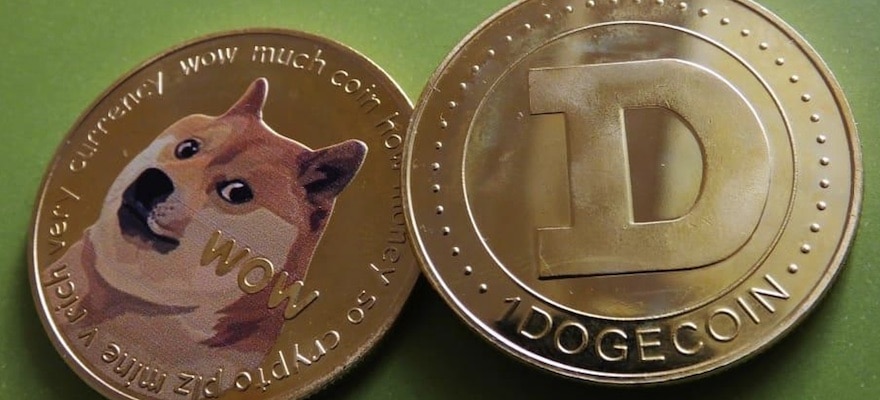
Billy Marcus and Jackson Palmer, two software programmers, invented Dogecoin in late 2013. Palmer created the cryptocurrency's logo by mistyping the term 'doge' to represent a Shiba Inu dog, a popular joke at the time.
Shiba Inu Overview
Shiba Inu is an Ethereum-based altcoin (an alternative cryptocurrency to Bitcoin) using the Shiba Inu, a Japanese breed of hunting dog, as its symbol. Shiba Inu is widely regarded as a viable alternative to Dogecoin; in fact, Shiba Inu supporters refer to it as 'the Dogecoin killer'.
Shiba Inu and Dogecoin are meme coins, which are cryptocurrencies connected with a theme, in the instance of Shiba Inu and Dogecoin, the Shiba Inu dog, but they are more often made as a prank or an inside joke than as a legitimate digital product. While Dogecoin was established in December 2013, Ryoshi, an unidentified individual or group, invented Shiba Inu in August 2020.
Cryptocurrency vs Meme Coins
Meme coins are a sort of cryptocurrency, however, there is one significant distinction between cryptocurrencies and meme coins, and that difference is mostly the aim.
Bitcoin and Ethereum, two major cryptocurrencies, were created to answer real-world issues. The ultimate objective is for it to be widely accepted by merchants, resulting in the creation of a new kind of decentralized currency that will revolutionize a range of sectors.
On the other hand, meme coins currently serve no real-world use, and the majority of them were established for profit. Many investors sell quickly once their prices rise in order to earn a rapid profit because meme coins now have no practical utility.
Meme Coins Good Sides
When Dogecoin originally appeared in 2013, it was thought to be a prank. No one imagined this coin could be anything other than a meme, even in their wildest imaginations. Doge is now worth $100,000 if you purchased it for $1,000 last year. Consider those who bought Dogecoin in 2013 because they thought it was a joke (or simply for fun).
If you put more than $1,000 into it, you'll get a better return. Doge has proven to be one of the most profitable cryptocurrencies in history, and it is still bringing money to individuals. This is not a coincidence. Nowadays, investors are pouring money into Meme currencies, with Shiba Inu being the most recent example, reaching an all-time high in November 2021.
Meme Coins Bad Ugly Sides
Meme coins may have experienced exponential growth in 2021, but trading and investing in meme coins, like other cryptocurrencies, entails significant financial risk.
As the meme coin market grows, you should be cautious that certain projects may try to take advantage of the enthusiasm to defraud traders. For example, in only one week, Squid Game (SQUID), a meme currency based on the famous Netflix program of the same name, increased by almost 86,000%. However, the development team immediately pulled the rug out from under them, causing the price to collapse by 99%. Worse, holders have been barred from selling their SQUID tokens.
Meme Coin Future
It might be difficult to predict if a meme coin will be bullish or bearish. Meme currencies often lack a market value and a high circulating quantity, making them very inexpensive and easy to get. Because meme currencies are frequently inexpensive and easy to obtain, there are several other aspects to consider while predicting the future of any meme currency.
The growing popularity of meme tokens and dogecoins is being fueled in part by social media. Elon Musk is one of the market factors that has frequently been indirectly impacting the price fluctuations of DOGE and Floki Inu (FLOKI) via erratic Twitter updates.
Such an attitude might be immensely destructive to cryptocurrencies in the long term. This might reverse the industry's overall trajectory toward pushing the financial world towards an even more gloomy future.
Nonetheless, new meme tokens and dog coins join the market on a daily basis, and regular investors tend to purchase them with the aim of replicating the profits made by DODGE and SHIB in the past. In fact, the excitement around dogecoins has developed to the point that it is apparently driving demand for genuine dogs.
Are They Worth the Investment?
Even the most experienced investors face ups and downs while investing in meme coins. However, by finding out and implementing the proper knowledge, one may limit the dangers while maximizing profits. There are thousands of meme currencies to choose from, and the vast majority of them are fraud schemes. As a result, in order to compete in this market, you must be at your best.
The reality is that diamonds may be found amid stones; you simply have to know where to look and how to look. These particular meme coins have the potential to create 1000 for early investors.
Before investing in any meme currency, spend some time researching the token's community to learn about the creators' priorities. Do they have a long-term plan for community building and long-term growth? Are they more interested in raising the price and pressuring consumers to buy? The former is a positive thing, whilst the latter is a warning sign. Additionally, it would be helpful if you could find out whether the initiative has a whitepaper outlining its true goal and objective.
Final Thoughts
With new meme currencies hitting the market every day and traders seeking to emulate DOGE and SHIB's earnings, it is crucial to DYOR before investing in any meme currency. Remember that meme coins are quite volatile compared to other digital currencies. Trading or investing in cryptocurrency is fraught with danger. Meme coins are heavily community-driven and may fall abruptly, so never invest money you can't afford to lose.
Some believe that 2021 will be the year of ‘dogs’ for cryptocurrency. Dogecoin (DOGE) and Shiba Inu (SHIB), the canine combo, lead the meme currency pack in terms of price and market value. DOGE has increased almost 8,000 percent since the beginning of the year and is ranked #9 by market value on CoinMarketCap as of November 2021. SHIB, its opponent, has pumped more than 60,000,000% since January.
Things move quickly in the meme coin world, as they do in most internet jokes because nobody cares about anything they read on social media for more than a few minutes. This means that coins must be generated quickly in order to be classified as a meme currency rather than simply another random coin. In this article, we will discuss Meme tokens, their good side, bad side and their future.
Dogecoin is the first meme coin, having been developed in 2013 as a joke based on a meme. It gained popularity once Elon Musk began tweeting about it, and regular investors began purchasing it in droves.
Developers have launched a spate of joke currencies after Dogecoin since anybody can build a new cryptocurrency. Many of these currencies are Dogecoin spinoffs, such as Shiba Inu, but there are dozens of additional meme coins to choose from.
Dogecoin Overview
Dogecoin is crypto, similar to Bitcoin and Ethereum, but it is not the same as either of these prominent coins. Dogecoin was named after a once-popular meme and was founded, at least in part, as a lighthearted joke for
Meggie Nahatakyan
cryptocurrency aficionados. Despite its strange genesis story, Dogecoin has skyrocketed in popularity in 2021, becoming the sixth-largest cryptocurrency by market valuation as of writing.
Billy Marcus and Jackson Palmer, two software programmers, invented Dogecoin in late 2013. Palmer created the cryptocurrency's logo by mistyping the term 'doge' to represent a Shiba Inu dog, a popular joke at the time.
Shiba Inu Overview
Shiba Inu is an Ethereum-based altcoin (an alternative cryptocurrency to Bitcoin) using the Shiba Inu, a Japanese breed of hunting dog, as its symbol. Shiba Inu is widely regarded as a viable alternative to Dogecoin; in fact, Shiba Inu supporters refer to it as 'the Dogecoin killer'.
Shiba Inu and Dogecoin are meme coins, which are cryptocurrencies connected with a theme, in the instance of Shiba Inu and Dogecoin, the Shiba Inu dog, but they are more often made as a prank or an inside joke than as a legitimate digital product. While Dogecoin was established in December 2013, Ryoshi, an unidentified individual or group, invented Shiba Inu in August 2020.
Cryptocurrency vs Meme Coins
Meme coins are a sort of cryptocurrency, however, there is one significant distinction between cryptocurrencies and meme coins, and that difference is mostly the aim.
Bitcoin and Ethereum, two major cryptocurrencies, were created to answer real-world issues. The ultimate objective is for it to be widely accepted by merchants, resulting in the creation of a new kind of decentralized currency that will revolutionize a range of sectors.
On the other hand, meme coins currently serve no real-world use, and the majority of them were established for profit. Many investors sell quickly once their prices rise in order to earn a rapid profit because meme coins now have no practical utility.
Meme Coins Good Sides
When Dogecoin originally appeared in 2013, it was thought to be a prank. No one imagined this coin could be anything other than a meme, even in their wildest imaginations. Doge is now worth $100,000 if you purchased it for $1,000 last year. Consider those who bought Dogecoin in 2013 because they thought it was a joke (or simply for fun).
If you put more than $1,000 into it, you'll get a better return. Doge has proven to be one of the most profitable cryptocurrencies in history, and it is still bringing money to individuals. This is not a coincidence. Nowadays, investors are pouring money into Meme currencies, with Shiba Inu being the most recent example, reaching an all-time high in November 2021.
Meme Coins Bad Ugly Sides
Meme coins may have experienced exponential growth in 2021, but trading and investing in meme coins, like other cryptocurrencies, entails significant financial risk.
As the meme coin market grows, you should be cautious that certain projects may try to take advantage of the enthusiasm to defraud traders. For example, in only one week, Squid Game (SQUID), a meme currency based on the famous Netflix program of the same name, increased by almost 86,000%. However, the development team immediately pulled the rug out from under them, causing the price to collapse by 99%. Worse, holders have been barred from selling their SQUID tokens.
Meme Coin Future
It might be difficult to predict if a meme coin will be bullish or bearish. Meme currencies often lack a market value and a high circulating quantity, making them very inexpensive and easy to get. Because meme currencies are frequently inexpensive and easy to obtain, there are several other aspects to consider while predicting the future of any meme currency.
The growing popularity of meme tokens and dogecoins is being fueled in part by social media. Elon Musk is one of the market factors that has frequently been indirectly impacting the price fluctuations of DOGE and Floki Inu (FLOKI) via erratic Twitter updates.
Such an attitude might be immensely destructive to cryptocurrencies in the long term. This might reverse the industry's overall trajectory toward pushing the financial world towards an even more gloomy future.
Nonetheless, new meme tokens and dog coins join the market on a daily basis, and regular investors tend to purchase them with the aim of replicating the profits made by DODGE and SHIB in the past. In fact, the excitement around dogecoins has developed to the point that it is apparently driving demand for genuine dogs.
Are They Worth the Investment?
Even the most experienced investors face ups and downs while investing in meme coins. However, by finding out and implementing the proper knowledge, one may limit the dangers while maximizing profits. There are thousands of meme currencies to choose from, and the vast majority of them are fraud schemes. As a result, in order to compete in this market, you must be at your best.
The reality is that diamonds may be found amid stones; you simply have to know where to look and how to look. These particular meme coins have the potential to create 1000 for early investors.
Before investing in any meme currency, spend some time researching the token's community to learn about the creators' priorities. Do they have a long-term plan for community building and long-term growth? Are they more interested in raising the price and pressuring consumers to buy? The former is a positive thing, whilst the latter is a warning sign. Additionally, it would be helpful if you could find out whether the initiative has a whitepaper outlining its true goal and objective.
Final Thoughts
With new meme currencies hitting the market every day and traders seeking to emulate DOGE and SHIB's earnings, it is crucial to DYOR before investing in any meme currency. Remember that meme coins are quite volatile compared to other digital currencies. Trading or investing in cryptocurrency is fraught with danger. Meme coins are heavily community-driven and may fall abruptly, so never invest money you can't afford to lose.
OKX Turns Infrastructure Partners into Investors at $25 Billion Valuation
Featured Videos
AvaTrade to Acquire Most of FXCM; NAGA Raises $8M
AvaTrade to Acquire Most of FXCM; NAGA Raises $8M
AvaTrade to Acquire Most of FXCM; NAGA Raises $8M
AvaTrade to Acquire Most of FXCM; NAGA Raises $8M
Today’s financial news recap covers AvaTrade agrees to acquire most of FXCM, NAGA secures eight million dollars in new financing, and Wise seeks a tax settlement in the UK.
Finance Magnates Daily Recap brings you the latest news from forex and CFD brokers, fintech, payments, cryptocurrency, digital assets, trading platforms, financial regulation and global markets.
Get the key company news, executive moves, deals, regulatory updates and market developments of the day, in just a few minutes. New episodes published every weekday.
Read more: https://www.financemagnates.com
#FinanceMagnates #ForexNews #FintechNews
Today’s financial news recap covers AvaTrade agrees to acquire most of FXCM, NAGA secures eight million dollars in new financing, and Wise seeks a tax settlement in the UK.
Finance Magnates Daily Recap brings you the latest news from forex and CFD brokers, fintech, payments, cryptocurrency, digital assets, trading platforms, financial regulation and global markets.
Get the key company news, executive moves, deals, regulatory updates and market developments of the day, in just a few minutes. New episodes published every weekday.
Read more: https://www.financemagnates.com
#FinanceMagnates #ForexNews #FintechNews
Today’s financial news recap covers AvaTrade agrees to acquire most of FXCM, NAGA secures eight million dollars in new financing, and Wise seeks a tax settlement in the UK.
Finance Magnates Daily Recap brings you the latest news from forex and CFD brokers, fintech, payments, cryptocurrency, digital assets, trading platforms, financial regulation and global markets.
Get the key company news, executive moves, deals, regulatory updates and market developments of the day, in just a few minutes. New episodes published every weekday.
Read more: https://www.financemagnates.com
#FinanceMagnates #ForexNews #FintechNews
Today’s financial news recap covers AvaTrade agrees to acquire most of FXCM, NAGA secures eight million dollars in new financing, and Wise seeks a tax settlement in the UK.
Finance Magnates Daily Recap brings you the latest news from forex and CFD brokers, fintech, payments, cryptocurrency, digital assets, trading platforms, financial regulation and global markets.
Get the key company news, executive moves, deals, regulatory updates and market developments of the day, in just a few minutes. New episodes published every weekday.
Read more: https://www.financemagnates.com
#FinanceMagnates #ForexNews #FintechNews
XTB Adds Overnight US Stock Trading; Nasdaq Ventures Invests in One Trading
XTB Adds Overnight US Stock Trading; Nasdaq Ventures Invests in One Trading
XTB Adds Overnight US Stock Trading; Nasdaq Ventures Invests in One Trading
XTB Adds Overnight US Stock Trading; Nasdaq Ventures Invests in One Trading
XTB Adds Overnight US Stock Trading; Nasdaq Ventures Invests in One Trading
XTB Adds Overnight US Stock Trading; Nasdaq Ventures Invests in One Trading
Today’s financial news recap covers XTB expands overnight US stock trading, Fortrade reports higher revenue, Nasdaq backs One Trading, and Vest Labs raises 13 million dollars.
Finance Magnates Daily Recap brings you the latest news from forex and CFD brokers, fintech, payments, cryptocurrency, digital assets, trading platforms, financial regulation and global markets.
Get the key company news, executive moves, deals, regulatory updates and market developments of the day, in just a few minutes. New episodes published every weekday.
Read more: https://www.financemagnates.com
#FinanceMagnates #ForexNews #FintechNews
Today’s financial news recap covers XTB expands overnight US stock trading, Fortrade reports higher revenue, Nasdaq backs One Trading, and Vest Labs raises 13 million dollars.
Finance Magnates Daily Recap brings you the latest news from forex and CFD brokers, fintech, payments, cryptocurrency, digital assets, trading platforms, financial regulation and global markets.
Get the key company news, executive moves, deals, regulatory updates and market developments of the day, in just a few minutes. New episodes published every weekday.
Read more: https://www.financemagnates.com
#FinanceMagnates #ForexNews #FintechNews
Today’s financial news recap covers XTB expands overnight US stock trading, Fortrade reports higher revenue, Nasdaq backs One Trading, and Vest Labs raises 13 million dollars.
Finance Magnates Daily Recap brings you the latest news from forex and CFD brokers, fintech, payments, cryptocurrency, digital assets, trading platforms, financial regulation and global markets.
Get the key company news, executive moves, deals, regulatory updates and market developments of the day, in just a few minutes. New episodes published every weekday.
Read more: https://www.financemagnates.com
#FinanceMagnates #ForexNews #FintechNews
Today’s financial news recap covers XTB expands overnight US stock trading, Fortrade reports higher revenue, Nasdaq backs One Trading, and Vest Labs raises 13 million dollars.
Finance Magnates Daily Recap brings you the latest news from forex and CFD brokers, fintech, payments, cryptocurrency, digital assets, trading platforms, financial regulation and global markets.
Get the key company news, executive moves, deals, regulatory updates and market developments of the day, in just a few minutes. New episodes published every weekday.
Read more: https://www.financemagnates.com
#FinanceMagnates #ForexNews #FintechNews
Today’s financial news recap covers XTB expands overnight US stock trading, Fortrade reports higher revenue, Nasdaq backs One Trading, and Vest Labs raises 13 million dollars.
Finance Magnates Daily Recap brings you the latest news from forex and CFD brokers, fintech, payments, cryptocurrency, digital assets, trading platforms, financial regulation and global markets.
Get the key company news, executive moves, deals, regulatory updates and market developments of the day, in just a few minutes. New episodes published every weekday.
Read more: https://www.financemagnates.com
#FinanceMagnates #ForexNews #FintechNews
Today’s financial news recap covers XTB expands overnight US stock trading, Fortrade reports higher revenue, Nasdaq backs One Trading, and Vest Labs raises 13 million dollars.
Finance Magnates Daily Recap brings you the latest news from forex and CFD brokers, fintech, payments, cryptocurrency, digital assets, trading platforms, financial regulation and global markets.
Get the key company news, executive moves, deals, regulatory updates and market developments of the day, in just a few minutes. New episodes published every weekday.
Read more: https://www.financemagnates.com
#FinanceMagnates #ForexNews #FintechNews
CMC Founder Downplays Volatility Hit; Devexperts Names CEO
CMC Founder Downplays Volatility Hit; Devexperts Names CEO
CMC Founder Downplays Volatility Hit; Devexperts Names CEO
CMC Founder Downplays Volatility Hit; Devexperts Names CEO
CMC Founder Downplays Volatility Hit; Devexperts Names CEO
CMC Founder Downplays Volatility Hit; Devexperts Names CEO
Today’s financial news recap covers low volatility pressures brokers, Devexperts names a new CEO, Saxo cuts onboarding time, and OKX reaches a 25 billion dollar valuation.
Finance Magnates Daily Recap brings you the latest news from forex and CFD brokers, fintech, payments, cryptocurrency, digital assets, trading platforms, financial regulation and global markets.
Get the key company news, executive moves, deals, regulatory updates and market developments of the day, in just a few minutes. New episodes published every weekday.
Read more: https://www.financemagnates.com
#FinanceMagnates #ForexNews #FintechNews
Today’s financial news recap covers low volatility pressures brokers, Devexperts names a new CEO, Saxo cuts onboarding time, and OKX reaches a 25 billion dollar valuation.
Finance Magnates Daily Recap brings you the latest news from forex and CFD brokers, fintech, payments, cryptocurrency, digital assets, trading platforms, financial regulation and global markets.
Get the key company news, executive moves, deals, regulatory updates and market developments of the day, in just a few minutes. New episodes published every weekday.
Read more: https://www.financemagnates.com
#FinanceMagnates #ForexNews #FintechNews
Today’s financial news recap covers low volatility pressures brokers, Devexperts names a new CEO, Saxo cuts onboarding time, and OKX reaches a 25 billion dollar valuation.
Finance Magnates Daily Recap brings you the latest news from forex and CFD brokers, fintech, payments, cryptocurrency, digital assets, trading platforms, financial regulation and global markets.
Get the key company news, executive moves, deals, regulatory updates and market developments of the day, in just a few minutes. New episodes published every weekday.
Read more: https://www.financemagnates.com
#FinanceMagnates #ForexNews #FintechNews
Today’s financial news recap covers low volatility pressures brokers, Devexperts names a new CEO, Saxo cuts onboarding time, and OKX reaches a 25 billion dollar valuation.
Finance Magnates Daily Recap brings you the latest news from forex and CFD brokers, fintech, payments, cryptocurrency, digital assets, trading platforms, financial regulation and global markets.
Get the key company news, executive moves, deals, regulatory updates and market developments of the day, in just a few minutes. New episodes published every weekday.
Read more: https://www.financemagnates.com
#FinanceMagnates #ForexNews #FintechNews
Today’s financial news recap covers low volatility pressures brokers, Devexperts names a new CEO, Saxo cuts onboarding time, and OKX reaches a 25 billion dollar valuation.
Finance Magnates Daily Recap brings you the latest news from forex and CFD brokers, fintech, payments, cryptocurrency, digital assets, trading platforms, financial regulation and global markets.
Get the key company news, executive moves, deals, regulatory updates and market developments of the day, in just a few minutes. New episodes published every weekday.
Read more: https://www.financemagnates.com
#FinanceMagnates #ForexNews #FintechNews
Today’s financial news recap covers low volatility pressures brokers, Devexperts names a new CEO, Saxo cuts onboarding time, and OKX reaches a 25 billion dollar valuation.
Finance Magnates Daily Recap brings you the latest news from forex and CFD brokers, fintech, payments, cryptocurrency, digital assets, trading platforms, financial regulation and global markets.
Get the key company news, executive moves, deals, regulatory updates and market developments of the day, in just a few minutes. New episodes published every weekday.
Read more: https://www.financemagnates.com
#FinanceMagnates #ForexNews #FintechNews
Today’s financial news recap covers Trade Nation buys FXCM's UK client book, Trading 212 reports higher revenue, the CFTC's move to allow perpetual index futures.
Finance Magnates Daily Recap brings you the latest news from forex and CFD brokers, fintech, payments, cryptocurrency, digital assets, trading platforms, financial regulation and global markets.
Get the key company news, executive moves, deals, regulatory updates and market developments of the day, in just a few minutes. New episodes published every weekday.
Read more: https://www.financemagnates.com
#FinanceMagnates #ForexNews #FintechNews
Today’s financial news recap covers Trade Nation buys FXCM's UK client book, Trading 212 reports higher revenue, the CFTC's move to allow perpetual index futures.
Finance Magnates Daily Recap brings you the latest news from forex and CFD brokers, fintech, payments, cryptocurrency, digital assets, trading platforms, financial regulation and global markets.
Get the key company news, executive moves, deals, regulatory updates and market developments of the day, in just a few minutes. New episodes published every weekday.
Read more: https://www.financemagnates.com
#FinanceMagnates #ForexNews #FintechNews
Today’s financial news recap covers Trade Nation buys FXCM's UK client book, Trading 212 reports higher revenue, the CFTC's move to allow perpetual index futures.
Finance Magnates Daily Recap brings you the latest news from forex and CFD brokers, fintech, payments, cryptocurrency, digital assets, trading platforms, financial regulation and global markets.
Get the key company news, executive moves, deals, regulatory updates and market developments of the day, in just a few minutes. New episodes published every weekday.
Read more: https://www.financemagnates.com
#FinanceMagnates #ForexNews #FintechNews
Today’s financial news recap covers Trade Nation buys FXCM's UK client book, Trading 212 reports higher revenue, the CFTC's move to allow perpetual index futures.
Finance Magnates Daily Recap brings you the latest news from forex and CFD brokers, fintech, payments, cryptocurrency, digital assets, trading platforms, financial regulation and global markets.
Get the key company news, executive moves, deals, regulatory updates and market developments of the day, in just a few minutes. New episodes published every weekday.
Read more: https://www.financemagnates.com
#FinanceMagnates #ForexNews #FintechNews
Today’s financial news recap covers Trade Nation buys FXCM's UK client book, Trading 212 reports higher revenue, the CFTC's move to allow perpetual index futures.
Finance Magnates Daily Recap brings you the latest news from forex and CFD brokers, fintech, payments, cryptocurrency, digital assets, trading platforms, financial regulation and global markets.
Get the key company news, executive moves, deals, regulatory updates and market developments of the day, in just a few minutes. New episodes published every weekday.
Read more: https://www.financemagnates.com
#FinanceMagnates #ForexNews #FintechNews
Today’s financial news recap covers Trade Nation buys FXCM's UK client book, Trading 212 reports higher revenue, the CFTC's move to allow perpetual index futures.
Finance Magnates Daily Recap brings you the latest news from forex and CFD brokers, fintech, payments, cryptocurrency, digital assets, trading platforms, financial regulation and global markets.
Get the key company news, executive moves, deals, regulatory updates and market developments of the day, in just a few minutes. New episodes published every weekday.
Read more: https://www.financemagnates.com
#FinanceMagnates #ForexNews #FintechNews
Your career isn’t a linear path.
Your career isn’t a linear path.
Your career isn’t a linear path.
Your career isn’t a linear path.
Your career isn’t a linear path.
Your career isn’t a linear path.
Roles change. Career goals change. Sometimes you want a completely new challenge.
But the skills and knowledge you build along the way can stay with you and give you something to build on.
For Jeff Patterson, that continued growth is key to long-term career development.
You bring the skills. FM Academy helps you build the knowledge.
#FMAcademy #FinanceMagnates #FinanceCareers #ProfessionalDevelopment #Fintech
Roles change. Career goals change. Sometimes you want a completely new challenge.
But the skills and knowledge you build along the way can stay with you and give you something to build on.
For Jeff Patterson, that continued growth is key to long-term career development.
You bring the skills. FM Academy helps you build the knowledge.
#FMAcademy #FinanceMagnates #FinanceCareers #ProfessionalDevelopment #Fintech
Roles change. Career goals change. Sometimes you want a completely new challenge.
But the skills and knowledge you build along the way can stay with you and give you something to build on.
For Jeff Patterson, that continued growth is key to long-term career development.
You bring the skills. FM Academy helps you build the knowledge.
#FMAcademy #FinanceMagnates #FinanceCareers #ProfessionalDevelopment #Fintech
Roles change. Career goals change. Sometimes you want a completely new challenge.
But the skills and knowledge you build along the way can stay with you and give you something to build on.
For Jeff Patterson, that continued growth is key to long-term career development.
You bring the skills. FM Academy helps you build the knowledge.
#FMAcademy #FinanceMagnates #FinanceCareers #ProfessionalDevelopment #Fintech
Roles change. Career goals change. Sometimes you want a completely new challenge.
But the skills and knowledge you build along the way can stay with you and give you something to build on.
For Jeff Patterson, that continued growth is key to long-term career development.
You bring the skills. FM Academy helps you build the knowledge.
#FMAcademy #FinanceMagnates #FinanceCareers #ProfessionalDevelopment #Fintech
Roles change. Career goals change. Sometimes you want a completely new challenge.
But the skills and knowledge you build along the way can stay with you and give you something to build on.
For Jeff Patterson, that continued growth is key to long-term career development.
You bring the skills. FM Academy helps you build the knowledge.
#FMAcademy #FinanceMagnates #FinanceCareers #ProfessionalDevelopment #Fintech