We spoke to Alberto Isola about Brexit, cryptocurrencies and his efforts at turning Gibraltar into a blockchain hub
Reuters
Since the cryptocurrency boom of late 2017, regulators across the globe have been struggling to put rules in place to govern what has been, and arguably still is, something of a wild west industry.
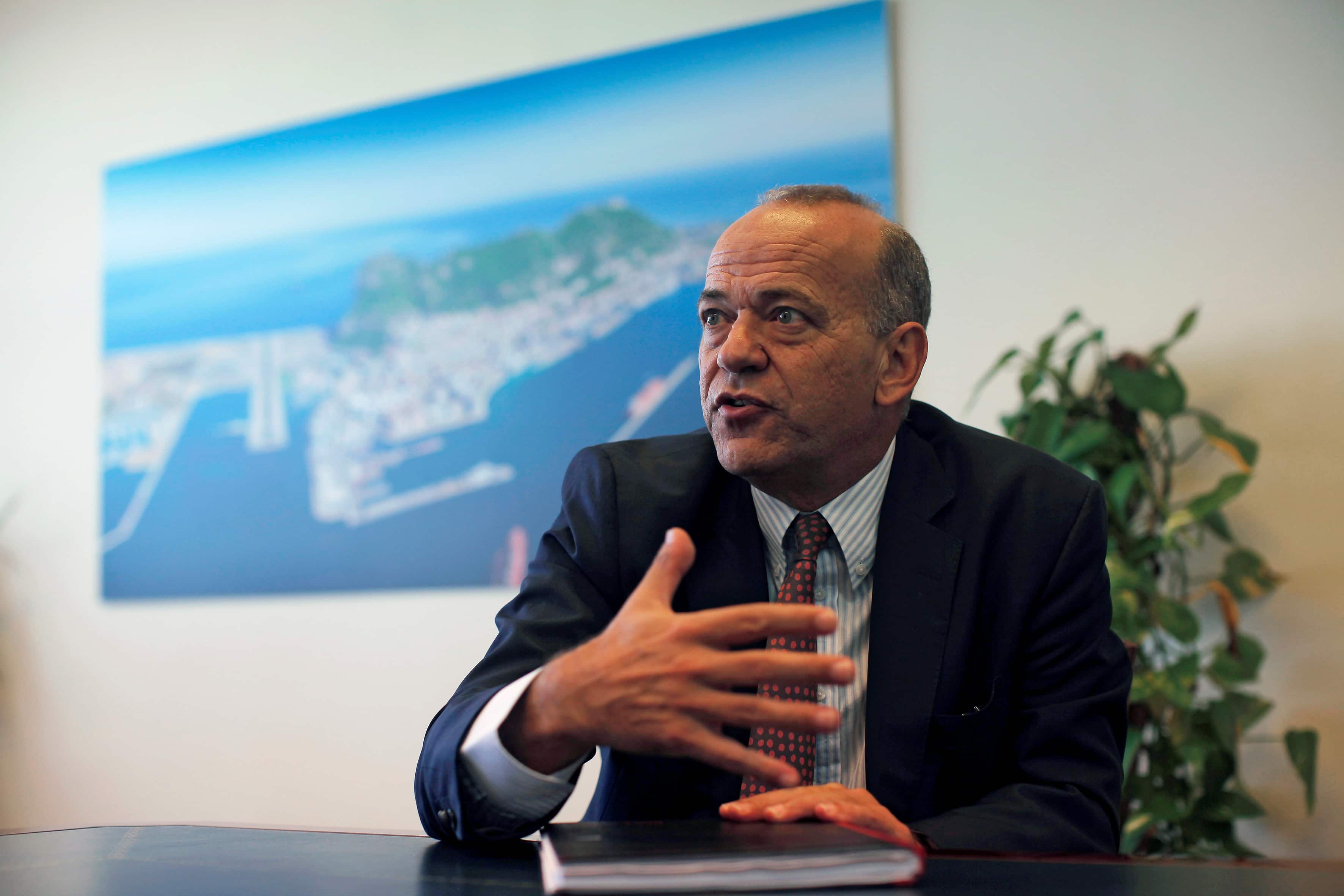
In order to get a better understanding of what it is that the Gibraltarian authorities are trying to do, Finance Magnates spoke to Alberto Isola - the peninsula’s Minister for Commerce - who was in Tel Aviv this week to attend Israel’s first ‘Gibraltar Day.’
Why Blockchain?
Our conversation started with a fairly straightforward question: why, when so many jurisdictions are hesitant to get involved with cryptocurrencies, has Gibraltar decided to lay such a heavy emphasis on forming regulation governing them and attracting blockchain firms to the Iberian peninsula?
“We believe blockchain technology has got a lot of promise,” said Isola. “We thought if we can regulate it safely - where all the usual parameters of traditional financial regulation can be applied - and which doesn’t stifle innovation but encourages it, we could end up in a similar place to where we were with online gaming twenty-five years ago.”
Online gaming continued to pop-up throughout our interview with Isola. Gibraltar has, over the past couple of decades, become a central hub for online gaming. Experience with that industry appears to have given confidence to Gibraltarian authorities as they formulated their blockchain and cryptocurrency regulation.
“25 years ago people turned their noses up at online gaming firms - we didn’t,” Isola told Finance Magnates. “We thought if we can get quality firms to come to us, where mind and management is in Gibraltar and we can regulate them effectively, there is a long-term, sustainable business to be run and managed. We’ve done that for 25 years and we have done so effectively. We have not had a single crash - none of those firms have failed.”
Keeping the Crooks out of Gibraltar
Like the online gaming industry, there are - to put it kindly - some unscrupulous actors in the blockchain business. From fraudulent initial-coin-offerings to dodgy rebranding efforts, a lot of people are trying to ride the bitcoin wave and sucker people into handing over their cash. So how do Gibraltarian authorities go about sorting the wheat from the chaff and ensure they aren’t allowing any of those sorts of people to set up camp on the peninsula?
“Those sorts of people don’t want to be regulated in the first place,” noted Isola. “So the likelihood of them investing significantly, in a lengthy regulatory process - where they’re going to be looked at inside and out - is simply not something they would submit themselves to.”
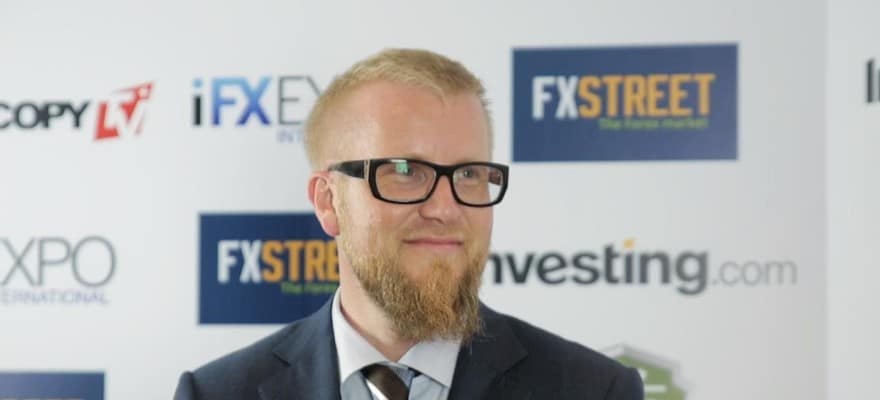
The author (left) speaking with Albert Isola, Gibraltar's Minister of Commerce (right).
The length of that regulatory process varies according to what the firm is doing and, as a corollary of that, how heavily regulated it needs to be. But the average time appears to be about six months and, according to Isola, we’ll start seeing some of the first firms emerge from the licensing process in the near future.
“After the introduction of the new legislation, we had 38 applications coming through,” said Isola, “now firms are coming out at the other end of the process and you can see the efficacy of that process - these are very well known, quality brands.”
Giving licenses to quality firms is not the only thing that is indicative of an efficacious regulatory process - you have to reject those that aren’t up to scratch. With 38 applications submitted, I asked Isola, will we be seeing 38 licenses granted?
“There will be a few that don’t get it,” said Isola, without giving much away. “The reason for that is simple - they don’t meet the standards required of our licensees. I’m sure some of them will withdraw their applications before they can even be rejected.”
Though he wasn’t specific as to who those companies were or why exactly they were rejected, Isola did provide some interesting insights into a common problem he sees blockchain startups experiencing.
“We’ve seen a lot of people who are clever and with really good technology skills but who are short on corporate governance and traditional business skills,” he said. “Then you have the reverse, ex-bankers and hedge fund managers, with little knowledge of technology, but who are well equipped to run a business. Our job as a jurisdiction is to protect the technology and ensure that people who are using it are doing things properly.”
Brexit and the Competition
Gibraltar isn’t the only small nation trying to attract blockchain business. Stuck between Libya and southern Italy, Malta has also been flexing its muscles in the cryptocurrency space. As it jostles against its Mediterranean rival, Gibraltar’s experience with online gaming will again come in handy.
“Malta has been our major competitor in gaming for 20 years,” said Isola, “but they’ve taken a very different approach to us. Today we have 15 of the largest B2C gaming firms in the world - down from 22 because of acquisitions - Malta has three or four hundred. If their approach will be similar when they take on blockchain then we aren’t too concerned as we won’t be going for that larger scale.”
One advantage Malta may arguably have over Gibraltar is easy to access to European markets. Gibraltar remains a British Overseas Territory and, even though 96 percent of the population voted to remain in the EU, it will be leaving the supranational body when the UK does. Isola assured me, however, that this was less of a problem than it would first appear.
“We got to work immediately after Brexit,” said Isola, “looking at where our financial services business comes from. For financial services, our research found that 92 percent of our work was with the UK - 8 percent within the EU. We have agreed upon post-Brexit access to the UK market and so our continuation of the financial services industry is assured.”
If the B2Cs come, the B2Bs will Follow
The future of Gibraltar’s financial services industry may be secure but, lest we forget, blockchain isn’t all about finance. In the past couple of years, we’ve seen companies developing, amongst other things, identity verification tools and supply-chain software using blockchain technology. Given that its primary focus is on financial services, how will Gibraltar go about attracting those firms?
“If you look at our experience in gaming,” said Isola, “you have those firms that are B2Cs and you have the B2Bs. When we brought in the B2Cs, the B2Bs followed - they wanted to be close to the people they were selling to. In the ecosystem we’re building, I think it’s very probable the same thing will happen.”
There was a certain irony in speaking to Isola - a government official - about blockchain and cryptocurrencies, given that the technology’s founder was so explicitly anti-government. In many ways, that shows how far the technology has moved away from being the plaything of a few libertarian geeks looking to establish an alternative financial system.
But, I asked, Isola what is the blockchain industry actually moving towards? From this author’s perspective, it’s unclear what is going to remain once all of the hype dies down, and the wideboys move on to their next get-rich-quick scheme.
“2017 was a frenzy - it wasn’t real,” said Isola. “The volumes raised were not sustainable - so I think balancing and stabilization was inevitable. The idea that there is this alternative financial system, from an ideological point of view, is not relevant today. But there’s no question the use of the technology will enable you to do things, quicker, cheaper and not going through the traditional intermediaries.”
Another thing Isola highlighted was the benefits tokens provide to firms as a means of raising capital. The sheer volume of ICOs and other garbage tokens, which pop up on a daily basis, has, however, seriously dented public trust in companies seeking to raise funds in that manner. For Isola, the way to restore that trust is simple; regulation.
“People are losing trust in the ICO process and to rebuild that trust they need to come within a regulatory framework,” he said. “Then you know there will be disclosure and transparency - otherwise the risk is too much to bare and you have no recourse.”
And of course, if you want that regulatory framework, you know where to go. It may only have 32,000 people, but Gibraltar looks set to become a major technology hub in our blockchain-ridden future.
Since the cryptocurrency boom of late 2017, regulators across the globe have been struggling to put rules in place to govern what has been, and arguably still is, something of a wild west industry.
In order to get a better understanding of what it is that the Gibraltarian authorities are trying to do, Finance Magnates spoke to Alberto Isola - the peninsula’s Minister for Commerce - who was in Tel Aviv this week to attend Israel’s first ‘Gibraltar Day.’
Why Blockchain?
Our conversation started with a fairly straightforward question: why, when so many jurisdictions are hesitant to get involved with cryptocurrencies, has Gibraltar decided to lay such a heavy emphasis on forming regulation governing them and attracting blockchain firms to the Iberian peninsula?
“We believe blockchain technology has got a lot of promise,” said Isola. “We thought if we can regulate it safely - where all the usual parameters of traditional financial regulation can be applied - and which doesn’t stifle innovation but encourages it, we could end up in a similar place to where we were with online gaming twenty-five years ago.”
Online gaming continued to pop-up throughout our interview with Isola. Gibraltar has, over the past couple of decades, become a central hub for online gaming. Experience with that industry appears to have given confidence to Gibraltarian authorities as they formulated their blockchain and cryptocurrency regulation.
“25 years ago people turned their noses up at online gaming firms - we didn’t,” Isola told Finance Magnates. “We thought if we can get quality firms to come to us, where mind and management is in Gibraltar and we can regulate them effectively, there is a long-term, sustainable business to be run and managed. We’ve done that for 25 years and we have done so effectively. We have not had a single crash - none of those firms have failed.”
Keeping the Crooks out of Gibraltar
Like the online gaming industry, there are - to put it kindly - some unscrupulous actors in the blockchain business. From fraudulent initial-coin-offerings to dodgy rebranding efforts, a lot of people are trying to ride the bitcoin wave and sucker people into handing over their cash. So how do Gibraltarian authorities go about sorting the wheat from the chaff and ensure they aren’t allowing any of those sorts of people to set up camp on the peninsula?
“Those sorts of people don’t want to be regulated in the first place,” noted Isola. “So the likelihood of them investing significantly, in a lengthy regulatory process - where they’re going to be looked at inside and out - is simply not something they would submit themselves to.”
The author (left) speaking with Albert Isola, Gibraltar's Minister of Commerce (right).
The length of that regulatory process varies according to what the firm is doing and, as a corollary of that, how heavily regulated it needs to be. But the average time appears to be about six months and, according to Isola, we’ll start seeing some of the first firms emerge from the licensing process in the near future.
“After the introduction of the new legislation, we had 38 applications coming through,” said Isola, “now firms are coming out at the other end of the process and you can see the efficacy of that process - these are very well known, quality brands.”
Giving licenses to quality firms is not the only thing that is indicative of an efficacious regulatory process - you have to reject those that aren’t up to scratch. With 38 applications submitted, I asked Isola, will we be seeing 38 licenses granted?
“There will be a few that don’t get it,” said Isola, without giving much away. “The reason for that is simple - they don’t meet the standards required of our licensees. I’m sure some of them will withdraw their applications before they can even be rejected.”
Though he wasn’t specific as to who those companies were or why exactly they were rejected, Isola did provide some interesting insights into a common problem he sees blockchain startups experiencing.
“We’ve seen a lot of people who are clever and with really good technology skills but who are short on corporate governance and traditional business skills,” he said. “Then you have the reverse, ex-bankers and hedge fund managers, with little knowledge of technology, but who are well equipped to run a business. Our job as a jurisdiction is to protect the technology and ensure that people who are using it are doing things properly.”
Brexit and the Competition
Gibraltar isn’t the only small nation trying to attract blockchain business. Stuck between Libya and southern Italy, Malta has also been flexing its muscles in the cryptocurrency space. As it jostles against its Mediterranean rival, Gibraltar’s experience with online gaming will again come in handy.
“Malta has been our major competitor in gaming for 20 years,” said Isola, “but they’ve taken a very different approach to us. Today we have 15 of the largest B2C gaming firms in the world - down from 22 because of acquisitions - Malta has three or four hundred. If their approach will be similar when they take on blockchain then we aren’t too concerned as we won’t be going for that larger scale.”
One advantage Malta may arguably have over Gibraltar is easy to access to European markets. Gibraltar remains a British Overseas Territory and, even though 96 percent of the population voted to remain in the EU, it will be leaving the supranational body when the UK does. Isola assured me, however, that this was less of a problem than it would first appear.
“We got to work immediately after Brexit,” said Isola, “looking at where our financial services business comes from. For financial services, our research found that 92 percent of our work was with the UK - 8 percent within the EU. We have agreed upon post-Brexit access to the UK market and so our continuation of the financial services industry is assured.”
If the B2Cs come, the B2Bs will Follow
The future of Gibraltar’s financial services industry may be secure but, lest we forget, blockchain isn’t all about finance. In the past couple of years, we’ve seen companies developing, amongst other things, identity verification tools and supply-chain software using blockchain technology. Given that its primary focus is on financial services, how will Gibraltar go about attracting those firms?
“If you look at our experience in gaming,” said Isola, “you have those firms that are B2Cs and you have the B2Bs. When we brought in the B2Cs, the B2Bs followed - they wanted to be close to the people they were selling to. In the ecosystem we’re building, I think it’s very probable the same thing will happen.”
There was a certain irony in speaking to Isola - a government official - about blockchain and cryptocurrencies, given that the technology’s founder was so explicitly anti-government. In many ways, that shows how far the technology has moved away from being the plaything of a few libertarian geeks looking to establish an alternative financial system.
But, I asked, Isola what is the blockchain industry actually moving towards? From this author’s perspective, it’s unclear what is going to remain once all of the hype dies down, and the wideboys move on to their next get-rich-quick scheme.
“2017 was a frenzy - it wasn’t real,” said Isola. “The volumes raised were not sustainable - so I think balancing and stabilization was inevitable. The idea that there is this alternative financial system, from an ideological point of view, is not relevant today. But there’s no question the use of the technology will enable you to do things, quicker, cheaper and not going through the traditional intermediaries.”
Another thing Isola highlighted was the benefits tokens provide to firms as a means of raising capital. The sheer volume of ICOs and other garbage tokens, which pop up on a daily basis, has, however, seriously dented public trust in companies seeking to raise funds in that manner. For Isola, the way to restore that trust is simple; regulation.
“People are losing trust in the ICO process and to rebuild that trust they need to come within a regulatory framework,” he said. “Then you know there will be disclosure and transparency - otherwise the risk is too much to bare and you have no recourse.”
And of course, if you want that regulatory framework, you know where to go. It may only have 32,000 people, but Gibraltar looks set to become a major technology hub in our blockchain-ridden future.
Binance Launches Retail AI Assistant, Repackages Existing Trading Tools
Featured Videos
AvaTrade to Acquire Most of FXCM; NAGA Raises $8M
AvaTrade to Acquire Most of FXCM; NAGA Raises $8M
AvaTrade to Acquire Most of FXCM; NAGA Raises $8M
AvaTrade to Acquire Most of FXCM; NAGA Raises $8M
Today’s financial news recap covers AvaTrade agrees to acquire most of FXCM, NAGA secures eight million dollars in new financing, and Wise seeks a tax settlement in the UK.
Finance Magnates Daily Recap brings you the latest news from forex and CFD brokers, fintech, payments, cryptocurrency, digital assets, trading platforms, financial regulation and global markets.
Get the key company news, executive moves, deals, regulatory updates and market developments of the day, in just a few minutes. New episodes published every weekday.
Read more: https://www.financemagnates.com
#FinanceMagnates #ForexNews #FintechNews
Today’s financial news recap covers AvaTrade agrees to acquire most of FXCM, NAGA secures eight million dollars in new financing, and Wise seeks a tax settlement in the UK.
Finance Magnates Daily Recap brings you the latest news from forex and CFD brokers, fintech, payments, cryptocurrency, digital assets, trading platforms, financial regulation and global markets.
Get the key company news, executive moves, deals, regulatory updates and market developments of the day, in just a few minutes. New episodes published every weekday.
Read more: https://www.financemagnates.com
#FinanceMagnates #ForexNews #FintechNews
Today’s financial news recap covers AvaTrade agrees to acquire most of FXCM, NAGA secures eight million dollars in new financing, and Wise seeks a tax settlement in the UK.
Finance Magnates Daily Recap brings you the latest news from forex and CFD brokers, fintech, payments, cryptocurrency, digital assets, trading platforms, financial regulation and global markets.
Get the key company news, executive moves, deals, regulatory updates and market developments of the day, in just a few minutes. New episodes published every weekday.
Read more: https://www.financemagnates.com
#FinanceMagnates #ForexNews #FintechNews
Today’s financial news recap covers AvaTrade agrees to acquire most of FXCM, NAGA secures eight million dollars in new financing, and Wise seeks a tax settlement in the UK.
Finance Magnates Daily Recap brings you the latest news from forex and CFD brokers, fintech, payments, cryptocurrency, digital assets, trading platforms, financial regulation and global markets.
Get the key company news, executive moves, deals, regulatory updates and market developments of the day, in just a few minutes. New episodes published every weekday.
Read more: https://www.financemagnates.com
#FinanceMagnates #ForexNews #FintechNews
XTB Adds Overnight US Stock Trading; Nasdaq Ventures Invests in One Trading
XTB Adds Overnight US Stock Trading; Nasdaq Ventures Invests in One Trading
XTB Adds Overnight US Stock Trading; Nasdaq Ventures Invests in One Trading
XTB Adds Overnight US Stock Trading; Nasdaq Ventures Invests in One Trading
XTB Adds Overnight US Stock Trading; Nasdaq Ventures Invests in One Trading
XTB Adds Overnight US Stock Trading; Nasdaq Ventures Invests in One Trading
Today’s financial news recap covers XTB expands overnight US stock trading, Fortrade reports higher revenue, Nasdaq backs One Trading, and Vest Labs raises 13 million dollars.
Finance Magnates Daily Recap brings you the latest news from forex and CFD brokers, fintech, payments, cryptocurrency, digital assets, trading platforms, financial regulation and global markets.
Get the key company news, executive moves, deals, regulatory updates and market developments of the day, in just a few minutes. New episodes published every weekday.
Read more: https://www.financemagnates.com
#FinanceMagnates #ForexNews #FintechNews
Today’s financial news recap covers XTB expands overnight US stock trading, Fortrade reports higher revenue, Nasdaq backs One Trading, and Vest Labs raises 13 million dollars.
Finance Magnates Daily Recap brings you the latest news from forex and CFD brokers, fintech, payments, cryptocurrency, digital assets, trading platforms, financial regulation and global markets.
Get the key company news, executive moves, deals, regulatory updates and market developments of the day, in just a few minutes. New episodes published every weekday.
Read more: https://www.financemagnates.com
#FinanceMagnates #ForexNews #FintechNews
Today’s financial news recap covers XTB expands overnight US stock trading, Fortrade reports higher revenue, Nasdaq backs One Trading, and Vest Labs raises 13 million dollars.
Finance Magnates Daily Recap brings you the latest news from forex and CFD brokers, fintech, payments, cryptocurrency, digital assets, trading platforms, financial regulation and global markets.
Get the key company news, executive moves, deals, regulatory updates and market developments of the day, in just a few minutes. New episodes published every weekday.
Read more: https://www.financemagnates.com
#FinanceMagnates #ForexNews #FintechNews
Today’s financial news recap covers XTB expands overnight US stock trading, Fortrade reports higher revenue, Nasdaq backs One Trading, and Vest Labs raises 13 million dollars.
Finance Magnates Daily Recap brings you the latest news from forex and CFD brokers, fintech, payments, cryptocurrency, digital assets, trading platforms, financial regulation and global markets.
Get the key company news, executive moves, deals, regulatory updates and market developments of the day, in just a few minutes. New episodes published every weekday.
Read more: https://www.financemagnates.com
#FinanceMagnates #ForexNews #FintechNews
Today’s financial news recap covers XTB expands overnight US stock trading, Fortrade reports higher revenue, Nasdaq backs One Trading, and Vest Labs raises 13 million dollars.
Finance Magnates Daily Recap brings you the latest news from forex and CFD brokers, fintech, payments, cryptocurrency, digital assets, trading platforms, financial regulation and global markets.
Get the key company news, executive moves, deals, regulatory updates and market developments of the day, in just a few minutes. New episodes published every weekday.
Read more: https://www.financemagnates.com
#FinanceMagnates #ForexNews #FintechNews
Today’s financial news recap covers XTB expands overnight US stock trading, Fortrade reports higher revenue, Nasdaq backs One Trading, and Vest Labs raises 13 million dollars.
Finance Magnates Daily Recap brings you the latest news from forex and CFD brokers, fintech, payments, cryptocurrency, digital assets, trading platforms, financial regulation and global markets.
Get the key company news, executive moves, deals, regulatory updates and market developments of the day, in just a few minutes. New episodes published every weekday.
Read more: https://www.financemagnates.com
#FinanceMagnates #ForexNews #FintechNews
CMC Founder Downplays Volatility Hit; Devexperts Names CEO
CMC Founder Downplays Volatility Hit; Devexperts Names CEO
CMC Founder Downplays Volatility Hit; Devexperts Names CEO
CMC Founder Downplays Volatility Hit; Devexperts Names CEO
CMC Founder Downplays Volatility Hit; Devexperts Names CEO
CMC Founder Downplays Volatility Hit; Devexperts Names CEO
Today’s financial news recap covers low volatility pressures brokers, Devexperts names a new CEO, Saxo cuts onboarding time, and OKX reaches a 25 billion dollar valuation.
Finance Magnates Daily Recap brings you the latest news from forex and CFD brokers, fintech, payments, cryptocurrency, digital assets, trading platforms, financial regulation and global markets.
Get the key company news, executive moves, deals, regulatory updates and market developments of the day, in just a few minutes. New episodes published every weekday.
Read more: https://www.financemagnates.com
#FinanceMagnates #ForexNews #FintechNews
Today’s financial news recap covers low volatility pressures brokers, Devexperts names a new CEO, Saxo cuts onboarding time, and OKX reaches a 25 billion dollar valuation.
Finance Magnates Daily Recap brings you the latest news from forex and CFD brokers, fintech, payments, cryptocurrency, digital assets, trading platforms, financial regulation and global markets.
Get the key company news, executive moves, deals, regulatory updates and market developments of the day, in just a few minutes. New episodes published every weekday.
Read more: https://www.financemagnates.com
#FinanceMagnates #ForexNews #FintechNews
Today’s financial news recap covers low volatility pressures brokers, Devexperts names a new CEO, Saxo cuts onboarding time, and OKX reaches a 25 billion dollar valuation.
Finance Magnates Daily Recap brings you the latest news from forex and CFD brokers, fintech, payments, cryptocurrency, digital assets, trading platforms, financial regulation and global markets.
Get the key company news, executive moves, deals, regulatory updates and market developments of the day, in just a few minutes. New episodes published every weekday.
Read more: https://www.financemagnates.com
#FinanceMagnates #ForexNews #FintechNews
Today’s financial news recap covers low volatility pressures brokers, Devexperts names a new CEO, Saxo cuts onboarding time, and OKX reaches a 25 billion dollar valuation.
Finance Magnates Daily Recap brings you the latest news from forex and CFD brokers, fintech, payments, cryptocurrency, digital assets, trading platforms, financial regulation and global markets.
Get the key company news, executive moves, deals, regulatory updates and market developments of the day, in just a few minutes. New episodes published every weekday.
Read more: https://www.financemagnates.com
#FinanceMagnates #ForexNews #FintechNews
Today’s financial news recap covers low volatility pressures brokers, Devexperts names a new CEO, Saxo cuts onboarding time, and OKX reaches a 25 billion dollar valuation.
Finance Magnates Daily Recap brings you the latest news from forex and CFD brokers, fintech, payments, cryptocurrency, digital assets, trading platforms, financial regulation and global markets.
Get the key company news, executive moves, deals, regulatory updates and market developments of the day, in just a few minutes. New episodes published every weekday.
Read more: https://www.financemagnates.com
#FinanceMagnates #ForexNews #FintechNews
Today’s financial news recap covers low volatility pressures brokers, Devexperts names a new CEO, Saxo cuts onboarding time, and OKX reaches a 25 billion dollar valuation.
Finance Magnates Daily Recap brings you the latest news from forex and CFD brokers, fintech, payments, cryptocurrency, digital assets, trading platforms, financial regulation and global markets.
Get the key company news, executive moves, deals, regulatory updates and market developments of the day, in just a few minutes. New episodes published every weekday.
Read more: https://www.financemagnates.com
#FinanceMagnates #ForexNews #FintechNews
Today’s financial news recap covers Trade Nation buys FXCM's UK client book, Trading 212 reports higher revenue, the CFTC's move to allow perpetual index futures.
Finance Magnates Daily Recap brings you the latest news from forex and CFD brokers, fintech, payments, cryptocurrency, digital assets, trading platforms, financial regulation and global markets.
Get the key company news, executive moves, deals, regulatory updates and market developments of the day, in just a few minutes. New episodes published every weekday.
Read more: https://www.financemagnates.com
#FinanceMagnates #ForexNews #FintechNews
Today’s financial news recap covers Trade Nation buys FXCM's UK client book, Trading 212 reports higher revenue, the CFTC's move to allow perpetual index futures.
Finance Magnates Daily Recap brings you the latest news from forex and CFD brokers, fintech, payments, cryptocurrency, digital assets, trading platforms, financial regulation and global markets.
Get the key company news, executive moves, deals, regulatory updates and market developments of the day, in just a few minutes. New episodes published every weekday.
Read more: https://www.financemagnates.com
#FinanceMagnates #ForexNews #FintechNews
Today’s financial news recap covers Trade Nation buys FXCM's UK client book, Trading 212 reports higher revenue, the CFTC's move to allow perpetual index futures.
Finance Magnates Daily Recap brings you the latest news from forex and CFD brokers, fintech, payments, cryptocurrency, digital assets, trading platforms, financial regulation and global markets.
Get the key company news, executive moves, deals, regulatory updates and market developments of the day, in just a few minutes. New episodes published every weekday.
Read more: https://www.financemagnates.com
#FinanceMagnates #ForexNews #FintechNews
Today’s financial news recap covers Trade Nation buys FXCM's UK client book, Trading 212 reports higher revenue, the CFTC's move to allow perpetual index futures.
Finance Magnates Daily Recap brings you the latest news from forex and CFD brokers, fintech, payments, cryptocurrency, digital assets, trading platforms, financial regulation and global markets.
Get the key company news, executive moves, deals, regulatory updates and market developments of the day, in just a few minutes. New episodes published every weekday.
Read more: https://www.financemagnates.com
#FinanceMagnates #ForexNews #FintechNews
Today’s financial news recap covers Trade Nation buys FXCM's UK client book, Trading 212 reports higher revenue, the CFTC's move to allow perpetual index futures.
Finance Magnates Daily Recap brings you the latest news from forex and CFD brokers, fintech, payments, cryptocurrency, digital assets, trading platforms, financial regulation and global markets.
Get the key company news, executive moves, deals, regulatory updates and market developments of the day, in just a few minutes. New episodes published every weekday.
Read more: https://www.financemagnates.com
#FinanceMagnates #ForexNews #FintechNews
Today’s financial news recap covers Trade Nation buys FXCM's UK client book, Trading 212 reports higher revenue, the CFTC's move to allow perpetual index futures.
Finance Magnates Daily Recap brings you the latest news from forex and CFD brokers, fintech, payments, cryptocurrency, digital assets, trading platforms, financial regulation and global markets.
Get the key company news, executive moves, deals, regulatory updates and market developments of the day, in just a few minutes. New episodes published every weekday.
Read more: https://www.financemagnates.com
#FinanceMagnates #ForexNews #FintechNews
Your career isn’t a linear path.
Your career isn’t a linear path.
Your career isn’t a linear path.
Your career isn’t a linear path.
Your career isn’t a linear path.
Your career isn’t a linear path.
Roles change. Career goals change. Sometimes you want a completely new challenge.
But the skills and knowledge you build along the way can stay with you and give you something to build on.
For Jeff Patterson, that continued growth is key to long-term career development.
You bring the skills. FM Academy helps you build the knowledge.
#FMAcademy #FinanceMagnates #FinanceCareers #ProfessionalDevelopment #Fintech
Roles change. Career goals change. Sometimes you want a completely new challenge.
But the skills and knowledge you build along the way can stay with you and give you something to build on.
For Jeff Patterson, that continued growth is key to long-term career development.
You bring the skills. FM Academy helps you build the knowledge.
#FMAcademy #FinanceMagnates #FinanceCareers #ProfessionalDevelopment #Fintech
Roles change. Career goals change. Sometimes you want a completely new challenge.
But the skills and knowledge you build along the way can stay with you and give you something to build on.
For Jeff Patterson, that continued growth is key to long-term career development.
You bring the skills. FM Academy helps you build the knowledge.
#FMAcademy #FinanceMagnates #FinanceCareers #ProfessionalDevelopment #Fintech
Roles change. Career goals change. Sometimes you want a completely new challenge.
But the skills and knowledge you build along the way can stay with you and give you something to build on.
For Jeff Patterson, that continued growth is key to long-term career development.
You bring the skills. FM Academy helps you build the knowledge.
#FMAcademy #FinanceMagnates #FinanceCareers #ProfessionalDevelopment #Fintech
Roles change. Career goals change. Sometimes you want a completely new challenge.
But the skills and knowledge you build along the way can stay with you and give you something to build on.
For Jeff Patterson, that continued growth is key to long-term career development.
You bring the skills. FM Academy helps you build the knowledge.
#FMAcademy #FinanceMagnates #FinanceCareers #ProfessionalDevelopment #Fintech
Roles change. Career goals change. Sometimes you want a completely new challenge.
But the skills and knowledge you build along the way can stay with you and give you something to build on.
For Jeff Patterson, that continued growth is key to long-term career development.
You bring the skills. FM Academy helps you build the knowledge.
#FMAcademy #FinanceMagnates #FinanceCareers #ProfessionalDevelopment #Fintech