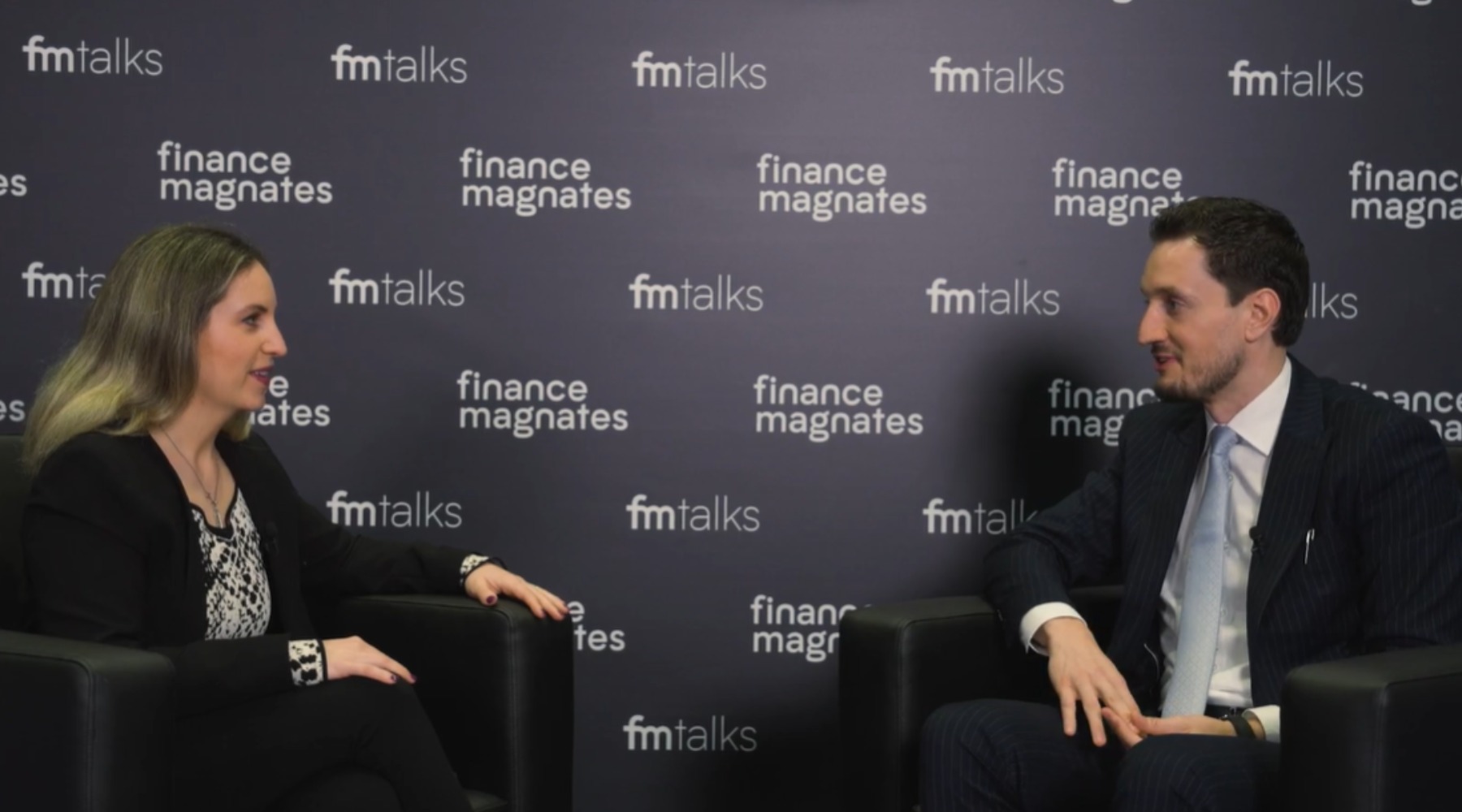
A Q&A with Eran Elhanani, the Co-Founder of GamesPad
NFTS will play an unprecedented role in funding, brand collaborations and more in 2022.
2021 was the year of the non-fungible tokens or NFTs. Though they have been around since 2014, the world did not seem to take much note of these digitally unique tokens until around March, when several famous artists exploded onto the headlines with multi-million dollar NFT sales. Ever since then, NFTs are everywhere: Google searches for the term spiked, major companies began minting them, and they even made an appearance on Saturday Night Live. But now, the year of the NFT is drawing to a close. So, what’s next?
Eran Elhanani is the Co-Founder of GamesPad, a company that is working to democratize investments in crypto gaming, encouraging a culture of long-term crypto investors sector, and providing a comprehensive ecosystem for crypto gaming startups. We spoke to Eran about his thoughts on how the NFT market will evolve in the year ahead.
Q: What do you think the most important NFT trend was in 2021?
We saw a ton of growth in NFT markets in 2021. By some records, the total valuation of all NFT markets surpassed $27 billion. In general, this adoption was the most significant change over the course of the year, but it's important to look at the different factors that led to its growth.
If you think back to March 2021, there were quite a few multi-million dollar art NFT sales that caught the world’s attention. There was the Beeple that sold for $69 million; Grimes raked in $6 million for her first NFT drop. And, since then, many other artistic creators have entered the NFT space for the first time. Simultaneously, innovators began exploring how NFT tech could be used in real estate, digital identity, the automotive industry and beyond.
But, the most important piece of the NFT market surge was the evolution of how this technology is used in gaming. Non-fungible token tech has been used to create in-game assets that hold 'real-world' value independently of the platform where they originated: tokenized digital weapons that digital warriors can don in battle, virtual racehorses that are bred for their strength and speed and much more.
And, with a growing number of mainstream gaming companies adopting NFTs, we predict huge growth in this sector. According to a report by Forte.io, the gaming market is estimated to reach $218.7 billion by 2024. Thus, NFTs will play a major role in that.
Eran Elhanani, co-founder of GamesPad
Q: How will this affect the NFT market’s evolution in 2022?
For one thing, NFTS will enable new kinds of partnerships between major brands. For example, the digital figures sold in Adidas’ recent NFT drop could one day be used as avatars in virtual worlds created by companies in a range of industries. Imagine attending a virtual concert, visiting a digital art gallery, or playing your favorite VR game as your Adidas avatar. And, NFT collaborations can also span across both virtual and physical products, for example, physical clothing brands can also offer their customers tokenized wearables that can be worn in the metaverse.
We believe that these kinds of partnerships will fuel the growth of blockchain gaming. As our cultural fascination with the metaverse continues to grow, and companies like Facebook continue to build the infrastructure of the virtual world, people are going to be spending more time in digital environments. Not only do NFTs give people the opportunity to make their virtual self-presentation unique, they also give people the opportunity to build and create self-sovereign value in the digital economy. That’s going to be incredibly important in the future.
Q: Any other predictions for NFTs in 2022?
People are starting to realize the potential revenue that NFTs can produce. CryptoPunks, the Bored Ape Yacht Club, Axie Infinity, Pegaxy and more have raked in tens of millions of dollars. And, companies are starting to get wise to the fact that NFTs are an incredibly accessible and efficient way of raising capital. For instance, GamesPad is pioneering the INO or Initial NFT Offering. Using this method, projects can raise funds by offering a set of first-generation NFTs, or genesis NFTs, for a certain period of time. These NFTs later play a role in the platform that the project builds and can be sold by investors in the future. Further, anyone with a crypto wallet can buy NFTs, which makes investing in early-stage investments accessible to entirely new groups of people. It’s a win-win.
This is just one innovation in how NFTs can be used to fuel the creation of the future. The bottom line is that the world follows the money, and the money is flowing into NFTs.
2021 was the year of the non-fungible tokens or NFTs. Though they have been around since 2014, the world did not seem to take much note of these digitally unique tokens until around March, when several famous artists exploded onto the headlines with multi-million dollar NFT sales. Ever since then, NFTs are everywhere: Google searches for the term spiked, major companies began minting them, and they even made an appearance on Saturday Night Live. But now, the year of the NFT is drawing to a close. So, what’s next?
Eran Elhanani is the Co-Founder of GamesPad, a company that is working to democratize investments in crypto gaming, encouraging a culture of long-term crypto investors sector, and providing a comprehensive ecosystem for crypto gaming startups. We spoke to Eran about his thoughts on how the NFT market will evolve in the year ahead.
Q: What do you think the most important NFT trend was in 2021?
We saw a ton of growth in NFT markets in 2021. By some records, the total valuation of all NFT markets surpassed $27 billion. In general, this adoption was the most significant change over the course of the year, but it's important to look at the different factors that led to its growth.
If you think back to March 2021, there were quite a few multi-million dollar art NFT sales that caught the world’s attention. There was the Beeple that sold for $69 million; Grimes raked in $6 million for her first NFT drop. And, since then, many other artistic creators have entered the NFT space for the first time. Simultaneously, innovators began exploring how NFT tech could be used in real estate, digital identity, the automotive industry and beyond.
But, the most important piece of the NFT market surge was the evolution of how this technology is used in gaming. Non-fungible token tech has been used to create in-game assets that hold 'real-world' value independently of the platform where they originated: tokenized digital weapons that digital warriors can don in battle, virtual racehorses that are bred for their strength and speed and much more.
And, with a growing number of mainstream gaming companies adopting NFTs, we predict huge growth in this sector. According to a report by Forte.io, the gaming market is estimated to reach $218.7 billion by 2024. Thus, NFTs will play a major role in that.
Eran Elhanani, co-founder of GamesPad
Q: How will this affect the NFT market’s evolution in 2022?
For one thing, NFTS will enable new kinds of partnerships between major brands. For example, the digital figures sold in Adidas’ recent NFT drop could one day be used as avatars in virtual worlds created by companies in a range of industries. Imagine attending a virtual concert, visiting a digital art gallery, or playing your favorite VR game as your Adidas avatar. And, NFT collaborations can also span across both virtual and physical products, for example, physical clothing brands can also offer their customers tokenized wearables that can be worn in the metaverse.
We believe that these kinds of partnerships will fuel the growth of blockchain gaming. As our cultural fascination with the metaverse continues to grow, and companies like Facebook continue to build the infrastructure of the virtual world, people are going to be spending more time in digital environments. Not only do NFTs give people the opportunity to make their virtual self-presentation unique, they also give people the opportunity to build and create self-sovereign value in the digital economy. That’s going to be incredibly important in the future.
Q: Any other predictions for NFTs in 2022?
People are starting to realize the potential revenue that NFTs can produce. CryptoPunks, the Bored Ape Yacht Club, Axie Infinity, Pegaxy and more have raked in tens of millions of dollars. And, companies are starting to get wise to the fact that NFTs are an incredibly accessible and efficient way of raising capital. For instance, GamesPad is pioneering the INO or Initial NFT Offering. Using this method, projects can raise funds by offering a set of first-generation NFTs, or genesis NFTs, for a certain period of time. These NFTs later play a role in the platform that the project builds and can be sold by investors in the future. Further, anyone with a crypto wallet can buy NFTs, which makes investing in early-stage investments accessible to entirely new groups of people. It’s a win-win.
This is just one innovation in how NFTs can be used to fuel the creation of the future. The bottom line is that the world follows the money, and the money is flowing into NFTs.
Crypto Built More Rails, but the Next Battle Is Over How Much Work a Dollar Can Do
FP Markets Winner Spotlight 🏆 | Global Broker of the Year 2025 #Trading #Broker #Innovation #Shorts
FP Markets Winner Spotlight 🏆 | Global Broker of the Year 2025 #Trading #Broker #Innovation #Shorts
FP Markets takes the spotlight as Global Broker of the Year 2025 at the Finance Magnates Awards.
Martin Stoilov, Head of Client Experience, shares that trust, innovation, and people played a key role in the company’s success, supported by a strong foundation of integrity and client-centricity.
Following this milestone, FP Markets continues to focus on growth, technology investment, and its core values of transparency and excellence.
👉 Be part of FM Awards 2026: https://awards.financemagnates.com/#nominate
FP Markets takes the spotlight as Global Broker of the Year 2025 at the Finance Magnates Awards.
Martin Stoilov, Head of Client Experience, shares that trust, innovation, and people played a key role in the company’s success, supported by a strong foundation of integrity and client-centricity.
Following this milestone, FP Markets continues to focus on growth, technology investment, and its core values of transparency and excellence.
👉 Be part of FM Awards 2026: https://awards.financemagnates.com/#nominate
In this video, we review @HolaPrimeMarketsOfficial, a multi-asset forex and CFDs broker offering different account types, trading platforms, and flexible trading conditions.
We cover the broker’s overall offering, including account options, trading environment, platforms like MT4 and MT5, and additional services such as managed accounts and fast withdrawals.
Watch the full video to see if Hola Prime Markets fits your trading needs.
📣 Stay up to date with the latest in finance and trading. Follow Finance Magnates for industry news, insights, and global event coverage.
Connect with us:
🔗 LinkedIn: /financemagnates
👍 Facebook: /financemagnates
📸 Instagram: https://www.instagram.com/financemagnates
🐦 X: https://x.com/financemagnates
🎥 TikTok: https://www.tiktok.com/tag/financemagnates
▶️ YouTube: /@financemagnates_official
#HolaPrime #ForexBroker #CFDTrading #FinanceMagnates #Trading #Forex #BrokerReview
In this video, we review @HolaPrimeMarketsOfficial, a multi-asset forex and CFDs broker offering different account types, trading platforms, and flexible trading conditions.
We cover the broker’s overall offering, including account options, trading environment, platforms like MT4 and MT5, and additional services such as managed accounts and fast withdrawals.
Watch the full video to see if Hola Prime Markets fits your trading needs.
📣 Stay up to date with the latest in finance and trading. Follow Finance Magnates for industry news, insights, and global event coverage.
Connect with us:
🔗 LinkedIn: /financemagnates
👍 Facebook: /financemagnates
📸 Instagram: https://www.instagram.com/financemagnates
🐦 X: https://x.com/financemagnates
🎥 TikTok: https://www.tiktok.com/tag/financemagnates
▶️ YouTube: /@financemagnates_official
#HolaPrime #ForexBroker #CFDTrading #FinanceMagnates #Trading #Forex #BrokerReview
Hola Prime Review: What You Need to Know | Full Breakdown by Finance Magnates
Hola Prime Review: What You Need to Know | Full Breakdown by Finance Magnates
In this video, we review @HolaPrime_Global, a proprietary trading firm offering evaluation programs and performance-based payouts in simulated market environments.
We cover how the challenge model works, including account types, profit splits (up to 95%), trading rules, and what it takes to reach a funded account. You’ll also learn about available platforms like MT4, MT5, cTrader, and more, along with insights into payouts, support, and trading conditions.
Watch the full video to see if Hola Prime fits your trading style.
📣 Stay up to date with the latest in finance and trading. Follow Finance Magnates for industry news, insights, and global event coverage.
Connect with us:
🔗 LinkedIn: /financemagnates
👍 Facebook: /financemagnates
📸 Instagram: https://www.instagram.com/financemagnates
🐦 X: https://x.com/financemagnates
🎥 TikTok: https://www.tiktok.com/tag/financemagnates
▶️ YouTube: /@financemagnates_official
#HolaPrime #PropFirm #Trading #FinanceMagnates #Forex #FuturesTrading #TradingReview #PropFirmReview
In this video, we review @HolaPrime_Global, a proprietary trading firm offering evaluation programs and performance-based payouts in simulated market environments.
We cover how the challenge model works, including account types, profit splits (up to 95%), trading rules, and what it takes to reach a funded account. You’ll also learn about available platforms like MT4, MT5, cTrader, and more, along with insights into payouts, support, and trading conditions.
Watch the full video to see if Hola Prime fits your trading style.
📣 Stay up to date with the latest in finance and trading. Follow Finance Magnates for industry news, insights, and global event coverage.
Connect with us:
🔗 LinkedIn: /financemagnates
👍 Facebook: /financemagnates
📸 Instagram: https://www.instagram.com/financemagnates
🐦 X: https://x.com/financemagnates
🎥 TikTok: https://www.tiktok.com/tag/financemagnates
▶️ YouTube: /@financemagnates_official
#HolaPrime #PropFirm #Trading #FinanceMagnates #Forex #FuturesTrading #TradingReview #PropFirmReview
Axi Winner Spotlight 🏆 | Global Most Innovative Broker 2025 #Innovation #Trading #Fintech #Broker
Axi Winner Spotlight 🏆 | Global Most Innovative Broker 2025 #Innovation #Trading #Fintech #Broker
Axi takes the spotlight at the Finance Magnates Awards, winning Global Most Innovative Broker 2025.
Olivia Xenofontos and Ivanna Openko share how the team will feel: proud, motivated, and ready to keep delivering.
They also describe the night as well-organized, focused, and enjoyable for all.
👉 Be part of FM Awards 2026.
Axi takes the spotlight at the Finance Magnates Awards, winning Global Most Innovative Broker 2025.
Olivia Xenofontos and Ivanna Openko share how the team will feel: proud, motivated, and ready to keep delivering.
They also describe the night as well-organized, focused, and enjoyable for all.
👉 Be part of FM Awards 2026.
Recognition that matters.
Built on transparency.
Driven by the industry.
The Finance Magnates Awards 2026.
Nominations are now open.
🔗 https://awards.financemagnates.com/?utm_source=SM&utm_medium=social&utm_campaign=recognition-matters
Recognition that matters.
Built on transparency.
Driven by the industry.
The Finance Magnates Awards 2026.
Nominations are now open.
🔗 https://awards.financemagnates.com/?utm_source=SM&utm_medium=social&utm_campaign=recognition-matters