The UK regulator wants to ban crypto purchases using credit cards or other forms of credit.
It is seeking public feedback on the discussion paper Regulating Cryptoassets Activities.
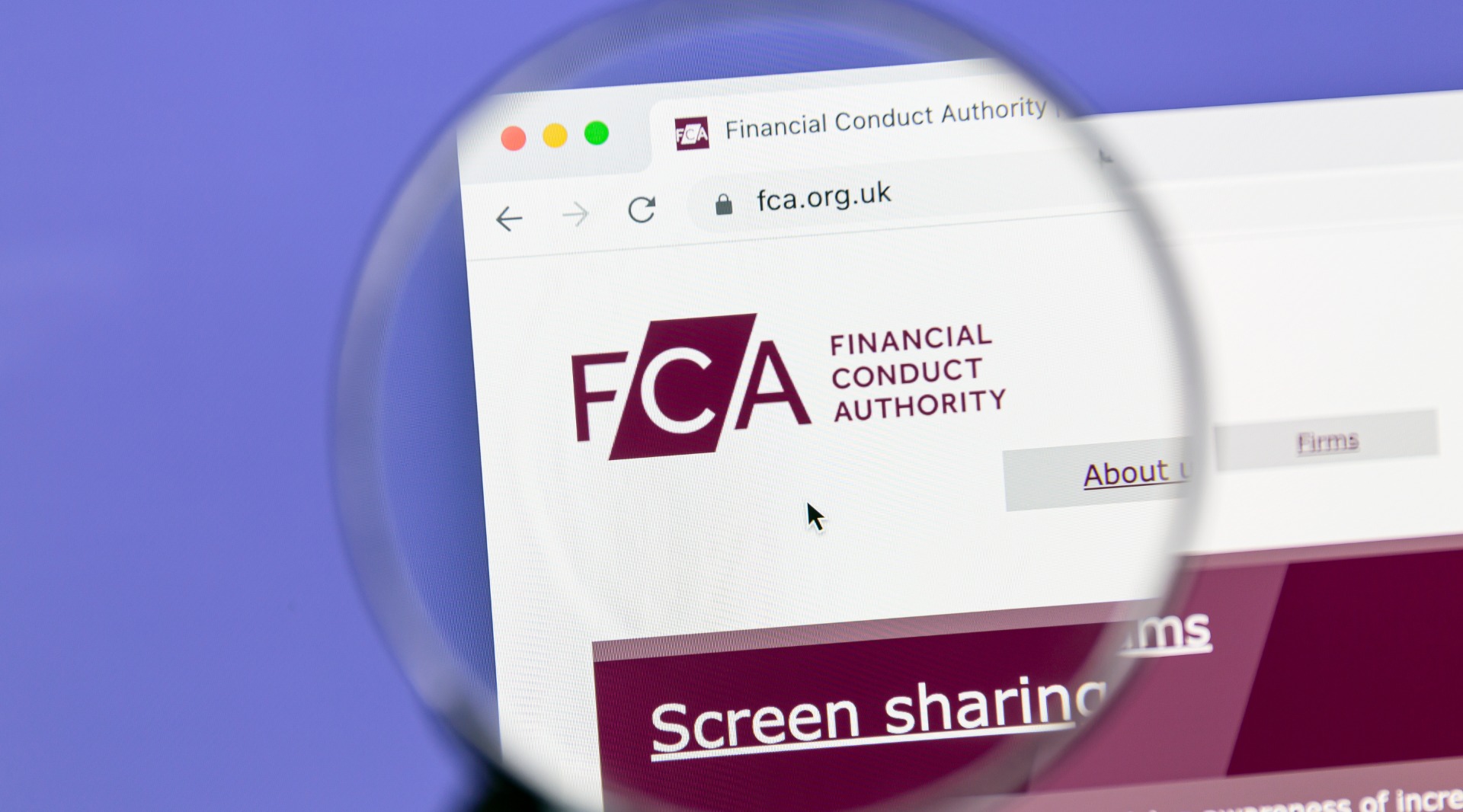
The UK’s Financial Conduct Authority (FCA) is exploring restrictions on UK residents purchasing cryptocurrencies on credit, and is now seeking public feedback on this and other proposed regulatory measures.
“We are considering a range of restrictions, including limiting the use of credit cards to directly buy cryptoassets, and using a credit line provided by an e-money firm to do so,” the discussion paper titled Regulating Cryptoassets Activities noted.
However, the British agency would exempt authorised stablecoin purchases from these credit restrictions.
The proposal came only a few days after the UK government announced its plans to regulate the local cryptocurrency industry. According to a recent YouGov survey, the number of Britons purchasing cryptocurrencies more than doubled, from 6 per cent in 2022 to 14 per cent last year.
David Geale, Executive Director of Payments and Digital Finance at the FCA
“Crypto is a growing industry. Currently largely unregulated, we want to create a crypto regime that gives firms the clarity they need to safely innovate, while delivering appropriate levels of market integrity and consumer protection,” said David Geale, Executive Director of Payments and Digital Finance at the FCA.
“Our aim is to drive sustainable, long-term growth of crypto in the UK.”
Read more: UK Targets Crypto Exchanges With New Rules as Adoption Triples to 12%
Currently, the FCA requires all locally operated crypto firms to register with it. However, its oversight is limited to anti-money laundering rules, the financial promotions regime, and consumer protection legislation.
Despite the mandatory registration requirement, the FCA rejected 86 per cent of applications from crypto firms in the 12 months ending April 2024. In the ongoing financial year, however, the rejection rate has declined to 75 per cent.
Controlling the Operations of Crypto Platforms
The British regulator has also raised concerns about market abuse, disclosures, stablecoins, custody, and prudential matters.
It proposes that all crypto trading platforms must treat trades equally, separate their proprietary trading activities from those of retail customers, and be transparent about pricing and trade executions. Furthermore, the discussion paper proposed banning trading platforms from paying intermediaries for order flow.
The FCA would also require crypto companies offering services in the UK to operate through an authorised local legal entity. Additionally, consumers with staked cryptocurrencies who suffer losses due to third-party actions must be compensated.
Although the regulator does not intend to cover decentralised finance operations run solely by lines of code, any such platform with a “clear controlling person” would fall under the scope of UK crypto regulations.
The UK’s Financial Conduct Authority (FCA) is exploring restrictions on UK residents purchasing cryptocurrencies on credit, and is now seeking public feedback on this and other proposed regulatory measures.
“We are considering a range of restrictions, including limiting the use of credit cards to directly buy cryptoassets, and using a credit line provided by an e-money firm to do so,” the discussion paper titled Regulating Cryptoassets Activities noted.
However, the British agency would exempt authorised stablecoin purchases from these credit restrictions.
The proposal came only a few days after the UK government announced its plans to regulate the local cryptocurrency industry. According to a recent YouGov survey, the number of Britons purchasing cryptocurrencies more than doubled, from 6 per cent in 2022 to 14 per cent last year.
David Geale, Executive Director of Payments and Digital Finance at the FCA
“Crypto is a growing industry. Currently largely unregulated, we want to create a crypto regime that gives firms the clarity they need to safely innovate, while delivering appropriate levels of market integrity and consumer protection,” said David Geale, Executive Director of Payments and Digital Finance at the FCA.
“Our aim is to drive sustainable, long-term growth of crypto in the UK.”
Read more: UK Targets Crypto Exchanges With New Rules as Adoption Triples to 12%
Currently, the FCA requires all locally operated crypto firms to register with it. However, its oversight is limited to anti-money laundering rules, the financial promotions regime, and consumer protection legislation.
Despite the mandatory registration requirement, the FCA rejected 86 per cent of applications from crypto firms in the 12 months ending April 2024. In the ongoing financial year, however, the rejection rate has declined to 75 per cent.
Controlling the Operations of Crypto Platforms
The British regulator has also raised concerns about market abuse, disclosures, stablecoins, custody, and prudential matters.
It proposes that all crypto trading platforms must treat trades equally, separate their proprietary trading activities from those of retail customers, and be transparent about pricing and trade executions. Furthermore, the discussion paper proposed banning trading platforms from paying intermediaries for order flow.
The FCA would also require crypto companies offering services in the UK to operate through an authorised local legal entity. Additionally, consumers with staked cryptocurrencies who suffer losses due to third-party actions must be compensated.
Although the regulator does not intend to cover decentralised finance operations run solely by lines of code, any such platform with a “clear controlling person” would fall under the scope of UK crypto regulations.
Arnab Shome is an electronics engineer-turned-financial editor. He holds a Bachelor of Technology from the National Institute of Technology, Agartala. He entered the retail trading industry about a decade ago, covering the cryptocurrency market for Finance Magnates, and later expanded his coverage to include forex and CFDs as well.
His work at Finance Magnates includes C-level interviews, data-driven analysis, opinion pieces, and scoops of industry exclusives. He also contributes to Finance Magnates’ quarterly industry report.
Area of coverage:
1. CFD broker-related news
2. Industry-related Regulatory updates and developments
3. New retail trading trends
4. Prop trading industry updates
5. Executive interviews
Education:
Bachelor of Technology - National Institute of Technology, Agartala (India)
Kraken Steps Up Speed Race with New Equinix Colocation Service for Crypto Traders
FP Markets Winner Spotlight 🏆 | Global Broker of the Year 2025 #Trading #Broker #Innovation #Shorts
FP Markets Winner Spotlight 🏆 | Global Broker of the Year 2025 #Trading #Broker #Innovation #Shorts
FP Markets takes the spotlight as Global Broker of the Year 2025 at the Finance Magnates Awards.
Martin Stoilov, Head of Client Experience, shares that trust, innovation, and people played a key role in the company’s success, supported by a strong foundation of integrity and client-centricity.
Following this milestone, FP Markets continues to focus on growth, technology investment, and its core values of transparency and excellence.
👉 Be part of FM Awards 2026: https://awards.financemagnates.com/#nominate
FP Markets takes the spotlight as Global Broker of the Year 2025 at the Finance Magnates Awards.
Martin Stoilov, Head of Client Experience, shares that trust, innovation, and people played a key role in the company’s success, supported by a strong foundation of integrity and client-centricity.
Following this milestone, FP Markets continues to focus on growth, technology investment, and its core values of transparency and excellence.
👉 Be part of FM Awards 2026: https://awards.financemagnates.com/#nominate
In this video, we review @HolaPrimeMarketsOfficial, a multi-asset forex and CFDs broker offering different account types, trading platforms, and flexible trading conditions.
We cover the broker’s overall offering, including account options, trading environment, platforms like MT4 and MT5, and additional services such as managed accounts and fast withdrawals.
Watch the full video to see if Hola Prime Markets fits your trading needs.
📣 Stay up to date with the latest in finance and trading. Follow Finance Magnates for industry news, insights, and global event coverage.
Connect with us:
🔗 LinkedIn: /financemagnates
👍 Facebook: /financemagnates
📸 Instagram: https://www.instagram.com/financemagnates
🐦 X: https://x.com/financemagnates
🎥 TikTok: https://www.tiktok.com/tag/financemagnates
▶️ YouTube: /@financemagnates_official
#HolaPrime #ForexBroker #CFDTrading #FinanceMagnates #Trading #Forex #BrokerReview
In this video, we review @HolaPrimeMarketsOfficial, a multi-asset forex and CFDs broker offering different account types, trading platforms, and flexible trading conditions.
We cover the broker’s overall offering, including account options, trading environment, platforms like MT4 and MT5, and additional services such as managed accounts and fast withdrawals.
Watch the full video to see if Hola Prime Markets fits your trading needs.
📣 Stay up to date with the latest in finance and trading. Follow Finance Magnates for industry news, insights, and global event coverage.
Connect with us:
🔗 LinkedIn: /financemagnates
👍 Facebook: /financemagnates
📸 Instagram: https://www.instagram.com/financemagnates
🐦 X: https://x.com/financemagnates
🎥 TikTok: https://www.tiktok.com/tag/financemagnates
▶️ YouTube: /@financemagnates_official
#HolaPrime #ForexBroker #CFDTrading #FinanceMagnates #Trading #Forex #BrokerReview
Hola Prime Review: What You Need to Know | Full Breakdown by Finance Magnates
Hola Prime Review: What You Need to Know | Full Breakdown by Finance Magnates
In this video, we review @HolaPrime_Global, a proprietary trading firm offering evaluation programs and performance-based payouts in simulated market environments.
We cover how the challenge model works, including account types, profit splits (up to 95%), trading rules, and what it takes to reach a funded account. You’ll also learn about available platforms like MT4, MT5, cTrader, and more, along with insights into payouts, support, and trading conditions.
Watch the full video to see if Hola Prime fits your trading style.
📣 Stay up to date with the latest in finance and trading. Follow Finance Magnates for industry news, insights, and global event coverage.
Connect with us:
🔗 LinkedIn: /financemagnates
👍 Facebook: /financemagnates
📸 Instagram: https://www.instagram.com/financemagnates
🐦 X: https://x.com/financemagnates
🎥 TikTok: https://www.tiktok.com/tag/financemagnates
▶️ YouTube: /@financemagnates_official
#HolaPrime #PropFirm #Trading #FinanceMagnates #Forex #FuturesTrading #TradingReview #PropFirmReview
In this video, we review @HolaPrime_Global, a proprietary trading firm offering evaluation programs and performance-based payouts in simulated market environments.
We cover how the challenge model works, including account types, profit splits (up to 95%), trading rules, and what it takes to reach a funded account. You’ll also learn about available platforms like MT4, MT5, cTrader, and more, along with insights into payouts, support, and trading conditions.
Watch the full video to see if Hola Prime fits your trading style.
📣 Stay up to date with the latest in finance and trading. Follow Finance Magnates for industry news, insights, and global event coverage.
Connect with us:
🔗 LinkedIn: /financemagnates
👍 Facebook: /financemagnates
📸 Instagram: https://www.instagram.com/financemagnates
🐦 X: https://x.com/financemagnates
🎥 TikTok: https://www.tiktok.com/tag/financemagnates
▶️ YouTube: /@financemagnates_official
#HolaPrime #PropFirm #Trading #FinanceMagnates #Forex #FuturesTrading #TradingReview #PropFirmReview
Axi Winner Spotlight 🏆 | Global Most Innovative Broker 2025 #Innovation #Trading #Fintech #Broker
Axi Winner Spotlight 🏆 | Global Most Innovative Broker 2025 #Innovation #Trading #Fintech #Broker
Axi takes the spotlight at the Finance Magnates Awards, winning Global Most Innovative Broker 2025.
Olivia Xenofontos and Ivanna Openko share how the team will feel: proud, motivated, and ready to keep delivering.
They also describe the night as well-organized, focused, and enjoyable for all.
👉 Be part of FM Awards 2026.
Axi takes the spotlight at the Finance Magnates Awards, winning Global Most Innovative Broker 2025.
Olivia Xenofontos and Ivanna Openko share how the team will feel: proud, motivated, and ready to keep delivering.
They also describe the night as well-organized, focused, and enjoyable for all.
👉 Be part of FM Awards 2026.
Recognition that matters.
Built on transparency.
Driven by the industry.
The Finance Magnates Awards 2026.
Nominations are now open.
🔗 https://awards.financemagnates.com/?utm_source=SM&utm_medium=social&utm_campaign=recognition-matters
Recognition that matters.
Built on transparency.
Driven by the industry.
The Finance Magnates Awards 2026.
Nominations are now open.
🔗 https://awards.financemagnates.com/?utm_source=SM&utm_medium=social&utm_campaign=recognition-matters