Financial and Business News

Coinbase Finds a Global Regulatory Base in Ireland as US Tightens Grip

Thursday, 19/10/2023 | 08:54 GMT by Damian Chmiel
  • Coinbase is betting on Europe, specifically Ireland.
  • The Old Continent is set to become the exchange's global regulatory base.
Ireland
FM

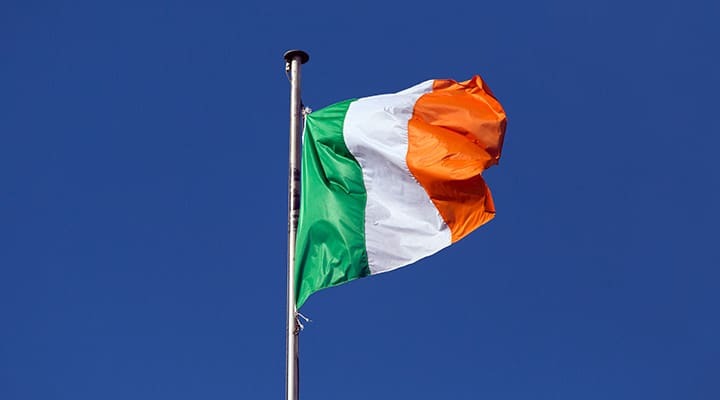
Facing challenges in the US, the crypto exchange Coinbase has identified its primary global regulatory hub as Ireland. The platform has already applied for a license from the Central Bank of Ireland, aiming to align with new European regulations set to take effect in December 2024.

Coinbase Chooses Ireland amid Regulatory Challenges in the US

As the US tightens regulatory measures on cryptocurrency companies and the future of the market in the country remains uncertain, Coinbase has started looking for alternatives.

The European Union's (EU) Markets in Crypto-Assets (MiCA) regulations, which will come into effect at the end of last year, are expected to provide such. If Coinbase secures a license from Ireland's central bank, it will be able to offer its services to all EU customers under "passporting" rights, opening up to a base of 450 million people.

Why Ireland over France, Germany, or Italy? In a conversation with CNBC, which first reported the news, Coinbase revealed that it has been operating its office in Dublin for over five years, employing a team of more than 100 professionals there. Ireland was, therefore, a natural choice.

Coinbase is confident it will secure a license in Ireland and be prepared from day one when MiCA regulations come into effect, Nana Murugesan, the Vice President of Coinbase's International Operations, said to CNBC.

MiCA and Legal Challenges in the US

MiCA establishes a standardized regulatory landscape for digital assets throughout the European Union. Officially sanctioned in May 2023, this groundbreaking crypto law is slated to be implemented in December 2024, with a potential transition period extending to July 2026, depending on the individual EU member state.

The regulation aims to safeguard European consumers, promote environmental sustainability, and combat money laundering in the crypto sector. It mandates that digital asset exchanges and wallet providers secure a license to operate in any EU country and requires stablecoin issuers to maintain adequate reserves.

While Europe fosters a conducive regulatory environment for crypto businesses, the United States is taking legal action against them. In June, the two largest US-based exchanges, Binance and Coinbase, faced lawsuits. The Securities and Exchange Commission (SEC) has accused Coinbase of running an unauthorized trading platform that offered unregistered digital asset securities. The SEC also alleged that Coinbase had been operating a staking-as-a-service program without proper authorization.

This legal action against Coinbase followed closely on the heels of charges against Binance, the world's leading crypto exchange by trading volume, for allegedly running an illegal operation.


Facing challenges in the US, the crypto exchange Coinbase has identified its primary global regulatory hub as Ireland. The platform has already applied for a license from the Central Bank of Ireland, aiming to align with new European regulations set to take effect in December 2024.

Coinbase Chooses Ireland amid Regulatory Challenges in the US

As the US tightens regulatory measures on cryptocurrency companies and the future of the market in the country remains uncertain, Coinbase has started looking for alternatives.

The European Union's (EU) Markets in Crypto-Assets (MiCA) regulations, which will come into effect at the end of last year, are expected to provide such. If Coinbase secures a license from Ireland's central bank, it will be able to offer its services to all EU customers under "passporting" rights, opening up to a base of 450 million people.

Why Ireland over France, Germany, or Italy? In a conversation with CNBC, which first reported the news, Coinbase revealed that it has been operating its office in Dublin for over five years, employing a team of more than 100 professionals there. Ireland was, therefore, a natural choice.

Coinbase is confident it will secure a license in Ireland and be prepared from day one when MiCA regulations come into effect, Nana Murugesan, the Vice President of Coinbase's International Operations, said to CNBC.

MiCA and Legal Challenges in the US

MiCA establishes a standardized regulatory landscape for digital assets throughout the European Union. Officially sanctioned in May 2023, this groundbreaking crypto law is slated to be implemented in December 2024, with a potential transition period extending to July 2026, depending on the individual EU member state.

The regulation aims to safeguard European consumers, promote environmental sustainability, and combat money laundering in the crypto sector. It mandates that digital asset exchanges and wallet providers secure a license to operate in any EU country and requires stablecoin issuers to maintain adequate reserves.

While Europe fosters a conducive regulatory environment for crypto businesses, the United States is taking legal action against them. In June, the two largest US-based exchanges, Binance and Coinbase, faced lawsuits. The Securities and Exchange Commission (SEC) has accused Coinbase of running an unauthorized trading platform that offered unregistered digital asset securities. The SEC also alleged that Coinbase had been operating a staking-as-a-service program without proper authorization.

This legal action against Coinbase followed closely on the heels of charges against Binance, the world's leading crypto exchange by trading volume, for allegedly running an illegal operation.
About the Author: Damian Chmiel
Damian Chmiel
  • 3352 Articles
  • 105 Followers
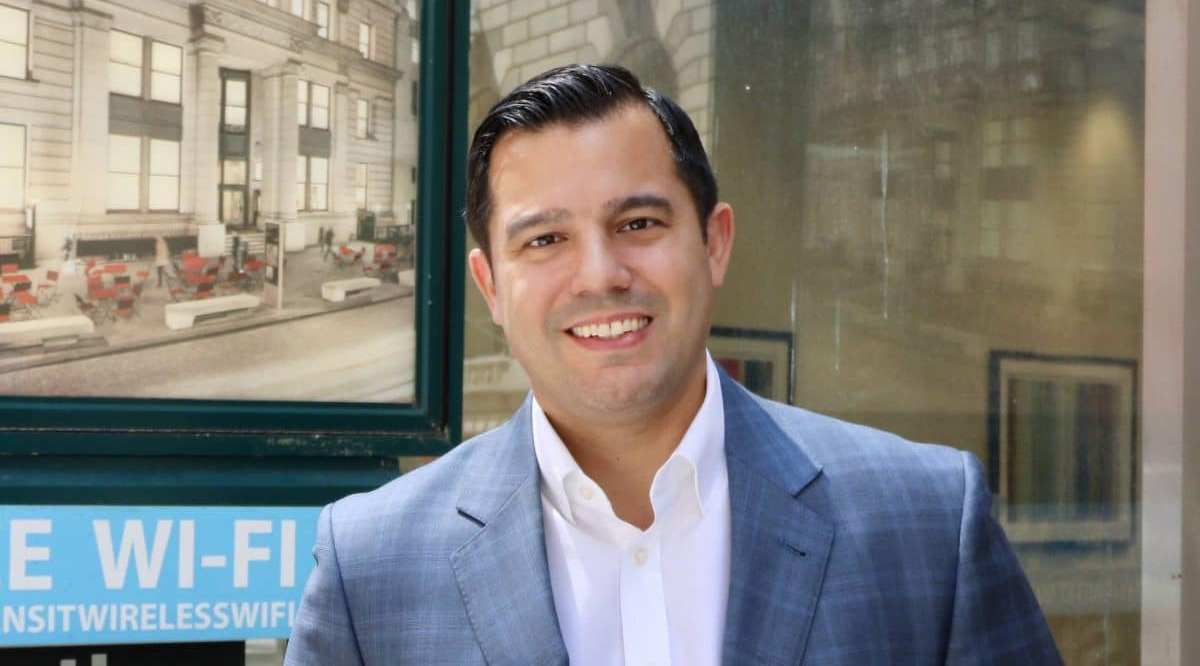
Damian Chmiel is a Senior Analyst & Editor at Finance Magnates with more than 15 years of experience in the CFD and online trading industry. Active as both a trader and journalist since 2010, he focuses on broker coverage, fintech innovation, and regulatory developments across Europe, the Middle East, and Asia. His work includes interviews with C-level leaders at major brokerages and fintech platforms, as well as co-authoring Finance Magnates’ quarterly industry benchmarking reports. Damian’s reporting is data-driven, market-aware, and grounded in direct industry engagement. His analysis and commentary have also been cited by external media outlets, including Investing.com, Binance, The Asset, Stockhead, and Dispatch. Education: MA in Finance and Accounting, Cracow University of Economics

More from the Author

CryptoCurrency