Although the limit only applies to crypto ATM operators, it is expected that crypto exchanges will adopt similar restrictions.
Currently, Australia has 1,800 active crypto ATMs.
Australia’s national financial intelligence agency has introduced new rules concerning cryptocurrency ATMs, which include setting cash deposit and withdrawal limits of AU$5,000 (around US$3,250).
Restrictions on Crypto ATM Operators
In an announcement today (Tuesday), the Australian Transaction Reports and Analysis Centre (AUSTRAC) explained that there will be enhanced customer due diligence requirements, mandatory scam warnings, and obligations for stronger transaction monitoring.
While AUSTRAC’s rules only apply to crypto ATM operators, it also expects local digital currency exchanges to consider adopting similar limits if they accept cash for crypto transactions.
The agency found that people aged between 60 and 70 were the most frequent users of crypto ATMs in the country.
Brendan Thomas, AUSTRAC’s CEO (Photo: LinkedIn)
“It is a huge concern that people in this demographic are overrepresented as customers using cash to purchase cryptocurrency and, as evidence suggests, that a large number of 60–70-year-old users are victims of scam activity,” said AUSTRAC’s CEO, Brendan Thomas.
A Massive Market for Crypto ATMs
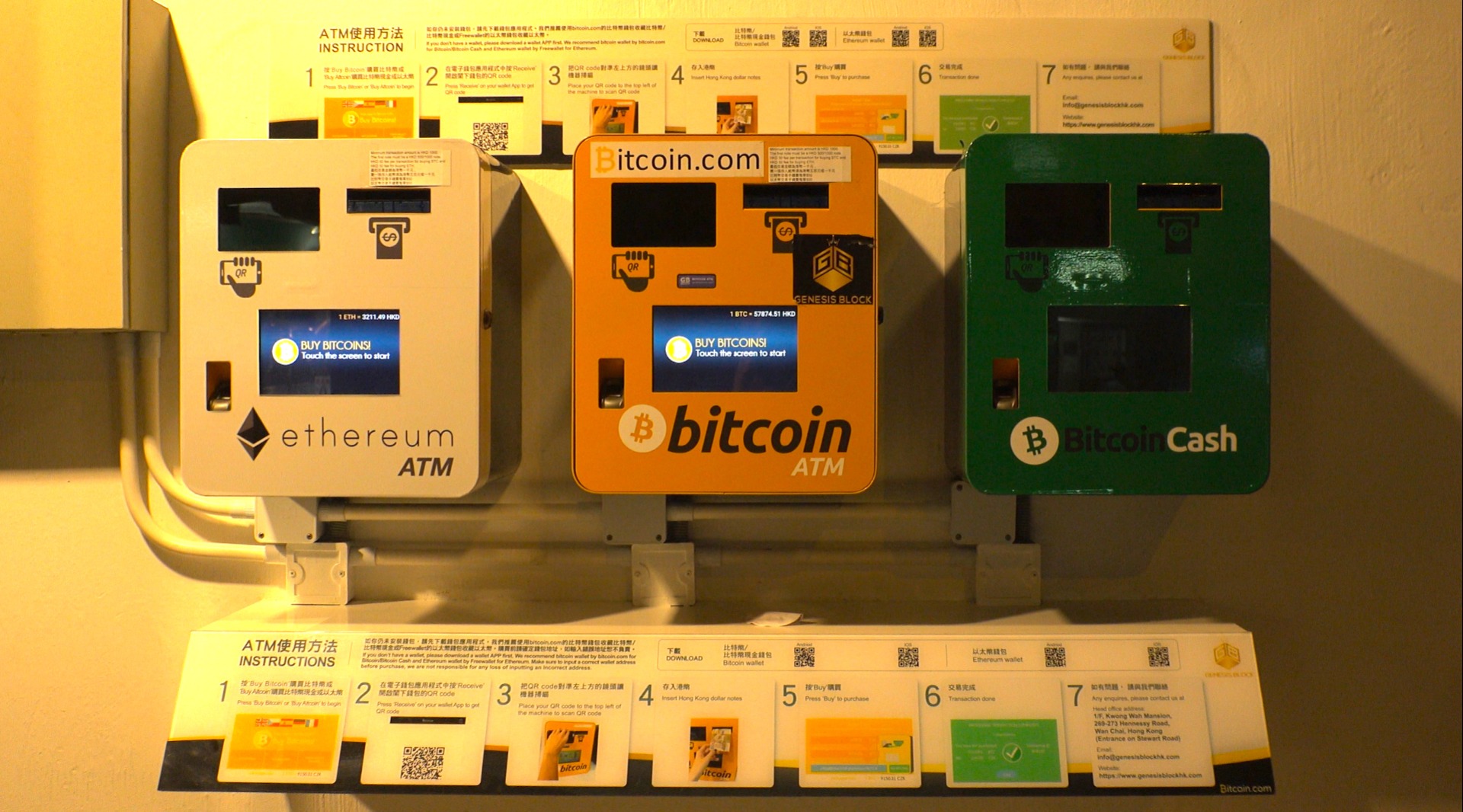
Crypto ATMs work similarly to regular ATMs but facilitate exchanges between cash and cryptocurrency. These transactions often carry high fees.
According to AUSTRAC, the number of crypto ATMs in Australia has increased more than fifteenfold in two years—from just 23 in 2019, to 60 in 2022, and over 1,200 in 2024. There are now more than 1,800 active crypto ATMs operating across the country.
Data from Coin ATM Radar also shows that Australia ranks as the third-largest country by number of crypto ATM installations. Localcoin is the leading provider, operating 753 ATMs, followed by Coinflip with 700 and Bitcoin Depot with 182.
The regulator further estimated that nearly 150,000 transactions are made annually through these machines, moving around AU$275 million. The vast majority of those—about 99 per cent—are cash deposits used to purchase cryptocurrencies, primarily Bitcoin, Tether, and Ethereum.
“Crypto can be a high-risk investment, but people who consider and are willing to accept those risks may find it a convenient option,” Thomas added. “AUSTRAC will continue to monitor this space and take further action where we see harm occurring.”
Australia’s national financial intelligence agency has introduced new rules concerning cryptocurrency ATMs, which include setting cash deposit and withdrawal limits of AU$5,000 (around US$3,250).
Restrictions on Crypto ATM Operators
In an announcement today (Tuesday), the Australian Transaction Reports and Analysis Centre (AUSTRAC) explained that there will be enhanced customer due diligence requirements, mandatory scam warnings, and obligations for stronger transaction monitoring.
While AUSTRAC’s rules only apply to crypto ATM operators, it also expects local digital currency exchanges to consider adopting similar limits if they accept cash for crypto transactions.
The agency found that people aged between 60 and 70 were the most frequent users of crypto ATMs in the country.
Brendan Thomas, AUSTRAC’s CEO (Photo: LinkedIn)
“It is a huge concern that people in this demographic are overrepresented as customers using cash to purchase cryptocurrency and, as evidence suggests, that a large number of 60–70-year-old users are victims of scam activity,” said AUSTRAC’s CEO, Brendan Thomas.
A Massive Market for Crypto ATMs
Crypto ATMs work similarly to regular ATMs but facilitate exchanges between cash and cryptocurrency. These transactions often carry high fees.
According to AUSTRAC, the number of crypto ATMs in Australia has increased more than fifteenfold in two years—from just 23 in 2019, to 60 in 2022, and over 1,200 in 2024. There are now more than 1,800 active crypto ATMs operating across the country.
Data from Coin ATM Radar also shows that Australia ranks as the third-largest country by number of crypto ATM installations. Localcoin is the leading provider, operating 753 ATMs, followed by Coinflip with 700 and Bitcoin Depot with 182.
The regulator further estimated that nearly 150,000 transactions are made annually through these machines, moving around AU$275 million. The vast majority of those—about 99 per cent—are cash deposits used to purchase cryptocurrencies, primarily Bitcoin, Tether, and Ethereum.
“Crypto can be a high-risk investment, but people who consider and are willing to accept those risks may find it a convenient option,” Thomas added. “AUSTRAC will continue to monitor this space and take further action where we see harm occurring.”
Arnab Shome is an electronics engineer-turned-financial editor. He holds a Bachelor of Technology from the National Institute of Technology, Agartala. He entered the retail trading industry about a decade ago, covering the cryptocurrency market for Finance Magnates, and later expanded his coverage to include forex and CFDs as well.
His work at Finance Magnates includes C-level interviews, data-driven analysis, opinion pieces, and scoops of industry exclusives. He also contributes to Finance Magnates’ quarterly industry report.
Area of coverage:
1. CFD broker-related news
2. Industry-related Regulatory updates and developments
3. New retail trading trends
4. Prop trading industry updates
5. Executive interviews
Education:
Bachelor of Technology - National Institute of Technology, Agartala (India)
Kraken Steps Up Speed Race with New Equinix Colocation Service for Crypto Traders
FP Markets Winner Spotlight 🏆 | Global Broker of the Year 2025 #Trading #Broker #Innovation #Shorts
FP Markets Winner Spotlight 🏆 | Global Broker of the Year 2025 #Trading #Broker #Innovation #Shorts
FP Markets takes the spotlight as Global Broker of the Year 2025 at the Finance Magnates Awards.
Martin Stoilov, Head of Client Experience, shares that trust, innovation, and people played a key role in the company’s success, supported by a strong foundation of integrity and client-centricity.
Following this milestone, FP Markets continues to focus on growth, technology investment, and its core values of transparency and excellence.
👉 Be part of FM Awards 2026: https://awards.financemagnates.com/#nominate
FP Markets takes the spotlight as Global Broker of the Year 2025 at the Finance Magnates Awards.
Martin Stoilov, Head of Client Experience, shares that trust, innovation, and people played a key role in the company’s success, supported by a strong foundation of integrity and client-centricity.
Following this milestone, FP Markets continues to focus on growth, technology investment, and its core values of transparency and excellence.
👉 Be part of FM Awards 2026: https://awards.financemagnates.com/#nominate
In this video, we review @HolaPrimeMarketsOfficial, a multi-asset forex and CFDs broker offering different account types, trading platforms, and flexible trading conditions.
We cover the broker’s overall offering, including account options, trading environment, platforms like MT4 and MT5, and additional services such as managed accounts and fast withdrawals.
Watch the full video to see if Hola Prime Markets fits your trading needs.
📣 Stay up to date with the latest in finance and trading. Follow Finance Magnates for industry news, insights, and global event coverage.
Connect with us:
🔗 LinkedIn: /financemagnates
👍 Facebook: /financemagnates
📸 Instagram: https://www.instagram.com/financemagnates
🐦 X: https://x.com/financemagnates
🎥 TikTok: https://www.tiktok.com/tag/financemagnates
▶️ YouTube: /@financemagnates_official
#HolaPrime #ForexBroker #CFDTrading #FinanceMagnates #Trading #Forex #BrokerReview
In this video, we review @HolaPrimeMarketsOfficial, a multi-asset forex and CFDs broker offering different account types, trading platforms, and flexible trading conditions.
We cover the broker’s overall offering, including account options, trading environment, platforms like MT4 and MT5, and additional services such as managed accounts and fast withdrawals.
Watch the full video to see if Hola Prime Markets fits your trading needs.
📣 Stay up to date with the latest in finance and trading. Follow Finance Magnates for industry news, insights, and global event coverage.
Connect with us:
🔗 LinkedIn: /financemagnates
👍 Facebook: /financemagnates
📸 Instagram: https://www.instagram.com/financemagnates
🐦 X: https://x.com/financemagnates
🎥 TikTok: https://www.tiktok.com/tag/financemagnates
▶️ YouTube: /@financemagnates_official
#HolaPrime #ForexBroker #CFDTrading #FinanceMagnates #Trading #Forex #BrokerReview
Hola Prime Review: What You Need to Know | Full Breakdown by Finance Magnates
Hola Prime Review: What You Need to Know | Full Breakdown by Finance Magnates
In this video, we review @HolaPrime_Global, a proprietary trading firm offering evaluation programs and performance-based payouts in simulated market environments.
We cover how the challenge model works, including account types, profit splits (up to 95%), trading rules, and what it takes to reach a funded account. You’ll also learn about available platforms like MT4, MT5, cTrader, and more, along with insights into payouts, support, and trading conditions.
Watch the full video to see if Hola Prime fits your trading style.
📣 Stay up to date with the latest in finance and trading. Follow Finance Magnates for industry news, insights, and global event coverage.
Connect with us:
🔗 LinkedIn: /financemagnates
👍 Facebook: /financemagnates
📸 Instagram: https://www.instagram.com/financemagnates
🐦 X: https://x.com/financemagnates
🎥 TikTok: https://www.tiktok.com/tag/financemagnates
▶️ YouTube: /@financemagnates_official
#HolaPrime #PropFirm #Trading #FinanceMagnates #Forex #FuturesTrading #TradingReview #PropFirmReview
In this video, we review @HolaPrime_Global, a proprietary trading firm offering evaluation programs and performance-based payouts in simulated market environments.
We cover how the challenge model works, including account types, profit splits (up to 95%), trading rules, and what it takes to reach a funded account. You’ll also learn about available platforms like MT4, MT5, cTrader, and more, along with insights into payouts, support, and trading conditions.
Watch the full video to see if Hola Prime fits your trading style.
📣 Stay up to date with the latest in finance and trading. Follow Finance Magnates for industry news, insights, and global event coverage.
Connect with us:
🔗 LinkedIn: /financemagnates
👍 Facebook: /financemagnates
📸 Instagram: https://www.instagram.com/financemagnates
🐦 X: https://x.com/financemagnates
🎥 TikTok: https://www.tiktok.com/tag/financemagnates
▶️ YouTube: /@financemagnates_official
#HolaPrime #PropFirm #Trading #FinanceMagnates #Forex #FuturesTrading #TradingReview #PropFirmReview
Axi Winner Spotlight 🏆 | Global Most Innovative Broker 2025 #Innovation #Trading #Fintech #Broker
Axi Winner Spotlight 🏆 | Global Most Innovative Broker 2025 #Innovation #Trading #Fintech #Broker
Axi takes the spotlight at the Finance Magnates Awards, winning Global Most Innovative Broker 2025.
Olivia Xenofontos and Ivanna Openko share how the team will feel: proud, motivated, and ready to keep delivering.
They also describe the night as well-organized, focused, and enjoyable for all.
👉 Be part of FM Awards 2026.
Axi takes the spotlight at the Finance Magnates Awards, winning Global Most Innovative Broker 2025.
Olivia Xenofontos and Ivanna Openko share how the team will feel: proud, motivated, and ready to keep delivering.
They also describe the night as well-organized, focused, and enjoyable for all.
👉 Be part of FM Awards 2026.
Recognition that matters.
Built on transparency.
Driven by the industry.
The Finance Magnates Awards 2026.
Nominations are now open.
🔗 https://awards.financemagnates.com/?utm_source=SM&utm_medium=social&utm_campaign=recognition-matters
Recognition that matters.
Built on transparency.
Driven by the industry.
The Finance Magnates Awards 2026.
Nominations are now open.
🔗 https://awards.financemagnates.com/?utm_source=SM&utm_medium=social&utm_campaign=recognition-matters