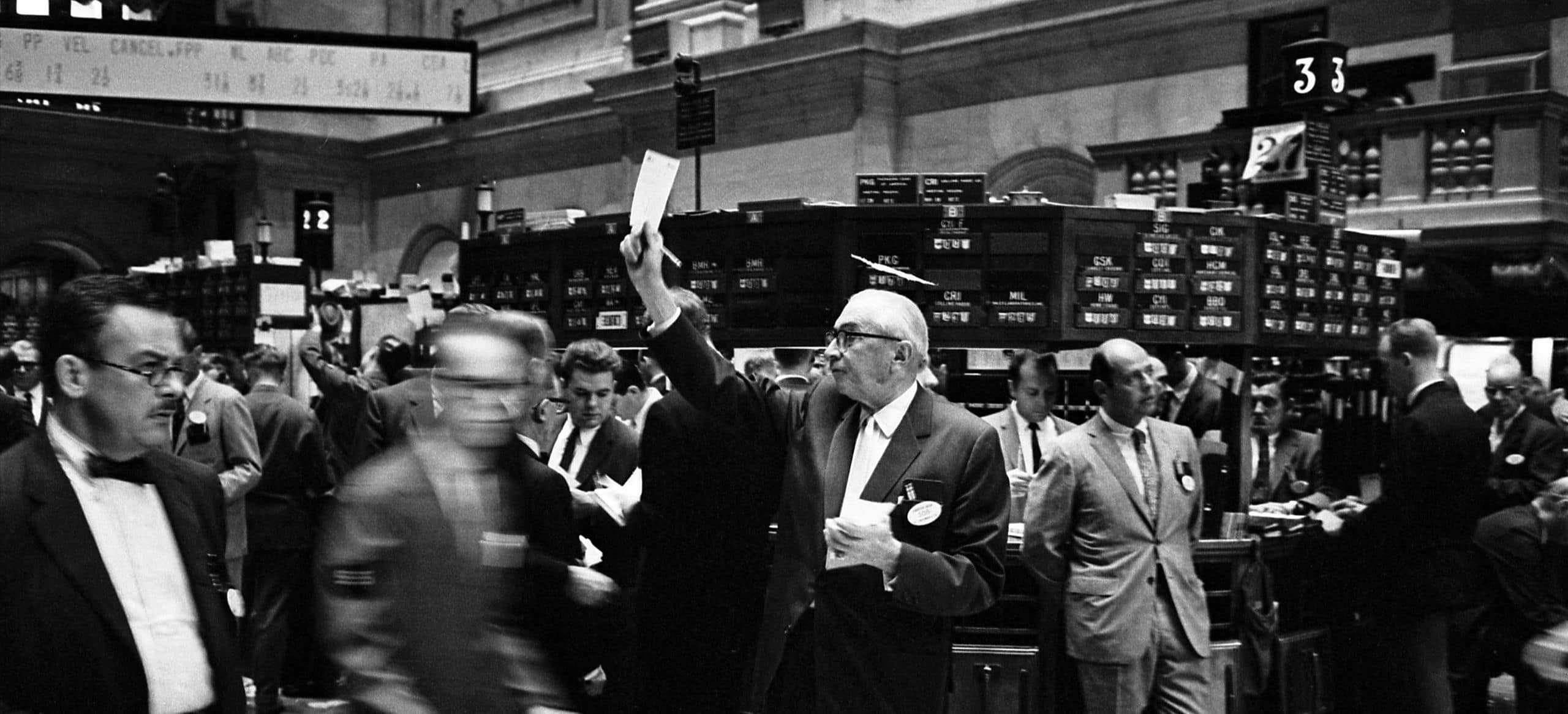

Trading has indeed evolved. Some of the recognized forms of trading can be traced back to the ancient Chinese dynasties of the BC years through to the Babylonian times and down to the 19th century when stock markets came into play. In modern times, there is the option market, which has inhaled fresh breath into the industry and which is becoming popular steadily and fast. Binary options are one of those new fresh breaths that makes the world of finance trade exciting and full of surprises!
So what is a binary option?
A binary option can simply be defined as that kind of ‘option’ whose predetermined payout entirely depends on a yes or no proposition. The two outcomes can either be you gaining money or losing your initial investment. It is for this reason that many people refer to them as cash-or-nothing options.
You might be wondering what an option is in financial trading. Well, it is a form of contract whereby you get the right to sell or buy an underlying asset at a particular given price called the strike price on a certain date and which will expire at a given future date. Notice that you have the right and are not under obligation to buy or sell the option. You can withdrawal your investment before the expiration time comes. There are numerous websites that one can visit to gain better insight on the different options that you can trade in today.
An underlying asset is important in the trading of options. It is the asset or commodity that you will derive the price of what you are trading from. A good example would be, a person buying 100 shares of Facebook Company. The underlying asset is Facebook.
Important terms used in binary options trading
For us to understand in a better way what a binary option is and how you can trade it, you will need to understand some terms. They include:
Strike price – This is the price of the underlying asset that you are interested in at the time you are purchasing the option.
Call – When you predict that the item that you are trading will increase in price by the expiry time of the contract that you have chosen, this is called a call option. You will earn money based on the percentage provided.
Put – If you predict that the price of the underlying asset or commodity you are trading at will fall by a given time, you will earn money based on the given percentage.
In the money – If it happens that your prediction was right and the price of the asset went towards the direction you said, then you win the money. You are then considered to be in-the-money.
Out of money – If it happens that your prediction was wrong, you lose your investment and it’s said you are out-of-money.
At-the-money – If by the time the option contract is expiring, the asset’s price (strike price) has neither gone up nor down, then this is called at-the-money and you retain the initial investment you had. This rarely happens.
Stock –Stock, as some people refer to shares of a company, means the normal stock of a company that are traded in the financial markets such as Dow Jones, NASDAQ or NIKKEI. Examples of stock include Google, Vodafone, Coca-Cola, Barclays, and Facebook.
Expiry time – This is the time that the option that you have chosen will expire. Once an option has expired, it becomes void and cannot continue trading. Expiry times vary from one broker to the next and they can start from as short a time as 60 seconds, 15 minutes, 1 hour or 24 hours.
A broker – This is a firm that enters into an agreement with an investor such as yourself to enable you to trade in options. Note that the broker is not a broker per se because they determine the payouts and don’t act on behalf of anyone. There are numerous options to choose from and one should investigate the available avenues.
Investment money – This is the amount of money that you have invested in an option.
Let’s look at an illustration
To get a better understanding of what a binary option is, let’s say you have with you $200 and you decide to try trading in one of the many binary option platforms available today. You will be required to set up an account where you will deposit the $200.
In the trading arena, you will find many underlying assets including commodities such as gold and silver, and currencies such as CAD, GBP, AUSD, JPY, USD and so on. There will be a call option and a put option for every other underlying asset. The call and the put options for Vodafone say that you will get 70% of your investments if you are right. However, if you predict that the share price of Vodafone will go up (call) and it doesn’t by the time you predicted, you will lose all your money (some brokers offer a 15% consolation payout if you are wrong in your prediction.) You decide to take $20 off your $200 from your account and click on ‘call’ button which has a final payout of 70% in 15 minutes.
The money will be debited from your account and after 15 minutes if the graph line shows that the ‘strike price’ is lower than the current price, you are in the money. Your account will be credited with $14 plus the initial investment of $20. This means that your account will have a total of $214. If however, the market price of the Vodafone shares is below the ‘strike price’ you will lose all the $20 you invested depending on the broker.
It is pretty simple now to understand why many people refer to binary options as all-or-nothing. Be sure to note that trading in binary options is not a feasible route for everyone. There is always another person on the other side who also wants to reap big. Devising a strategy and sticking to it is one of the important aspects of binary option trading. This helps one from being tempted to fall into the temptation of putting all your money in one investment which is unwise even in other contemporary types of trades.
Trading has indeed evolved. Some of the recognized forms of trading can be traced back to the ancient Chinese dynasties of the BC years through to the Babylonian times and down to the 19th century when stock markets came into play. In modern times, there is the option market, which has inhaled fresh breath into the industry and which is becoming popular steadily and fast. Binary options are one of those new fresh breaths that makes the world of finance trade exciting and full of surprises!
So what is a binary option?
A binary option can simply be defined as that kind of ‘option’ whose predetermined payout entirely depends on a yes or no proposition. The two outcomes can either be you gaining money or losing your initial investment. It is for this reason that many people refer to them as cash-or-nothing options.
You might be wondering what an option is in financial trading. Well, it is a form of contract whereby you get the right to sell or buy an underlying asset at a particular given price called the strike price on a certain date and which will expire at a given future date. Notice that you have the right and are not under obligation to buy or sell the option. You can withdrawal your investment before the expiration time comes. There are numerous websites that one can visit to gain better insight on the different options that you can trade in today.
An underlying asset is important in the trading of options. It is the asset or commodity that you will derive the price of what you are trading from. A good example would be, a person buying 100 shares of Facebook Company. The underlying asset is Facebook.
Important terms used in binary options trading
For us to understand in a better way what a binary option is and how you can trade it, you will need to understand some terms. They include:
Strike price – This is the price of the underlying asset that you are interested in at the time you are purchasing the option.
Call – When you predict that the item that you are trading will increase in price by the expiry time of the contract that you have chosen, this is called a call option. You will earn money based on the percentage provided.
Put – If you predict that the price of the underlying asset or commodity you are trading at will fall by a given time, you will earn money based on the given percentage.
In the money – If it happens that your prediction was right and the price of the asset went towards the direction you said, then you win the money. You are then considered to be in-the-money.
Out of money – If it happens that your prediction was wrong, you lose your investment and it’s said you are out-of-money.
At-the-money – If by the time the option contract is expiring, the asset’s price (strike price) has neither gone up nor down, then this is called at-the-money and you retain the initial investment you had. This rarely happens.
Stock –Stock, as some people refer to shares of a company, means the normal stock of a company that are traded in the financial markets such as Dow Jones, NASDAQ or NIKKEI. Examples of stock include Google, Vodafone, Coca-Cola, Barclays, and Facebook.
Expiry time – This is the time that the option that you have chosen will expire. Once an option has expired, it becomes void and cannot continue trading. Expiry times vary from one broker to the next and they can start from as short a time as 60 seconds, 15 minutes, 1 hour or 24 hours.
A broker – This is a firm that enters into an agreement with an investor such as yourself to enable you to trade in options. Note that the broker is not a broker per se because they determine the payouts and don’t act on behalf of anyone. There are numerous options to choose from and one should investigate the available avenues.
Investment money – This is the amount of money that you have invested in an option.
Let’s look at an illustration
To get a better understanding of what a binary option is, let’s say you have with you $200 and you decide to try trading in one of the many binary option platforms available today. You will be required to set up an account where you will deposit the $200.
In the trading arena, you will find many underlying assets including commodities such as gold and silver, and currencies such as CAD, GBP, AUSD, JPY, USD and so on. There will be a call option and a put option for every other underlying asset. The call and the put options for Vodafone say that you will get 70% of your investments if you are right. However, if you predict that the share price of Vodafone will go up (call) and it doesn’t by the time you predicted, you will lose all your money (some brokers offer a 15% consolation payout if you are wrong in your prediction.) You decide to take $20 off your $200 from your account and click on ‘call’ button which has a final payout of 70% in 15 minutes.
The money will be debited from your account and after 15 minutes if the graph line shows that the ‘strike price’ is lower than the current price, you are in the money. Your account will be credited with $14 plus the initial investment of $20. This means that your account will have a total of $214. If however, the market price of the Vodafone shares is below the ‘strike price’ you will lose all the $20 you invested depending on the broker.
It is pretty simple now to understand why many people refer to binary options as all-or-nothing. Be sure to note that trading in binary options is not a feasible route for everyone. There is always another person on the other side who also wants to reap big. Devising a strategy and sticking to it is one of the important aspects of binary option trading. This helps one from being tempted to fall into the temptation of putting all your money in one investment which is unwise even in other contemporary types of trades.
Transformative, Predictive, Automated - 2024's RegTech AI Revolution
Featured Videos
Precious Insights: APAC's Bullion Market amid Record Volatility
The precious metals rally has challenged how brokers and LPs think about hedging, pricing, and physical delivery. But with regional banks eyeing physical gold retail and bullion brokers across Southeast Asia harnessing new tech, volatility is not only in 'safe havens'.
This session gathers practitioners from across the bullion ecosystem to unpack what the rally means on the ground in APAC.
Attendees will walk away with:
Insight into the physical market dynamics driving retail demand across Southeast Asia, from central bank buying to store-of-value purchases
Understanding of Singapore's distinct role as APAC's bullion gateway, and competition near and far
Perspective on operational challenges unique to APAC: kilogram pricing, local delivery, and bridging CFD and physical bullion infrastructure
The precious metals rally has challenged how brokers and LPs think about hedging, pricing, and physical delivery. But with regional banks eyeing physical gold retail and bullion brokers across Southeast Asia harnessing new tech, volatility is not only in 'safe havens'.
This session gathers practitioners from across the bullion ecosystem to unpack what the rally means on the ground in APAC.
Attendees will walk away with:
Insight into the physical market dynamics driving retail demand across Southeast Asia, from central bank buying to store-of-value purchases
Understanding of Singapore's distinct role as APAC's bullion gateway, and competition near and far
Perspective on operational challenges unique to APAC: kilogram pricing, local delivery, and bridging CFD and physical bullion infrastructure
The precious metals rally has challenged how brokers and LPs think about hedging, pricing, and physical delivery. But with regional banks eyeing physical gold retail and bullion brokers across Southeast Asia harnessing new tech, volatility is not only in 'safe havens'.
This session gathers practitioners from across the bullion ecosystem to unpack what the rally means on the ground in APAC.
Attendees will walk away with:
Insight into the physical market dynamics driving retail demand across Southeast Asia, from central bank buying to store-of-value purchases
Understanding of Singapore's distinct role as APAC's bullion gateway, and competition near and far
Perspective on operational challenges unique to APAC: kilogram pricing, local delivery, and bridging CFD and physical bullion infrastructure
The precious metals rally has challenged how brokers and LPs think about hedging, pricing, and physical delivery. But with regional banks eyeing physical gold retail and bullion brokers across Southeast Asia harnessing new tech, volatility is not only in 'safe havens'.
This session gathers practitioners from across the bullion ecosystem to unpack what the rally means on the ground in APAC.
Attendees will walk away with:
Insight into the physical market dynamics driving retail demand across Southeast Asia, from central bank buying to store-of-value purchases
Understanding of Singapore's distinct role as APAC's bullion gateway, and competition near and far
Perspective on operational challenges unique to APAC: kilogram pricing, local delivery, and bridging CFD and physical bullion infrastructure
License to Fill: Market Liquidity amid Global Turmoil
Asian markets bear unique characteristics, from connectivity to asset preference. The Singapore Summit will connect global executives and local experts across the liquidity chain to discuss volatility fluctuations, diversification vs over-reliance on single assets, and the role of trust and liquidity relationships in an increasingly automated sphere.
Regional Focus: Thailand, Vietnam
Bangkok is consolidating as Southeast Asia's broker hub for CLMV access, while Vietnam's trading volumes have made it harder to ignore from any regional headquarters. Most brokers know both exist. Fewer have tested what operating there actually requires.
This session gathers practitioners with on-the-ground experience in both markets to examine what it takes to build and run operations in Thailand and Vietnam.
Attendees will walk away with:
A clear view of setup requirements in both markets: entity structures, timelines, and what first-time operators tend to get wrong
Understanding of the offshore broker model and how compliant operators work within domestic restrictions in each jurisdiction
Insight into talent acquisition, client onboarding, and distribution in markets where language, culture, and acquisition channels don't follow standard APAC assumptions
Perspective on adjacent Southeast Asian markets worth monitoring for the next regional move
Bangkok is consolidating as Southeast Asia's broker hub for CLMV access, while Vietnam's trading volumes have made it harder to ignore from any regional headquarters. Most brokers know both exist. Fewer have tested what operating there actually requires.
This session gathers practitioners with on-the-ground experience in both markets to examine what it takes to build and run operations in Thailand and Vietnam.
Attendees will walk away with:
A clear view of setup requirements in both markets: entity structures, timelines, and what first-time operators tend to get wrong
Understanding of the offshore broker model and how compliant operators work within domestic restrictions in each jurisdiction
Insight into talent acquisition, client onboarding, and distribution in markets where language, culture, and acquisition channels don't follow standard APAC assumptions
Perspective on adjacent Southeast Asian markets worth monitoring for the next regional move
Bangkok is consolidating as Southeast Asia's broker hub for CLMV access, while Vietnam's trading volumes have made it harder to ignore from any regional headquarters. Most brokers know both exist. Fewer have tested what operating there actually requires.
This session gathers practitioners with on-the-ground experience in both markets to examine what it takes to build and run operations in Thailand and Vietnam.
Attendees will walk away with:
A clear view of setup requirements in both markets: entity structures, timelines, and what first-time operators tend to get wrong
Understanding of the offshore broker model and how compliant operators work within domestic restrictions in each jurisdiction
Insight into talent acquisition, client onboarding, and distribution in markets where language, culture, and acquisition channels don't follow standard APAC assumptions
Perspective on adjacent Southeast Asian markets worth monitoring for the next regional move
Bangkok is consolidating as Southeast Asia's broker hub for CLMV access, while Vietnam's trading volumes have made it harder to ignore from any regional headquarters. Most brokers know both exist. Fewer have tested what operating there actually requires.
This session gathers practitioners with on-the-ground experience in both markets to examine what it takes to build and run operations in Thailand and Vietnam.
Attendees will walk away with:
A clear view of setup requirements in both markets: entity structures, timelines, and what first-time operators tend to get wrong
Understanding of the offshore broker model and how compliant operators work within domestic restrictions in each jurisdiction
Insight into talent acquisition, client onboarding, and distribution in markets where language, culture, and acquisition channels don't follow standard APAC assumptions
Perspective on adjacent Southeast Asian markets worth monitoring for the next regional move
Bangkok is consolidating as Southeast Asia's broker hub for CLMV access, while Vietnam's trading volumes have made it harder to ignore from any regional headquarters. Most brokers know both exist. Fewer have tested what operating there actually requires.
This session gathers practitioners with on-the-ground experience in both markets to examine what it takes to build and run operations in Thailand and Vietnam.
Attendees will walk away with:
A clear view of setup requirements in both markets: entity structures, timelines, and what first-time operators tend to get wrong
Understanding of the offshore broker model and how compliant operators work within domestic restrictions in each jurisdiction
Insight into talent acquisition, client onboarding, and distribution in markets where language, culture, and acquisition channels don't follow standard APAC assumptions
Perspective on adjacent Southeast Asian markets worth monitoring for the next regional move
Bangkok is consolidating as Southeast Asia's broker hub for CLMV access, while Vietnam's trading volumes have made it harder to ignore from any regional headquarters. Most brokers know both exist. Fewer have tested what operating there actually requires.
This session gathers practitioners with on-the-ground experience in both markets to examine what it takes to build and run operations in Thailand and Vietnam.
Attendees will walk away with:
A clear view of setup requirements in both markets: entity structures, timelines, and what first-time operators tend to get wrong
Understanding of the offshore broker model and how compliant operators work within domestic restrictions in each jurisdiction
Insight into talent acquisition, client onboarding, and distribution in markets where language, culture, and acquisition channels don't follow standard APAC assumptions
Perspective on adjacent Southeast Asian markets worth monitoring for the next regional move
Join The Club: What Premium Clients Want
High-net-worth traders account for an outsized portion of revenues for various retail brokers.
This session will gather heads of premium, acquisition, and product experts to reveal how they build their client base in Asia.
Attendees will walk away with:
Understanding of how brokers view premium clients (beyond deposit size).
Insight into which services, products, and benefits increase trust and LTV.
Examples of offerings that scale without inflating cost or operational burden.
Lessons from leading brokers on growing premium segments and what’s next.
High-net-worth traders account for an outsized portion of revenues for various retail brokers.
This session will gather heads of premium, acquisition, and product experts to reveal how they build their client base in Asia.
Attendees will walk away with:
Understanding of how brokers view premium clients (beyond deposit size).
Insight into which services, products, and benefits increase trust and LTV.
Examples of offerings that scale without inflating cost or operational burden.
Lessons from leading brokers on growing premium segments and what’s next.
High-net-worth traders account for an outsized portion of revenues for various retail brokers.
This session will gather heads of premium, acquisition, and product experts to reveal how they build their client base in Asia.
Attendees will walk away with:
Understanding of how brokers view premium clients (beyond deposit size).
Insight into which services, products, and benefits increase trust and LTV.
Examples of offerings that scale without inflating cost or operational burden.
Lessons from leading brokers on growing premium segments and what’s next.
High-net-worth traders account for an outsized portion of revenues for various retail brokers.
This session will gather heads of premium, acquisition, and product experts to reveal how they build their client base in Asia.
Attendees will walk away with:
Understanding of how brokers view premium clients (beyond deposit size).
Insight into which services, products, and benefits increase trust and LTV.
Examples of offerings that scale without inflating cost or operational burden.
Lessons from leading brokers on growing premium segments and what’s next.
High-net-worth traders account for an outsized portion of revenues for various retail brokers.
This session will gather heads of premium, acquisition, and product experts to reveal how they build their client base in Asia.
Attendees will walk away with:
Understanding of how brokers view premium clients (beyond deposit size).
Insight into which services, products, and benefits increase trust and LTV.
Examples of offerings that scale without inflating cost or operational burden.
Lessons from leading brokers on growing premium segments and what’s next.
High-net-worth traders account for an outsized portion of revenues for various retail brokers.
This session will gather heads of premium, acquisition, and product experts to reveal how they build their client base in Asia.
Attendees will walk away with:
Understanding of how brokers view premium clients (beyond deposit size).
Insight into which services, products, and benefits increase trust and LTV.
Examples of offerings that scale without inflating cost or operational burden.
Lessons from leading brokers on growing premium segments and what’s next.
Buying The Deep: Digital Asset Adoption in APAC and Beyond
The persisting price drops test the industry's commitment to crypto adoption. While on-chain innovation is making headway across market mechanics, from stablecoins to tokenization, investors remains cautious.
This session brings together market structure experts and institutional investors to explore how a prolonged bear market affects their long-term strategy, and where the opportunities lie ahead of the next cycle.
Attendees will walk away with:
First-hand account of the bear market's impact on various industry players
Understanding of what custody, connectivity, and settlement gaps still hamper growth in APAC
Insight into how client mandates and operational readiness are shaping who moves and who waits
Perspective on what institutional investors need to move toward actual digital asset capital deployment
The persisting price drops test the industry's commitment to crypto adoption. While on-chain innovation is making headway across market mechanics, from stablecoins to tokenization, investors remains cautious.
This session brings together market structure experts and institutional investors to explore how a prolonged bear market affects their long-term strategy, and where the opportunities lie ahead of the next cycle.
Attendees will walk away with:
First-hand account of the bear market's impact on various industry players
Understanding of what custody, connectivity, and settlement gaps still hamper growth in APAC
Insight into how client mandates and operational readiness are shaping who moves and who waits
Perspective on what institutional investors need to move toward actual digital asset capital deployment
The persisting price drops test the industry's commitment to crypto adoption. While on-chain innovation is making headway across market mechanics, from stablecoins to tokenization, investors remains cautious.
This session brings together market structure experts and institutional investors to explore how a prolonged bear market affects their long-term strategy, and where the opportunities lie ahead of the next cycle.
Attendees will walk away with:
First-hand account of the bear market's impact on various industry players
Understanding of what custody, connectivity, and settlement gaps still hamper growth in APAC
Insight into how client mandates and operational readiness are shaping who moves and who waits
Perspective on what institutional investors need to move toward actual digital asset capital deployment
The persisting price drops test the industry's commitment to crypto adoption. While on-chain innovation is making headway across market mechanics, from stablecoins to tokenization, investors remains cautious.
This session brings together market structure experts and institutional investors to explore how a prolonged bear market affects their long-term strategy, and where the opportunities lie ahead of the next cycle.
Attendees will walk away with:
First-hand account of the bear market's impact on various industry players
Understanding of what custody, connectivity, and settlement gaps still hamper growth in APAC
Insight into how client mandates and operational readiness are shaping who moves and who waits
Perspective on what institutional investors need to move toward actual digital asset capital deployment
The persisting price drops test the industry's commitment to crypto adoption. While on-chain innovation is making headway across market mechanics, from stablecoins to tokenization, investors remains cautious.
This session brings together market structure experts and institutional investors to explore how a prolonged bear market affects their long-term strategy, and where the opportunities lie ahead of the next cycle.
Attendees will walk away with:
First-hand account of the bear market's impact on various industry players
Understanding of what custody, connectivity, and settlement gaps still hamper growth in APAC
Insight into how client mandates and operational readiness are shaping who moves and who waits
Perspective on what institutional investors need to move toward actual digital asset capital deployment
The persisting price drops test the industry's commitment to crypto adoption. While on-chain innovation is making headway across market mechanics, from stablecoins to tokenization, investors remains cautious.
This session brings together market structure experts and institutional investors to explore how a prolonged bear market affects their long-term strategy, and where the opportunities lie ahead of the next cycle.
Attendees will walk away with:
First-hand account of the bear market's impact on various industry players
Understanding of what custody, connectivity, and settlement gaps still hamper growth in APAC
Insight into how client mandates and operational readiness are shaping who moves and who waits
Perspective on what institutional investors need to move toward actual digital asset capital deployment