Increased volatility has led to higher volumes for brokers, however, challenges still remain.
FM
The COVID-19 pandemic has rocked the global financial markets, with the increasing threat of the virus causing large swings in currencies and weighing heavily on shares. Australia's financial market, in particular, has taken a battering.
This month has been particularly rough for the land down under, with the Australian Securities Exchange (ASX), the country's primary securities exchange, being hit hard.
On the 9th of March, the exchange had its worst day since the global financial crisis, when almost $140 billion was wiped off the stock market. The 16th of March delivered further bad news when the ASX 200 posted its biggest fall on record.
March has also not been a good month for the Australian dollar (AUD), having fallen to its lowest level in 17 years on the 16th of March, dropping below the US60.10¢ mark it hit during the worst of the global financial crisis. Specifically, the Aussie dollar hit US59.60¢, the weakest level since April 2003.
Despite the market turmoil, Aussie brokers are thriving
Amid all of this activity surrounding COVID-19, how have Australian brokers been fairing? It appears, despite what has been a bad month for the Australian financial markets, has managed to be a good month for brokers.
Finance Magnates reached out to a number of the country's top brokers to see how they have been navigating these uncertain times. Overwhelmingly, the response we received was that the increased volatility has been good for business.
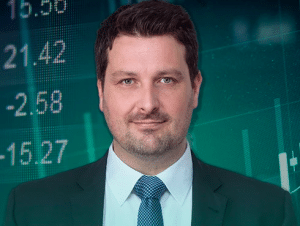
Christopher Gore, CEO of GO Markets Source: GO Markets
Speaking to Finance Magnates, Christopher Gore, the Chief Executive Officer (CEO) of GO Markets, said: "We're seeing a material increase in trading volume alongside market volatility. Markets are dealing with unprecedented and complex themes, which evokes all sorts of emotion.
"For some, volatility represents a time of opportunity, and for others it's a time to stay firmly on the sidelines. Automated trading also promotes higher volumes in volatile markets."
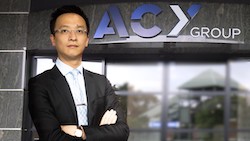
Jimmy Ye, Co-Founder of ACY Securities
Jimmy Ye, Co-founder & Co-director at ACY Securities, also told Finance Magnates that although coronavirus was creating numerous challenges for many industries, it has also brought with it opportunities.
"...ACY Securities saw record trading volumes and a record number of new trading accounts opened last month in February. March has already surpassed those volumes and number of new clients and we are looking to set new records again in March," he explained.
"New clients are joining ACY Securities from all over the world, not just from Australia. Which goes to show the true international nature of this event."
Pepperstone, a large forex broker in Australia, also told Finance Magnates that it is coping well in the current environment.
"Most recently, XAU instruments have been noticeably affected world-wide, as well as several limit-down and limit-up days which affect US Indices. These issues are taking place across the globe, affecting all brokers and liquidity providers, so we are placing a great deal of importance on regular communication with clients advising that caution must be strictly exercised during these extreme market conditions."
In an email sent out to its clients on Tuesday, FX and CFD broker Alpari addressed the liquidity issues surrounding gold by saying: "We would like to inform you that due to the growing impact of the coronavirus outbreak on global economic activity there has been an unforeseen shortage of physical Gold in the financial markets."
"Moreover, due to the aforementioned abnormal market conditions, we have noticed increased spreads across all XAU and XAG symbols coming from our liquidity providers. Hence, as part of our continuous efforts to always protect our client's trading interests, Alpari has switched all XAU and XAG symbol to "Close-Only" mode until further notice."
Brokers should remain cautious
Although this increased volatility has so far been largely good news for brokers, the CEO of GO Markets pointed out that these are uncertain times, and it's unclear how the COVID-19 situation will evolve.
"At this stage most of our business metrics are broadly stronger. Still, we're in uncharted waters – we may well see a lull in volumes as time wears on. There are so many variants to consider," Gore outlined.
When asked how the Australian forex broker's volumes compared year-on-year, Gore explained: "There's a material difference – while we saw reasonable volumes in the early part of 2019, we're seeing a substantial growth in the first quarter of 2020. Still, we've seen volumes trending higher of the previous 12-months, so there's also underlying business growth to factor in."
The COVID-19 pandemic has rocked the global financial markets, with the increasing threat of the virus causing large swings in currencies and weighing heavily on shares. Australia's financial market, in particular, has taken a battering.
This month has been particularly rough for the land down under, with the Australian Securities Exchange (ASX), the country's primary securities exchange, being hit hard.
On the 9th of March, the exchange had its worst day since the global financial crisis, when almost $140 billion was wiped off the stock market. The 16th of March delivered further bad news when the ASX 200 posted its biggest fall on record.
March has also not been a good month for the Australian dollar (AUD), having fallen to its lowest level in 17 years on the 16th of March, dropping below the US60.10¢ mark it hit during the worst of the global financial crisis. Specifically, the Aussie dollar hit US59.60¢, the weakest level since April 2003.
Despite the market turmoil, Aussie brokers are thriving
Amid all of this activity surrounding COVID-19, how have Australian brokers been fairing? It appears, despite what has been a bad month for the Australian financial markets, has managed to be a good month for brokers.
Finance Magnates reached out to a number of the country's top brokers to see how they have been navigating these uncertain times. Overwhelmingly, the response we received was that the increased volatility has been good for business.
Christopher Gore, CEO of GO Markets Source: GO Markets
Speaking to Finance Magnates, Christopher Gore, the Chief Executive Officer (CEO) of GO Markets, said: "We're seeing a material increase in trading volume alongside market volatility. Markets are dealing with unprecedented and complex themes, which evokes all sorts of emotion.
"For some, volatility represents a time of opportunity, and for others it's a time to stay firmly on the sidelines. Automated trading also promotes higher volumes in volatile markets."
Jimmy Ye, Co-Founder of ACY Securities
Jimmy Ye, Co-founder & Co-director at ACY Securities, also told Finance Magnates that although coronavirus was creating numerous challenges for many industries, it has also brought with it opportunities.
"...ACY Securities saw record trading volumes and a record number of new trading accounts opened last month in February. March has already surpassed those volumes and number of new clients and we are looking to set new records again in March," he explained.
"New clients are joining ACY Securities from all over the world, not just from Australia. Which goes to show the true international nature of this event."
Pepperstone, a large forex broker in Australia, also told Finance Magnates that it is coping well in the current environment.
"Most recently, XAU instruments have been noticeably affected world-wide, as well as several limit-down and limit-up days which affect US Indices. These issues are taking place across the globe, affecting all brokers and liquidity providers, so we are placing a great deal of importance on regular communication with clients advising that caution must be strictly exercised during these extreme market conditions."
In an email sent out to its clients on Tuesday, FX and CFD broker Alpari addressed the liquidity issues surrounding gold by saying: "We would like to inform you that due to the growing impact of the coronavirus outbreak on global economic activity there has been an unforeseen shortage of physical Gold in the financial markets."
"Moreover, due to the aforementioned abnormal market conditions, we have noticed increased spreads across all XAU and XAG symbols coming from our liquidity providers. Hence, as part of our continuous efforts to always protect our client's trading interests, Alpari has switched all XAU and XAG symbol to "Close-Only" mode until further notice."
Brokers should remain cautious
Although this increased volatility has so far been largely good news for brokers, the CEO of GO Markets pointed out that these are uncertain times, and it's unclear how the COVID-19 situation will evolve.
"At this stage most of our business metrics are broadly stronger. Still, we're in uncharted waters – we may well see a lull in volumes as time wears on. There are so many variants to consider," Gore outlined.
When asked how the Australian forex broker's volumes compared year-on-year, Gore explained: "There's a material difference – while we saw reasonable volumes in the early part of 2019, we're seeing a substantial growth in the first quarter of 2020. Still, we've seen volumes trending higher of the previous 12-months, so there's also underlying business growth to factor in."
FTMO Says Monthly Rewards Near $15 Million in September
Featured Videos
AvaTrade to Acquire Most of FXCM; NAGA Raises $8M
AvaTrade to Acquire Most of FXCM; NAGA Raises $8M
AvaTrade to Acquire Most of FXCM; NAGA Raises $8M
AvaTrade to Acquire Most of FXCM; NAGA Raises $8M
Today’s financial news recap covers AvaTrade agrees to acquire most of FXCM, NAGA secures eight million dollars in new financing, and Wise seeks a tax settlement in the UK.
Finance Magnates Daily Recap brings you the latest news from forex and CFD brokers, fintech, payments, cryptocurrency, digital assets, trading platforms, financial regulation and global markets.
Get the key company news, executive moves, deals, regulatory updates and market developments of the day, in just a few minutes. New episodes published every weekday.
Read more: https://www.financemagnates.com
#FinanceMagnates #ForexNews #FintechNews
Today’s financial news recap covers AvaTrade agrees to acquire most of FXCM, NAGA secures eight million dollars in new financing, and Wise seeks a tax settlement in the UK.
Finance Magnates Daily Recap brings you the latest news from forex and CFD brokers, fintech, payments, cryptocurrency, digital assets, trading platforms, financial regulation and global markets.
Get the key company news, executive moves, deals, regulatory updates and market developments of the day, in just a few minutes. New episodes published every weekday.
Read more: https://www.financemagnates.com
#FinanceMagnates #ForexNews #FintechNews
Today’s financial news recap covers AvaTrade agrees to acquire most of FXCM, NAGA secures eight million dollars in new financing, and Wise seeks a tax settlement in the UK.
Finance Magnates Daily Recap brings you the latest news from forex and CFD brokers, fintech, payments, cryptocurrency, digital assets, trading platforms, financial regulation and global markets.
Get the key company news, executive moves, deals, regulatory updates and market developments of the day, in just a few minutes. New episodes published every weekday.
Read more: https://www.financemagnates.com
#FinanceMagnates #ForexNews #FintechNews
Today’s financial news recap covers AvaTrade agrees to acquire most of FXCM, NAGA secures eight million dollars in new financing, and Wise seeks a tax settlement in the UK.
Finance Magnates Daily Recap brings you the latest news from forex and CFD brokers, fintech, payments, cryptocurrency, digital assets, trading platforms, financial regulation and global markets.
Get the key company news, executive moves, deals, regulatory updates and market developments of the day, in just a few minutes. New episodes published every weekday.
Read more: https://www.financemagnates.com
#FinanceMagnates #ForexNews #FintechNews
XTB Adds Overnight US Stock Trading; Nasdaq Ventures Invests in One Trading
XTB Adds Overnight US Stock Trading; Nasdaq Ventures Invests in One Trading
XTB Adds Overnight US Stock Trading; Nasdaq Ventures Invests in One Trading
XTB Adds Overnight US Stock Trading; Nasdaq Ventures Invests in One Trading
XTB Adds Overnight US Stock Trading; Nasdaq Ventures Invests in One Trading
XTB Adds Overnight US Stock Trading; Nasdaq Ventures Invests in One Trading
Today’s financial news recap covers XTB expands overnight US stock trading, Fortrade reports higher revenue, Nasdaq backs One Trading, and Vest Labs raises 13 million dollars.
Finance Magnates Daily Recap brings you the latest news from forex and CFD brokers, fintech, payments, cryptocurrency, digital assets, trading platforms, financial regulation and global markets.
Get the key company news, executive moves, deals, regulatory updates and market developments of the day, in just a few minutes. New episodes published every weekday.
Read more: https://www.financemagnates.com
#FinanceMagnates #ForexNews #FintechNews
Today’s financial news recap covers XTB expands overnight US stock trading, Fortrade reports higher revenue, Nasdaq backs One Trading, and Vest Labs raises 13 million dollars.
Finance Magnates Daily Recap brings you the latest news from forex and CFD brokers, fintech, payments, cryptocurrency, digital assets, trading platforms, financial regulation and global markets.
Get the key company news, executive moves, deals, regulatory updates and market developments of the day, in just a few minutes. New episodes published every weekday.
Read more: https://www.financemagnates.com
#FinanceMagnates #ForexNews #FintechNews
Today’s financial news recap covers XTB expands overnight US stock trading, Fortrade reports higher revenue, Nasdaq backs One Trading, and Vest Labs raises 13 million dollars.
Finance Magnates Daily Recap brings you the latest news from forex and CFD brokers, fintech, payments, cryptocurrency, digital assets, trading platforms, financial regulation and global markets.
Get the key company news, executive moves, deals, regulatory updates and market developments of the day, in just a few minutes. New episodes published every weekday.
Read more: https://www.financemagnates.com
#FinanceMagnates #ForexNews #FintechNews
Today’s financial news recap covers XTB expands overnight US stock trading, Fortrade reports higher revenue, Nasdaq backs One Trading, and Vest Labs raises 13 million dollars.
Finance Magnates Daily Recap brings you the latest news from forex and CFD brokers, fintech, payments, cryptocurrency, digital assets, trading platforms, financial regulation and global markets.
Get the key company news, executive moves, deals, regulatory updates and market developments of the day, in just a few minutes. New episodes published every weekday.
Read more: https://www.financemagnates.com
#FinanceMagnates #ForexNews #FintechNews
Today’s financial news recap covers XTB expands overnight US stock trading, Fortrade reports higher revenue, Nasdaq backs One Trading, and Vest Labs raises 13 million dollars.
Finance Magnates Daily Recap brings you the latest news from forex and CFD brokers, fintech, payments, cryptocurrency, digital assets, trading platforms, financial regulation and global markets.
Get the key company news, executive moves, deals, regulatory updates and market developments of the day, in just a few minutes. New episodes published every weekday.
Read more: https://www.financemagnates.com
#FinanceMagnates #ForexNews #FintechNews
Today’s financial news recap covers XTB expands overnight US stock trading, Fortrade reports higher revenue, Nasdaq backs One Trading, and Vest Labs raises 13 million dollars.
Finance Magnates Daily Recap brings you the latest news from forex and CFD brokers, fintech, payments, cryptocurrency, digital assets, trading platforms, financial regulation and global markets.
Get the key company news, executive moves, deals, regulatory updates and market developments of the day, in just a few minutes. New episodes published every weekday.
Read more: https://www.financemagnates.com
#FinanceMagnates #ForexNews #FintechNews
CMC Founder Downplays Volatility Hit; Devexperts Names CEO
CMC Founder Downplays Volatility Hit; Devexperts Names CEO
CMC Founder Downplays Volatility Hit; Devexperts Names CEO
CMC Founder Downplays Volatility Hit; Devexperts Names CEO
CMC Founder Downplays Volatility Hit; Devexperts Names CEO
CMC Founder Downplays Volatility Hit; Devexperts Names CEO
Today’s financial news recap covers low volatility pressures brokers, Devexperts names a new CEO, Saxo cuts onboarding time, and OKX reaches a 25 billion dollar valuation.
Finance Magnates Daily Recap brings you the latest news from forex and CFD brokers, fintech, payments, cryptocurrency, digital assets, trading platforms, financial regulation and global markets.
Get the key company news, executive moves, deals, regulatory updates and market developments of the day, in just a few minutes. New episodes published every weekday.
Read more: https://www.financemagnates.com
#FinanceMagnates #ForexNews #FintechNews
Today’s financial news recap covers low volatility pressures brokers, Devexperts names a new CEO, Saxo cuts onboarding time, and OKX reaches a 25 billion dollar valuation.
Finance Magnates Daily Recap brings you the latest news from forex and CFD brokers, fintech, payments, cryptocurrency, digital assets, trading platforms, financial regulation and global markets.
Get the key company news, executive moves, deals, regulatory updates and market developments of the day, in just a few minutes. New episodes published every weekday.
Read more: https://www.financemagnates.com
#FinanceMagnates #ForexNews #FintechNews
Today’s financial news recap covers low volatility pressures brokers, Devexperts names a new CEO, Saxo cuts onboarding time, and OKX reaches a 25 billion dollar valuation.
Finance Magnates Daily Recap brings you the latest news from forex and CFD brokers, fintech, payments, cryptocurrency, digital assets, trading platforms, financial regulation and global markets.
Get the key company news, executive moves, deals, regulatory updates and market developments of the day, in just a few minutes. New episodes published every weekday.
Read more: https://www.financemagnates.com
#FinanceMagnates #ForexNews #FintechNews
Today’s financial news recap covers low volatility pressures brokers, Devexperts names a new CEO, Saxo cuts onboarding time, and OKX reaches a 25 billion dollar valuation.
Finance Magnates Daily Recap brings you the latest news from forex and CFD brokers, fintech, payments, cryptocurrency, digital assets, trading platforms, financial regulation and global markets.
Get the key company news, executive moves, deals, regulatory updates and market developments of the day, in just a few minutes. New episodes published every weekday.
Read more: https://www.financemagnates.com
#FinanceMagnates #ForexNews #FintechNews
Today’s financial news recap covers low volatility pressures brokers, Devexperts names a new CEO, Saxo cuts onboarding time, and OKX reaches a 25 billion dollar valuation.
Finance Magnates Daily Recap brings you the latest news from forex and CFD brokers, fintech, payments, cryptocurrency, digital assets, trading platforms, financial regulation and global markets.
Get the key company news, executive moves, deals, regulatory updates and market developments of the day, in just a few minutes. New episodes published every weekday.
Read more: https://www.financemagnates.com
#FinanceMagnates #ForexNews #FintechNews
Today’s financial news recap covers low volatility pressures brokers, Devexperts names a new CEO, Saxo cuts onboarding time, and OKX reaches a 25 billion dollar valuation.
Finance Magnates Daily Recap brings you the latest news from forex and CFD brokers, fintech, payments, cryptocurrency, digital assets, trading platforms, financial regulation and global markets.
Get the key company news, executive moves, deals, regulatory updates and market developments of the day, in just a few minutes. New episodes published every weekday.
Read more: https://www.financemagnates.com
#FinanceMagnates #ForexNews #FintechNews
Today’s financial news recap covers Trade Nation buys FXCM's UK client book, Trading 212 reports higher revenue, the CFTC's move to allow perpetual index futures.
Finance Magnates Daily Recap brings you the latest news from forex and CFD brokers, fintech, payments, cryptocurrency, digital assets, trading platforms, financial regulation and global markets.
Get the key company news, executive moves, deals, regulatory updates and market developments of the day, in just a few minutes. New episodes published every weekday.
Read more: https://www.financemagnates.com
#FinanceMagnates #ForexNews #FintechNews
Today’s financial news recap covers Trade Nation buys FXCM's UK client book, Trading 212 reports higher revenue, the CFTC's move to allow perpetual index futures.
Finance Magnates Daily Recap brings you the latest news from forex and CFD brokers, fintech, payments, cryptocurrency, digital assets, trading platforms, financial regulation and global markets.
Get the key company news, executive moves, deals, regulatory updates and market developments of the day, in just a few minutes. New episodes published every weekday.
Read more: https://www.financemagnates.com
#FinanceMagnates #ForexNews #FintechNews
Today’s financial news recap covers Trade Nation buys FXCM's UK client book, Trading 212 reports higher revenue, the CFTC's move to allow perpetual index futures.
Finance Magnates Daily Recap brings you the latest news from forex and CFD brokers, fintech, payments, cryptocurrency, digital assets, trading platforms, financial regulation and global markets.
Get the key company news, executive moves, deals, regulatory updates and market developments of the day, in just a few minutes. New episodes published every weekday.
Read more: https://www.financemagnates.com
#FinanceMagnates #ForexNews #FintechNews
Today’s financial news recap covers Trade Nation buys FXCM's UK client book, Trading 212 reports higher revenue, the CFTC's move to allow perpetual index futures.
Finance Magnates Daily Recap brings you the latest news from forex and CFD brokers, fintech, payments, cryptocurrency, digital assets, trading platforms, financial regulation and global markets.
Get the key company news, executive moves, deals, regulatory updates and market developments of the day, in just a few minutes. New episodes published every weekday.
Read more: https://www.financemagnates.com
#FinanceMagnates #ForexNews #FintechNews
Today’s financial news recap covers Trade Nation buys FXCM's UK client book, Trading 212 reports higher revenue, the CFTC's move to allow perpetual index futures.
Finance Magnates Daily Recap brings you the latest news from forex and CFD brokers, fintech, payments, cryptocurrency, digital assets, trading platforms, financial regulation and global markets.
Get the key company news, executive moves, deals, regulatory updates and market developments of the day, in just a few minutes. New episodes published every weekday.
Read more: https://www.financemagnates.com
#FinanceMagnates #ForexNews #FintechNews
Today’s financial news recap covers Trade Nation buys FXCM's UK client book, Trading 212 reports higher revenue, the CFTC's move to allow perpetual index futures.
Finance Magnates Daily Recap brings you the latest news from forex and CFD brokers, fintech, payments, cryptocurrency, digital assets, trading platforms, financial regulation and global markets.
Get the key company news, executive moves, deals, regulatory updates and market developments of the day, in just a few minutes. New episodes published every weekday.
Read more: https://www.financemagnates.com
#FinanceMagnates #ForexNews #FintechNews
Your career isn’t a linear path.
Your career isn’t a linear path.
Your career isn’t a linear path.
Your career isn’t a linear path.
Your career isn’t a linear path.
Your career isn’t a linear path.
Roles change. Career goals change. Sometimes you want a completely new challenge.
But the skills and knowledge you build along the way can stay with you and give you something to build on.
For Jeff Patterson, that continued growth is key to long-term career development.
You bring the skills. FM Academy helps you build the knowledge.
#FMAcademy #FinanceMagnates #FinanceCareers #ProfessionalDevelopment #Fintech
Roles change. Career goals change. Sometimes you want a completely new challenge.
But the skills and knowledge you build along the way can stay with you and give you something to build on.
For Jeff Patterson, that continued growth is key to long-term career development.
You bring the skills. FM Academy helps you build the knowledge.
#FMAcademy #FinanceMagnates #FinanceCareers #ProfessionalDevelopment #Fintech
Roles change. Career goals change. Sometimes you want a completely new challenge.
But the skills and knowledge you build along the way can stay with you and give you something to build on.
For Jeff Patterson, that continued growth is key to long-term career development.
You bring the skills. FM Academy helps you build the knowledge.
#FMAcademy #FinanceMagnates #FinanceCareers #ProfessionalDevelopment #Fintech
Roles change. Career goals change. Sometimes you want a completely new challenge.
But the skills and knowledge you build along the way can stay with you and give you something to build on.
For Jeff Patterson, that continued growth is key to long-term career development.
You bring the skills. FM Academy helps you build the knowledge.
#FMAcademy #FinanceMagnates #FinanceCareers #ProfessionalDevelopment #Fintech
Roles change. Career goals change. Sometimes you want a completely new challenge.
But the skills and knowledge you build along the way can stay with you and give you something to build on.
For Jeff Patterson, that continued growth is key to long-term career development.
You bring the skills. FM Academy helps you build the knowledge.
#FMAcademy #FinanceMagnates #FinanceCareers #ProfessionalDevelopment #Fintech
Roles change. Career goals change. Sometimes you want a completely new challenge.
But the skills and knowledge you build along the way can stay with you and give you something to build on.
For Jeff Patterson, that continued growth is key to long-term career development.
You bring the skills. FM Academy helps you build the knowledge.
#FMAcademy #FinanceMagnates #FinanceCareers #ProfessionalDevelopment #Fintech