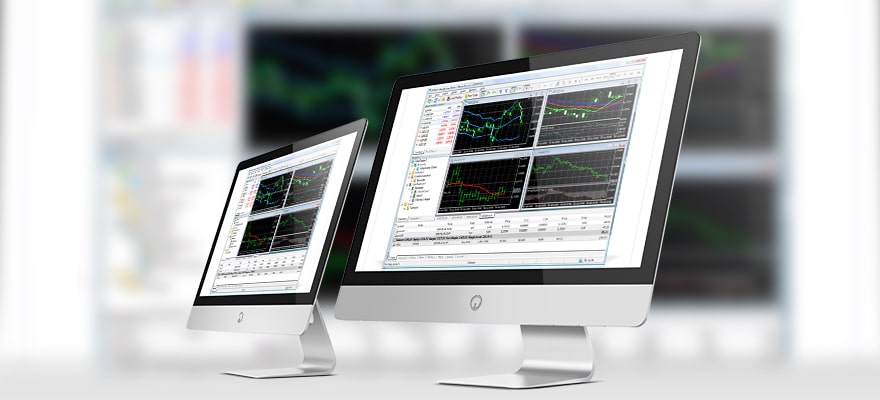
Lockdown measures are significantly impacting demand for certain energy commodities.
FM
This week has delivered a historical moment for the trading markets - for the first time ever, oil prices turned negative, due to the coronavirus pandemic significantly reducing demand for the commodity. Now that the reality of the situation has set in, market participants are already closely eyeing other energy commodities - which will be the next to fall?
As Finance Magnates previously analysed, lockdown measures in response to COVID-19 have stopped billions of people from travelling which has significantly reduced the demand for oil, creating an oversupply for the commodity, which saw the price for WTI futures (West Texas Intermediate) for May fall drastically.
Should we be preparing?
However, this same situation can be applied to other energy commodities, which covers a variety of coal, oil, and gasoline derived products. So, should we be preparing for other commodity prices to turn negative?
Stephen Innes, Chief Global Market Strategist at AxiCorp Source: LinkedIn
According to Stephen Innes, Chief Global Market Strategist at AxiCorp, the WTI concerns, which was the futures contract that went into negative prices, was widely attributed to localised physical settlement and restricted storage issues at Cushing, Oklahoma.
“But the problems at Cushing have set a new theme for the markets as traders are just as distressed about front contract settlement risk as they are about the relative value of oil. This is creating an incredibly messy proposition for oil price discovery and the pegging a relative value for oil prices via cross-asset correlations,” Innes told Finance Magnates.
When asked if he believed any other energy commodities were in danger of following in the footsteps of oil, Charalambos Pissouros, the Senior Market Analyst at JFD Group said: “In my opinion, yes."
Charalambos Pissouros, Senior Market Analyst at JFD Group
“Bearing in mind that the restrictive measures due to the fast-spreading coronavirus are still intact, people are likely to stay home for a while more before they start to travel again. Even if governments around the globe start loosening the restrictions, this is likely to be a very slow procedure, and thus, we see the case for crude oil demand to return to its pre-virus levels as unlikely.
“Thus, with storage tanks getting full, we cannot rule out another round of selling, despite yesterday’s rebound. Yes, there are hopes that Saudi Arabia and its OPEC+ allies will proceed with extending or expanding the already agreed production cuts, but the big question is: Will this be enough to offset the diminishing demand? If not, I cannot rule out another round of negative WTI prices.
“Other energy commodities that are exposed to such risk is of course Brent oil, which is almost perfectly correlated with WTI. Other commodities of which the correlation with WTI is very high are gasoline and heating oil, as by definition they are made from crude oil. One of the commodities which is not correlated with WTI is natural gas, which is an alternative form of energy, and it may be unlikely to follow the footsteps of oil derivatives.”
When could we see further negative prices?
If further energy commodities are at risk of going into the negative territory, how long do we have? According to Pissouros, it might not take long. “As long as the “stay at home” measures are still in place, and the storage space for oil is getting less and less, we cannot rule out another dive,” he explained.
“The reasoning behind Monday’s tumble is that holders of May WTI contracts were willing to pay people in order to get rid of them, instead of taking delivery and the burden of paying extra storage costs. So, why exclude the possibility of a similar reaction when the June contracts get close to their expiration date? And why exclude the likelihood of other oil-related commodities to follow suit?”
Are traders and brokers ready?
When prices went negative in the US oil market, the industry was not ready, as prices have never gone negative before. Because of this, the losses are likely to be big. Interactive Brokers posted an aggregate provisionary loss of approximately $88 million.
However, as Finance Magnates reported, the US brokerage firm had around 15 per cent of the open interest in the May oil contract, according to its founder, which indicates that other brokers have suffered even more dramatic losses than Interactive Brokers, as the rest of the open interest faces losses. GAIN Capital also temporarily paused withdrawals for some of its clients, the company confirmed to Finance Magnates, as the unprecedented price action on Oil on Monday has led to the broker reviewing some positions held by clients.
“Given the relatively muted action on FX currencies and oil majors (stocks) suggest that traders are taking a level headed approach to oil market correlations. And are starting using an average weighting of the current 12-month oil futures contract to base guidance,” Innes commented.
“FX and Oil majors (stocks) decouple from the underlying front month and while shifting towards expectations of a positive price correction in Q3. When it comes to June WTI, it feels like the markets are flogging a dead horse due to settlement risks, which suggests June could become a dead contract as open interest, paper, and real, logically shifts July and beyond to get exposure to oil.”
Brokers react and prepare
Although the market was caught off guard, a number of brokers tried to reduce the damage by closing their client’s positions for the affected products, suspending trading, and a range of other measures.
Louis Cooper, Chief Commercial Officer at AxiCorp Source: LinkedIn
“Given our concerns regarding the liquidity in the underlying Oil Futures contracts, we’ve already asked clients to increase their trading margin to manage large price movements which may impact their current positions.
“We’ve also decided to only allow clients to reduce or close positions as we’ve seen a high demand for speculative trading on Oil, which we believe at this time is a high-risk strategy and should be avoided. It’s important that traders evaluate the risk vs. return when trading markets in such uncertain times, and to protect themselves from significant losses.”
This week has delivered a historical moment for the trading markets - for the first time ever, oil prices turned negative, due to the coronavirus pandemic significantly reducing demand for the commodity. Now that the reality of the situation has set in, market participants are already closely eyeing other energy commodities - which will be the next to fall?
As Finance Magnates previously analysed, lockdown measures in response to COVID-19 have stopped billions of people from travelling which has significantly reduced the demand for oil, creating an oversupply for the commodity, which saw the price for WTI futures (West Texas Intermediate) for May fall drastically.
Should we be preparing?
However, this same situation can be applied to other energy commodities, which covers a variety of coal, oil, and gasoline derived products. So, should we be preparing for other commodity prices to turn negative?
Stephen Innes, Chief Global Market Strategist at AxiCorp Source: LinkedIn
According to Stephen Innes, Chief Global Market Strategist at AxiCorp, the WTI concerns, which was the futures contract that went into negative prices, was widely attributed to localised physical settlement and restricted storage issues at Cushing, Oklahoma.
“But the problems at Cushing have set a new theme for the markets as traders are just as distressed about front contract settlement risk as they are about the relative value of oil. This is creating an incredibly messy proposition for oil price discovery and the pegging a relative value for oil prices via cross-asset correlations,” Innes told Finance Magnates.
When asked if he believed any other energy commodities were in danger of following in the footsteps of oil, Charalambos Pissouros, the Senior Market Analyst at JFD Group said: “In my opinion, yes."
Charalambos Pissouros, Senior Market Analyst at JFD Group
“Bearing in mind that the restrictive measures due to the fast-spreading coronavirus are still intact, people are likely to stay home for a while more before they start to travel again. Even if governments around the globe start loosening the restrictions, this is likely to be a very slow procedure, and thus, we see the case for crude oil demand to return to its pre-virus levels as unlikely.
“Thus, with storage tanks getting full, we cannot rule out another round of selling, despite yesterday’s rebound. Yes, there are hopes that Saudi Arabia and its OPEC+ allies will proceed with extending or expanding the already agreed production cuts, but the big question is: Will this be enough to offset the diminishing demand? If not, I cannot rule out another round of negative WTI prices.
“Other energy commodities that are exposed to such risk is of course Brent oil, which is almost perfectly correlated with WTI. Other commodities of which the correlation with WTI is very high are gasoline and heating oil, as by definition they are made from crude oil. One of the commodities which is not correlated with WTI is natural gas, which is an alternative form of energy, and it may be unlikely to follow the footsteps of oil derivatives.”
When could we see further negative prices?
If further energy commodities are at risk of going into the negative territory, how long do we have? According to Pissouros, it might not take long. “As long as the “stay at home” measures are still in place, and the storage space for oil is getting less and less, we cannot rule out another dive,” he explained.
“The reasoning behind Monday’s tumble is that holders of May WTI contracts were willing to pay people in order to get rid of them, instead of taking delivery and the burden of paying extra storage costs. So, why exclude the possibility of a similar reaction when the June contracts get close to their expiration date? And why exclude the likelihood of other oil-related commodities to follow suit?”
Are traders and brokers ready?
When prices went negative in the US oil market, the industry was not ready, as prices have never gone negative before. Because of this, the losses are likely to be big. Interactive Brokers posted an aggregate provisionary loss of approximately $88 million.
However, as Finance Magnates reported, the US brokerage firm had around 15 per cent of the open interest in the May oil contract, according to its founder, which indicates that other brokers have suffered even more dramatic losses than Interactive Brokers, as the rest of the open interest faces losses. GAIN Capital also temporarily paused withdrawals for some of its clients, the company confirmed to Finance Magnates, as the unprecedented price action on Oil on Monday has led to the broker reviewing some positions held by clients.
“Given the relatively muted action on FX currencies and oil majors (stocks) suggest that traders are taking a level headed approach to oil market correlations. And are starting using an average weighting of the current 12-month oil futures contract to base guidance,” Innes commented.
“FX and Oil majors (stocks) decouple from the underlying front month and while shifting towards expectations of a positive price correction in Q3. When it comes to June WTI, it feels like the markets are flogging a dead horse due to settlement risks, which suggests June could become a dead contract as open interest, paper, and real, logically shifts July and beyond to get exposure to oil.”
Brokers react and prepare
Although the market was caught off guard, a number of brokers tried to reduce the damage by closing their client’s positions for the affected products, suspending trading, and a range of other measures.
Louis Cooper, Chief Commercial Officer at AxiCorp Source: LinkedIn
“Given our concerns regarding the liquidity in the underlying Oil Futures contracts, we’ve already asked clients to increase their trading margin to manage large price movements which may impact their current positions.
“We’ve also decided to only allow clients to reduce or close positions as we’ve seen a high demand for speculative trading on Oil, which we believe at this time is a high-risk strategy and should be avoided. It’s important that traders evaluate the risk vs. return when trading markets in such uncertain times, and to protect themselves from significant losses.”
FTMO Says Monthly Rewards Near $15 Million in September
Featured Videos
AvaTrade to Acquire Most of FXCM; NAGA Raises $8M
AvaTrade to Acquire Most of FXCM; NAGA Raises $8M
AvaTrade to Acquire Most of FXCM; NAGA Raises $8M
AvaTrade to Acquire Most of FXCM; NAGA Raises $8M
Today’s financial news recap covers AvaTrade agrees to acquire most of FXCM, NAGA secures eight million dollars in new financing, and Wise seeks a tax settlement in the UK.
Finance Magnates Daily Recap brings you the latest news from forex and CFD brokers, fintech, payments, cryptocurrency, digital assets, trading platforms, financial regulation and global markets.
Get the key company news, executive moves, deals, regulatory updates and market developments of the day, in just a few minutes. New episodes published every weekday.
Read more: https://www.financemagnates.com
#FinanceMagnates #ForexNews #FintechNews
Today’s financial news recap covers AvaTrade agrees to acquire most of FXCM, NAGA secures eight million dollars in new financing, and Wise seeks a tax settlement in the UK.
Finance Magnates Daily Recap brings you the latest news from forex and CFD brokers, fintech, payments, cryptocurrency, digital assets, trading platforms, financial regulation and global markets.
Get the key company news, executive moves, deals, regulatory updates and market developments of the day, in just a few minutes. New episodes published every weekday.
Read more: https://www.financemagnates.com
#FinanceMagnates #ForexNews #FintechNews
Today’s financial news recap covers AvaTrade agrees to acquire most of FXCM, NAGA secures eight million dollars in new financing, and Wise seeks a tax settlement in the UK.
Finance Magnates Daily Recap brings you the latest news from forex and CFD brokers, fintech, payments, cryptocurrency, digital assets, trading platforms, financial regulation and global markets.
Get the key company news, executive moves, deals, regulatory updates and market developments of the day, in just a few minutes. New episodes published every weekday.
Read more: https://www.financemagnates.com
#FinanceMagnates #ForexNews #FintechNews
Today’s financial news recap covers AvaTrade agrees to acquire most of FXCM, NAGA secures eight million dollars in new financing, and Wise seeks a tax settlement in the UK.
Finance Magnates Daily Recap brings you the latest news from forex and CFD brokers, fintech, payments, cryptocurrency, digital assets, trading platforms, financial regulation and global markets.
Get the key company news, executive moves, deals, regulatory updates and market developments of the day, in just a few minutes. New episodes published every weekday.
Read more: https://www.financemagnates.com
#FinanceMagnates #ForexNews #FintechNews
XTB Adds Overnight US Stock Trading; Nasdaq Ventures Invests in One Trading
XTB Adds Overnight US Stock Trading; Nasdaq Ventures Invests in One Trading
XTB Adds Overnight US Stock Trading; Nasdaq Ventures Invests in One Trading
XTB Adds Overnight US Stock Trading; Nasdaq Ventures Invests in One Trading
XTB Adds Overnight US Stock Trading; Nasdaq Ventures Invests in One Trading
XTB Adds Overnight US Stock Trading; Nasdaq Ventures Invests in One Trading
Today’s financial news recap covers XTB expands overnight US stock trading, Fortrade reports higher revenue, Nasdaq backs One Trading, and Vest Labs raises 13 million dollars.
Finance Magnates Daily Recap brings you the latest news from forex and CFD brokers, fintech, payments, cryptocurrency, digital assets, trading platforms, financial regulation and global markets.
Get the key company news, executive moves, deals, regulatory updates and market developments of the day, in just a few minutes. New episodes published every weekday.
Read more: https://www.financemagnates.com
#FinanceMagnates #ForexNews #FintechNews
Today’s financial news recap covers XTB expands overnight US stock trading, Fortrade reports higher revenue, Nasdaq backs One Trading, and Vest Labs raises 13 million dollars.
Finance Magnates Daily Recap brings you the latest news from forex and CFD brokers, fintech, payments, cryptocurrency, digital assets, trading platforms, financial regulation and global markets.
Get the key company news, executive moves, deals, regulatory updates and market developments of the day, in just a few minutes. New episodes published every weekday.
Read more: https://www.financemagnates.com
#FinanceMagnates #ForexNews #FintechNews
Today’s financial news recap covers XTB expands overnight US stock trading, Fortrade reports higher revenue, Nasdaq backs One Trading, and Vest Labs raises 13 million dollars.
Finance Magnates Daily Recap brings you the latest news from forex and CFD brokers, fintech, payments, cryptocurrency, digital assets, trading platforms, financial regulation and global markets.
Get the key company news, executive moves, deals, regulatory updates and market developments of the day, in just a few minutes. New episodes published every weekday.
Read more: https://www.financemagnates.com
#FinanceMagnates #ForexNews #FintechNews
Today’s financial news recap covers XTB expands overnight US stock trading, Fortrade reports higher revenue, Nasdaq backs One Trading, and Vest Labs raises 13 million dollars.
Finance Magnates Daily Recap brings you the latest news from forex and CFD brokers, fintech, payments, cryptocurrency, digital assets, trading platforms, financial regulation and global markets.
Get the key company news, executive moves, deals, regulatory updates and market developments of the day, in just a few minutes. New episodes published every weekday.
Read more: https://www.financemagnates.com
#FinanceMagnates #ForexNews #FintechNews
Today’s financial news recap covers XTB expands overnight US stock trading, Fortrade reports higher revenue, Nasdaq backs One Trading, and Vest Labs raises 13 million dollars.
Finance Magnates Daily Recap brings you the latest news from forex and CFD brokers, fintech, payments, cryptocurrency, digital assets, trading platforms, financial regulation and global markets.
Get the key company news, executive moves, deals, regulatory updates and market developments of the day, in just a few minutes. New episodes published every weekday.
Read more: https://www.financemagnates.com
#FinanceMagnates #ForexNews #FintechNews
Today’s financial news recap covers XTB expands overnight US stock trading, Fortrade reports higher revenue, Nasdaq backs One Trading, and Vest Labs raises 13 million dollars.
Finance Magnates Daily Recap brings you the latest news from forex and CFD brokers, fintech, payments, cryptocurrency, digital assets, trading platforms, financial regulation and global markets.
Get the key company news, executive moves, deals, regulatory updates and market developments of the day, in just a few minutes. New episodes published every weekday.
Read more: https://www.financemagnates.com
#FinanceMagnates #ForexNews #FintechNews
CMC Founder Downplays Volatility Hit; Devexperts Names CEO
CMC Founder Downplays Volatility Hit; Devexperts Names CEO
CMC Founder Downplays Volatility Hit; Devexperts Names CEO
CMC Founder Downplays Volatility Hit; Devexperts Names CEO
CMC Founder Downplays Volatility Hit; Devexperts Names CEO
CMC Founder Downplays Volatility Hit; Devexperts Names CEO
Today’s financial news recap covers low volatility pressures brokers, Devexperts names a new CEO, Saxo cuts onboarding time, and OKX reaches a 25 billion dollar valuation.
Finance Magnates Daily Recap brings you the latest news from forex and CFD brokers, fintech, payments, cryptocurrency, digital assets, trading platforms, financial regulation and global markets.
Get the key company news, executive moves, deals, regulatory updates and market developments of the day, in just a few minutes. New episodes published every weekday.
Read more: https://www.financemagnates.com
#FinanceMagnates #ForexNews #FintechNews
Today’s financial news recap covers low volatility pressures brokers, Devexperts names a new CEO, Saxo cuts onboarding time, and OKX reaches a 25 billion dollar valuation.
Finance Magnates Daily Recap brings you the latest news from forex and CFD brokers, fintech, payments, cryptocurrency, digital assets, trading platforms, financial regulation and global markets.
Get the key company news, executive moves, deals, regulatory updates and market developments of the day, in just a few minutes. New episodes published every weekday.
Read more: https://www.financemagnates.com
#FinanceMagnates #ForexNews #FintechNews
Today’s financial news recap covers low volatility pressures brokers, Devexperts names a new CEO, Saxo cuts onboarding time, and OKX reaches a 25 billion dollar valuation.
Finance Magnates Daily Recap brings you the latest news from forex and CFD brokers, fintech, payments, cryptocurrency, digital assets, trading platforms, financial regulation and global markets.
Get the key company news, executive moves, deals, regulatory updates and market developments of the day, in just a few minutes. New episodes published every weekday.
Read more: https://www.financemagnates.com
#FinanceMagnates #ForexNews #FintechNews
Today’s financial news recap covers low volatility pressures brokers, Devexperts names a new CEO, Saxo cuts onboarding time, and OKX reaches a 25 billion dollar valuation.
Finance Magnates Daily Recap brings you the latest news from forex and CFD brokers, fintech, payments, cryptocurrency, digital assets, trading platforms, financial regulation and global markets.
Get the key company news, executive moves, deals, regulatory updates and market developments of the day, in just a few minutes. New episodes published every weekday.
Read more: https://www.financemagnates.com
#FinanceMagnates #ForexNews #FintechNews
Today’s financial news recap covers low volatility pressures brokers, Devexperts names a new CEO, Saxo cuts onboarding time, and OKX reaches a 25 billion dollar valuation.
Finance Magnates Daily Recap brings you the latest news from forex and CFD brokers, fintech, payments, cryptocurrency, digital assets, trading platforms, financial regulation and global markets.
Get the key company news, executive moves, deals, regulatory updates and market developments of the day, in just a few minutes. New episodes published every weekday.
Read more: https://www.financemagnates.com
#FinanceMagnates #ForexNews #FintechNews
Today’s financial news recap covers low volatility pressures brokers, Devexperts names a new CEO, Saxo cuts onboarding time, and OKX reaches a 25 billion dollar valuation.
Finance Magnates Daily Recap brings you the latest news from forex and CFD brokers, fintech, payments, cryptocurrency, digital assets, trading platforms, financial regulation and global markets.
Get the key company news, executive moves, deals, regulatory updates and market developments of the day, in just a few minutes. New episodes published every weekday.
Read more: https://www.financemagnates.com
#FinanceMagnates #ForexNews #FintechNews
Today’s financial news recap covers Trade Nation buys FXCM's UK client book, Trading 212 reports higher revenue, the CFTC's move to allow perpetual index futures.
Finance Magnates Daily Recap brings you the latest news from forex and CFD brokers, fintech, payments, cryptocurrency, digital assets, trading platforms, financial regulation and global markets.
Get the key company news, executive moves, deals, regulatory updates and market developments of the day, in just a few minutes. New episodes published every weekday.
Read more: https://www.financemagnates.com
#FinanceMagnates #ForexNews #FintechNews
Today’s financial news recap covers Trade Nation buys FXCM's UK client book, Trading 212 reports higher revenue, the CFTC's move to allow perpetual index futures.
Finance Magnates Daily Recap brings you the latest news from forex and CFD brokers, fintech, payments, cryptocurrency, digital assets, trading platforms, financial regulation and global markets.
Get the key company news, executive moves, deals, regulatory updates and market developments of the day, in just a few minutes. New episodes published every weekday.
Read more: https://www.financemagnates.com
#FinanceMagnates #ForexNews #FintechNews
Today’s financial news recap covers Trade Nation buys FXCM's UK client book, Trading 212 reports higher revenue, the CFTC's move to allow perpetual index futures.
Finance Magnates Daily Recap brings you the latest news from forex and CFD brokers, fintech, payments, cryptocurrency, digital assets, trading platforms, financial regulation and global markets.
Get the key company news, executive moves, deals, regulatory updates and market developments of the day, in just a few minutes. New episodes published every weekday.
Read more: https://www.financemagnates.com
#FinanceMagnates #ForexNews #FintechNews
Today’s financial news recap covers Trade Nation buys FXCM's UK client book, Trading 212 reports higher revenue, the CFTC's move to allow perpetual index futures.
Finance Magnates Daily Recap brings you the latest news from forex and CFD brokers, fintech, payments, cryptocurrency, digital assets, trading platforms, financial regulation and global markets.
Get the key company news, executive moves, deals, regulatory updates and market developments of the day, in just a few minutes. New episodes published every weekday.
Read more: https://www.financemagnates.com
#FinanceMagnates #ForexNews #FintechNews
Today’s financial news recap covers Trade Nation buys FXCM's UK client book, Trading 212 reports higher revenue, the CFTC's move to allow perpetual index futures.
Finance Magnates Daily Recap brings you the latest news from forex and CFD brokers, fintech, payments, cryptocurrency, digital assets, trading platforms, financial regulation and global markets.
Get the key company news, executive moves, deals, regulatory updates and market developments of the day, in just a few minutes. New episodes published every weekday.
Read more: https://www.financemagnates.com
#FinanceMagnates #ForexNews #FintechNews
Today’s financial news recap covers Trade Nation buys FXCM's UK client book, Trading 212 reports higher revenue, the CFTC's move to allow perpetual index futures.
Finance Magnates Daily Recap brings you the latest news from forex and CFD brokers, fintech, payments, cryptocurrency, digital assets, trading platforms, financial regulation and global markets.
Get the key company news, executive moves, deals, regulatory updates and market developments of the day, in just a few minutes. New episodes published every weekday.
Read more: https://www.financemagnates.com
#FinanceMagnates #ForexNews #FintechNews
Your career isn’t a linear path.
Your career isn’t a linear path.
Your career isn’t a linear path.
Your career isn’t a linear path.
Your career isn’t a linear path.
Your career isn’t a linear path.
Roles change. Career goals change. Sometimes you want a completely new challenge.
But the skills and knowledge you build along the way can stay with you and give you something to build on.
For Jeff Patterson, that continued growth is key to long-term career development.
You bring the skills. FM Academy helps you build the knowledge.
#FMAcademy #FinanceMagnates #FinanceCareers #ProfessionalDevelopment #Fintech
Roles change. Career goals change. Sometimes you want a completely new challenge.
But the skills and knowledge you build along the way can stay with you and give you something to build on.
For Jeff Patterson, that continued growth is key to long-term career development.
You bring the skills. FM Academy helps you build the knowledge.
#FMAcademy #FinanceMagnates #FinanceCareers #ProfessionalDevelopment #Fintech
Roles change. Career goals change. Sometimes you want a completely new challenge.
But the skills and knowledge you build along the way can stay with you and give you something to build on.
For Jeff Patterson, that continued growth is key to long-term career development.
You bring the skills. FM Academy helps you build the knowledge.
#FMAcademy #FinanceMagnates #FinanceCareers #ProfessionalDevelopment #Fintech
Roles change. Career goals change. Sometimes you want a completely new challenge.
But the skills and knowledge you build along the way can stay with you and give you something to build on.
For Jeff Patterson, that continued growth is key to long-term career development.
You bring the skills. FM Academy helps you build the knowledge.
#FMAcademy #FinanceMagnates #FinanceCareers #ProfessionalDevelopment #Fintech
Roles change. Career goals change. Sometimes you want a completely new challenge.
But the skills and knowledge you build along the way can stay with you and give you something to build on.
For Jeff Patterson, that continued growth is key to long-term career development.
You bring the skills. FM Academy helps you build the knowledge.
#FMAcademy #FinanceMagnates #FinanceCareers #ProfessionalDevelopment #Fintech
Roles change. Career goals change. Sometimes you want a completely new challenge.
But the skills and knowledge you build along the way can stay with you and give you something to build on.
For Jeff Patterson, that continued growth is key to long-term career development.
You bring the skills. FM Academy helps you build the knowledge.
#FMAcademy #FinanceMagnates #FinanceCareers #ProfessionalDevelopment #Fintech