Wondering where to look for a license? In this two part article, requirements around the world are clearly organised and explained.
FM
This article was written by Adv. Nir Porat. and David Woliner.Nir Porat is the Co-Managing Partner at Ben Basat, Porat & Co., and is also responsible for leading the Corporate and International Law departments in the firm.
David Woliner is the Head of Financial Regulation at Ben Basat, Porat & Co Law Firm.
Today’s regulatory world can, in general and broad terms, be viewed as divided between offshore regulations, offering a relatively lenient licensing regime, and full regulatory regulations, offering a stricter licensing regime.
Offshore regulations typically offer a relatively fast licensing procedure (a few months, depending on the jurisdiction), along with reasonably low governmental fees and low costs of operation. One of the reasons for having relatively low costs of operation is that most jurisdictions do not require the physical presence of either offices, company directors or shareholders.
Due diligence / fit and proper requirements from the company, its directors and shareholders are, in most cases, straightforward.
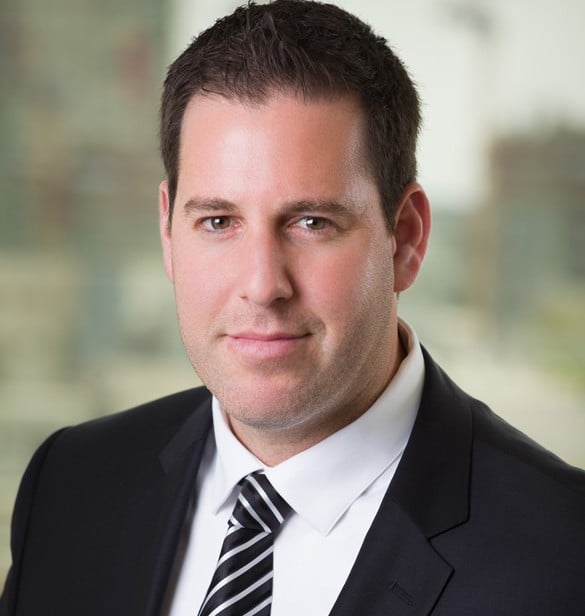
Nir Porat
Another reason is that compared to full regulatory regimes, offshore regulations require limited reporting duties of their licensees, mostly related to capital adequacy and financial statements. On the taxation side, most offshore regulations have little or no corporate income tax requirements. Additionally, most offshore regulations do not require that financial services be provided from within their territorial jurisdiction nor do they require such services to be provided solely to residents of their home jurisdictions. In terms of auditing requirements, most regulations are satisfied with the submission of financial statements on an annual basis (some require monthly and quarterly reports).

Offshore regulations include jurisdictions like Belize and Seychelles, recently joined by the attractive regulation of Vanuatu. Full regulatory regimes include some EU member states, the US, Australia and Hong Kong, which were recently joined by Israel and Russia.
It should be noted that in certain jurisdictions, companies which offer financial trading in forex and binary online services are currently not required to obtain a local license to operate such a business.
Offshore Regulations
Belize
The regulator in Belize is the International Financial Services Commission (IFSC). The relevant license is a license allowing for the “trading in financial and commodity based derivative instruments and other securities” (a rather broad definition which includes forex instruments and binary options). The IFSC typically reviews an application within 3-4 months from the date of its submission. The capital requirement from a typical forex and binary provider holding the above mentioned license is set at 100,000$ with annual fees of 5,000$.
On the taxation side, most offshore regulations have little or no corporate income tax requirements.
As to office requirements, there are several points to bear in mind - no physical office or employee is required to be resident and no corporate entities are allowed unless they were granted an exemption from the IFSC. At least one person has to be appointed to each of the following – director, secretary and shareholder. One of these persons should have experience in the field of the applied license (in that case forex and / or binary options trading), although no formal certification is required.
As to regulatory requirements, these are the main points - capital requirements are to remain blocked in a Belizean bank for the entire duration of the license. Also, a license holder cannot transact in Belizean currency. Written approval from the IFSC is required in order to hold client funds, which are to be segregated from the company’s funds and held in a separate bank account. License holders are obliged to meet with the IFSC at least once a year to review the performance of the preceding year and discuss the prospects of the ensuing year. Every licensed company must file monthly, quarterly and annual reports, mostly concerning capital requirements, margin requirements, income statements, details about executed trades and any other information required by the IFSC.
In terms of accounting and audit – there is an obligation to upkeep proper accounting records following internationally acceptable accounting standards (IFRS). There is no obligation to conduct audit for these types of licensees. Also, there are no tax obligations on the company’s funds which were generated outside of Belize.
Seychelles
In Seychelles, the relevant authority is the Financial Services Authority (FSA). The relevant type of license is entitled Securities Dealer, allowing the licensee to offer a broad range of financial instruments (including shares, stocks, bonds, swaps, options futures and CFDs). The capital requirement for the above mentioned license is set at $50,000, with annual fees of $2,500.
It should be noted that in certain jurisdictions, companies which offer financial trading in forex and binary online services are currently not required to obtain a local license to operate such a business.
Notable points regarding office requirements – a physical office and employees may be required to be resident. A licensee must employ at least two natural persons as directors. A licensee must employ at least one licensed securities advisor representative or one licensed investment advisor representative. Each licensee must hold professional indemnity insurance. Every company officer must satisfy fit and proper requirements. Also, a licensed securities dealer must maintain a register of the securities in which he has an interest.
The authority may impose conditions on a license, which may include any of the following: limiting the nature and scope of the business carried on by the licensee, including the type of securities he may offer, specifying whether the licensee may hold clients’ funds, or requiring the licensee to acquire and maintain membership with a recognized overseas securities exchange.
With respect to accounting and audit requirements – all licensees are under the obligation to upkeep proper accounting records following internationally acceptable accounting standards (IFRS). All licensees must appoint an auditor within 30 days of becoming licensed. Foreign auditors need to be authorized by the FSA.
Vanuatu
In Vanuatu, the regulating and supervising body for all financial licenses is the Vanuatu Financial Services Commission (“VFSC”), where you can apply for a license allowing for trading in financial and commodity-based derivative instruments and other securities. Licenses can be granted in 2-3 months. The capital requirement is set at $2,000 only. No physical presence is required. The application consists of a two page form. Vanuatu offers a variety of tax benefits, as the nation has no income tax, no capital gains tax nor inheritance tax.
This article was written by Adv. Nir Porat. and David Woliner.Nir Porat is the Co-Managing Partner at Ben Basat, Porat & Co., and is also responsible for leading the Corporate and International Law departments in the firm.
David Woliner is the Head of Financial Regulation at Ben Basat, Porat & Co Law Firm.
Today’s regulatory world can, in general and broad terms, be viewed as divided between offshore regulations, offering a relatively lenient licensing regime, and full regulatory regulations, offering a stricter licensing regime.
Offshore regulations typically offer a relatively fast licensing procedure (a few months, depending on the jurisdiction), along with reasonably low governmental fees and low costs of operation. One of the reasons for having relatively low costs of operation is that most jurisdictions do not require the physical presence of either offices, company directors or shareholders.
Due diligence / fit and proper requirements from the company, its directors and shareholders are, in most cases, straightforward.
Nir Porat
Another reason is that compared to full regulatory regimes, offshore regulations require limited reporting duties of their licensees, mostly related to capital adequacy and financial statements. On the taxation side, most offshore regulations have little or no corporate income tax requirements. Additionally, most offshore regulations do not require that financial services be provided from within their territorial jurisdiction nor do they require such services to be provided solely to residents of their home jurisdictions. In terms of auditing requirements, most regulations are satisfied with the submission of financial statements on an annual basis (some require monthly and quarterly reports).
Offshore regulations include jurisdictions like Belize and Seychelles, recently joined by the attractive regulation of Vanuatu. Full regulatory regimes include some EU member states, the US, Australia and Hong Kong, which were recently joined by Israel and Russia.
It should be noted that in certain jurisdictions, companies which offer financial trading in forex and binary online services are currently not required to obtain a local license to operate such a business.
Offshore Regulations
Belize
The regulator in Belize is the International Financial Services Commission (IFSC). The relevant license is a license allowing for the “trading in financial and commodity based derivative instruments and other securities” (a rather broad definition which includes forex instruments and binary options). The IFSC typically reviews an application within 3-4 months from the date of its submission. The capital requirement from a typical forex and binary provider holding the above mentioned license is set at 100,000$ with annual fees of 5,000$.
On the taxation side, most offshore regulations have little or no corporate income tax requirements.
As to office requirements, there are several points to bear in mind - no physical office or employee is required to be resident and no corporate entities are allowed unless they were granted an exemption from the IFSC. At least one person has to be appointed to each of the following – director, secretary and shareholder. One of these persons should have experience in the field of the applied license (in that case forex and / or binary options trading), although no formal certification is required.
As to regulatory requirements, these are the main points - capital requirements are to remain blocked in a Belizean bank for the entire duration of the license. Also, a license holder cannot transact in Belizean currency. Written approval from the IFSC is required in order to hold client funds, which are to be segregated from the company’s funds and held in a separate bank account. License holders are obliged to meet with the IFSC at least once a year to review the performance of the preceding year and discuss the prospects of the ensuing year. Every licensed company must file monthly, quarterly and annual reports, mostly concerning capital requirements, margin requirements, income statements, details about executed trades and any other information required by the IFSC.
In terms of accounting and audit – there is an obligation to upkeep proper accounting records following internationally acceptable accounting standards (IFRS). There is no obligation to conduct audit for these types of licensees. Also, there are no tax obligations on the company’s funds which were generated outside of Belize.
Seychelles
In Seychelles, the relevant authority is the Financial Services Authority (FSA). The relevant type of license is entitled Securities Dealer, allowing the licensee to offer a broad range of financial instruments (including shares, stocks, bonds, swaps, options futures and CFDs). The capital requirement for the above mentioned license is set at $50,000, with annual fees of $2,500.
It should be noted that in certain jurisdictions, companies which offer financial trading in forex and binary online services are currently not required to obtain a local license to operate such a business.
Notable points regarding office requirements – a physical office and employees may be required to be resident. A licensee must employ at least two natural persons as directors. A licensee must employ at least one licensed securities advisor representative or one licensed investment advisor representative. Each licensee must hold professional indemnity insurance. Every company officer must satisfy fit and proper requirements. Also, a licensed securities dealer must maintain a register of the securities in which he has an interest.
The authority may impose conditions on a license, which may include any of the following: limiting the nature and scope of the business carried on by the licensee, including the type of securities he may offer, specifying whether the licensee may hold clients’ funds, or requiring the licensee to acquire and maintain membership with a recognized overseas securities exchange.
With respect to accounting and audit requirements – all licensees are under the obligation to upkeep proper accounting records following internationally acceptable accounting standards (IFRS). All licensees must appoint an auditor within 30 days of becoming licensed. Foreign auditors need to be authorized by the FSA.
Vanuatu
In Vanuatu, the regulating and supervising body for all financial licenses is the Vanuatu Financial Services Commission (“VFSC”), where you can apply for a license allowing for trading in financial and commodity-based derivative instruments and other securities. Licenses can be granted in 2-3 months. The capital requirement is set at $2,000 only. No physical presence is required. The application consists of a two page form. Vanuatu offers a variety of tax benefits, as the nation has no income tax, no capital gains tax nor inheritance tax.
In this conversation, we sit down with Drew Niv, CSO at ATFX Connect and one of the most influential figures in modern FX.
We speak about market structure, the institutional view on liquidity, and the sharp rise of prop trading, a sector Drew has been commenting on in recent months. Drew explains why he once dismissed prop trading, why his view changed, and what he now thinks the model means for brokers, clients and risk managers.
We explore subscription-fee dependency, the high reneging rate, and the long-term challenge: how brokers can build a more stable and honest version of the model. Drew also talks about the traffic advantage standalone prop firms have built and why brokers may still win in the long run if they take the right approach.
In this conversation, we sit down with Drew Niv, CSO at ATFX Connect and one of the most influential figures in modern FX.
We speak about market structure, the institutional view on liquidity, and the sharp rise of prop trading, a sector Drew has been commenting on in recent months. Drew explains why he once dismissed prop trading, why his view changed, and what he now thinks the model means for brokers, clients and risk managers.
We explore subscription-fee dependency, the high reneging rate, and the long-term challenge: how brokers can build a more stable and honest version of the model. Drew also talks about the traffic advantage standalone prop firms have built and why brokers may still win in the long run if they take the right approach.
In this conversation, we sit down with Drew Niv, CSO at ATFX Connect and one of the most influential figures in modern FX.
We speak about market structure, the institutional view on liquidity, and the sharp rise of prop trading, a sector Drew has been commenting on in recent months. Drew explains why he once dismissed prop trading, why his view changed, and what he now thinks the model means for brokers, clients and risk managers.
We explore subscription-fee dependency, the high reneging rate, and the long-term challenge: how brokers can build a more stable and honest version of the model. Drew also talks about the traffic advantage standalone prop firms have built and why brokers may still win in the long run if they take the right approach.
In this conversation, we sit down with Drew Niv, CSO at ATFX Connect and one of the most influential figures in modern FX.
We speak about market structure, the institutional view on liquidity, and the sharp rise of prop trading, a sector Drew has been commenting on in recent months. Drew explains why he once dismissed prop trading, why his view changed, and what he now thinks the model means for brokers, clients and risk managers.
We explore subscription-fee dependency, the high reneging rate, and the long-term challenge: how brokers can build a more stable and honest version of the model. Drew also talks about the traffic advantage standalone prop firms have built and why brokers may still win in the long run if they take the right approach.
Executive Interview | Remonda Z. Kirketerp Møller| CEO & Founder Muinmos | FMLS:25
In this interview, Remonda Z. Kirketerp Møller, founder of Muinmos, breaks down the state of AI in regtech and what responsible adoption really looks like for brokers. We talk about rising fragmentation, the pressures around compliance accuracy, and why most firms are still in the early stages of AI maturity.
Ramanda also shares insights on regulator sandboxes, shifting expectations around accountability, and the current reality of MiCA licensing and passporting in Europe.
A concise look at where compliance, onboarding, and AI-driven processes are heading next.
In this interview, Remonda Z. Kirketerp Møller, founder of Muinmos, breaks down the state of AI in regtech and what responsible adoption really looks like for brokers. We talk about rising fragmentation, the pressures around compliance accuracy, and why most firms are still in the early stages of AI maturity.
Ramanda also shares insights on regulator sandboxes, shifting expectations around accountability, and the current reality of MiCA licensing and passporting in Europe.
A concise look at where compliance, onboarding, and AI-driven processes are heading next.
In this interview, Remonda Z. Kirketerp Møller, founder of Muinmos, breaks down the state of AI in regtech and what responsible adoption really looks like for brokers. We talk about rising fragmentation, the pressures around compliance accuracy, and why most firms are still in the early stages of AI maturity.
Ramanda also shares insights on regulator sandboxes, shifting expectations around accountability, and the current reality of MiCA licensing and passporting in Europe.
A concise look at where compliance, onboarding, and AI-driven processes are heading next.
In this interview, Remonda Z. Kirketerp Møller, founder of Muinmos, breaks down the state of AI in regtech and what responsible adoption really looks like for brokers. We talk about rising fragmentation, the pressures around compliance accuracy, and why most firms are still in the early stages of AI maturity.
Ramanda also shares insights on regulator sandboxes, shifting expectations around accountability, and the current reality of MiCA licensing and passporting in Europe.
A concise look at where compliance, onboarding, and AI-driven processes are heading next.
In this interview, Remonda Z. Kirketerp Møller, founder of Muinmos, breaks down the state of AI in regtech and what responsible adoption really looks like for brokers. We talk about rising fragmentation, the pressures around compliance accuracy, and why most firms are still in the early stages of AI maturity.
Ramanda also shares insights on regulator sandboxes, shifting expectations around accountability, and the current reality of MiCA licensing and passporting in Europe.
A concise look at where compliance, onboarding, and AI-driven processes are heading next.
In this interview, Remonda Z. Kirketerp Møller, founder of Muinmos, breaks down the state of AI in regtech and what responsible adoption really looks like for brokers. We talk about rising fragmentation, the pressures around compliance accuracy, and why most firms are still in the early stages of AI maturity.
Ramanda also shares insights on regulator sandboxes, shifting expectations around accountability, and the current reality of MiCA licensing and passporting in Europe.
A concise look at where compliance, onboarding, and AI-driven processes are heading next.
In this conversation, we speak with Aydin Bonabi, CEO and co-founder of Surveill, a firm focused on fraud detection and AI-driven compliance tools for financial institutions.
We start with Aydin’s view of the Summit and the challenges brokers face as fraud tactics grow more complex. He explains how firms can stay ahead through real-time signals, data patterns, and early-stage detection.
We also talk about AI training and why compliance teams often struggle to keep models accurate, fair, and aligned with regulatory expectations. Aydin breaks down what “good” AI training looks like inside a financial environment, including the importance of clean data, domain expertise, and human oversight.
He closes with a clear message: fraud is scaling, and so must the tools that stop it.
In this conversation, we speak with Aydin Bonabi, CEO and co-founder of Surveill, a firm focused on fraud detection and AI-driven compliance tools for financial institutions.
We start with Aydin’s view of the Summit and the challenges brokers face as fraud tactics grow more complex. He explains how firms can stay ahead through real-time signals, data patterns, and early-stage detection.
We also talk about AI training and why compliance teams often struggle to keep models accurate, fair, and aligned with regulatory expectations. Aydin breaks down what “good” AI training looks like inside a financial environment, including the importance of clean data, domain expertise, and human oversight.
He closes with a clear message: fraud is scaling, and so must the tools that stop it.
In this conversation, we speak with Aydin Bonabi, CEO and co-founder of Surveill, a firm focused on fraud detection and AI-driven compliance tools for financial institutions.
We start with Aydin’s view of the Summit and the challenges brokers face as fraud tactics grow more complex. He explains how firms can stay ahead through real-time signals, data patterns, and early-stage detection.
We also talk about AI training and why compliance teams often struggle to keep models accurate, fair, and aligned with regulatory expectations. Aydin breaks down what “good” AI training looks like inside a financial environment, including the importance of clean data, domain expertise, and human oversight.
He closes with a clear message: fraud is scaling, and so must the tools that stop it.
In this conversation, we speak with Aydin Bonabi, CEO and co-founder of Surveill, a firm focused on fraud detection and AI-driven compliance tools for financial institutions.
We start with Aydin’s view of the Summit and the challenges brokers face as fraud tactics grow more complex. He explains how firms can stay ahead through real-time signals, data patterns, and early-stage detection.
We also talk about AI training and why compliance teams often struggle to keep models accurate, fair, and aligned with regulatory expectations. Aydin breaks down what “good” AI training looks like inside a financial environment, including the importance of clean data, domain expertise, and human oversight.
He closes with a clear message: fraud is scaling, and so must the tools that stop it.
In this conversation, we speak with Aydin Bonabi, CEO and co-founder of Surveill, a firm focused on fraud detection and AI-driven compliance tools for financial institutions.
We start with Aydin’s view of the Summit and the challenges brokers face as fraud tactics grow more complex. He explains how firms can stay ahead through real-time signals, data patterns, and early-stage detection.
We also talk about AI training and why compliance teams often struggle to keep models accurate, fair, and aligned with regulatory expectations. Aydin breaks down what “good” AI training looks like inside a financial environment, including the importance of clean data, domain expertise, and human oversight.
He closes with a clear message: fraud is scaling, and so must the tools that stop it.
In this conversation, we speak with Aydin Bonabi, CEO and co-founder of Surveill, a firm focused on fraud detection and AI-driven compliance tools for financial institutions.
We start with Aydin’s view of the Summit and the challenges brokers face as fraud tactics grow more complex. He explains how firms can stay ahead through real-time signals, data patterns, and early-stage detection.
We also talk about AI training and why compliance teams often struggle to keep models accurate, fair, and aligned with regulatory expectations. Aydin breaks down what “good” AI training looks like inside a financial environment, including the importance of clean data, domain expertise, and human oversight.
He closes with a clear message: fraud is scaling, and so must the tools that stop it.
Exness expands its presence in Africa: Inside our interview with Paul Margarites in Cape Town
Finance Magnates met with Paul Margarites, Exness regional commercial director for Sub-Saharan Africa, during a visit to the firm’s office opening in Cape Town. In this talk, led by Andrea Badiola Mateos, Co-CEO at Finance Magnates, Paul shares views on the South African trading space, local user behavior, mobile trends, regulation, team growth, and how Exness plans to grow in more markets across the region. @Exness
Read the article at: https://www.financemagnates.com/thought-leadership/exness-expands-its-presence-in-africa-inside-our-interview-with-paul-margarites/
#exness #financemagnates #exnesstrading #CFDtrading #tradeonline #africanews #capetown
Finance Magnates met with Paul Margarites, Exness regional commercial director for Sub-Saharan Africa, during a visit to the firm’s office opening in Cape Town. In this talk, led by Andrea Badiola Mateos, Co-CEO at Finance Magnates, Paul shares views on the South African trading space, local user behavior, mobile trends, regulation, team growth, and how Exness plans to grow in more markets across the region. @Exness
Read the article at: https://www.financemagnates.com/thought-leadership/exness-expands-its-presence-in-africa-inside-our-interview-with-paul-margarites/
#exness #financemagnates #exnesstrading #CFDtrading #tradeonline #africanews #capetown
Finance Magnates met with Paul Margarites, Exness regional commercial director for Sub-Saharan Africa, during a visit to the firm’s office opening in Cape Town. In this talk, led by Andrea Badiola Mateos, Co-CEO at Finance Magnates, Paul shares views on the South African trading space, local user behavior, mobile trends, regulation, team growth, and how Exness plans to grow in more markets across the region. @Exness
Read the article at: https://www.financemagnates.com/thought-leadership/exness-expands-its-presence-in-africa-inside-our-interview-with-paul-margarites/
#exness #financemagnates #exnesstrading #CFDtrading #tradeonline #africanews #capetown
Finance Magnates met with Paul Margarites, Exness regional commercial director for Sub-Saharan Africa, during a visit to the firm’s office opening in Cape Town. In this talk, led by Andrea Badiola Mateos, Co-CEO at Finance Magnates, Paul shares views on the South African trading space, local user behavior, mobile trends, regulation, team growth, and how Exness plans to grow in more markets across the region. @Exness
Read the article at: https://www.financemagnates.com/thought-leadership/exness-expands-its-presence-in-africa-inside-our-interview-with-paul-margarites/
#exness #financemagnates #exnesstrading #CFDtrading #tradeonline #africanews #capetown
Finance Magnates met with Paul Margarites, Exness regional commercial director for Sub-Saharan Africa, during a visit to the firm’s office opening in Cape Town. In this talk, led by Andrea Badiola Mateos, Co-CEO at Finance Magnates, Paul shares views on the South African trading space, local user behavior, mobile trends, regulation, team growth, and how Exness plans to grow in more markets across the region. @Exness
Read the article at: https://www.financemagnates.com/thought-leadership/exness-expands-its-presence-in-africa-inside-our-interview-with-paul-margarites/
#exness #financemagnates #exnesstrading #CFDtrading #tradeonline #africanews #capetown
Finance Magnates met with Paul Margarites, Exness regional commercial director for Sub-Saharan Africa, during a visit to the firm’s office opening in Cape Town. In this talk, led by Andrea Badiola Mateos, Co-CEO at Finance Magnates, Paul shares views on the South African trading space, local user behavior, mobile trends, regulation, team growth, and how Exness plans to grow in more markets across the region. @Exness
Read the article at: https://www.financemagnates.com/thought-leadership/exness-expands-its-presence-in-africa-inside-our-interview-with-paul-margarites/
#exness #financemagnates #exnesstrading #CFDtrading #tradeonline #africanews #capetown
Executive Interview | Jas Shah | FMLS:25
Interview with Jas Shah
Builder | Adviser | Fintech Writer | Product Strategist
In this episode, Jonathan Fine sat down with Jas Shah, one of the most thoughtful voices in global fintech. Known for his work across advisory, product, stablecoins, and his widely read writing, Jas brings a rare combination of industry insight and plain-spoken clarity.
We talk about his first impression of the Summit, the projects that keep him busy today, and how they connect to the stablecoin panel he joined. Jas shares his view on the link between fintech, wealthtech and retail brokers, especially as firms like Revolut, eToro and Trading212 blur long-standing lines in the market.
We also explore what stablecoin adoption might look like for retail investment platforms, including a few product and UX angles that are not obvious at first glance.
To close, Jas explains how he thinks about writing, and how he approaches “shipping” pieces that spark debate across the industry.
Interview with Jas Shah
Builder | Adviser | Fintech Writer | Product Strategist
In this episode, Jonathan Fine sat down with Jas Shah, one of the most thoughtful voices in global fintech. Known for his work across advisory, product, stablecoins, and his widely read writing, Jas brings a rare combination of industry insight and plain-spoken clarity.
We talk about his first impression of the Summit, the projects that keep him busy today, and how they connect to the stablecoin panel he joined. Jas shares his view on the link between fintech, wealthtech and retail brokers, especially as firms like Revolut, eToro and Trading212 blur long-standing lines in the market.
We also explore what stablecoin adoption might look like for retail investment platforms, including a few product and UX angles that are not obvious at first glance.
To close, Jas explains how he thinks about writing, and how he approaches “shipping” pieces that spark debate across the industry.
Interview with Jas Shah
Builder | Adviser | Fintech Writer | Product Strategist
In this episode, Jonathan Fine sat down with Jas Shah, one of the most thoughtful voices in global fintech. Known for his work across advisory, product, stablecoins, and his widely read writing, Jas brings a rare combination of industry insight and plain-spoken clarity.
We talk about his first impression of the Summit, the projects that keep him busy today, and how they connect to the stablecoin panel he joined. Jas shares his view on the link between fintech, wealthtech and retail brokers, especially as firms like Revolut, eToro and Trading212 blur long-standing lines in the market.
We also explore what stablecoin adoption might look like for retail investment platforms, including a few product and UX angles that are not obvious at first glance.
To close, Jas explains how he thinks about writing, and how he approaches “shipping” pieces that spark debate across the industry.
Interview with Jas Shah
Builder | Adviser | Fintech Writer | Product Strategist
In this episode, Jonathan Fine sat down with Jas Shah, one of the most thoughtful voices in global fintech. Known for his work across advisory, product, stablecoins, and his widely read writing, Jas brings a rare combination of industry insight and plain-spoken clarity.
We talk about his first impression of the Summit, the projects that keep him busy today, and how they connect to the stablecoin panel he joined. Jas shares his view on the link between fintech, wealthtech and retail brokers, especially as firms like Revolut, eToro and Trading212 blur long-standing lines in the market.
We also explore what stablecoin adoption might look like for retail investment platforms, including a few product and UX angles that are not obvious at first glance.
To close, Jas explains how he thinks about writing, and how he approaches “shipping” pieces that spark debate across the industry.
Interview with Jas Shah
Builder | Adviser | Fintech Writer | Product Strategist
In this episode, Jonathan Fine sat down with Jas Shah, one of the most thoughtful voices in global fintech. Known for his work across advisory, product, stablecoins, and his widely read writing, Jas brings a rare combination of industry insight and plain-spoken clarity.
We talk about his first impression of the Summit, the projects that keep him busy today, and how they connect to the stablecoin panel he joined. Jas shares his view on the link between fintech, wealthtech and retail brokers, especially as firms like Revolut, eToro and Trading212 blur long-standing lines in the market.
We also explore what stablecoin adoption might look like for retail investment platforms, including a few product and UX angles that are not obvious at first glance.
To close, Jas explains how he thinks about writing, and how he approaches “shipping” pieces that spark debate across the industry.
Interview with Jas Shah
Builder | Adviser | Fintech Writer | Product Strategist
In this episode, Jonathan Fine sat down with Jas Shah, one of the most thoughtful voices in global fintech. Known for his work across advisory, product, stablecoins, and his widely read writing, Jas brings a rare combination of industry insight and plain-spoken clarity.
We talk about his first impression of the Summit, the projects that keep him busy today, and how they connect to the stablecoin panel he joined. Jas shares his view on the link between fintech, wealthtech and retail brokers, especially as firms like Revolut, eToro and Trading212 blur long-standing lines in the market.
We also explore what stablecoin adoption might look like for retail investment platforms, including a few product and UX angles that are not obvious at first glance.
To close, Jas explains how he thinks about writing, and how he approaches “shipping” pieces that spark debate across the industry.