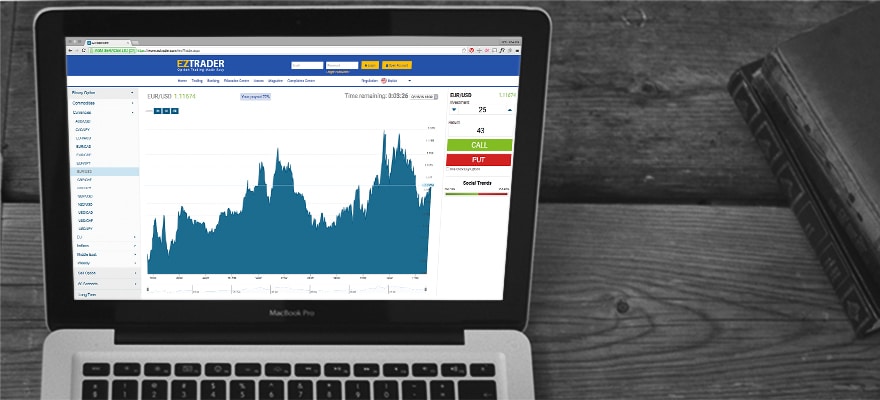
EZTD surprised many people when it announced its approval as a regulated broker in Japan. The firm is focusing on regulation and value for 2016.
Finance Magnates
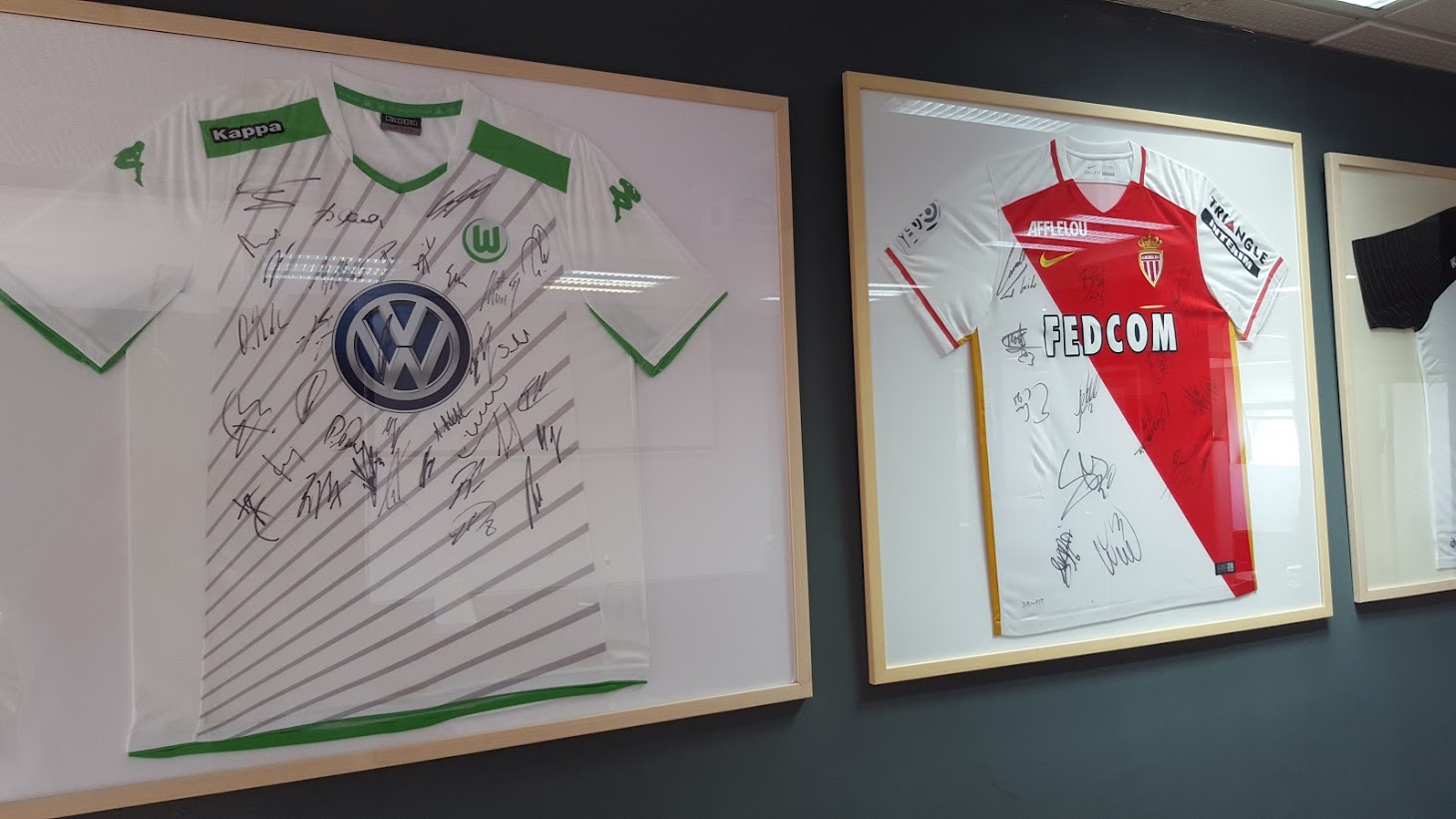
In a room with football jerseys signed by members of teams that EZTD has signed sponsorship deal with, Finance Magnates sat with the binary option and forex broker’s CEO Shimon Citron for an open discussion about the company’s past, present and future. The goal of the meeting was to follow up with Citron after the EZTD surprised many with an announcement earlier in the month that the Financial Futures Association of Japan (FFAJ) had granted them a Securities Company license.
“Learned a lot about regulation”
Citron explained that the approval from the FFAJ was the culmination of a long year where the firm “learned a lot about regulation”. The Japanese license was acquired from GKFX who had previously operated in the country. According to Citron, the acquisition process was a year-long initiative that involved multiple layers of due diligence to complete the deal.
For EZTD, that operates several binary options and forex trading brands, but is best known for its EZTRADER binary options business, the process with the FFAJ was simultaneous with regulatory dealing in Cyprus and the US.
Citron expressed that “to bring a company that is doing binary options to the United States was one of our greatest challenges”. Citron explained that the challenge to overcome was fulfilling the filing requirements from the SEC and explaining the story of binary options in a country where there aren’t any regulated brokers offering the product to retail customers (the exceptions are NADEX and CantorExchange that offer the product through an exchange model).
In terms of its stock, Citron believes that “we have a very nice story”. He compared it to the best restaurant in the neighborhood, but one that no one knew about. Therefore, part of EZTD's job now is displaying the opportunity to US based investors. In this regard, Citron believes that binary options as a product is much easier for US investors to understand because there is no leverage. This contrasts with forex brokers that have a harder story to explain to shareholders.
Citron stated that they are talking to various brokers who like the story of EZTD being the first firm to bring to stock investors a binary options company that is regulated in other countries. Overall, Citron expressed that feedback has been positive from brokers, with them liking the growth in the industry. He also added that NADEX has begun a television campaign which raises overall awareness of binary options in the US which is beneficial for EZTD's stock.
123 million people
Explaining the decision to enter Japan, Citron simply answered “123 million people” and the opportunity that provides. As for its operations there, although Citron views his firm as 99% binary options, EZTD arrives in Japan with its forex offering first. According to Citron, the firm will begin to service live accounts in March with a goal of launching binary options several months later after it becomes approved by the FFAJ.
Despite the difficult process, Citron expressed that the company views it as very important for their future. As an example, he explained that Japanese regulators are no longer issuing new licenses, and the only way in now is to acquire a regulated broker there. As such, Citron mentioned that since becoming approved in Japan, his firm has been approached by several foreign firms about partnership opportunities.
Are regulators doing enough?
One of the questions posed to Citron, as well as discussed by many licensed brokers in the forex and binary options industry, is whether regulators are doing enough to prevent unregulated firms from doing business? Citron answered with an unequivocal “no”.
Citron explained that in the gambling industry, when the US banned online gambling in 2006, it was enforced by putting rules in place to limit payment firms from processing credit card transactions for gambling. As such, Citron believed that similar measures should be put in place by regulators if they want to display that they are stopping unregulated brokers from accepting customers from their countries.
Citron stated that his firm, along with many other large brokers in Cyprus, are paying fines with more on the way from other firms, but little is done against unregulated companies. Citron stated that “regulators have to help the existing companies that are paying so much to be regulated”. He also added that he didn’t believe it made sense that regulators are ignoring brokers that operate an unregulated brand alongside the licensed one.
$20 million in deposits and value in the future
As a public company, EZTD now becomes required to file annual financial reports. Its most recent filing showed that it recorded $19.5 million in revenues for the first nine months of 2015 which was a 36% increase from the same period in 2014. Overall for 2015 it expects to have recorded around $25 million in revenues when it reports later this year.
According to Citron, 2016 has begun even better with the firm having recorded a record in new accounts and deposits during January. While Citron wouldn’t disclose overall deposit figures for the record month, he did state that it was close to 20x the performance of two years ago, with Finance Magnates estimating the month at around $9-12 million in deposits.
Despite the deposit growth, Citron expressed that the company’s mission for 2016 is “expanding customer value”. He explained that this will be done through the launch of a new website in the next few months and a new mobile platform app slated for later this year. Also, along with its current sports sponsorships, EZTD is expected to sign others to increase branding of its company.
Another area where it believes that it can provide value to customers is through higher payoff rates. According to Citron, average payoffs on successful binary options are between 75% to 80% at EZTD with them expected to rise to 85% to 90%. Citron believed that the overall industry is headed to better rates for customers which will put pressure on many weaker brokers.
Correction: A previous version of this article reported that Finance Magnates estimated EZTD's record January deposits at around $20 million when in fact our calculations were $9 - $12 million. The error was due to confusing the figure with another data point from the company.
In a room with football jerseys signed by members of teams that EZTD has signed sponsorship deal with, Finance Magnates sat with the binary option and forex broker’s CEO Shimon Citron for an open discussion about the company’s past, present and future. The goal of the meeting was to follow up with Citron after the EZTD surprised many with an announcement earlier in the month that the Financial Futures Association of Japan (FFAJ) had granted them a Securities Company license.
“Learned a lot about regulation”
Citron explained that the approval from the FFAJ was the culmination of a long year where the firm “learned a lot about regulation”. The Japanese license was acquired from GKFX who had previously operated in the country. According to Citron, the acquisition process was a year-long initiative that involved multiple layers of due diligence to complete the deal.
For EZTD, that operates several binary options and forex trading brands, but is best known for its EZTRADER binary options business, the process with the FFAJ was simultaneous with regulatory dealing in Cyprus and the US.
Citron expressed that “to bring a company that is doing binary options to the United States was one of our greatest challenges”. Citron explained that the challenge to overcome was fulfilling the filing requirements from the SEC and explaining the story of binary options in a country where there aren’t any regulated brokers offering the product to retail customers (the exceptions are NADEX and CantorExchange that offer the product through an exchange model).
In terms of its stock, Citron believes that “we have a very nice story”. He compared it to the best restaurant in the neighborhood, but one that no one knew about. Therefore, part of EZTD's job now is displaying the opportunity to US based investors. In this regard, Citron believes that binary options as a product is much easier for US investors to understand because there is no leverage. This contrasts with forex brokers that have a harder story to explain to shareholders.
Citron stated that they are talking to various brokers who like the story of EZTD being the first firm to bring to stock investors a binary options company that is regulated in other countries. Overall, Citron expressed that feedback has been positive from brokers, with them liking the growth in the industry. He also added that NADEX has begun a television campaign which raises overall awareness of binary options in the US which is beneficial for EZTD's stock.
123 million people
Explaining the decision to enter Japan, Citron simply answered “123 million people” and the opportunity that provides. As for its operations there, although Citron views his firm as 99% binary options, EZTD arrives in Japan with its forex offering first. According to Citron, the firm will begin to service live accounts in March with a goal of launching binary options several months later after it becomes approved by the FFAJ.
Despite the difficult process, Citron expressed that the company views it as very important for their future. As an example, he explained that Japanese regulators are no longer issuing new licenses, and the only way in now is to acquire a regulated broker there. As such, Citron mentioned that since becoming approved in Japan, his firm has been approached by several foreign firms about partnership opportunities.
Are regulators doing enough?
One of the questions posed to Citron, as well as discussed by many licensed brokers in the forex and binary options industry, is whether regulators are doing enough to prevent unregulated firms from doing business? Citron answered with an unequivocal “no”.
Citron explained that in the gambling industry, when the US banned online gambling in 2006, it was enforced by putting rules in place to limit payment firms from processing credit card transactions for gambling. As such, Citron believed that similar measures should be put in place by regulators if they want to display that they are stopping unregulated brokers from accepting customers from their countries.
Citron stated that his firm, along with many other large brokers in Cyprus, are paying fines with more on the way from other firms, but little is done against unregulated companies. Citron stated that “regulators have to help the existing companies that are paying so much to be regulated”. He also added that he didn’t believe it made sense that regulators are ignoring brokers that operate an unregulated brand alongside the licensed one.
$20 million in deposits and value in the future
As a public company, EZTD now becomes required to file annual financial reports. Its most recent filing showed that it recorded $19.5 million in revenues for the first nine months of 2015 which was a 36% increase from the same period in 2014. Overall for 2015 it expects to have recorded around $25 million in revenues when it reports later this year.
According to Citron, 2016 has begun even better with the firm having recorded a record in new accounts and deposits during January. While Citron wouldn’t disclose overall deposit figures for the record month, he did state that it was close to 20x the performance of two years ago, with Finance Magnates estimating the month at around $9-12 million in deposits.
Despite the deposit growth, Citron expressed that the company’s mission for 2016 is “expanding customer value”. He explained that this will be done through the launch of a new website in the next few months and a new mobile platform app slated for later this year. Also, along with its current sports sponsorships, EZTD is expected to sign others to increase branding of its company.
Another area where it believes that it can provide value to customers is through higher payoff rates. According to Citron, average payoffs on successful binary options are between 75% to 80% at EZTD with them expected to rise to 85% to 90%. Citron believed that the overall industry is headed to better rates for customers which will put pressure on many weaker brokers.
Correction: A previous version of this article reported that Finance Magnates estimated EZTD's record January deposits at around $20 million when in fact our calculations were $9 - $12 million. The error was due to confusing the figure with another data point from the company.
SignalPush, a Binary Options Signal Provider, Fined $100,000
Featured Videos
Executive Interview | Charlotte Bullock | Chief Product Officer, Bank of London | FMLS:25
In this interview, we sat down with Charlotte Bullock, Head of Product at The Bank of London, previously at SAP and now shaping product at one of the sector’s most ambitious new banking players.
Charlotte reflects on the Summit so far and talks about the culture inside fintech banks today. We look at the pressures that come with scaling, and how firms can hold onto the nimble approach that made them stand out early on.
We also cover the state of payments ahead of her appearance on the payments roundtable: the blockages financial firms face, the areas that still need fixing, and what a realistic solution looks like in 2026.
In this interview, we sat down with Charlotte Bullock, Head of Product at The Bank of London, previously at SAP and now shaping product at one of the sector’s most ambitious new banking players.
Charlotte reflects on the Summit so far and talks about the culture inside fintech banks today. We look at the pressures that come with scaling, and how firms can hold onto the nimble approach that made them stand out early on.
We also cover the state of payments ahead of her appearance on the payments roundtable: the blockages financial firms face, the areas that still need fixing, and what a realistic solution looks like in 2026.
In this interview, we sat down with Charlotte Bullock, Head of Product at The Bank of London, previously at SAP and now shaping product at one of the sector’s most ambitious new banking players.
Charlotte reflects on the Summit so far and talks about the culture inside fintech banks today. We look at the pressures that come with scaling, and how firms can hold onto the nimble approach that made them stand out early on.
We also cover the state of payments ahead of her appearance on the payments roundtable: the blockages financial firms face, the areas that still need fixing, and what a realistic solution looks like in 2026.
In this interview, we sat down with Charlotte Bullock, Head of Product at The Bank of London, previously at SAP and now shaping product at one of the sector’s most ambitious new banking players.
Charlotte reflects on the Summit so far and talks about the culture inside fintech banks today. We look at the pressures that come with scaling, and how firms can hold onto the nimble approach that made them stand out early on.
We also cover the state of payments ahead of her appearance on the payments roundtable: the blockages financial firms face, the areas that still need fixing, and what a realistic solution looks like in 2026.
In this conversation, we sit down with Drew Niv, CSO at ATFX Connect and one of the most influential figures in modern FX.
We speak about market structure, the institutional view on liquidity, and the sharp rise of prop trading, a sector Drew has been commenting on in recent months. Drew explains why he once dismissed prop trading, why his view changed, and what he now thinks the model means for brokers, clients and risk managers.
We explore subscription-fee dependency, the high reneging rate, and the long-term challenge: how brokers can build a more stable and honest version of the model. Drew also talks about the traffic advantage standalone prop firms have built and why brokers may still win in the long run if they take the right approach.
In this conversation, we sit down with Drew Niv, CSO at ATFX Connect and one of the most influential figures in modern FX.
We speak about market structure, the institutional view on liquidity, and the sharp rise of prop trading, a sector Drew has been commenting on in recent months. Drew explains why he once dismissed prop trading, why his view changed, and what he now thinks the model means for brokers, clients and risk managers.
We explore subscription-fee dependency, the high reneging rate, and the long-term challenge: how brokers can build a more stable and honest version of the model. Drew also talks about the traffic advantage standalone prop firms have built and why brokers may still win in the long run if they take the right approach.
In this conversation, we sit down with Drew Niv, CSO at ATFX Connect and one of the most influential figures in modern FX.
We speak about market structure, the institutional view on liquidity, and the sharp rise of prop trading, a sector Drew has been commenting on in recent months. Drew explains why he once dismissed prop trading, why his view changed, and what he now thinks the model means for brokers, clients and risk managers.
We explore subscription-fee dependency, the high reneging rate, and the long-term challenge: how brokers can build a more stable and honest version of the model. Drew also talks about the traffic advantage standalone prop firms have built and why brokers may still win in the long run if they take the right approach.
In this conversation, we sit down with Drew Niv, CSO at ATFX Connect and one of the most influential figures in modern FX.
We speak about market structure, the institutional view on liquidity, and the sharp rise of prop trading, a sector Drew has been commenting on in recent months. Drew explains why he once dismissed prop trading, why his view changed, and what he now thinks the model means for brokers, clients and risk managers.
We explore subscription-fee dependency, the high reneging rate, and the long-term challenge: how brokers can build a more stable and honest version of the model. Drew also talks about the traffic advantage standalone prop firms have built and why brokers may still win in the long run if they take the right approach.
In this conversation, we sit down with Drew Niv, CSO at ATFX Connect and one of the most influential figures in modern FX.
We speak about market structure, the institutional view on liquidity, and the sharp rise of prop trading, a sector Drew has been commenting on in recent months. Drew explains why he once dismissed prop trading, why his view changed, and what he now thinks the model means for brokers, clients and risk managers.
We explore subscription-fee dependency, the high reneging rate, and the long-term challenge: how brokers can build a more stable and honest version of the model. Drew also talks about the traffic advantage standalone prop firms have built and why brokers may still win in the long run if they take the right approach.
In this conversation, we sit down with Drew Niv, CSO at ATFX Connect and one of the most influential figures in modern FX.
We speak about market structure, the institutional view on liquidity, and the sharp rise of prop trading, a sector Drew has been commenting on in recent months. Drew explains why he once dismissed prop trading, why his view changed, and what he now thinks the model means for brokers, clients and risk managers.
We explore subscription-fee dependency, the high reneging rate, and the long-term challenge: how brokers can build a more stable and honest version of the model. Drew also talks about the traffic advantage standalone prop firms have built and why brokers may still win in the long run if they take the right approach.
Executive Interview | Remonda Z. Kirketerp Møller| CEO & Founder Muinmos | FMLS:25
In this interview, Remonda Z. Kirketerp Møller, founder of Muinmos, breaks down the state of AI in regtech and what responsible adoption really looks like for brokers. We talk about rising fragmentation, the pressures around compliance accuracy, and why most firms are still in the early stages of AI maturity.
Ramanda also shares insights on regulator sandboxes, shifting expectations around accountability, and the current reality of MiCA licensing and passporting in Europe.
A concise look at where compliance, onboarding, and AI-driven processes are heading next.
In this interview, Remonda Z. Kirketerp Møller, founder of Muinmos, breaks down the state of AI in regtech and what responsible adoption really looks like for brokers. We talk about rising fragmentation, the pressures around compliance accuracy, and why most firms are still in the early stages of AI maturity.
Ramanda also shares insights on regulator sandboxes, shifting expectations around accountability, and the current reality of MiCA licensing and passporting in Europe.
A concise look at where compliance, onboarding, and AI-driven processes are heading next.
In this interview, Remonda Z. Kirketerp Møller, founder of Muinmos, breaks down the state of AI in regtech and what responsible adoption really looks like for brokers. We talk about rising fragmentation, the pressures around compliance accuracy, and why most firms are still in the early stages of AI maturity.
Ramanda also shares insights on regulator sandboxes, shifting expectations around accountability, and the current reality of MiCA licensing and passporting in Europe.
A concise look at where compliance, onboarding, and AI-driven processes are heading next.
In this interview, Remonda Z. Kirketerp Møller, founder of Muinmos, breaks down the state of AI in regtech and what responsible adoption really looks like for brokers. We talk about rising fragmentation, the pressures around compliance accuracy, and why most firms are still in the early stages of AI maturity.
Ramanda also shares insights on regulator sandboxes, shifting expectations around accountability, and the current reality of MiCA licensing and passporting in Europe.
A concise look at where compliance, onboarding, and AI-driven processes are heading next.
In this interview, Remonda Z. Kirketerp Møller, founder of Muinmos, breaks down the state of AI in regtech and what responsible adoption really looks like for brokers. We talk about rising fragmentation, the pressures around compliance accuracy, and why most firms are still in the early stages of AI maturity.
Ramanda also shares insights on regulator sandboxes, shifting expectations around accountability, and the current reality of MiCA licensing and passporting in Europe.
A concise look at where compliance, onboarding, and AI-driven processes are heading next.
In this interview, Remonda Z. Kirketerp Møller, founder of Muinmos, breaks down the state of AI in regtech and what responsible adoption really looks like for brokers. We talk about rising fragmentation, the pressures around compliance accuracy, and why most firms are still in the early stages of AI maturity.
Ramanda also shares insights on regulator sandboxes, shifting expectations around accountability, and the current reality of MiCA licensing and passporting in Europe.
A concise look at where compliance, onboarding, and AI-driven processes are heading next.
In this conversation, we speak with Aydin Bonabi, CEO and co-founder of Surveill, a firm focused on fraud detection and AI-driven compliance tools for financial institutions.
We start with Aydin’s view of the Summit and the challenges brokers face as fraud tactics grow more complex. He explains how firms can stay ahead through real-time signals, data patterns, and early-stage detection.
We also talk about AI training and why compliance teams often struggle to keep models accurate, fair, and aligned with regulatory expectations. Aydin breaks down what “good” AI training looks like inside a financial environment, including the importance of clean data, domain expertise, and human oversight.
He closes with a clear message: fraud is scaling, and so must the tools that stop it.
In this conversation, we speak with Aydin Bonabi, CEO and co-founder of Surveill, a firm focused on fraud detection and AI-driven compliance tools for financial institutions.
We start with Aydin’s view of the Summit and the challenges brokers face as fraud tactics grow more complex. He explains how firms can stay ahead through real-time signals, data patterns, and early-stage detection.
We also talk about AI training and why compliance teams often struggle to keep models accurate, fair, and aligned with regulatory expectations. Aydin breaks down what “good” AI training looks like inside a financial environment, including the importance of clean data, domain expertise, and human oversight.
He closes with a clear message: fraud is scaling, and so must the tools that stop it.
In this conversation, we speak with Aydin Bonabi, CEO and co-founder of Surveill, a firm focused on fraud detection and AI-driven compliance tools for financial institutions.
We start with Aydin’s view of the Summit and the challenges brokers face as fraud tactics grow more complex. He explains how firms can stay ahead through real-time signals, data patterns, and early-stage detection.
We also talk about AI training and why compliance teams often struggle to keep models accurate, fair, and aligned with regulatory expectations. Aydin breaks down what “good” AI training looks like inside a financial environment, including the importance of clean data, domain expertise, and human oversight.
He closes with a clear message: fraud is scaling, and so must the tools that stop it.
In this conversation, we speak with Aydin Bonabi, CEO and co-founder of Surveill, a firm focused on fraud detection and AI-driven compliance tools for financial institutions.
We start with Aydin’s view of the Summit and the challenges brokers face as fraud tactics grow more complex. He explains how firms can stay ahead through real-time signals, data patterns, and early-stage detection.
We also talk about AI training and why compliance teams often struggle to keep models accurate, fair, and aligned with regulatory expectations. Aydin breaks down what “good” AI training looks like inside a financial environment, including the importance of clean data, domain expertise, and human oversight.
He closes with a clear message: fraud is scaling, and so must the tools that stop it.
In this conversation, we speak with Aydin Bonabi, CEO and co-founder of Surveill, a firm focused on fraud detection and AI-driven compliance tools for financial institutions.
We start with Aydin’s view of the Summit and the challenges brokers face as fraud tactics grow more complex. He explains how firms can stay ahead through real-time signals, data patterns, and early-stage detection.
We also talk about AI training and why compliance teams often struggle to keep models accurate, fair, and aligned with regulatory expectations. Aydin breaks down what “good” AI training looks like inside a financial environment, including the importance of clean data, domain expertise, and human oversight.
He closes with a clear message: fraud is scaling, and so must the tools that stop it.
In this conversation, we speak with Aydin Bonabi, CEO and co-founder of Surveill, a firm focused on fraud detection and AI-driven compliance tools for financial institutions.
We start with Aydin’s view of the Summit and the challenges brokers face as fraud tactics grow more complex. He explains how firms can stay ahead through real-time signals, data patterns, and early-stage detection.
We also talk about AI training and why compliance teams often struggle to keep models accurate, fair, and aligned with regulatory expectations. Aydin breaks down what “good” AI training looks like inside a financial environment, including the importance of clean data, domain expertise, and human oversight.
He closes with a clear message: fraud is scaling, and so must the tools that stop it.
Exness expands its presence in Africa: Inside our interview with Paul Margarites in Cape Town
Finance Magnates met with Paul Margarites, Exness regional commercial director for Sub-Saharan Africa, during a visit to the firm’s office opening in Cape Town. In this talk, led by Andrea Badiola Mateos, Co-CEO at Finance Magnates, Paul shares views on the South African trading space, local user behavior, mobile trends, regulation, team growth, and how Exness plans to grow in more markets across the region. @Exness
Read the article at: https://www.financemagnates.com/thought-leadership/exness-expands-its-presence-in-africa-inside-our-interview-with-paul-margarites/
#exness #financemagnates #exnesstrading #CFDtrading #tradeonline #africanews #capetown
Finance Magnates met with Paul Margarites, Exness regional commercial director for Sub-Saharan Africa, during a visit to the firm’s office opening in Cape Town. In this talk, led by Andrea Badiola Mateos, Co-CEO at Finance Magnates, Paul shares views on the South African trading space, local user behavior, mobile trends, regulation, team growth, and how Exness plans to grow in more markets across the region. @Exness
Read the article at: https://www.financemagnates.com/thought-leadership/exness-expands-its-presence-in-africa-inside-our-interview-with-paul-margarites/
#exness #financemagnates #exnesstrading #CFDtrading #tradeonline #africanews #capetown
Finance Magnates met with Paul Margarites, Exness regional commercial director for Sub-Saharan Africa, during a visit to the firm’s office opening in Cape Town. In this talk, led by Andrea Badiola Mateos, Co-CEO at Finance Magnates, Paul shares views on the South African trading space, local user behavior, mobile trends, regulation, team growth, and how Exness plans to grow in more markets across the region. @Exness
Read the article at: https://www.financemagnates.com/thought-leadership/exness-expands-its-presence-in-africa-inside-our-interview-with-paul-margarites/
#exness #financemagnates #exnesstrading #CFDtrading #tradeonline #africanews #capetown
Finance Magnates met with Paul Margarites, Exness regional commercial director for Sub-Saharan Africa, during a visit to the firm’s office opening in Cape Town. In this talk, led by Andrea Badiola Mateos, Co-CEO at Finance Magnates, Paul shares views on the South African trading space, local user behavior, mobile trends, regulation, team growth, and how Exness plans to grow in more markets across the region. @Exness
Read the article at: https://www.financemagnates.com/thought-leadership/exness-expands-its-presence-in-africa-inside-our-interview-with-paul-margarites/
#exness #financemagnates #exnesstrading #CFDtrading #tradeonline #africanews #capetown
Finance Magnates met with Paul Margarites, Exness regional commercial director for Sub-Saharan Africa, during a visit to the firm’s office opening in Cape Town. In this talk, led by Andrea Badiola Mateos, Co-CEO at Finance Magnates, Paul shares views on the South African trading space, local user behavior, mobile trends, regulation, team growth, and how Exness plans to grow in more markets across the region. @Exness
Read the article at: https://www.financemagnates.com/thought-leadership/exness-expands-its-presence-in-africa-inside-our-interview-with-paul-margarites/
#exness #financemagnates #exnesstrading #CFDtrading #tradeonline #africanews #capetown
Finance Magnates met with Paul Margarites, Exness regional commercial director for Sub-Saharan Africa, during a visit to the firm’s office opening in Cape Town. In this talk, led by Andrea Badiola Mateos, Co-CEO at Finance Magnates, Paul shares views on the South African trading space, local user behavior, mobile trends, regulation, team growth, and how Exness plans to grow in more markets across the region. @Exness
Read the article at: https://www.financemagnates.com/thought-leadership/exness-expands-its-presence-in-africa-inside-our-interview-with-paul-margarites/
#exness #financemagnates #exnesstrading #CFDtrading #tradeonline #africanews #capetown