The Supreme Court today (Friday) invalidated most of President Donald Trump’s broad tariffs, removing a key element of his second-term economic strategy.
In a written opinion, the court said Trump’s use of the International Emergency Economic Powers Act to impose sweeping tariffs was unlawful. The 1970s law allows the president to “regulate” imports to address national emergencies that pose an “unusual and extraordinary” threat.
The ruling comes after Trump’s tariff announcements drew sharp reactions from trading partners, particularly in Europe, where officials warned of retaliation, and markets and economic activity had already been affected.
Supreme Court Blocks Trump’s Emergency Tariffs
Chief Justice John Roberts, writing for the majority, said the court was not evaluating economic policy. “We claim no special competence in matters of economics or foreign affairs,” he wrote. “Fulfilling that role, we hold that IEEPA does not authorize the President to impose tariffs,” The Hill reported.
- Q2 Recap: Tariffs Boosted Trading, MT China Crashed. Will Q3 Bring Football More CFD Brands?
- S&P 500, DAX, Crypto Sink as Trump Slaps 50% Tariff Threat on EU, Targets iPhones
- Trump Escalates Trade War Talk With 50% Tariff Proposal on EU
Trump is the first president in nearly 50 years to invoke IEEPA for tariffs. Beginning in February, he declared an emergency related to fentanyl and used it to levy duties on Canada, China and Mexico. He later cited a trade deficit emergency to impose reciprocal tariffs on dozens of other trading partners.
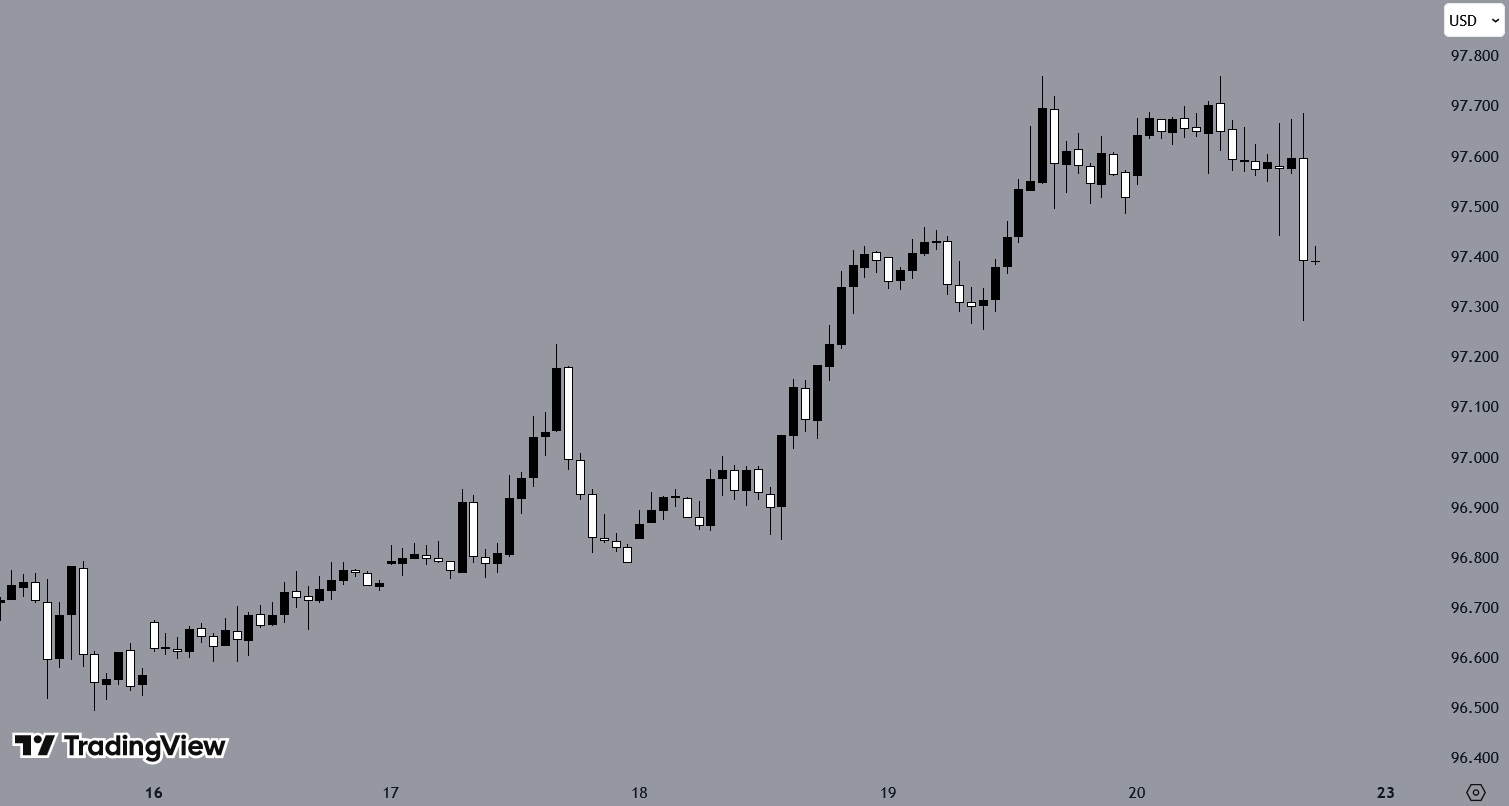
Lower courts had allowed the tariffs to remain in place while the Supreme Court reviewed the case. The ruling does not affect sector-specific tariffs imposed under other laws, including on steel, aluminum and copper.
Stuart Kousoulou, Quantitative Trader at CMC Markets, said the Supreme Court ruling had been “positive for risk assets, particularly equities and global markets, by reducing a major policy uncertainty.” He added that the decision also clarifies legal boundaries on trade policy, but noted that questions remain over refunds, small business impacts, and potential alternative tariff authorities.
Companies May Seek Billions Tariff Refunds
The decision is expected to prompt companies to seek refunds for billions of dollars in tariffs already paid. Before the ruling, firms including Costco, parts of the Toyota Group and Revlon filed lawsuits to preserve potential claims. The Supreme Court case originated from suits brought by Democratic-led states and two groups of small businesses.
Trump had described the case as one of the most important in U.S. history and warned that a decision against him could cause economic harm. Despite the ruling, the administration retains options. Congress can impose tariffs, and similar measures could be justified under other laws.