Context engineering is replacing prompt engineering as the key to AI performance.
It’s about managing the right mix of data, memory, and tools to guide LLMs effectively.
In financial analysis, client-facing chatbots, portfolio recommendations, context is key.
Can GhatGPT make you rich, according to Reddit .... maybe....?
The hottest trend in AI isn’t prompt hacking—it’s building smarter systems, from chatbots to analytical AIs, by
curating what surrounds the prompt. Welcome to the age of context engineering.
Move Over Prompts—Context is King Now
There’s a new buzzword elbowing its way into the AI conversation, and
it’s not another flavor of “GPT-something.” It’s context engineering, and if
that sounds like consultant-speak for organizing your junk drawer, think again.
Context engineering is fast becoming the backbone of serious AI
deployments, especially those involving large language models (LLMs). If prompt
engineering was the scrappy little startup idea—getting clever with wording to
coax better answers—then context engineering is the mature, boardroom-bound
enterprise strategy. It's what happens when you stop fiddling with the prompt
and start looking at the whole environment the model is working in.
Context is where the professionals play.
What Is Context Engineering?
Context engineering is the deliberate design, structuring, and
management of the information ecosystem surrounding an AI model. Think of it as
crafting not just the question, but the entire briefing memo, mood board, data
warehouse, and toolkit that help an LLM give a decent answer.
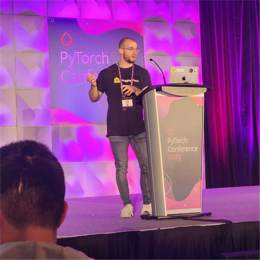
Philipp Schmid, Senior AI Developer Relations Engineer at Google DeepMind (LinkedIn).
According to AI guru Phil
Schmid, context engineering consists of several major components:
Instructions / System Prompt: Rules and examples that guide the model’s
behavior throughout the conversation.
User Prompt: The user’s immediate question or request.
State / History: The current conversation thread, including recent
exchanges.
Long-Term Memory: Persistent knowledge from past interactions, such as
preferences and project summaries.
Retrieved Information: Real-time data pulled from documents,
APIs, or databases to enrich responses.
Available Tools: Functions the model can use (e.g., search,
send_email).
Structured Output: Predefined response format, like JSON or tables.
This isn’t just about feeding the model more information—it’s about curating
the right information, at the right time, in the right format. That’s context
engineering.
Why You Should Care
If you’re building a trading bot, customer service assistant, or
research analyst powered by an LLM, you don’t want it guessing in the dark.
Context engineering ensures it walks into the room prepped, briefed, and ready
to speak intelligently about your client’s portfolio, market trends in
sub-Saharan Africa, or whatever it might be.
According
to LlamaIndex, a firm that helps developers use AI to extract and process information
from business documents, success in enterprise AI depends less on tweaking
prompts and more on designing context pipelines that can integrate
domain-specific knowledge, user preferences, compliance requirements, and
temporal awareness.
Finance is a perfect example: no AI should recommend the same ETF in
January and July without context about earnings, news events, or user portfolio
history. With smart context pipelines, the LLM knows whether it's speaking to a
junior retail trader or a seasoned institutional player and deliver the
information in the appropriate manner.
As
LangChain’s engineers put it, prompt engineering is fine for demos—but
context engineering is what gets deployed in production. And production is
where the money is.
From Hacky Tricks to Hard Strategy
Let’s not pretend prompt engineering didn’t have its moment. But as
systems mature, the game has shifted. One-off prompt hacks (“act as a
financial advisor”) just don’t cut it when stakes are high, and
consistency, accuracy, and regulatory compliance are in play.
Context engineering, by contrast, is about building systems that ensure
AI behaves in a robust, repeatable way. It involves integrating semantic search
engines, versioned memory banks, and modular knowledge sources so the model
doesn’t hallucinate a balance sheet or invent nonexistent market indices.
Adnan Masood puts it perfectly when he writes in Medium that, context
engineering elevates AI from “prompt
crafting to enterprise competence.” It’s the difference between a clever
intern and a reliable chief of staff.
Stop Prompting, Start Context Engineering
To wrap it up in terms even a VC can grok: context engineering is the
infrastructure layer your AI stack desperately needs. It’s not sexy. It’s not
tweetable. But it’s the only way LLMs become truly useful at scale.
As Masood puts it, “carefully engineered context is often the
difference between mediocre and exceptional AI performance.” Whether you're
running an enterprise knowledge assistant or a high-frequency trading copilot,
getting the context right is what separates a flashy toy from a strategic
asset.
Or, to quote one particularly salty LinkedIn AI lead: If you’re still obsessing over prompt wording, you’re solving the
wrong problem.
So, stop fiddling with adjectives. Start engineering the environment.
Context isn’t just king—it’s the whole kingdom.
For more stories around the edges of finance, visit our Trending pages.
The hottest trend in AI isn’t prompt hacking—it’s building smarter systems, from chatbots to analytical AIs, by
curating what surrounds the prompt. Welcome to the age of context engineering.
Move Over Prompts—Context is King Now
There’s a new buzzword elbowing its way into the AI conversation, and
it’s not another flavor of “GPT-something.” It’s context engineering, and if
that sounds like consultant-speak for organizing your junk drawer, think again.
Context engineering is fast becoming the backbone of serious AI
deployments, especially those involving large language models (LLMs). If prompt
engineering was the scrappy little startup idea—getting clever with wording to
coax better answers—then context engineering is the mature, boardroom-bound
enterprise strategy. It's what happens when you stop fiddling with the prompt
and start looking at the whole environment the model is working in.
Context is where the professionals play.
What Is Context Engineering?
Context engineering is the deliberate design, structuring, and
management of the information ecosystem surrounding an AI model. Think of it as
crafting not just the question, but the entire briefing memo, mood board, data
warehouse, and toolkit that help an LLM give a decent answer.
Philipp Schmid, Senior AI Developer Relations Engineer at Google DeepMind (LinkedIn).
According to AI guru Phil
Schmid, context engineering consists of several major components:
Instructions / System Prompt: Rules and examples that guide the model’s
behavior throughout the conversation.
User Prompt: The user’s immediate question or request.
State / History: The current conversation thread, including recent
exchanges.
Long-Term Memory: Persistent knowledge from past interactions, such as
preferences and project summaries.
Retrieved Information: Real-time data pulled from documents,
APIs, or databases to enrich responses.
Available Tools: Functions the model can use (e.g., search,
send_email).
Structured Output: Predefined response format, like JSON or tables.
This isn’t just about feeding the model more information—it’s about curating
the right information, at the right time, in the right format. That’s context
engineering.
Why You Should Care
If you’re building a trading bot, customer service assistant, or
research analyst powered by an LLM, you don’t want it guessing in the dark.
Context engineering ensures it walks into the room prepped, briefed, and ready
to speak intelligently about your client’s portfolio, market trends in
sub-Saharan Africa, or whatever it might be.
According
to LlamaIndex, a firm that helps developers use AI to extract and process information
from business documents, success in enterprise AI depends less on tweaking
prompts and more on designing context pipelines that can integrate
domain-specific knowledge, user preferences, compliance requirements, and
temporal awareness.
Finance is a perfect example: no AI should recommend the same ETF in
January and July without context about earnings, news events, or user portfolio
history. With smart context pipelines, the LLM knows whether it's speaking to a
junior retail trader or a seasoned institutional player and deliver the
information in the appropriate manner.
As
LangChain’s engineers put it, prompt engineering is fine for demos—but
context engineering is what gets deployed in production. And production is
where the money is.
From Hacky Tricks to Hard Strategy
Let’s not pretend prompt engineering didn’t have its moment. But as
systems mature, the game has shifted. One-off prompt hacks (“act as a
financial advisor”) just don’t cut it when stakes are high, and
consistency, accuracy, and regulatory compliance are in play.
Context engineering, by contrast, is about building systems that ensure
AI behaves in a robust, repeatable way. It involves integrating semantic search
engines, versioned memory banks, and modular knowledge sources so the model
doesn’t hallucinate a balance sheet or invent nonexistent market indices.
Adnan Masood puts it perfectly when he writes in Medium that, context
engineering elevates AI from “prompt
crafting to enterprise competence.” It’s the difference between a clever
intern and a reliable chief of staff.
Stop Prompting, Start Context Engineering
To wrap it up in terms even a VC can grok: context engineering is the
infrastructure layer your AI stack desperately needs. It’s not sexy. It’s not
tweetable. But it’s the only way LLMs become truly useful at scale.
As Masood puts it, “carefully engineered context is often the
difference between mediocre and exceptional AI performance.” Whether you're
running an enterprise knowledge assistant or a high-frequency trading copilot,
getting the context right is what separates a flashy toy from a strategic
asset.
Or, to quote one particularly salty LinkedIn AI lead: If you’re still obsessing over prompt wording, you’re solving the
wrong problem.
So, stop fiddling with adjectives. Start engineering the environment.
Context isn’t just king—it’s the whole kingdom.
For more stories around the edges of finance, visit our Trending pages.
Louis Parks has lived and worked in and around the Middle East for much of his professional career. He writes about the meeting of the tech and finance worlds.
US Sanctions North Korea IT Worker Network; Vietnam Firm Accused of Laundering $2.5M Crypto
Finance Magnates Awards 2026 – Nominations Now Open
Finance Magnates Awards 2026 – Nominations Now Open
The Finance Magnates Awards 2026 nominations are now open. 🏆
From fintech innovators to leading brokers, this is where the finance industry celebrates its biggest achievements.
Winners will be announced at the Cyprus Gala Dinner on November 6, 2026.
Nominate your brand now.
https://awards.financemagnates.com/?utm_source=linkedin&utm_medium=video&utm_campaign=nominations-open
#FMAwards #FinanceMagnates #FintechAwards #Fintech #FinanceIndustry
The Finance Magnates Awards 2026 nominations are now open. 🏆
From fintech innovators to leading brokers, this is where the finance industry celebrates its biggest achievements.
Winners will be announced at the Cyprus Gala Dinner on November 6, 2026.
Nominate your brand now.
https://awards.financemagnates.com/?utm_source=linkedin&utm_medium=video&utm_campaign=nominations-open
#FMAwards #FinanceMagnates #FintechAwards #Fintech #FinanceIndustry
Finance Magnates Awards 2026 | Nominations Now Open 🏆#Fintech #FMAwards #TradingIndustry
Finance Magnates Awards 2026 | Nominations Now Open 🏆#Fintech #FMAwards #TradingIndustry
Lights on. Cameras ready. 🎬
Finance Magnates Awards 2026 nominations are now open. 🏆
#FMAwards #FinanceMagnates #FintechAwards #Fintech
Lights on. Cameras ready. 🎬
Finance Magnates Awards 2026 nominations are now open. 🏆
#FMAwards #FinanceMagnates #FintechAwards #Fintech
Exness sees trust as the key theme for growth in MENA Trading Growth for 2026
Exness sees trust as the key theme for growth in MENA Trading Growth for 2026
Mohammad Amer, Regional Commercial Director at Exness, sits down to discuss the booming MENA financial trading market. Find out why Dubai is key to the company's growth strategy, how a mobile-first generation is changing expectations, and why trust will be the defining theme for traders in 2026.
In this interview, you'll learn:
* Why Dubai and the MENA region are critical growth markets for fintech and online trading.
* How Exness is addressing the demands of mobile-first, younger traders through engineering, platform stability, and transparent conditions.
* The essential role local talent plays in providing a culturally relevant and compliant user experience.
* Mohammad Amer's outlook on the future of the online trading industry and why stronger controls and systems are necessary.
* Why "trust" isn't just a brand value, but has commercial value—and why he predicts 2026 will be the "Year of Trust."
Key Takeaways:
➡️ The MENA region is rapidly shaping global financial markets.
➡️ New traders expect stability, precise execution, and transparency.
➡️ Local expertise is key to regulatory compliance and user experience.
➡️ Future success belongs to firms capable of meeting rising standards across regulation and platform consistency.
Read the full article at: https://www.financemagnates.com/thought-leadership/exness-sees-trust-as-the-key-theme-for-growth-in-mena-trading-growth-for-2026/
#Exness #MENA #Trading #FinTech #Dubai #OnlineTrading #FinanceMagnates #MohammadAmer #Trust #MobileTrading
Mohammad Amer, Regional Commercial Director at Exness, sits down to discuss the booming MENA financial trading market. Find out why Dubai is key to the company's growth strategy, how a mobile-first generation is changing expectations, and why trust will be the defining theme for traders in 2026.
In this interview, you'll learn:
* Why Dubai and the MENA region are critical growth markets for fintech and online trading.
* How Exness is addressing the demands of mobile-first, younger traders through engineering, platform stability, and transparent conditions.
* The essential role local talent plays in providing a culturally relevant and compliant user experience.
* Mohammad Amer's outlook on the future of the online trading industry and why stronger controls and systems are necessary.
* Why "trust" isn't just a brand value, but has commercial value—and why he predicts 2026 will be the "Year of Trust."
Key Takeaways:
➡️ The MENA region is rapidly shaping global financial markets.
➡️ New traders expect stability, precise execution, and transparency.
➡️ Local expertise is key to regulatory compliance and user experience.
➡️ Future success belongs to firms capable of meeting rising standards across regulation and platform consistency.
Read the full article at: https://www.financemagnates.com/thought-leadership/exness-sees-trust-as-the-key-theme-for-growth-in-mena-trading-growth-for-2026/
#Exness #MENA #Trading #FinTech #Dubai #OnlineTrading #FinanceMagnates #MohammadAmer #Trust #MobileTrading
Paytiko CEO Razi Salih on Why Payment Orchestration is a MUST-HAVE for Brokers in 2026
Paytiko CEO Razi Salih on Why Payment Orchestration is a MUST-HAVE for Brokers in 2026
At iFX Expo Dubai, Finance Magnates spoke with Razi Salih, CEO at Paytiko, about the evolution of the payments ecosystem and why payment orchestration has shifted from an option to a necessity for brokers, prop firms, and exchanges.
Mr. Salih explains how global expansion, the need for deep localisation, and the sheer number of new payment methods, from instant banking to stablecoins, are driving this critical infrastructure shift.
#PaymentOrchestration #Fintech #Brokerage #TradingPayments #RaziSalih #Paytiko #iFXExpoDubai #Stablecoins #AIinFintech
At iFX Expo Dubai, Finance Magnates spoke with Razi Salih, CEO at Paytiko, about the evolution of the payments ecosystem and why payment orchestration has shifted from an option to a necessity for brokers, prop firms, and exchanges.
Mr. Salih explains how global expansion, the need for deep localisation, and the sheer number of new payment methods, from instant banking to stablecoins, are driving this critical infrastructure shift.
#PaymentOrchestration #Fintech #Brokerage #TradingPayments #RaziSalih #Paytiko #iFXExpoDubai #Stablecoins #AIinFintech
Altima CTO Sunil Jadhav: Solving Data Fragmentation & Lag for Brokers & Prop Firms
Altima CTO Sunil Jadhav: Solving Data Fragmentation & Lag for Brokers & Prop Firms
Altima CTO Sunil Jadhav sits down with Finance Magnates to discuss the core technology challenges facing CFD brokers and proprietary trading firms today.
Jadhav explains how the industry's reliance on batch processing and fragmented systems (where CRMs, risk tools, and trading platforms operate with separate 'sources of truth') leads to delayed data and inconsistent operational decisions. He argues that real-time event processing is essential for managing fast-moving trading activity and risk.
Learn how Altima's unified, event-driven architecture, connecting Altima CRM, Altima Prop, IB systems, and risk management through a single backbone, is designed to provide synchronous data and better operational coordination for modern brokerage and prop firm stacks.
Key Topics:
- Broker and Prop Firm Data Challenges
- The problem of delayed data processing (batch processing vs. real-time events)
- Fragmented systems and conflicting data sources
- Altima's unified, event-driven solution architecture
- The concept of a "risk-aware CRM"
- Built-in risk management in Altima Prop
#Altima #financemagnates #iFXDubai #FinTech #BrokerTech #PropFirm #CFDBroker #TradingTechnology #RealTimeData #RiskManagement #CRM #FinancialMarkets #EventDrivenArchitecture
Altima CTO Sunil Jadhav sits down with Finance Magnates to discuss the core technology challenges facing CFD brokers and proprietary trading firms today.
Jadhav explains how the industry's reliance on batch processing and fragmented systems (where CRMs, risk tools, and trading platforms operate with separate 'sources of truth') leads to delayed data and inconsistent operational decisions. He argues that real-time event processing is essential for managing fast-moving trading activity and risk.
Learn how Altima's unified, event-driven architecture, connecting Altima CRM, Altima Prop, IB systems, and risk management through a single backbone, is designed to provide synchronous data and better operational coordination for modern brokerage and prop firm stacks.
Key Topics:
- Broker and Prop Firm Data Challenges
- The problem of delayed data processing (batch processing vs. real-time events)
- Fragmented systems and conflicting data sources
- Altima's unified, event-driven solution architecture
- The concept of a "risk-aware CRM"
- Built-in risk management in Altima Prop
#Altima #financemagnates #iFXDubai #FinTech #BrokerTech #PropFirm #CFDBroker #TradingTechnology #RealTimeData #RiskManagement #CRM #FinancialMarkets #EventDrivenArchitecture