Apple beat the forecasts by nearly $4 billion. Stock Pops.
Nothing screams investor confidence like solid earnings.
Services and wearables dipped, but iPhones carried the quarter.
Happy days for Tim Cook as iPhones continue to dominate.
Cupertino’s comeback kid: With iPhones doing the heavy lifting, Apple shrugs
off the gloom and posts a clean beat for Q3
iPhones to the Rescue
Apple has done it again, snatching another quarterly win from the jaws
of analyst doubt. The tech giant’s third
quarter earnings report dropped yesterday and brought some much-needed good
news for investors: revenue came in at $94 billion, beating expectations and up
10% year on year, largely thanks to an unexpected jump in iPhone sales.
You read that right. The iPhone, the product Wall Street loves to
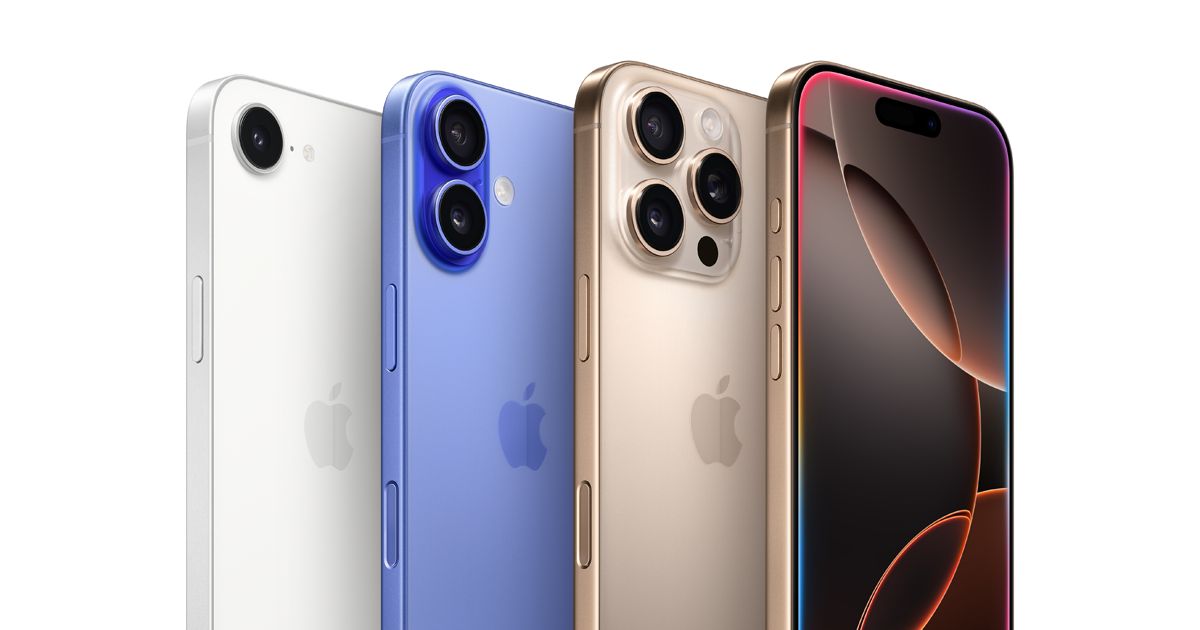
prematurely eulogize, posted a year-over-year sales increase, pulling in $44.58
billion this quarter, up 13.5%. That’s around $4 billion more than analysts had
anticipated. Apparently, there are still enough people on the planet willing to
shell out over a grand for marginal camera upgrades. Apologies for the snark,
the latest models are great, as usual but, as usual, they’re overpriced.
iPhone sales carried the day (Apple).
CEO Tim Cook, naturally, was ready with the victory lap. “Today Apple
is proud to report a June quarter revenue record with double-digit growth in
iPhone, Mac and Services and growth around the world, in every geographic
segment,” said Tim Cook, Apple’s CEO. “At WWDC25, we were excited to introduce
a beautiful new software design that extends across all of our platforms, and
we announced even more great Apple Intelligence features.”
All good news? Sure. But, iPhone is the key.
The Stock Likes It
Apple’s share price reacted accordingly. After the earnings were
released, shares rose around 2-3% in after-hours trading.
Investors found comfort in Apple’s forward guidance. The company hinted
at continued strength in iPhone sales for the next quarter and suggested that
wearables and iPads, which declined this time, could see an improvement ahead.
No flashy artificial intelligence (AI) announcement, no “one more thing”, no big pivot, just
solid numbers and a calm tone from the executive suite. In this market, that’s
practically a flex.
Not All Sunshine and Titanium
It
wasn’t a flawless quarter. Mac sales of $8.05 billion beat expectations of
$7.26 billion, and wearables (yes, that includes your Apple Watch and AirPods) did
$7.4 billion, missing estimates of $7.82 billion. Services, long considered the
company’s golden goose, pulled in $27.42 billion, topping analyst expectations
of $26.8 billion. iPads hit $6.58 billion in sales, missing expectations of
$7.24 billion
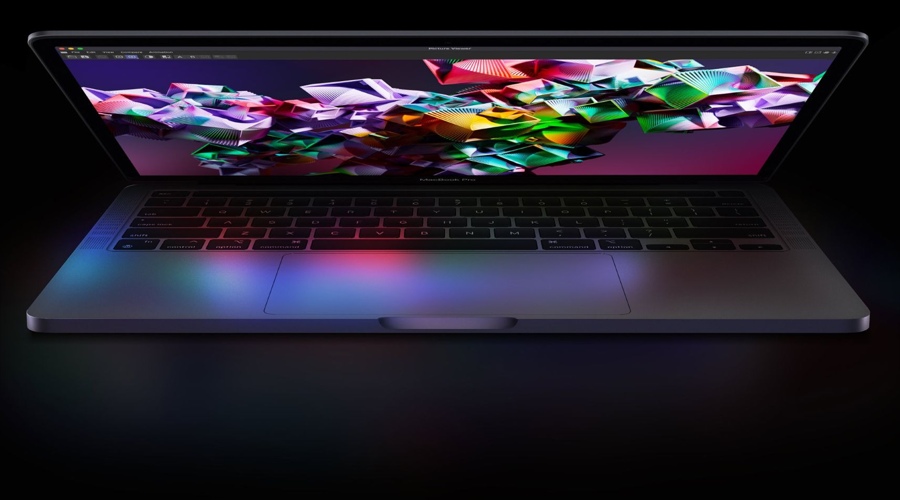
Mac sales beat expectations, and next quarter should improve with back-to-school sales (Apple).
As a Mac user for over 25 years, I’m happy to say that the Apple silicon
MacBook Pros are … great. They’re fast, powerful, offer a load of options in
terms of RAM and storage … but they’re incredibly expensive for what you’re
getting and the upgrade pricing is eye watering. Perhaps in these challenging
times, that’s becoming more of a factor. But if you’re wedded to Mac OS, or love
a good piece of aluminum, you’re probably all in.
Still, the real story here is how the iPhone is carrying the whole
ecosystem. Critics have spent years calling Apple a one-trick pony, and while
the company has made attempts to diversify (hello, Vision Pro), it turns out
the old pony can still shift when it needs to.
So while Cook and co. talk up services, privacy, and environmental
goals, the quarterly earnings math remains simple: sell iPhones, win quarter.
What Comes Next?
With Q3 in the bag, all eyes are on the September quarter, typically
Apple’s most lucrative thanks to new product launches. The company didn’t give
away much, as usual, but reading between the lines, they’re expecting a strong
iPhone 16 cycle and probably a little help from back-to-school Mac and iPad
sales.
Meanwhile, Apple continues to invest heavily in AI, cloud
infrastructure, and who knows what else in its top-secret R&D bunker. But
for now, Wall Street is just relieved that people are still buying iPhones in a
saturated smartphone market.
Maybe the iPhone isn’t dead. Maybe it just needed another incremental
upgrade.
For more news around the edges of finance, visit our Trending section.
Cupertino’s comeback kid: With iPhones doing the heavy lifting, Apple shrugs
off the gloom and posts a clean beat for Q3
iPhones to the Rescue
Apple has done it again, snatching another quarterly win from the jaws
of analyst doubt. The tech giant’s third
quarter earnings report dropped yesterday and brought some much-needed good
news for investors: revenue came in at $94 billion, beating expectations and up
10% year on year, largely thanks to an unexpected jump in iPhone sales.
You read that right. The iPhone, the product Wall Street loves to
prematurely eulogize, posted a year-over-year sales increase, pulling in $44.58
billion this quarter, up 13.5%. That’s around $4 billion more than analysts had
anticipated. Apparently, there are still enough people on the planet willing to
shell out over a grand for marginal camera upgrades. Apologies for the snark,
the latest models are great, as usual but, as usual, they’re overpriced.
iPhone sales carried the day (Apple).
CEO Tim Cook, naturally, was ready with the victory lap. “Today Apple
is proud to report a June quarter revenue record with double-digit growth in
iPhone, Mac and Services and growth around the world, in every geographic
segment,” said Tim Cook, Apple’s CEO. “At WWDC25, we were excited to introduce
a beautiful new software design that extends across all of our platforms, and
we announced even more great Apple Intelligence features.”
All good news? Sure. But, iPhone is the key.
The Stock Likes It
Apple’s share price reacted accordingly. After the earnings were
released, shares rose around 2-3% in after-hours trading.
Investors found comfort in Apple’s forward guidance. The company hinted
at continued strength in iPhone sales for the next quarter and suggested that
wearables and iPads, which declined this time, could see an improvement ahead.
No flashy artificial intelligence (AI) announcement, no “one more thing”, no big pivot, just
solid numbers and a calm tone from the executive suite. In this market, that’s
practically a flex.
Not All Sunshine and Titanium
It
wasn’t a flawless quarter. Mac sales of $8.05 billion beat expectations of
$7.26 billion, and wearables (yes, that includes your Apple Watch and AirPods) did
$7.4 billion, missing estimates of $7.82 billion. Services, long considered the
company’s golden goose, pulled in $27.42 billion, topping analyst expectations
of $26.8 billion. iPads hit $6.58 billion in sales, missing expectations of
$7.24 billion
Mac sales beat expectations, and next quarter should improve with back-to-school sales (Apple).
As a Mac user for over 25 years, I’m happy to say that the Apple silicon
MacBook Pros are … great. They’re fast, powerful, offer a load of options in
terms of RAM and storage … but they’re incredibly expensive for what you’re
getting and the upgrade pricing is eye watering. Perhaps in these challenging
times, that’s becoming more of a factor. But if you’re wedded to Mac OS, or love
a good piece of aluminum, you’re probably all in.
Still, the real story here is how the iPhone is carrying the whole
ecosystem. Critics have spent years calling Apple a one-trick pony, and while
the company has made attempts to diversify (hello, Vision Pro), it turns out
the old pony can still shift when it needs to.
So while Cook and co. talk up services, privacy, and environmental
goals, the quarterly earnings math remains simple: sell iPhones, win quarter.
What Comes Next?
With Q3 in the bag, all eyes are on the September quarter, typically
Apple’s most lucrative thanks to new product launches. The company didn’t give
away much, as usual, but reading between the lines, they’re expecting a strong
iPhone 16 cycle and probably a little help from back-to-school Mac and iPad
sales.
Meanwhile, Apple continues to invest heavily in AI, cloud
infrastructure, and who knows what else in its top-secret R&D bunker. But
for now, Wall Street is just relieved that people are still buying iPhones in a
saturated smartphone market.
Maybe the iPhone isn’t dead. Maybe it just needed another incremental
upgrade.
For more news around the edges of finance, visit our Trending section.
Louis Parks has lived and worked in and around the Middle East for much of his professional career. He writes about the meeting of the tech and finance worlds.
In this video, we review @HolaPrimeMarketsOfficial, a multi-asset forex and CFDs broker offering different account types, trading platforms, and flexible trading conditions.
We cover the broker’s overall offering, including account options, trading environment, platforms like MT4 and MT5, and additional services such as managed accounts and fast withdrawals.
Watch the full video to see if Hola Prime Markets fits your trading needs.
📣 Stay up to date with the latest in finance and trading. Follow Finance Magnates for industry news, insights, and global event coverage.
Connect with us:
🔗 LinkedIn: /financemagnates
👍 Facebook: /financemagnates
📸 Instagram: https://www.instagram.com/financemagnates
🐦 X: https://x.com/financemagnates
🎥 TikTok: https://www.tiktok.com/tag/financemagnates
▶️ YouTube: /@financemagnates_official
#HolaPrime #ForexBroker #CFDTrading #FinanceMagnates #Trading #Forex #BrokerReview
In this video, we review @HolaPrimeMarketsOfficial, a multi-asset forex and CFDs broker offering different account types, trading platforms, and flexible trading conditions.
We cover the broker’s overall offering, including account options, trading environment, platforms like MT4 and MT5, and additional services such as managed accounts and fast withdrawals.
Watch the full video to see if Hola Prime Markets fits your trading needs.
📣 Stay up to date with the latest in finance and trading. Follow Finance Magnates for industry news, insights, and global event coverage.
Connect with us:
🔗 LinkedIn: /financemagnates
👍 Facebook: /financemagnates
📸 Instagram: https://www.instagram.com/financemagnates
🐦 X: https://x.com/financemagnates
🎥 TikTok: https://www.tiktok.com/tag/financemagnates
▶️ YouTube: /@financemagnates_official
#HolaPrime #ForexBroker #CFDTrading #FinanceMagnates #Trading #Forex #BrokerReview
Hola Prime Review: What You Need to Know | Full Breakdown by Finance Magnates
Hola Prime Review: What You Need to Know | Full Breakdown by Finance Magnates
In this video, we review @HolaPrime_Global, a proprietary trading firm offering evaluation programs and performance-based payouts in simulated market environments.
We cover how the challenge model works, including account types, profit splits (up to 95%), trading rules, and what it takes to reach a funded account. You’ll also learn about available platforms like MT4, MT5, cTrader, and more, along with insights into payouts, support, and trading conditions.
Watch the full video to see if Hola Prime fits your trading style.
📣 Stay up to date with the latest in finance and trading. Follow Finance Magnates for industry news, insights, and global event coverage.
Connect with us:
🔗 LinkedIn: /financemagnates
👍 Facebook: /financemagnates
📸 Instagram: https://www.instagram.com/financemagnates
🐦 X: https://x.com/financemagnates
🎥 TikTok: https://www.tiktok.com/tag/financemagnates
▶️ YouTube: /@financemagnates_official
#HolaPrime #PropFirm #Trading #FinanceMagnates #Forex #FuturesTrading #TradingReview #PropFirmReview
In this video, we review @HolaPrime_Global, a proprietary trading firm offering evaluation programs and performance-based payouts in simulated market environments.
We cover how the challenge model works, including account types, profit splits (up to 95%), trading rules, and what it takes to reach a funded account. You’ll also learn about available platforms like MT4, MT5, cTrader, and more, along with insights into payouts, support, and trading conditions.
Watch the full video to see if Hola Prime fits your trading style.
📣 Stay up to date with the latest in finance and trading. Follow Finance Magnates for industry news, insights, and global event coverage.
Connect with us:
🔗 LinkedIn: /financemagnates
👍 Facebook: /financemagnates
📸 Instagram: https://www.instagram.com/financemagnates
🐦 X: https://x.com/financemagnates
🎥 TikTok: https://www.tiktok.com/tag/financemagnates
▶️ YouTube: /@financemagnates_official
#HolaPrime #PropFirm #Trading #FinanceMagnates #Forex #FuturesTrading #TradingReview #PropFirmReview
Axi Winner Spotlight 🏆 | Global Most Innovative Broker 2025 #Innovation #Trading #Fintech #Broker
Axi Winner Spotlight 🏆 | Global Most Innovative Broker 2025 #Innovation #Trading #Fintech #Broker
Axi takes the spotlight at the Finance Magnates Awards, winning Global Most Innovative Broker 2025.
Olivia Xenofontos and Ivanna Openko share how the team will feel: proud, motivated, and ready to keep delivering.
They also describe the night as well-organized, focused, and enjoyable for all.
👉 Be part of FM Awards 2026.
Axi takes the spotlight at the Finance Magnates Awards, winning Global Most Innovative Broker 2025.
Olivia Xenofontos and Ivanna Openko share how the team will feel: proud, motivated, and ready to keep delivering.
They also describe the night as well-organized, focused, and enjoyable for all.
👉 Be part of FM Awards 2026.
Recognition that matters.
Built on transparency.
Driven by the industry.
The Finance Magnates Awards 2026.
Nominations are now open.
🔗 https://awards.financemagnates.com/?utm_source=SM&utm_medium=social&utm_campaign=recognition-matters
Recognition that matters.
Built on transparency.
Driven by the industry.
The Finance Magnates Awards 2026.
Nominations are now open.
🔗 https://awards.financemagnates.com/?utm_source=SM&utm_medium=social&utm_campaign=recognition-matters
Tickmill Winner Spotlight | Broker of the Year 2025 (LATAM) 🏆 | Finance Magnates Awards #Trading
Tickmill Winner Spotlight | Broker of the Year 2025 (LATAM) 🏆 | Finance Magnates Awards #Trading
What helped Tickmill stand out this year?
In this Winner Spotlight, Johnny Khalil, Executive Director at Tickmill Europe, shares how listening closely to clients and delivering strong trading conditions made the difference.
A big thank you to the community whose support continues to drive progress every day.
👉 Think your brand has what it takes? Nominate for the 2026 Finance Magnates Awards: https://awards.financemagnates.com/#nominate
What helped Tickmill stand out this year?
In this Winner Spotlight, Johnny Khalil, Executive Director at Tickmill Europe, shares how listening closely to clients and delivering strong trading conditions made the difference.
A big thank you to the community whose support continues to drive progress every day.
👉 Think your brand has what it takes? Nominate for the 2026 Finance Magnates Awards: https://awards.financemagnates.com/#nominate