Financial and Business News

SMX's 1900% Surge Since November Is Not a Momentum Trade; It's Based on Transformative and Deliverable Techology

Thursday, 18/12/2025 | 10:51 GMT by FM
  • SMX's 1900% stock surge is a rational repricing due to its material-level identity tech.
FM

Markets love simple explanations. A chart goes vertical and the default diagnosis follows. Momentum. Retail frenzy. Speculation. Something viral on social media. That framing completely misses what happened with SMX (NASDAQ: SMX).

Since November, SMX has moved more than 1,900% higher to its current $116 at the close on Tuesday. That kind of number usually invites lazy comparisons to meme stocks or short-lived squeezes. But this move did not behave like a narrative bubble. It behaved like a repricing event. The kind that occurs when markets suddenly realize they misunderstood the underlying structure.

Forex traders see this pattern more often than equity investors do. When plumbing changes, price adjusts violently. When settlement mechanics shift, when supply tightens unexpectedly, when certainty replaces assumption, markets do not glide. They snap. SMX did not rally because traders discovered a story. It rallied because the market finally discovered what it actually was.

When Price Moves Before Consensus Catches Up

In FX, the most important moves often occur before the headlines make sense. A central bank shifts tone. Liquidity thins. A technical level breaks because something underneath changed, not because a narrative demanded it. SMX fits that pattern with uncomfortable precision.

For years, global supply chains operated on declarations. Materials were assumed to be what the paperwork said they were. Regulators tolerated this because there was no scalable alternative, and markets priced that assumption in as a constant. That constant broke.

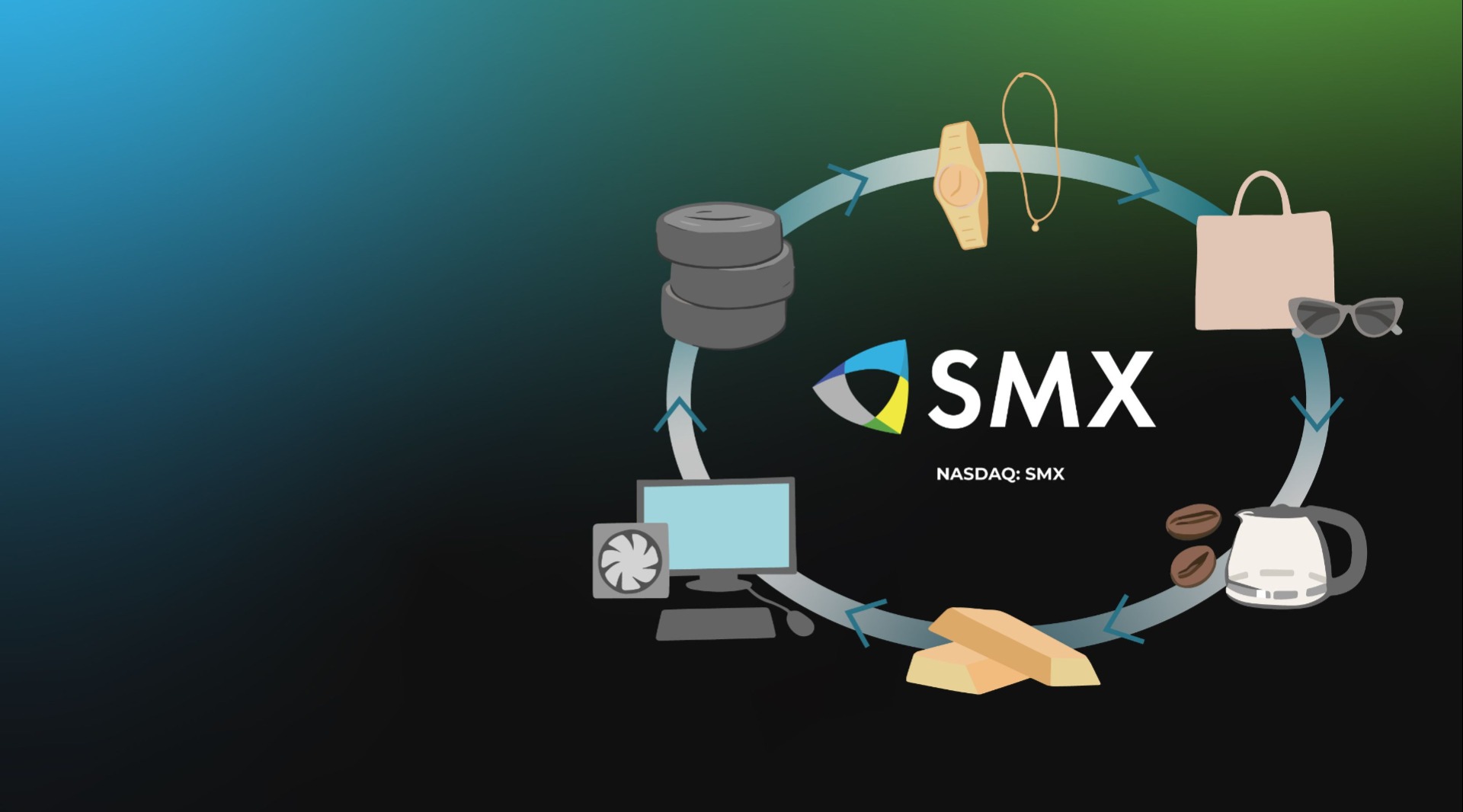
SMX built a system that assigns identity at the material level. Not at the document level. Not at the company level. At the material itself. Once that capability exists, everything downstream changes. Compliance stops being a promise. Verification becomes provable. Markets are extremely efficient at repricing certainty, and they are brutal when it appears suddenly. This was not a slow recognition trade. It was a realization trade.
Why This Looked Like a Microcap and Traded Like Infrastructure

Microcaps typically trade on hope. Infrastructure trades on necessity. SMX lived in the wrong bucket for a long time, treated as an early-stage concept when it actually represented a missing layer in global trade. Identity and verification at scale.

When that realization hit, the float math mattered immediately. The float was not built for discovery. It was built for obscurity. When institutional and retail capital collided with constrained supply, price had only one direction to go.

Forex traders understand this intuitively. When liquidity disappears and demand persists, price does not negotiate. This is why the move did not fade after the first surge. It reset. The market recalibrated around a different understanding of value rather than chasing a transient trade. That's what set SMX stock soaring, touching $490 before gravity did its work.

Identity Is the New Settlement Layer

Here's why the comparison makes sense. Currencies trade on trust. Settlement exists because counterparties agree on what is being exchanged. When trust erodes, spreads widen, and volatility rises. Physical supply chains have lived in a trust-based system for decades, relying on declarations instead of proof, audits instead of certainty.

That model no longer works in a world of regulatory pressure, ESG mandates, and geopolitical fragmentation. SMX attacks that problem at the root by embedding identity directly into materials. Verification no longer relies on human reporting or third-party assurances. It becomes intrinsic.

This is not an ESG story dressed up for capital markets. It is a settlement story. And settlement stories matter across every market, from FX to commodities to equities, because they determine what can be trusted at scale.

The Plastic Cycle Token Is Not a Crypto Trade

This is where many observers lose the thread. SMX's Plastic Cycle Token is not a speculative asset designed to attract momentum capital. It is a utility layer designed to monetize verification. It assigns economic value to proven circularity instead of promised sustainability.

For crypto-native readers, this framework may feel familiar. For macro and FX traders, it should feel practical. Tokens here are not the point. Measurement is the point. Incentives follow measurement, not ideology.

This is why SMX resonates beyond equities. It takes a concept that digital markets have discussed endlessly, transparency without trust, and applies it where it actually matters. In physical goods. In regulated environments. In systems that move trillions rather than narratives.
Why the 1,900% Move Was Rational

Extreme price moves feel irrational when viewed through the wrong lens. Viewed correctly, they often represent overdue repricing. SMX spent years building infrastructure before markets demanded it. When demand arrived, there was no gradual discovery process. There was a scramble.

The market had to reconcile three realities at once. A technology that solved a real problem. A regulatory environment that suddenly required that solution. A float structure incapable of absorbing rapid interest. That combination does not produce linear charts.

Forex desks see this dynamic when pegs break or when policy assumptions collapse. Equity markets see it less often, but when they do, it looks dramatic. This was not enthusiasm overwhelming reason. It was compression releasing.

What This Signals Going Forward

The most important takeaway is not how high SMX went, but why it moved at all. Markets are beginning to price verification as a necessity rather than a feature. Identity is becoming a prerequisite for participation in global trade. Systems that can provide it will not be valued like optional software tools.

They will be valued like infrastructure.

SMX crossed that threshold in the eyes of the market, and the price action followed. For traders who live in macro frameworks, this part is familiar. Structure always wins. Narratives chase price, not the other way around.

SMX did not run because the market got excited. It ran because the market finally understood what it was looking at.

Markets love simple explanations. A chart goes vertical and the default diagnosis follows. Momentum. Retail frenzy. Speculation. Something viral on social media. That framing completely misses what happened with SMX (NASDAQ: SMX).

Since November, SMX has moved more than 1,900% higher to its current $116 at the close on Tuesday. That kind of number usually invites lazy comparisons to meme stocks or short-lived squeezes. But this move did not behave like a narrative bubble. It behaved like a repricing event. The kind that occurs when markets suddenly realize they misunderstood the underlying structure.

Forex traders see this pattern more often than equity investors do. When plumbing changes, price adjusts violently. When settlement mechanics shift, when supply tightens unexpectedly, when certainty replaces assumption, markets do not glide. They snap. SMX did not rally because traders discovered a story. It rallied because the market finally discovered what it actually was.

When Price Moves Before Consensus Catches Up

In FX, the most important moves often occur before the headlines make sense. A central bank shifts tone. Liquidity thins. A technical level breaks because something underneath changed, not because a narrative demanded it. SMX fits that pattern with uncomfortable precision.

For years, global supply chains operated on declarations. Materials were assumed to be what the paperwork said they were. Regulators tolerated this because there was no scalable alternative, and markets priced that assumption in as a constant. That constant broke.

SMX built a system that assigns identity at the material level. Not at the document level. Not at the company level. At the material itself. Once that capability exists, everything downstream changes. Compliance stops being a promise. Verification becomes provable. Markets are extremely efficient at repricing certainty, and they are brutal when it appears suddenly. This was not a slow recognition trade. It was a realization trade.

Why This Looked Like a Microcap and Traded Like Infrastructure

Microcaps typically trade on hope. Infrastructure trades on necessity. SMX lived in the wrong bucket for a long time, treated as an early-stage concept when it actually represented a missing layer in global trade. Identity and verification at scale.

When that realization hit, the float math mattered immediately. The float was not built for discovery. It was built for obscurity. When institutional and retail capital collided with constrained supply, price had only one direction to go.

Forex traders understand this intuitively. When liquidity disappears and demand persists, price does not negotiate. This is why the move did not fade after the first surge. It reset. The market recalibrated around a different understanding of value rather than chasing a transient trade. That's what set SMX stock soaring, touching $490 before gravity did its work.

Identity Is the New Settlement Layer

Here's why the comparison makes sense. Currencies trade on trust. Settlement exists because counterparties agree on what is being exchanged. When trust erodes, spreads widen, and volatility rises. Physical supply chains have lived in a trust-based system for decades, relying on declarations instead of proof, audits instead of certainty.

That model no longer works in a world of regulatory pressure, ESG mandates, and geopolitical fragmentation. SMX attacks that problem at the root by embedding identity directly into materials. Verification no longer relies on human reporting or third-party assurances. It becomes intrinsic.

This is not an ESG story dressed up for capital markets. It is a settlement story. And settlement stories matter across every market, from FX to commodities to equities, because they determine what can be trusted at scale.

The Plastic Cycle Token Is Not a Crypto Trade

This is where many observers lose the thread. SMX's Plastic Cycle Token is not a speculative asset designed to attract momentum capital. It is a utility layer designed to monetize verification. It assigns economic value to proven circularity instead of promised sustainability.

For crypto-native readers, this framework may feel familiar. For macro and FX traders, it should feel practical. Tokens here are not the point. Measurement is the point. Incentives follow measurement, not ideology.

This is why SMX resonates beyond equities. It takes a concept that digital markets have discussed endlessly, transparency without trust, and applies it where it actually matters. In physical goods. In regulated environments. In systems that move trillions rather than narratives.

Why the 1,900% Move Was Rational

Extreme price moves feel irrational when viewed through the wrong lens. Viewed correctly, they often represent overdue repricing. SMX spent years building infrastructure before markets demanded it. When demand arrived, there was no gradual discovery process. There was a scramble.

The market had to reconcile three realities at once. A technology that solved a real problem. A regulatory environment that suddenly required that solution. A float structure incapable of absorbing rapid interest. That combination does not produce linear charts.

Forex desks see this dynamic when pegs break or when policy assumptions collapse. Equity markets see it less often, but when they do, it looks dramatic. This was not enthusiasm overwhelming reason. It was compression releasing.

What This Signals Going Forward

The most important takeaway is not how high SMX went, but why it moved at all. Markets are beginning to price verification as a necessity rather than a feature. Identity is becoming a prerequisite for participation in global trade. Systems that can provide it will not be valued like optional software tools.

They will be valued like infrastructure.

SMX crossed that threshold in the eyes of the market, and the price action followed. For traders who live in macro frameworks, this part is familiar. Structure always wins. Narratives chase price, not the other way around.

SMX did not run because the market got excited. It ran because the market finally understood what it was looking at.

Thought Leadership