Financial and Business News

Scale Trade on Why Brokers Are Choosing Modular, Self-Hosted Platforms Over Building In-House

Monday, 09/03/2026 | 09:18 GMT by Scale Trade
  • Scale Trade says brokers want control without becoming a software firm.
  • The firm targets fast launches, seamless migration, and regional setups
Scale Trade Broker Platform Executive Interview

For brokers, the build-versus-buy debate is no longer theoretical. The market is moving too fast, regulation is getting tighter, and clients expect multi-asset access and mobile-first experiences without downtime.

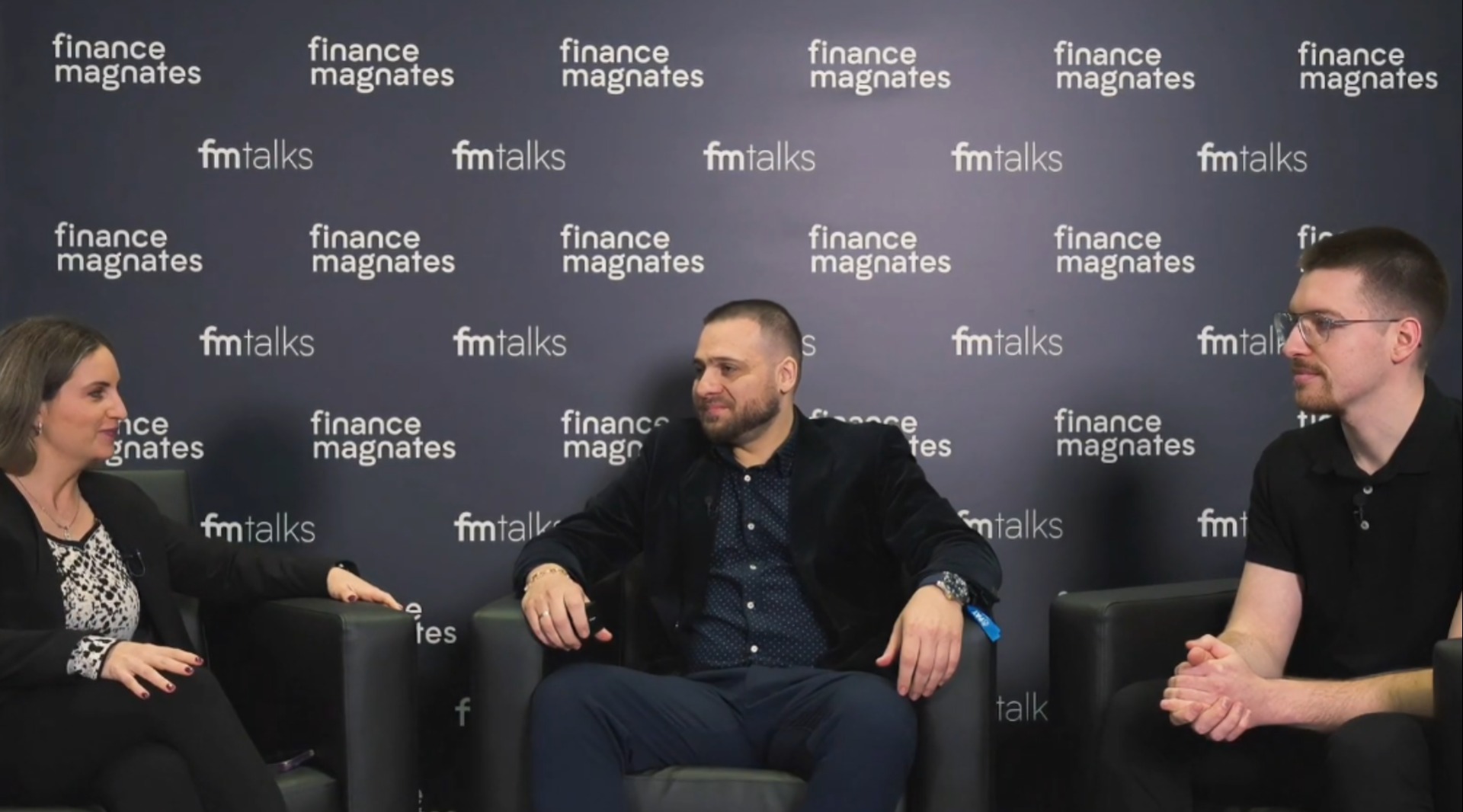
In a Finance Magnates executive interview, Finance Magnates spoke with Arutyun Iskandaryan, CEO at Scale Trade, and Daniel Kovalenko, Senior Sales Manager, about what Scale Trade delivers, where demand is accelerating, and what brokers typically need when they come looking for new infrastructure.

Their message was consistent. Brokers want control and flexibility, but they do not want the complexity and cost of becoming a software company.

A ready-made trading ecosystem for brokers

Iskandaryan said Scale Trade has more than 10 years of experience providing a ready-made solution for online trading brokers.

He described the offering as a fully self-hosted trading ecosystem built around ST Trader, a customizable platform tailored to each broker’s needs. He said the ecosystem includes essential modules such as price feeds, risk management, and flexible liquidity connectivity.

The emphasis was on speed to market, with Scale Trade positioning itself as an option for brokers looking to launch quickly with ready infrastructure.

“Our goal and our mission is to take away the tech headache from the brokers so they can focus on growing their business.”

What Scale Trade expects in the next three to five years

Asked about the trends shaping broker technology over the next three to five years, Iskandaryan listed four themes.

First, he said interest is growing in multi-asset platforms that combine crypto, stocks, and forex into a single solution. Second, he said AI will play a bigger role, particularly in trading automation and risk management. Third, he highlighted the need for stronger regulation, especially in Europe. Fourth, he pointed to marketing getting harder as some platforms restrict financial advertising.

He said these pressures mean brokers will increasingly ask for flexible platforms that can adapt to different rules across regions. He also said Scale Trade is building tools to support marketing funnels, referencing an affiliate cabinet and a CRM system.

Reliability first, even if it slows releases

On balancing fast development, security, and cost efficiency, Iskandaryan said reliability comes first.

He explained that Scale Trade tests new features with a small group of clients and only in demo mode. If risks appear, releases are delayed. He also said the company conducts frequent security tests to protect the system from attacks, framing this as essential to trust and long-term stability.

Regional differences are driving product decisions

Scale Trade said it sees strong demand in the Middle East, Europe, and Southeast Asia, and described digital trading growth as accelerating in those regions.

Iskandaryan said the company’s strategy is to adapt platform setups by region rather than offering the same configuration everywhere.

Kovalenko added a sales-side view of what matters most by geography:

  • Europe: reporting and compliance

  • Asia: mobile trading and social features

  • Middle East: local payment systems are often the deciding factor

He said Scale Trade’s modular, self-hosted structure makes it possible to adapt without rebuilding the entire platform.

Two main client types: startups and brokers that outgrow their tech

Kovalenko said Scale Trade typically works with two types of brokers.

The first is startups that may already have a business model and early clients, but lack infrastructure. For them, time is critical and the goal is to launch in one to two weeks without building a development team.

The second is existing brokers that have outgrown their current setup. They want more flexibility, better performance, and the ability to scale, but without stopping their current processes.

Kovalenko summarized what both groups are looking for.

“Both groups require one thing: control without complexity.”

Scaling and migration without stopping operations

Scale Trade said scalability is built into its architecture and claimed the platform can handle tens of thousands of active clients and thousands of instruments without performance issues.

For established brokers, Kovalenko said migration is the most sensitive part. He said Scale Trade supports a seamless transition so brokers can change platforms without stopping operations.

The broader point was future-proofing: brokers want confidence their platform can support new markets, new asset classes, and evolving regulation without a full rebuild.

Closing deals with demos and measurable outcomes

Asked what helps Scale Trade close deals in a competitive market, Kovalenko said results matter more than promises.

He said Scale Trade relies on live demos, concrete numbers, and real case studies, including examples of launching in one to two weeks or significantly reducing costs after switching platforms. He also said prospects can test the system directly, including the mobile app.

Iskandaryan added that brokers increasingly want long-term partners, not just vendors, and that Scale Trade aims to provide scalability and a clear growth path without forcing brokers to become a software company.

Conclusion

Scale Trade’s interview framed broker infrastructure decisions around a practical tradeoff. Brokers want flexibility, control, and regional adaptability, but they also want to avoid the time, cost, and operational risk of building everything internally.

Iskandaryan and Kovalenko positioned Scale Trade as a modular, self-hosted ecosystem built for fast launches and scalable operations, with a reliability-first approach to feature releases and security. In a market shaped by multi-asset demand, tighter regulation, and changing marketing and payments requirements, their argument was clear: buying infrastructure can be the faster route to growth when it still delivers control.

About Scale Trade

Scale Trade provides a self-hosted trading ecosystem for online brokers, built around its ST Trader platform. In the interview, CEO Arutyun Iskandaryan and Senior Sales Manager Daniel Kovalenko said the company offers customizable infrastructure including price feeds, risk management, and liquidity connectivity, with a focus on fast go-to-market, scalability, and region-specific setup.

Read Also:

For brokers, the build-versus-buy debate is no longer theoretical. The market is moving too fast, regulation is getting tighter, and clients expect multi-asset access and mobile-first experiences without downtime.

In a Finance Magnates executive interview, Finance Magnates spoke with Arutyun Iskandaryan, CEO at Scale Trade, and Daniel Kovalenko, Senior Sales Manager, about what Scale Trade delivers, where demand is accelerating, and what brokers typically need when they come looking for new infrastructure.

Their message was consistent. Brokers want control and flexibility, but they do not want the complexity and cost of becoming a software company.

A ready-made trading ecosystem for brokers

Iskandaryan said Scale Trade has more than 10 years of experience providing a ready-made solution for online trading brokers.

He described the offering as a fully self-hosted trading ecosystem built around ST Trader, a customizable platform tailored to each broker’s needs. He said the ecosystem includes essential modules such as price feeds, risk management, and flexible liquidity connectivity.

The emphasis was on speed to market, with Scale Trade positioning itself as an option for brokers looking to launch quickly with ready infrastructure.

“Our goal and our mission is to take away the tech headache from the brokers so they can focus on growing their business.”

What Scale Trade expects in the next three to five years

Asked about the trends shaping broker technology over the next three to five years, Iskandaryan listed four themes.

First, he said interest is growing in multi-asset platforms that combine crypto, stocks, and forex into a single solution. Second, he said AI will play a bigger role, particularly in trading automation and risk management. Third, he highlighted the need for stronger regulation, especially in Europe. Fourth, he pointed to marketing getting harder as some platforms restrict financial advertising.

He said these pressures mean brokers will increasingly ask for flexible platforms that can adapt to different rules across regions. He also said Scale Trade is building tools to support marketing funnels, referencing an affiliate cabinet and a CRM system.

Reliability first, even if it slows releases

On balancing fast development, security, and cost efficiency, Iskandaryan said reliability comes first.

He explained that Scale Trade tests new features with a small group of clients and only in demo mode. If risks appear, releases are delayed. He also said the company conducts frequent security tests to protect the system from attacks, framing this as essential to trust and long-term stability.

Regional differences are driving product decisions

Scale Trade said it sees strong demand in the Middle East, Europe, and Southeast Asia, and described digital trading growth as accelerating in those regions.

Iskandaryan said the company’s strategy is to adapt platform setups by region rather than offering the same configuration everywhere.

Kovalenko added a sales-side view of what matters most by geography:

  • Europe: reporting and compliance

  • Asia: mobile trading and social features

  • Middle East: local payment systems are often the deciding factor

He said Scale Trade’s modular, self-hosted structure makes it possible to adapt without rebuilding the entire platform.

Two main client types: startups and brokers that outgrow their tech

Kovalenko said Scale Trade typically works with two types of brokers.

The first is startups that may already have a business model and early clients, but lack infrastructure. For them, time is critical and the goal is to launch in one to two weeks without building a development team.

The second is existing brokers that have outgrown their current setup. They want more flexibility, better performance, and the ability to scale, but without stopping their current processes.

Kovalenko summarized what both groups are looking for.

“Both groups require one thing: control without complexity.”

Scaling and migration without stopping operations

Scale Trade said scalability is built into its architecture and claimed the platform can handle tens of thousands of active clients and thousands of instruments without performance issues.

For established brokers, Kovalenko said migration is the most sensitive part. He said Scale Trade supports a seamless transition so brokers can change platforms without stopping operations.

The broader point was future-proofing: brokers want confidence their platform can support new markets, new asset classes, and evolving regulation without a full rebuild.

Closing deals with demos and measurable outcomes

Asked what helps Scale Trade close deals in a competitive market, Kovalenko said results matter more than promises.

He said Scale Trade relies on live demos, concrete numbers, and real case studies, including examples of launching in one to two weeks or significantly reducing costs after switching platforms. He also said prospects can test the system directly, including the mobile app.

Iskandaryan added that brokers increasingly want long-term partners, not just vendors, and that Scale Trade aims to provide scalability and a clear growth path without forcing brokers to become a software company.

Conclusion

Scale Trade’s interview framed broker infrastructure decisions around a practical tradeoff. Brokers want flexibility, control, and regional adaptability, but they also want to avoid the time, cost, and operational risk of building everything internally.

Iskandaryan and Kovalenko positioned Scale Trade as a modular, self-hosted ecosystem built for fast launches and scalable operations, with a reliability-first approach to feature releases and security. In a market shaped by multi-asset demand, tighter regulation, and changing marketing and payments requirements, their argument was clear: buying infrastructure can be the faster route to growth when it still delivers control.

About Scale Trade

Scale Trade provides a self-hosted trading ecosystem for online brokers, built around its ST Trader platform. In the interview, CEO Arutyun Iskandaryan and Senior Sales Manager Daniel Kovalenko said the company offers customizable infrastructure including price feeds, risk management, and liquidity connectivity, with a focus on fast go-to-market, scalability, and region-specific setup.

Read Also:

Thought Leadership