Financial and Business News

Exness sees trust as the key theme for growth in MENA Trading Growth for 2026

Friday, 13/03/2026 | 07:30 GMT by Exness
  • How Exness MENA is responding to a mobile-first, younger trader base through strong engineering, local talent, and a focus on stability, execution, and transparency.
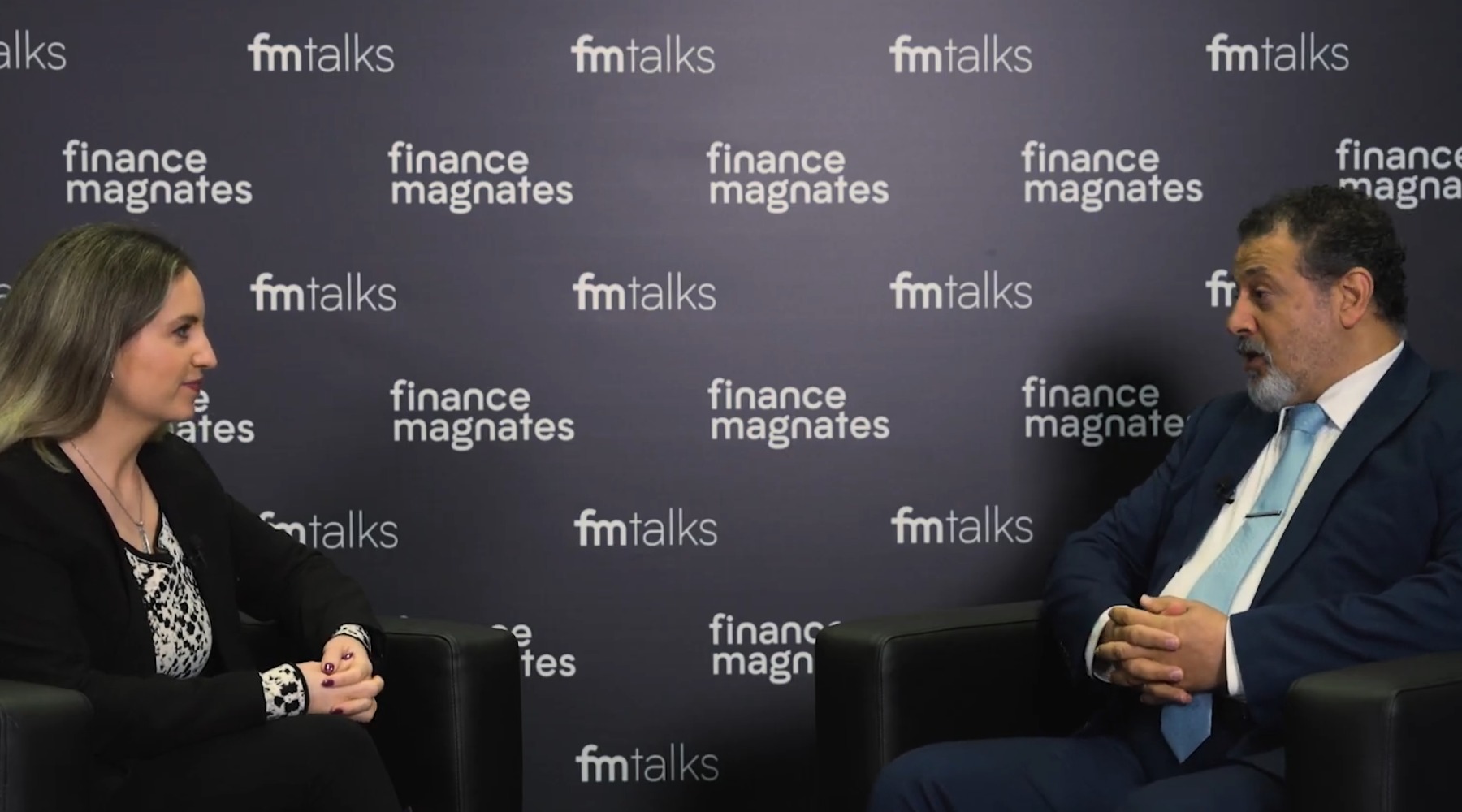
Exness Executive Video Interview in iFX Dubai 2026

The MENA region is emerging as a major centre for the financial trading industry, and Exness recognises that growth as both a market signal and a business priority.

In a recent Finance Magnates executive interview, Mohammad Amer, Regional Commercial Director at Exness, said the MENA region is no longer just participating in global financial markets; it is now playing a key role in shaping them. He also said Exness views its presence at iFX EXPO Dubai as an important way to show its scale, connect with industry experts, and strengthen B2B relationships in the region.

Why Dubai matters for Exness and the wider market

Amer described Dubai and the MENA region as a fast-growing fintech market, and said this is one reason Exness continues to invest in visibility and presence at events like iFX EXPO Dubai, where the company appeared as an elite sponsor.

He said Exness uses the event to present its scale and market presence, while also engaging with industry experts and B2B partners in the region. In his view, this is not only about brand visibility but also about being active in a market expected to keep growing strongly in the coming years.

According to Amer, the region is projected to be among the fastest-growing fintech markets, with strong year-on-year revenue growth through 2028. Within that context, Exness MENA remains a key part of the company’s regional focus.

A mobile-first generation is changing expectations

A major theme throughout the interview was the rise of mobile-first trading behaviour in MENA, especially among younger users. Amer agreed that mobile is central to the market and pointed to the scale of mobile adoption in the region.

He said the new generation of users expects more than just access to the markets. They also expect platform stability and strong performance, even during high-impact market events.

“The new generation of users is not just expecting us to provide access to the market,” he said. “They are expecting stability, favourable conditions, including precise execution and tight spreads.”

Amer said Exness responds to these demands through engineering, which he described as a core part of how the company manages performance and reliability requirements. In this sense, Exness is not only adapting its commercial approach but also focusing on platform quality for a market with high mobile usage and rising expectations.

Local talent is a key part of regional success

Amer also spoke about the role of local teams in delivering a better regional strategy and user experience.

He said local talent helps an international company become a real regional partner because MENA employees bring cultural understanding, communication awareness, and knowledge of market-specific regulatory requirements.

“Local talent is what turns an international company into a regional partnership,” Amer said.

He added that local teams help companies understand both trader needs and regulations in a more practical way. This, he said, directly affects the user experience, especially when traders can speak with people who understand local communication styles and do not face language barriers.

Amer also noted that this matters not only for newer users but also for more experienced traders, whose needs can be more complex. For Exness, local talent appears to be both an operational and customer experience priority.

What the online trading industry may look like by 2030

When asked about the wider growth of online trading platforms toward 2030, Amer said he expects the industry to favour fewer, stronger, and more capable companies.

His view is that future winners will be those who can meet rising standards across regulation, engineering, and platform consistency. He also said AI should not be used only in marketing, but also in platform infrastructure.

“It is not just about AI-driven marketing,” he said. “It is about taking AI under the hood to stress test the platforms and inspect pricing anomalies.”

Amer’s comments suggest that scale alone may not be enough. In his view, firms will need stronger systems, stronger controls, and more consistent performance to remain competitive as the industry grows.

MENA’s young population and the shift from access to capability

Amer said MENA’s demographics are a major driver of change in the market. He pointed to a young population, noting that a large share of the region's population is under 30.

He said this generation is not only looking for market access. They are also looking for “financial capabilities,” meaning they want brokers who support informed decision-making and long-term trading goals.

This is where trust becomes central, he said. In his words, trust is not only a brand value, but it also has commercial value.

“They are looking for trustworthy brokers.” “Trust is not just a brand value; it has a commercial value as well.”

He added that traders are looking for brokers that can offer stability, speed in execution, and transparency. He also described a broader shift in the industry: from brokers that mainly provide access to brokers that also support financial literacy.

According to Amer, younger traders want to better understand markets and make their own decisions, which increases the need for education and clearer communication. That point adds another layer to Exness' view of its role in the region.

Amer’s outlook for 2026: The year of trust

Asked for his prediction for 2026, Amer gave a direct answer: trust will be the main theme.

“I would say it’s going to be the year of trust,” he said. “The focus will be about trust.”

He linked this to market volatility and said that in uncertain conditions, traders will place more value on brokers that can demonstrate reliability and transparency in practice. He also pointed to instant withdrawals* as one example of a feature that supports trust, saying Exness has been offering this for years to experienced traders.

For Exness, the message was clear: as the market grows and user expectations rise, trust, stability, speed, and transparency will matter more than ever.

Read More about Exness

*At Exness, over 98% of withdrawals are processed automatically. Processing times may vary depending on the chosen payment method.

The MENA region is emerging as a major centre for the financial trading industry, and Exness recognises that growth as both a market signal and a business priority.

In a recent Finance Magnates executive interview, Mohammad Amer, Regional Commercial Director at Exness, said the MENA region is no longer just participating in global financial markets; it is now playing a key role in shaping them. He also said Exness views its presence at iFX EXPO Dubai as an important way to show its scale, connect with industry experts, and strengthen B2B relationships in the region.

Why Dubai matters for Exness and the wider market

Amer described Dubai and the MENA region as a fast-growing fintech market, and said this is one reason Exness continues to invest in visibility and presence at events like iFX EXPO Dubai, where the company appeared as an elite sponsor.

He said Exness uses the event to present its scale and market presence, while also engaging with industry experts and B2B partners in the region. In his view, this is not only about brand visibility but also about being active in a market expected to keep growing strongly in the coming years.

According to Amer, the region is projected to be among the fastest-growing fintech markets, with strong year-on-year revenue growth through 2028. Within that context, Exness MENA remains a key part of the company’s regional focus.

A mobile-first generation is changing expectations

A major theme throughout the interview was the rise of mobile-first trading behaviour in MENA, especially among younger users. Amer agreed that mobile is central to the market and pointed to the scale of mobile adoption in the region.

He said the new generation of users expects more than just access to the markets. They also expect platform stability and strong performance, even during high-impact market events.

“The new generation of users is not just expecting us to provide access to the market,” he said. “They are expecting stability, favourable conditions, including precise execution and tight spreads.”

Amer said Exness responds to these demands through engineering, which he described as a core part of how the company manages performance and reliability requirements. In this sense, Exness is not only adapting its commercial approach but also focusing on platform quality for a market with high mobile usage and rising expectations.

Local talent is a key part of regional success

Amer also spoke about the role of local teams in delivering a better regional strategy and user experience.

He said local talent helps an international company become a real regional partner because MENA employees bring cultural understanding, communication awareness, and knowledge of market-specific regulatory requirements.

“Local talent is what turns an international company into a regional partnership,” Amer said.

He added that local teams help companies understand both trader needs and regulations in a more practical way. This, he said, directly affects the user experience, especially when traders can speak with people who understand local communication styles and do not face language barriers.

Amer also noted that this matters not only for newer users but also for more experienced traders, whose needs can be more complex. For Exness, local talent appears to be both an operational and customer experience priority.

What the online trading industry may look like by 2030

When asked about the wider growth of online trading platforms toward 2030, Amer said he expects the industry to favour fewer, stronger, and more capable companies.

His view is that future winners will be those who can meet rising standards across regulation, engineering, and platform consistency. He also said AI should not be used only in marketing, but also in platform infrastructure.

“It is not just about AI-driven marketing,” he said. “It is about taking AI under the hood to stress test the platforms and inspect pricing anomalies.”

Amer’s comments suggest that scale alone may not be enough. In his view, firms will need stronger systems, stronger controls, and more consistent performance to remain competitive as the industry grows.

MENA’s young population and the shift from access to capability

Amer said MENA’s demographics are a major driver of change in the market. He pointed to a young population, noting that a large share of the region's population is under 30.

He said this generation is not only looking for market access. They are also looking for “financial capabilities,” meaning they want brokers who support informed decision-making and long-term trading goals.

This is where trust becomes central, he said. In his words, trust is not only a brand value, but it also has commercial value.

“They are looking for trustworthy brokers.” “Trust is not just a brand value; it has a commercial value as well.”

He added that traders are looking for brokers that can offer stability, speed in execution, and transparency. He also described a broader shift in the industry: from brokers that mainly provide access to brokers that also support financial literacy.

According to Amer, younger traders want to better understand markets and make their own decisions, which increases the need for education and clearer communication. That point adds another layer to Exness' view of its role in the region.

Amer’s outlook for 2026: The year of trust

Asked for his prediction for 2026, Amer gave a direct answer: trust will be the main theme.

“I would say it’s going to be the year of trust,” he said. “The focus will be about trust.”

He linked this to market volatility and said that in uncertain conditions, traders will place more value on brokers that can demonstrate reliability and transparency in practice. He also pointed to instant withdrawals* as one example of a feature that supports trust, saying Exness has been offering this for years to experienced traders.

For Exness, the message was clear: as the market grows and user expectations rise, trust, stability, speed, and transparency will matter more than ever.

Read More about Exness

*At Exness, over 98% of withdrawals are processed automatically. Processing times may vary depending on the chosen payment method.

Thought Leadership