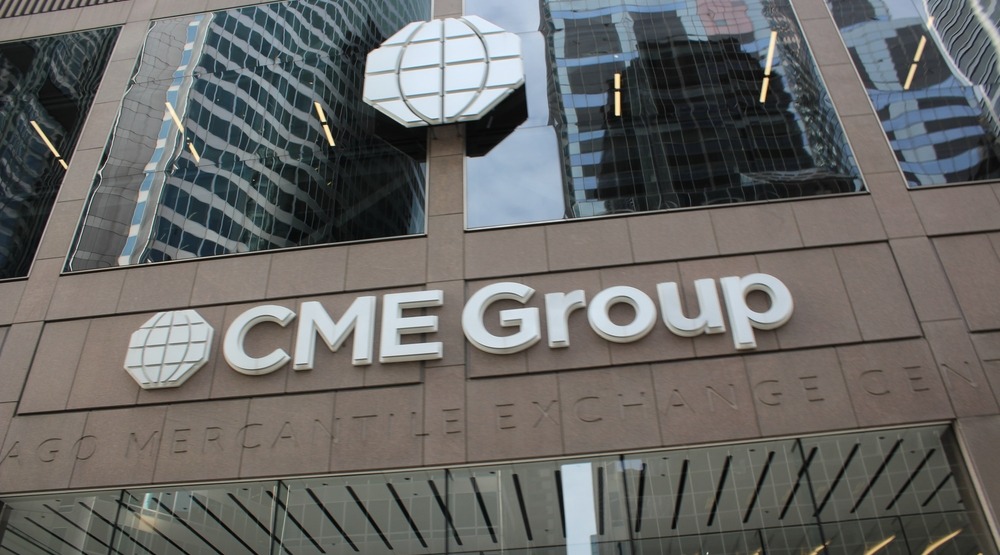
CME Group has chosen FairXchange’s Horizon platform to give traders clearer data on how liquidity behaves on EBS Direct. The group aims to make it easier for users to see where and how they get the best FX execution.
FairXchange said that the group will use the Horizon solution to provide execution analytics and liquidity management for users of EBS Direct, its relationship-based FX trading platform.
The tools will reportedly help banks and other participants measure how their trading flows interact with different liquidity providers on the venue. By adding Horizon, CME Group aims to offer EBS Direct users a clearer picture of spreads, fill rates and execution quality across their liquidity relationships.
- CME Forex Volumes Drop 25% in November Despite Record Crypto Trading
- CME to Resume Trading, but the Outage Left Brokers ‘Flying Blind’
- CME Group Faces Data Centre-Related Outage: FX, Commodities Price Update Stop
CME Group’s decision on EBS Direct
Horizon focuses on detailed, or microstructural, analysis of market data to show how prices, quotes and trades behave at a very granular level. The platform is designed to help liquidity providers tune their pricing and to help liquidity consumers understand which streams work best for their trading style.
“This solution will empower our market participants with independent, data-driven analytics, enabling more informed decisions and optimizing liquidity management and execution,” said Paul Houston, the Global Head of FX Products at CME Group.

The solution seeks to improve dialogue between liquidity providers and clients by giving both sides access to the same independent data. On EBS Direct, participants can use the analytics to adjust their setup, refine which counterparties they quote or trade with, and target more consistent execution outcomes.
Related: CME Group Opens Dubai Hub to Tap Middle East Trading Demand
FairXchange and United Fintech background
FairXchange is a data-focused firm that specialises in using independent information to assess execution quality in financial markets. Its tools aim to bring more clarity to how trades perform and to support structured, data-driven discussions between trading counterparties.
Towards the end of last year, CME Group and FanDuel announced plans to debut a new prediction markets platform, aiming to blur the line between traditional derivatives trading and sports betting.
The venture, dubbed FanDuel Predicts, combines the century-old Chicago-based exchange with North America’s largest online gambling operator to offer one-cent “event contracts” tied to real-world outcomes.
Notably, the group reported an average daily volume of 33.1 million contracts in November, marking a 10% increase from the same month a year earlier. The strong overall growth underscores rising activity across the derivatives exchange’s main asset classes.