Robinhood, Kraken, Gemini, and a few other crypto exchanges now offer tokenised stocks outside the US, while Coinbase wants to bring them into the US.
Critics point out that although tokenised stocks promise round-the-clock trading, there are liquidity limitations.
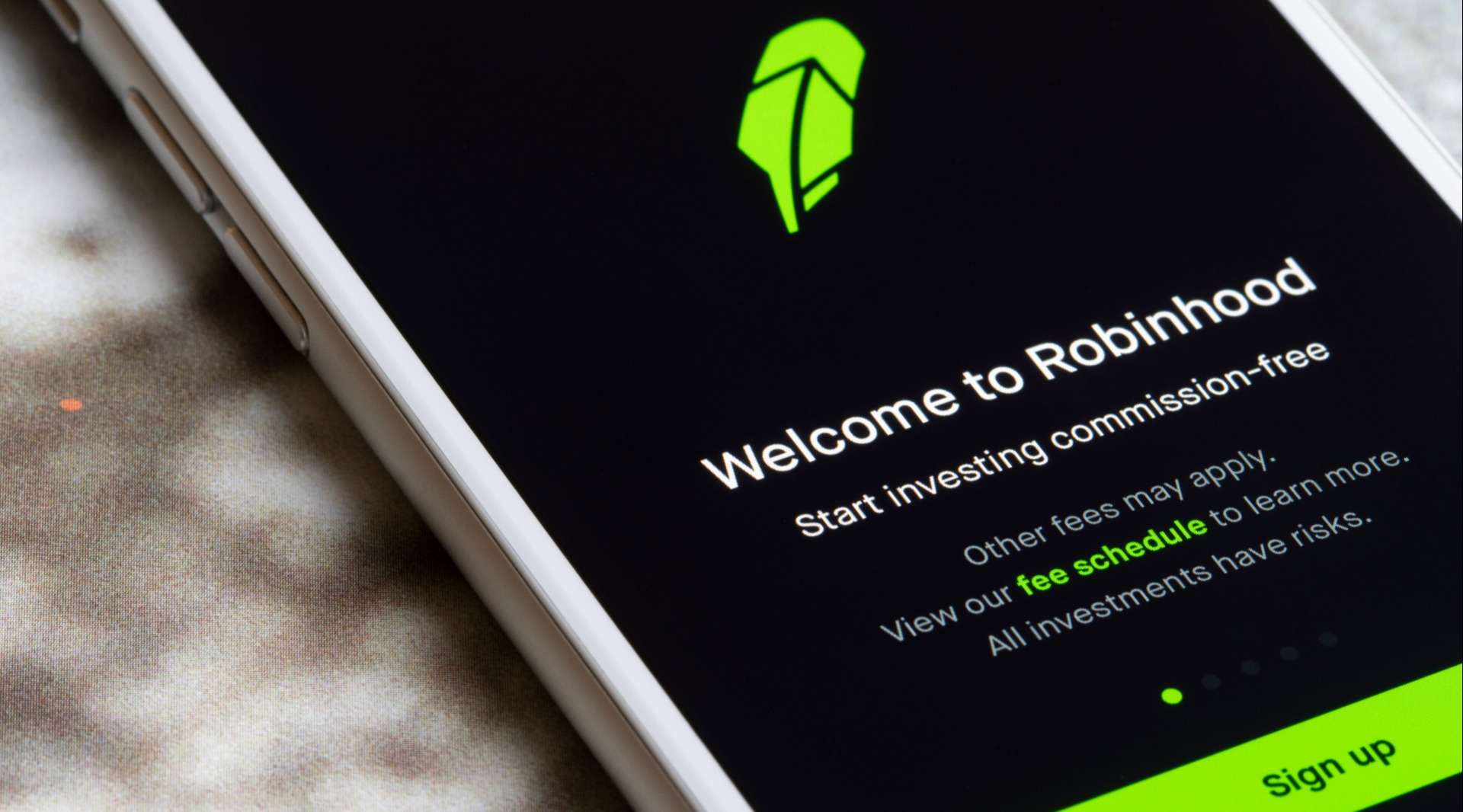
Halfway into 2025, a new trend has emerged: traditional brokers and crypto exchanges are launching tokenised stocks. Yesterday (Monday), Robinhood announced its plans to offer tokenised stocks in Europe. The commission-free broker has joined a group of crypto exchanges – Kraken, Gemini and Bybit – in offering tokenised stock trading.
Coinbase, the Nasdaq-listed crypto exchange, also plans to launch stock trading on the blockchain, but wants to offer it in the US and is seeking approval from the Securities and Exchange Commission (SEC).
Flipping the “Gatekeepers of Public Capital”
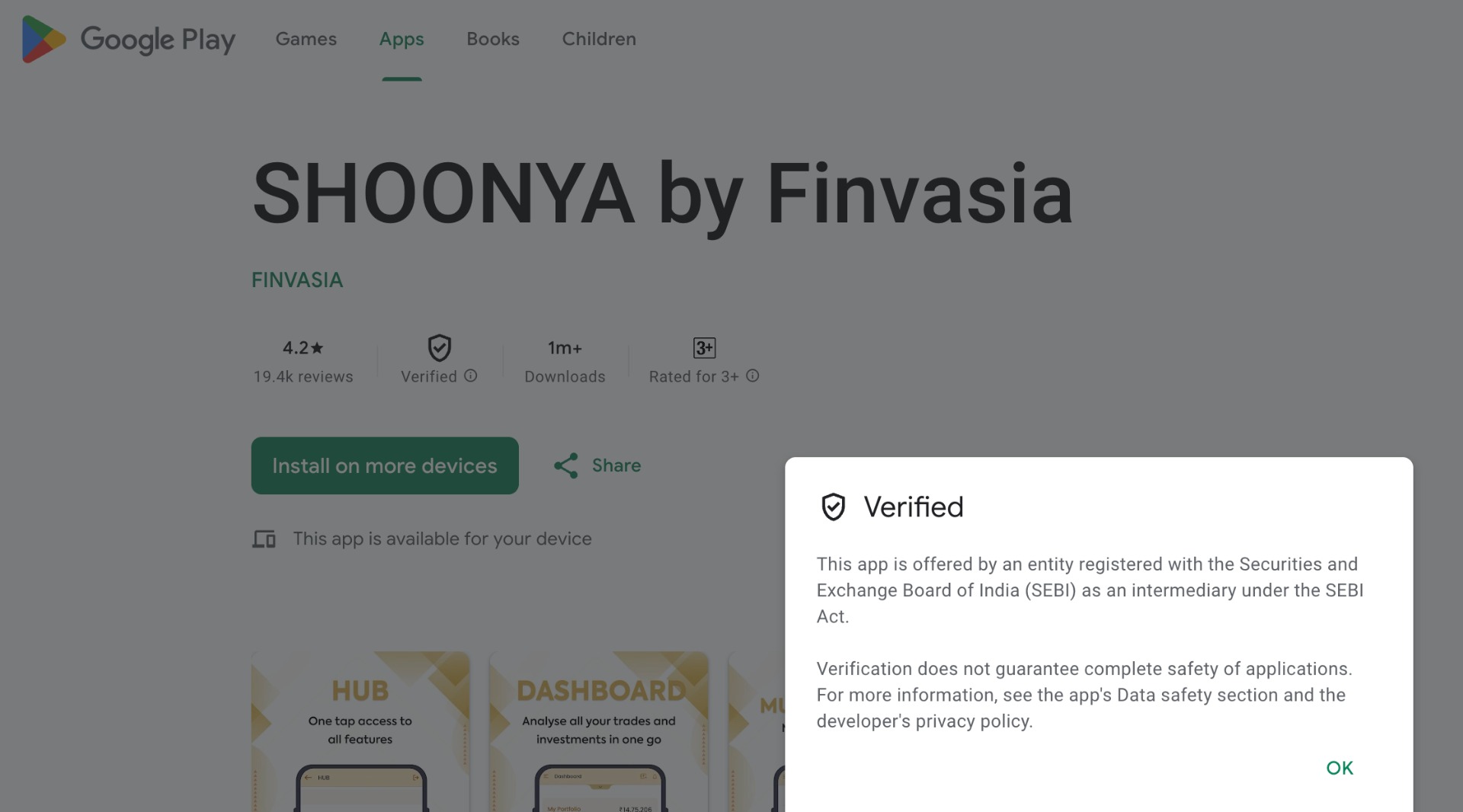
“For too long, traditional exchanges have acted as expensive and sluggish gatekeepers of public capital, limiting who could participate and when,” Tajinder Virk, Founder and CEO of Finvasia, told FinanceMagnates.com. “Tokenisation flips that model, enabling borderless, permissionless dealing in stocks and other assets.”
Tajinder Virk, co-founder and CEO at Finvasia Group
Tokenised stocks are on-chain tokens whose price and economic rights mirror real shares such as Apple or Tesla. Each token represents (roughly) one underlying share that is held or hedged off-chain by a licensed broker, custodian or special-purpose vehicle (SPV).
The token trades on a public or permissioned blockchain rather than on a traditional stock exchange.
The marketing hype around tokenised stock trading has been strong. “We're not just adding new products, we're empowering our users,” noted Emily Bao, Head of Spot at Bybit. Kraken’s Co-CEO Arjun Sethi even called tokenised stocks “a Trojan horse”, adding that “once TradFi’s on-chain, the real innovation begins.”
Meanwhile, the excitement on social media is high. People are calling it a “game-changer”, the “democratisation of US capital markets globally”, “revolutionary” and more.
Indeed, tokenised stocks come with many benefits – there is no doubt about that. Some of the benefits include 24-hour markets, fast settlement, small ticket sizes and global access.
These advantages can already be seen on the platforms offering tokenised stocks: Kraken is making them available “24 hours a day, five days a week”, while Robinhood is providing “24/5 access”.
“Currently in development, the Robinhood blockchain will be optimised for tokenised real-world assets and built to support 24/7 trading, seamless bridging and self-custody,” Robinhood added in its announcement.
While platforms are currently offering listed stocks, a key feature of tokenised stocks is their potential to make unlisted shares of private companies tradable. Robinhood has demonstrated this by rolling out tokenised shares of OpenAI and SpaceX to users in Europe.
Despite the many claimed benefits and loud voices supporting them, some critics are pointing out the drawbacks.
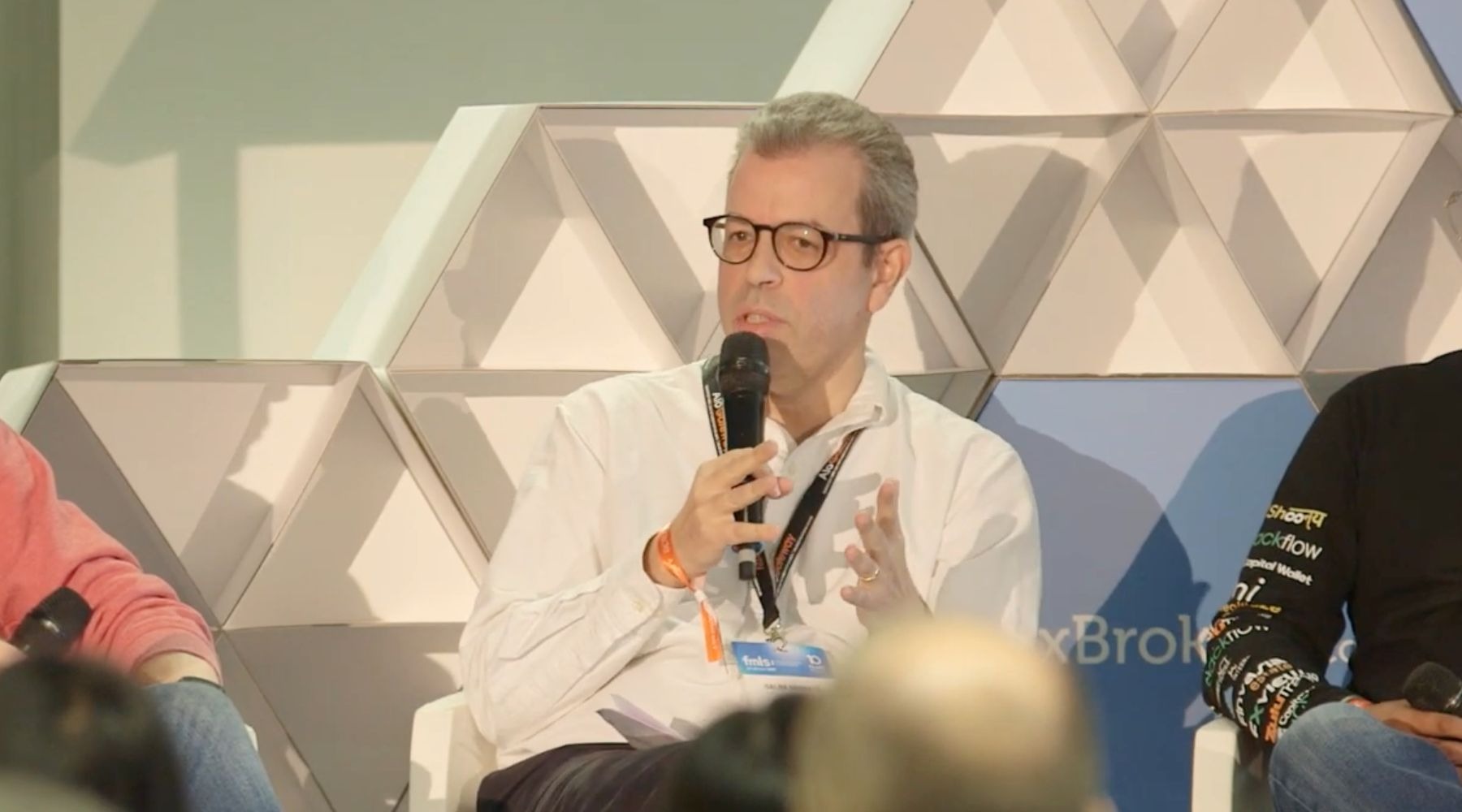
Anton Golub, the Chief Business Officer at Dubai-based crypto exchange Freedx, questioned the marketing claims and noted that tokenised stocks are very similar to what contracts for difference (CFDs) brokers are already offering in Europe and elsewhere.
“It's wrapper,” he wrote in a LinkedIn post. “It's not real equity,” he added, pointing out that people would be buying tokens that track real stocks – much like derivatives.
Furthermore, when it comes to round-the-clock access, liquidity remains a concern. CFDs brokers and retail platforms do offer after-market trading, but in practice, liquidity during those hours is very low. “No market maker can hedge exposure on Saturday or Sunday,” Golub said. “That means there is no liquidity and you’ll be quoted a fake price with wide spreads.”
Also, CFDs brokers and retail brokers – including Robinhood – have offered fractional shares for years. So the idea of lowering the investment entry point is not new. “Tokenized stocks only make sense if they are natively issued by companies themselves [or] they exist as primary asset, not a synthetic wrapper,” Golub added.
EU Is the Market, For Now
Another important aspect is regulation. Robinhood and others are offering tokenised stocks only in Europe, not to their large US customer base. “There are no accredited investor rules here in the EU, so anyone who qualifies to trade stock tokens is able to access them,” explained Johann Kerbrat, Senior Vice President and General Manager of Crypto at Robinhood.
Robinhood offers its crypto services in Europe under its Lithuania-licensed entity and will offer tokenised stocks on the continent under the same. Kraken and Bybit, on the other hand, are issuing equity tokens through Switzerland-regulated SPVs.
Meanwhile, Dinari – which became the first US broker-dealer licensed specifically for tokenised stocks and was selected by Gemini for its debut tokenised offerings – is also only serving non-US traders.
“Kraken and Bybit deserve credit as first movers bringing this idea to life, but this momentum has been growing across the fintech industry for years,” Virk added. “Expect many more players to come forward soon, supporting dealing that is faster, more transparent and truly global.”
Halfway into 2025, a new trend has emerged: traditional brokers and crypto exchanges are launching tokenised stocks. Yesterday (Monday), Robinhood announced its plans to offer tokenised stocks in Europe. The commission-free broker has joined a group of crypto exchanges – Kraken, Gemini and Bybit – in offering tokenised stock trading.
Coinbase, the Nasdaq-listed crypto exchange, also plans to launch stock trading on the blockchain, but wants to offer it in the US and is seeking approval from the Securities and Exchange Commission (SEC).
Flipping the “Gatekeepers of Public Capital”
“For too long, traditional exchanges have acted as expensive and sluggish gatekeepers of public capital, limiting who could participate and when,” Tajinder Virk, Founder and CEO of Finvasia, told FinanceMagnates.com. “Tokenisation flips that model, enabling borderless, permissionless dealing in stocks and other assets.”
Tajinder Virk, co-founder and CEO at Finvasia Group
Tokenised stocks are on-chain tokens whose price and economic rights mirror real shares such as Apple or Tesla. Each token represents (roughly) one underlying share that is held or hedged off-chain by a licensed broker, custodian or special-purpose vehicle (SPV).
The token trades on a public or permissioned blockchain rather than on a traditional stock exchange.
The marketing hype around tokenised stock trading has been strong. “We're not just adding new products, we're empowering our users,” noted Emily Bao, Head of Spot at Bybit. Kraken’s Co-CEO Arjun Sethi even called tokenised stocks “a Trojan horse”, adding that “once TradFi’s on-chain, the real innovation begins.”
Meanwhile, the excitement on social media is high. People are calling it a “game-changer”, the “democratisation of US capital markets globally”, “revolutionary” and more.
Indeed, tokenised stocks come with many benefits – there is no doubt about that. Some of the benefits include 24-hour markets, fast settlement, small ticket sizes and global access.
These advantages can already be seen on the platforms offering tokenised stocks: Kraken is making them available “24 hours a day, five days a week”, while Robinhood is providing “24/5 access”.
“Currently in development, the Robinhood blockchain will be optimised for tokenised real-world assets and built to support 24/7 trading, seamless bridging and self-custody,” Robinhood added in its announcement.
While platforms are currently offering listed stocks, a key feature of tokenised stocks is their potential to make unlisted shares of private companies tradable. Robinhood has demonstrated this by rolling out tokenised shares of OpenAI and SpaceX to users in Europe.
Despite the many claimed benefits and loud voices supporting them, some critics are pointing out the drawbacks.
Anton Golub, the Chief Business Officer at Dubai-based crypto exchange Freedx, questioned the marketing claims and noted that tokenised stocks are very similar to what contracts for difference (CFDs) brokers are already offering in Europe and elsewhere.
“It's wrapper,” he wrote in a LinkedIn post. “It's not real equity,” he added, pointing out that people would be buying tokens that track real stocks – much like derivatives.
Furthermore, when it comes to round-the-clock access, liquidity remains a concern. CFDs brokers and retail platforms do offer after-market trading, but in practice, liquidity during those hours is very low. “No market maker can hedge exposure on Saturday or Sunday,” Golub said. “That means there is no liquidity and you’ll be quoted a fake price with wide spreads.”
Also, CFDs brokers and retail brokers – including Robinhood – have offered fractional shares for years. So the idea of lowering the investment entry point is not new. “Tokenized stocks only make sense if they are natively issued by companies themselves [or] they exist as primary asset, not a synthetic wrapper,” Golub added.
EU Is the Market, For Now
Another important aspect is regulation. Robinhood and others are offering tokenised stocks only in Europe, not to their large US customer base. “There are no accredited investor rules here in the EU, so anyone who qualifies to trade stock tokens is able to access them,” explained Johann Kerbrat, Senior Vice President and General Manager of Crypto at Robinhood.
Robinhood offers its crypto services in Europe under its Lithuania-licensed entity and will offer tokenised stocks on the continent under the same. Kraken and Bybit, on the other hand, are issuing equity tokens through Switzerland-regulated SPVs.
Meanwhile, Dinari – which became the first US broker-dealer licensed specifically for tokenised stocks and was selected by Gemini for its debut tokenised offerings – is also only serving non-US traders.
“Kraken and Bybit deserve credit as first movers bringing this idea to life, but this momentum has been growing across the fintech industry for years,” Virk added. “Expect many more players to come forward soon, supporting dealing that is faster, more transparent and truly global.”
Arnab Shome is an electronics engineer-turned-financial editor. He holds a Bachelor of Technology from the National Institute of Technology, Agartala. He entered the retail trading industry about a decade ago, covering the cryptocurrency market for Finance Magnates, and later expanded his coverage to include forex and CFDs as well.
His work at Finance Magnates includes C-level interviews, data-driven analysis, opinion pieces, and scoops of industry exclusives. He also contributes to Finance Magnates’ quarterly industry report.
Area of coverage:
1. CFD broker-related news
2. Industry-related Regulatory updates and developments
3. New retail trading trends
4. Prop trading industry updates
5. Executive interviews
Education:
Bachelor of Technology - National Institute of Technology, Agartala (India)
In this video, we review @HolaPrimeMarketsOfficial, a multi-asset forex and CFDs broker offering different account types, trading platforms, and flexible trading conditions.
We cover the broker’s overall offering, including account options, trading environment, platforms like MT4 and MT5, and additional services such as managed accounts and fast withdrawals.
Watch the full video to see if Hola Prime Markets fits your trading needs.
📣 Stay up to date with the latest in finance and trading. Follow Finance Magnates for industry news, insights, and global event coverage.
Connect with us:
🔗 LinkedIn: /financemagnates
👍 Facebook: /financemagnates
📸 Instagram: https://www.instagram.com/financemagnates
🐦 X: https://x.com/financemagnates
🎥 TikTok: https://www.tiktok.com/tag/financemagnates
▶️ YouTube: /@financemagnates_official
#HolaPrime #ForexBroker #CFDTrading #FinanceMagnates #Trading #Forex #BrokerReview
In this video, we review @HolaPrimeMarketsOfficial, a multi-asset forex and CFDs broker offering different account types, trading platforms, and flexible trading conditions.
We cover the broker’s overall offering, including account options, trading environment, platforms like MT4 and MT5, and additional services such as managed accounts and fast withdrawals.
Watch the full video to see if Hola Prime Markets fits your trading needs.
📣 Stay up to date with the latest in finance and trading. Follow Finance Magnates for industry news, insights, and global event coverage.
Connect with us:
🔗 LinkedIn: /financemagnates
👍 Facebook: /financemagnates
📸 Instagram: https://www.instagram.com/financemagnates
🐦 X: https://x.com/financemagnates
🎥 TikTok: https://www.tiktok.com/tag/financemagnates
▶️ YouTube: /@financemagnates_official
#HolaPrime #ForexBroker #CFDTrading #FinanceMagnates #Trading #Forex #BrokerReview
Hola Prime Review: What You Need to Know | Full Breakdown by Finance Magnates
Hola Prime Review: What You Need to Know | Full Breakdown by Finance Magnates
In this video, we review @HolaPrime_Global, a proprietary trading firm offering evaluation programs and performance-based payouts in simulated market environments.
We cover how the challenge model works, including account types, profit splits (up to 95%), trading rules, and what it takes to reach a funded account. You’ll also learn about available platforms like MT4, MT5, cTrader, and more, along with insights into payouts, support, and trading conditions.
Watch the full video to see if Hola Prime fits your trading style.
📣 Stay up to date with the latest in finance and trading. Follow Finance Magnates for industry news, insights, and global event coverage.
Connect with us:
🔗 LinkedIn: /financemagnates
👍 Facebook: /financemagnates
📸 Instagram: https://www.instagram.com/financemagnates
🐦 X: https://x.com/financemagnates
🎥 TikTok: https://www.tiktok.com/tag/financemagnates
▶️ YouTube: /@financemagnates_official
#HolaPrime #PropFirm #Trading #FinanceMagnates #Forex #FuturesTrading #TradingReview #PropFirmReview
In this video, we review @HolaPrime_Global, a proprietary trading firm offering evaluation programs and performance-based payouts in simulated market environments.
We cover how the challenge model works, including account types, profit splits (up to 95%), trading rules, and what it takes to reach a funded account. You’ll also learn about available platforms like MT4, MT5, cTrader, and more, along with insights into payouts, support, and trading conditions.
Watch the full video to see if Hola Prime fits your trading style.
📣 Stay up to date with the latest in finance and trading. Follow Finance Magnates for industry news, insights, and global event coverage.
Connect with us:
🔗 LinkedIn: /financemagnates
👍 Facebook: /financemagnates
📸 Instagram: https://www.instagram.com/financemagnates
🐦 X: https://x.com/financemagnates
🎥 TikTok: https://www.tiktok.com/tag/financemagnates
▶️ YouTube: /@financemagnates_official
#HolaPrime #PropFirm #Trading #FinanceMagnates #Forex #FuturesTrading #TradingReview #PropFirmReview
Axi Winner Spotlight 🏆 | Global Most Innovative Broker 2025 #Innovation #Trading #Fintech #Broker
Axi Winner Spotlight 🏆 | Global Most Innovative Broker 2025 #Innovation #Trading #Fintech #Broker
Axi takes the spotlight at the Finance Magnates Awards, winning Global Most Innovative Broker 2025.
Olivia Xenofontos and Ivanna Openko share how the team will feel: proud, motivated, and ready to keep delivering.
They also describe the night as well-organized, focused, and enjoyable for all.
👉 Be part of FM Awards 2026.
Axi takes the spotlight at the Finance Magnates Awards, winning Global Most Innovative Broker 2025.
Olivia Xenofontos and Ivanna Openko share how the team will feel: proud, motivated, and ready to keep delivering.
They also describe the night as well-organized, focused, and enjoyable for all.
👉 Be part of FM Awards 2026.
Recognition that matters.
Built on transparency.
Driven by the industry.
The Finance Magnates Awards 2026.
Nominations are now open.
🔗 https://awards.financemagnates.com/?utm_source=SM&utm_medium=social&utm_campaign=recognition-matters
Recognition that matters.
Built on transparency.
Driven by the industry.
The Finance Magnates Awards 2026.
Nominations are now open.
🔗 https://awards.financemagnates.com/?utm_source=SM&utm_medium=social&utm_campaign=recognition-matters
Tickmill Winner Spotlight | Broker of the Year 2025 (LATAM) 🏆 | Finance Magnates Awards #Trading
Tickmill Winner Spotlight | Broker of the Year 2025 (LATAM) 🏆 | Finance Magnates Awards #Trading
What helped Tickmill stand out this year?
In this Winner Spotlight, Johnny Khalil, Executive Director at Tickmill Europe, shares how listening closely to clients and delivering strong trading conditions made the difference.
A big thank you to the community whose support continues to drive progress every day.
👉 Think your brand has what it takes? Nominate for the 2026 Finance Magnates Awards: https://awards.financemagnates.com/#nominate
What helped Tickmill stand out this year?
In this Winner Spotlight, Johnny Khalil, Executive Director at Tickmill Europe, shares how listening closely to clients and delivering strong trading conditions made the difference.
A big thank you to the community whose support continues to drive progress every day.
👉 Think your brand has what it takes? Nominate for the 2026 Finance Magnates Awards: https://awards.financemagnates.com/#nominate