The firm also maintains a Seychelles Securities Broker License.
In the region, substantial growth has been projected for digital asset market revenues.
Bloomberg
OnEquity, a CFD and FX broker, has achieved full licensing
from the Financial Sector Conduct Authority (FSCA) of South Africa, marking a milestone
in its operational journey. The company, which has been active in the market
since 2022, now holds the FSCA license alongside its Seychelles Securities
Broker License.
FSCA License: Expands South African Forex Reach
The newly acquired FSCA license, enables OnEquity to offer
its financial services in South Africa, enhancing its regulatory compliance and
affirming its focus to transparency and reliability in trading operations.
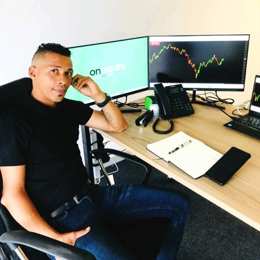
Enver Snyders, OnEquity's Country Manager, South Africa, Source: LinkedIn
Enver Snyders, OnEquity's Country Manager for South Africa,
expressed the significance of this achievement, highlighting the opportunities
it unlocks for the company to navigate the forex trading market in South Africa
seamlessly. He emphasized the importance of being a reputable and regulated
forex broker to establish a meaningful presence in the region.
Strategic Expansion amid Growing
Financial Demand
The expansion into the South African market is aligned with
technological advancements and the growing demand for financial services in the
region. With digital asset market revenues projected to experience substantial
growth in the coming years, OnEquity aims to leverage this opportunity to
solidify its position.
Looking ahead, OnEquity aims to expand its reach within the
South African forex market and pivot towards Sub-Saharan Africa. Snyders Commented:
“Taking over Sub-Saharan Africa is a complex and challenging task for a forex
broker. We have conducted thorough market research from our side to understand
the local forex landscape, regulatory environment, economic conditions, and
potential opportunities in Sub-Saharan Africa.”
OnEquity offers a range of CFD instruments on currencies,
indices, cryptocurrencies, commodities, and stocks, as well as nearly 60
currency pairs.
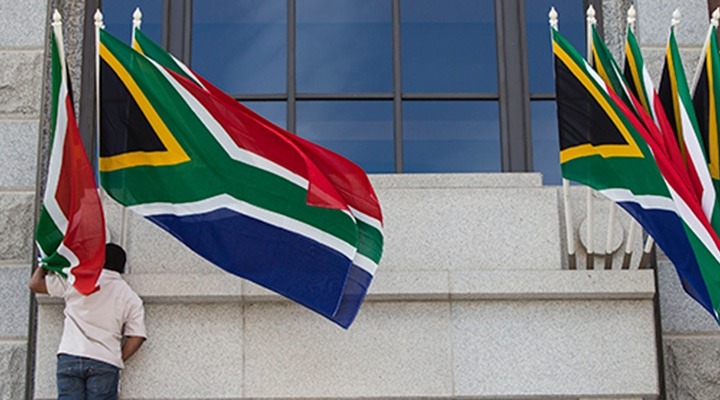
Meanwhile, South Africa maintained its status as the
continent's largest player in the online retail forex industry, hosting around
190,000 daily FX traders and generating approximately $2.21 billion per day in
forex trading volumes. Despite Nigeria having more traders, South Africa's
dominance is attributed to its robust regulatory framework, overseen by the
FSCA, fostering a conducive environment
for forex trading.
OnEquity, a CFD and FX broker, has achieved full licensing
from the Financial Sector Conduct Authority (FSCA) of South Africa, marking a milestone
in its operational journey. The company, which has been active in the market
since 2022, now holds the FSCA license alongside its Seychelles Securities
Broker License.
FSCA License: Expands South African Forex Reach
The newly acquired FSCA license, enables OnEquity to offer
its financial services in South Africa, enhancing its regulatory compliance and
affirming its focus to transparency and reliability in trading operations.
Enver Snyders, OnEquity's Country Manager, South Africa, Source: LinkedIn
Enver Snyders, OnEquity's Country Manager for South Africa,
expressed the significance of this achievement, highlighting the opportunities
it unlocks for the company to navigate the forex trading market in South Africa
seamlessly. He emphasized the importance of being a reputable and regulated
forex broker to establish a meaningful presence in the region.
Strategic Expansion amid Growing
Financial Demand
The expansion into the South African market is aligned with
technological advancements and the growing demand for financial services in the
region. With digital asset market revenues projected to experience substantial
growth in the coming years, OnEquity aims to leverage this opportunity to
solidify its position.
Looking ahead, OnEquity aims to expand its reach within the
South African forex market and pivot towards Sub-Saharan Africa. Snyders Commented:
“Taking over Sub-Saharan Africa is a complex and challenging task for a forex
broker. We have conducted thorough market research from our side to understand
the local forex landscape, regulatory environment, economic conditions, and
potential opportunities in Sub-Saharan Africa.”
OnEquity offers a range of CFD instruments on currencies,
indices, cryptocurrencies, commodities, and stocks, as well as nearly 60
currency pairs.
Meanwhile, South Africa maintained its status as the
continent's largest player in the online retail forex industry, hosting around
190,000 daily FX traders and generating approximately $2.21 billion per day in
forex trading volumes. Despite Nigeria having more traders, South Africa's
dominance is attributed to its robust regulatory framework, overseen by the
FSCA, fostering a conducive environment
for forex trading.
Tareq is a financial writer with 15 years of experience covering global markets. His work spans technical analysis, forex broker reviews, and market sentiment, with a focus on topics relevant to retail traders. He joined Finance Magnates in 2023.
At Finance Magnates, he serves as News Editor, covering retail forex and CFD brokers, cryptocurrency exchanges, fintech firms, and regulatory developments shaping the trading industry. He holds an Honours degree in Information Technology from Anfell College, London.
Education:
Honours degree Information Technology, Anfell College, London
XTB Deepens UAE Push, Upgrades Licence to Become a Full Broker
FP Markets Winner Spotlight 🏆 | Global Broker of the Year 2025 #Trading #Broker #Innovation #Shorts
FP Markets Winner Spotlight 🏆 | Global Broker of the Year 2025 #Trading #Broker #Innovation #Shorts
FP Markets takes the spotlight as Global Broker of the Year 2025 at the Finance Magnates Awards.
Martin Stoilov, Head of Client Experience, shares that trust, innovation, and people played a key role in the company’s success, supported by a strong foundation of integrity and client-centricity.
Following this milestone, FP Markets continues to focus on growth, technology investment, and its core values of transparency and excellence.
👉 Be part of FM Awards 2026: https://awards.financemagnates.com/#nominate
FP Markets takes the spotlight as Global Broker of the Year 2025 at the Finance Magnates Awards.
Martin Stoilov, Head of Client Experience, shares that trust, innovation, and people played a key role in the company’s success, supported by a strong foundation of integrity and client-centricity.
Following this milestone, FP Markets continues to focus on growth, technology investment, and its core values of transparency and excellence.
👉 Be part of FM Awards 2026: https://awards.financemagnates.com/#nominate
In this video, we review @HolaPrimeMarketsOfficial, a multi-asset forex and CFDs broker offering different account types, trading platforms, and flexible trading conditions.
We cover the broker’s overall offering, including account options, trading environment, platforms like MT4 and MT5, and additional services such as managed accounts and fast withdrawals.
Watch the full video to see if Hola Prime Markets fits your trading needs.
📣 Stay up to date with the latest in finance and trading. Follow Finance Magnates for industry news, insights, and global event coverage.
Connect with us:
🔗 LinkedIn: /financemagnates
👍 Facebook: /financemagnates
📸 Instagram: https://www.instagram.com/financemagnates
🐦 X: https://x.com/financemagnates
🎥 TikTok: https://www.tiktok.com/tag/financemagnates
▶️ YouTube: /@financemagnates_official
#HolaPrime #ForexBroker #CFDTrading #FinanceMagnates #Trading #Forex #BrokerReview
In this video, we review @HolaPrimeMarketsOfficial, a multi-asset forex and CFDs broker offering different account types, trading platforms, and flexible trading conditions.
We cover the broker’s overall offering, including account options, trading environment, platforms like MT4 and MT5, and additional services such as managed accounts and fast withdrawals.
Watch the full video to see if Hola Prime Markets fits your trading needs.
📣 Stay up to date with the latest in finance and trading. Follow Finance Magnates for industry news, insights, and global event coverage.
Connect with us:
🔗 LinkedIn: /financemagnates
👍 Facebook: /financemagnates
📸 Instagram: https://www.instagram.com/financemagnates
🐦 X: https://x.com/financemagnates
🎥 TikTok: https://www.tiktok.com/tag/financemagnates
▶️ YouTube: /@financemagnates_official
#HolaPrime #ForexBroker #CFDTrading #FinanceMagnates #Trading #Forex #BrokerReview
Hola Prime Review: What You Need to Know | Full Breakdown by Finance Magnates
Hola Prime Review: What You Need to Know | Full Breakdown by Finance Magnates
In this video, we review @HolaPrime_Global, a proprietary trading firm offering evaluation programs and performance-based payouts in simulated market environments.
We cover how the challenge model works, including account types, profit splits (up to 95%), trading rules, and what it takes to reach a funded account. You’ll also learn about available platforms like MT4, MT5, cTrader, and more, along with insights into payouts, support, and trading conditions.
Watch the full video to see if Hola Prime fits your trading style.
📣 Stay up to date with the latest in finance and trading. Follow Finance Magnates for industry news, insights, and global event coverage.
Connect with us:
🔗 LinkedIn: /financemagnates
👍 Facebook: /financemagnates
📸 Instagram: https://www.instagram.com/financemagnates
🐦 X: https://x.com/financemagnates
🎥 TikTok: https://www.tiktok.com/tag/financemagnates
▶️ YouTube: /@financemagnates_official
#HolaPrime #PropFirm #Trading #FinanceMagnates #Forex #FuturesTrading #TradingReview #PropFirmReview
In this video, we review @HolaPrime_Global, a proprietary trading firm offering evaluation programs and performance-based payouts in simulated market environments.
We cover how the challenge model works, including account types, profit splits (up to 95%), trading rules, and what it takes to reach a funded account. You’ll also learn about available platforms like MT4, MT5, cTrader, and more, along with insights into payouts, support, and trading conditions.
Watch the full video to see if Hola Prime fits your trading style.
📣 Stay up to date with the latest in finance and trading. Follow Finance Magnates for industry news, insights, and global event coverage.
Connect with us:
🔗 LinkedIn: /financemagnates
👍 Facebook: /financemagnates
📸 Instagram: https://www.instagram.com/financemagnates
🐦 X: https://x.com/financemagnates
🎥 TikTok: https://www.tiktok.com/tag/financemagnates
▶️ YouTube: /@financemagnates_official
#HolaPrime #PropFirm #Trading #FinanceMagnates #Forex #FuturesTrading #TradingReview #PropFirmReview
Axi Winner Spotlight 🏆 | Global Most Innovative Broker 2025 #Innovation #Trading #Fintech #Broker
Axi Winner Spotlight 🏆 | Global Most Innovative Broker 2025 #Innovation #Trading #Fintech #Broker
Axi takes the spotlight at the Finance Magnates Awards, winning Global Most Innovative Broker 2025.
Olivia Xenofontos and Ivanna Openko share how the team will feel: proud, motivated, and ready to keep delivering.
They also describe the night as well-organized, focused, and enjoyable for all.
👉 Be part of FM Awards 2026.
Axi takes the spotlight at the Finance Magnates Awards, winning Global Most Innovative Broker 2025.
Olivia Xenofontos and Ivanna Openko share how the team will feel: proud, motivated, and ready to keep delivering.
They also describe the night as well-organized, focused, and enjoyable for all.
👉 Be part of FM Awards 2026.
Recognition that matters.
Built on transparency.
Driven by the industry.
The Finance Magnates Awards 2026.
Nominations are now open.
🔗 https://awards.financemagnates.com/?utm_source=SM&utm_medium=social&utm_campaign=recognition-matters
Recognition that matters.
Built on transparency.
Driven by the industry.
The Finance Magnates Awards 2026.
Nominations are now open.
🔗 https://awards.financemagnates.com/?utm_source=SM&utm_medium=social&utm_campaign=recognition-matters