Dubai has emerged over the past several years as a key hub for CFD brokers, trading firms, and crypto exchanges. The city attracted companies with incentives including Dubai International Financial Centre and Virtual Assets Regulatory Authority licensing, zero corporate tax, and rapid company setup.
Major firms, such as IG Group, CMC Markets, Pepperstone, Saxo Bank, Plus500, and Capital.com, have established offices in the downtown area. Capital.com’s MENA headquarters and CFI are also located nearby.
UAE Air Defences Intercept Attacks
Over recent days, Iran has launched large numbers of ballistic missiles and drones toward the United Arab Emirates, and the UAE Ministry of Defence says air defence systems have intercepted most of them.
- Axi Follows Pepperstone and IG with Direct 'Buy Crypto' Launch
- iSAM Securities UK Unit Revenue Down 28% in 2025: Non-Operating Income Offsets Rising Costs
- Singapore CFD Traders Wake from ‘Hibernation’ as Volatility Drives Trading Return
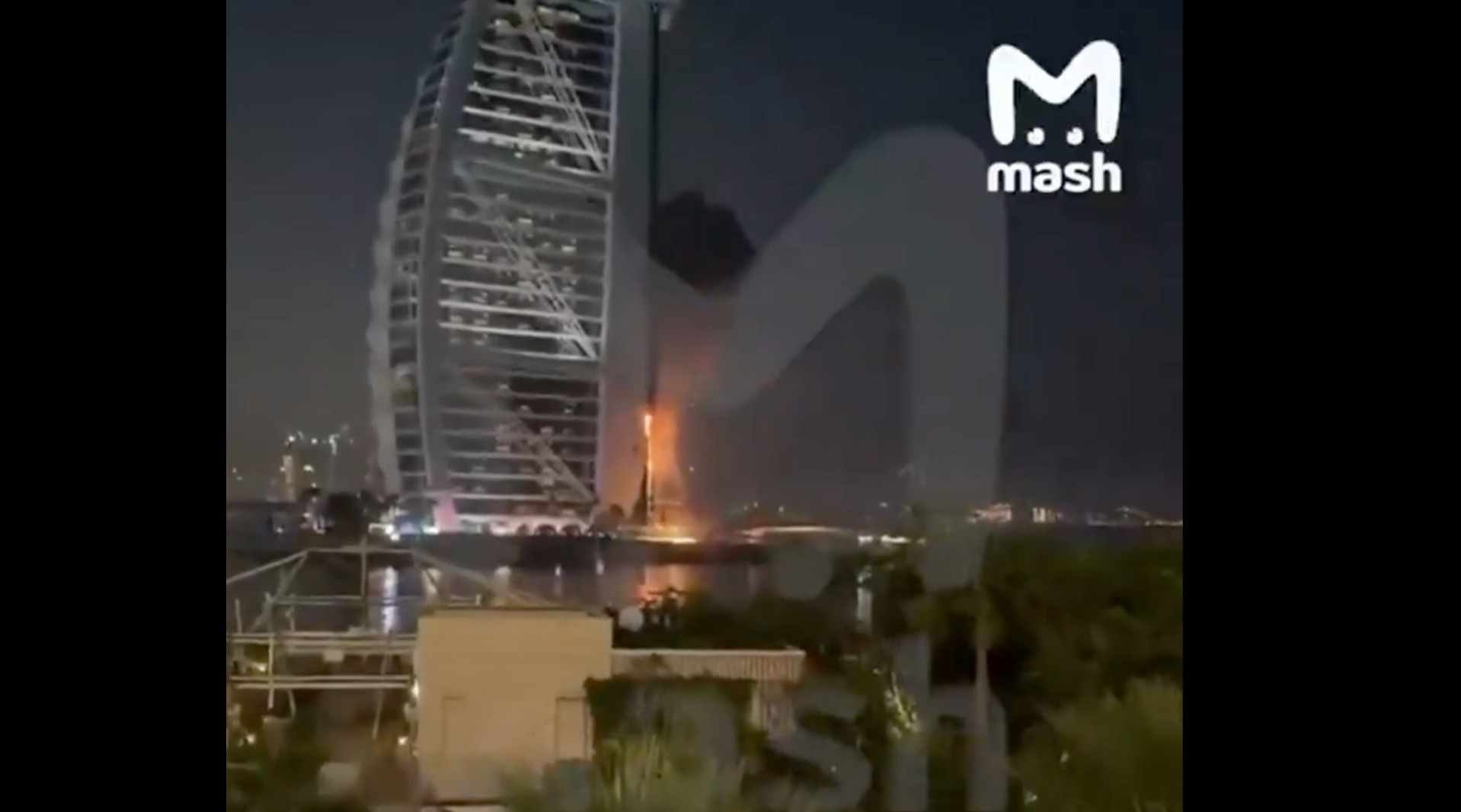
Debris from intercepted missiles and drones has caused fires and damage in parts of Dubai, including near Dubai International Airport, the Burj Al Arab hotel, and Palm Jumeirah. Airspace and flights in the UAE were disrupted as authorities responded to the attacks.
Industry Response and Resilience
Despite the attacks, executives and industry observers report no immediate plans to relocate from Dubai.

Elizabeth Rayment, founder of a marketing and PR agency working with global financial markets, told The New York Times that the missile attacks were unprecedented.
“Dubai is a city built on resilience, and in moments like this, you see why. Dubai doesn’t pause easily,” she said, noting that the city’s calm, forward-looking response reinforces why global firms continue relocating decision-making, capital, and talent to the UAE.
Analysts and strategists alike emphasize that Dubai’s long-term vision underpins the city’s ability to withstand short-term shocks.
Faruk Arslan, a strategist, noted on LinkedIn that warnings about Dubai’s collapse are nothing new. He wrote, “Never bet against Dubai. We heard it in 2008, during COVID, and the historic floods.”
Arslan highlighted the UAE’s long-term vision, citing its financial center, diversified economy, global logistics, tourism, and crypto-friendly regulation. He added that for long-term investors, temporary weakness “is not a disaster.”
Anton Golub, a Dubai-based digital asset markets advisor, said: “In my conversations with executives & founders, nobody is discussing relocation from Dubai.
Priority is operational resilience: contingency planning, tighter risk limits, and stricter counterparty exposure.”
Zak Hashemi, who runs Leverate’s UAE operations, told Gulf News: “While the attack has raised concerns around operational resilience and business continuity, the city’s core strengths, world-class infrastructure, deep talent pools, and strategic regional access remain firmly intact."
"For most brokers and service providers, the response will be increased vigilance and stronger contingency planning rather than any meaningful retreat.”
Dubai-based portfolio managers say they have no plans to leave, according to Efinancialcareers. One described the situation as “unprecedented” but added, “We are all relaxed.” Another called suggestions of a mass exodus “inappropriate and absurd.”
Residents note that debris risks are limited, with one stating, “Civilians are not being targeted…my family are much safer here than in many Western cities.”
“While XM operates in Dubai, the company continues to closely monitor geopolitical developments across the UAE and the wider region,” the company said.
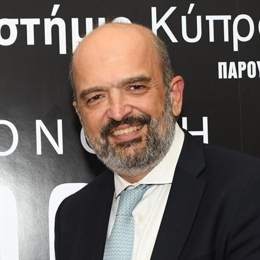
XM Co-Chief Executive Officer Menelaos Menelaou said trading operations remain stable despite regional tensions.
“Our priority has always been to provide a trading environment that is as resilient as it is fast,” Menelaou said. “Regardless of regional tensions, our traders will maintain full access to their accounts, their funds, and our support teams.”
Crypto Ecosystem Remains Strong
The city has also become a hub for crypto exchanges. Golub added: “Dubai remains the leading crypto hub globally, because licensing is efficient, free-zone setup is fast, and visas, tax treatment, talent density, and regional capital make scaling practical.
You can see UAE digital asset ecosystem depth in the numbers: DMCC’s Crypto Centre is past 700 companies, VARA has 42 licensed/in-principle VASPs, and ADGM already has 20+ regulated firms active in virtual assets — density you don’t rebuild overnight.”
Community Confidence and Commentary
Binance founder Changpeng Zhao, currently based in Dubai, addressed community concerns in a public post. He said conditions remained calm despite heightened defense activity in the city.
“Lots of people reached out. All good, and very calm here actually, considering the circumstances,” Zhao said, noting that residents continue to show confidence in the country’s leadership and defense systems.
Business Continuity Maintained
Outside commentary highlighted the city’s relative security. Pavel Durov remarked on social media: “Given Europe’s crime rates, Dubai is statistically safer even with missiles flying.”
On X, a market commentator wrote: “Think genuinely people will view Dubai differently… but the reality is Dubai under a missile attack saw less deaths than 99% of cities in Europe.”
Despite short-term volatility and airspace closures, Dubai’s financial and trading hubs continue to operate. Companies appear committed to maintaining their presence, underscoring the ongoing appeal of the UAE’s regulatory and operational environment.