The sale of the Dubai unit came as the duo bought control of the entire CFDs broker brand.
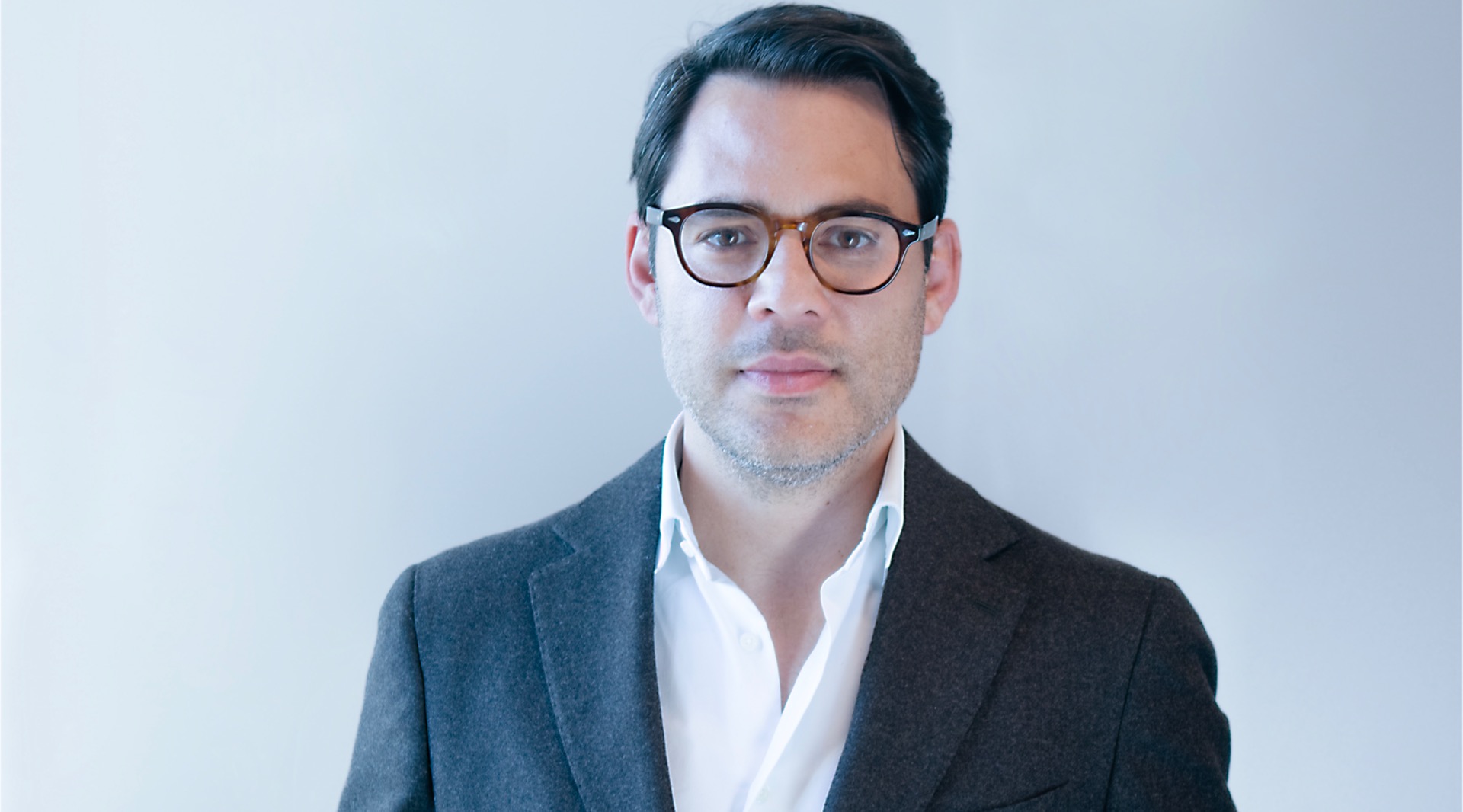
Stavros Lambouris now solely controls CFDs broker brand HYCM after Roger Bach's retirement.
Stavros Lambouris, CEO at HYCM International
Roger Bach and Stavros Lambouris acquired control of the Dubai unit of CFDs broker HYCM in a management buyout at the beginning of 2024 for £1.4 million, which was equal to the company’s net assets at the time of sale, according to the latest Companies House filing of the UK unit of HYCM.
The sale of the Dubai unit came when the management duo gained control of the entire HYCM Group on 1 January 2024. However, Lambouris took complete control of the company following Bach’s retirement in September 2024.
Performance Remains Strong
“The [ownership] changes have no material impact on the Company, with the Business Plan and activities remaining the same,” the filing by HYCM Capital Markets (UK) Limited stated. “The Company and Group had a satisfactory year.”
Indeed, the Financial Conduct Authority-regulated unit generated annual revenue of £951K in 2024, down from the previous year’s £1.07 million. However, it ended the year with a net profit of £1.25 million, compared to the previous year’s £62K—a jump driven by a fair value gain of £972K.
Furthermore, the company managed to increase its total assets to £3.65 million from £2.4 million. It also pointed out that the return on net assets fluctuated due to exchange differences and stood at 34.2 per cent for 2024, compared to 2.6 per cent in the previous year. The increase was attributed to the gain on sale of its Dubai-based subsidiary, HYCM Limited.
HYCM Capital Markets (UK) Limited's income statement
No More Service in Europe
Last year, the Cypriot unit of HYCM voluntarily renounced its licence and ceased to accept clients based in the European Union. Now, the HYCM brand is operated by the UK entity, and HYCM Limited is licensed in Dubai.
“The Board believes that there continues to be an increasing interest in trading CFDs across our main geographies and is confident that HYCM is well placed to continue building on this trend to grow the business in 2025,” the filing stated.
Roger Bach and Stavros Lambouris acquired control of the Dubai unit of CFDs broker HYCM in a management buyout at the beginning of 2024 for £1.4 million, which was equal to the company’s net assets at the time of sale, according to the latest Companies House filing of the UK unit of HYCM.
The sale of the Dubai unit came when the management duo gained control of the entire HYCM Group on 1 January 2024. However, Lambouris took complete control of the company following Bach’s retirement in September 2024.
Performance Remains Strong
“The [ownership] changes have no material impact on the Company, with the Business Plan and activities remaining the same,” the filing by HYCM Capital Markets (UK) Limited stated. “The Company and Group had a satisfactory year.”
Indeed, the Financial Conduct Authority-regulated unit generated annual revenue of £951K in 2024, down from the previous year’s £1.07 million. However, it ended the year with a net profit of £1.25 million, compared to the previous year’s £62K—a jump driven by a fair value gain of £972K.
Furthermore, the company managed to increase its total assets to £3.65 million from £2.4 million. It also pointed out that the return on net assets fluctuated due to exchange differences and stood at 34.2 per cent for 2024, compared to 2.6 per cent in the previous year. The increase was attributed to the gain on sale of its Dubai-based subsidiary, HYCM Limited.
HYCM Capital Markets (UK) Limited's income statement
No More Service in Europe
Last year, the Cypriot unit of HYCM voluntarily renounced its licence and ceased to accept clients based in the European Union. Now, the HYCM brand is operated by the UK entity, and HYCM Limited is licensed in Dubai.
“The Board believes that there continues to be an increasing interest in trading CFDs across our main geographies and is confident that HYCM is well placed to continue building on this trend to grow the business in 2025,” the filing stated.
Arnab Shome is an electronics engineer-turned-financial editor. He holds a Bachelor of Technology from the National Institute of Technology, Agartala. He entered the retail trading industry about a decade ago, covering the cryptocurrency market for Finance Magnates, and later expanded his coverage to include forex and CFDs as well.
His work at Finance Magnates includes C-level interviews, data-driven analysis, opinion pieces, and scoops of industry exclusives. He also contributes to Finance Magnates’ quarterly industry report.
Area of coverage:
1. CFD broker-related news
2. Industry-related Regulatory updates and developments
3. New retail trading trends
4. Prop trading industry updates
5. Executive interviews
Education:
Bachelor of Technology - National Institute of Technology, Agartala (India)
42% of Swiss Financial Firms Have No Digital Fraud Policy, FINMA Finds
FP Markets Winner Spotlight 🏆 | Global Broker of the Year 2025 #Trading #Broker #Innovation #Shorts
FP Markets Winner Spotlight 🏆 | Global Broker of the Year 2025 #Trading #Broker #Innovation #Shorts
FP Markets takes the spotlight as Global Broker of the Year 2025 at the Finance Magnates Awards.
Martin Stoilov, Head of Client Experience, shares that trust, innovation, and people played a key role in the company’s success, supported by a strong foundation of integrity and client-centricity.
Following this milestone, FP Markets continues to focus on growth, technology investment, and its core values of transparency and excellence.
👉 Be part of FM Awards 2026: https://awards.financemagnates.com/#nominate
FP Markets takes the spotlight as Global Broker of the Year 2025 at the Finance Magnates Awards.
Martin Stoilov, Head of Client Experience, shares that trust, innovation, and people played a key role in the company’s success, supported by a strong foundation of integrity and client-centricity.
Following this milestone, FP Markets continues to focus on growth, technology investment, and its core values of transparency and excellence.
👉 Be part of FM Awards 2026: https://awards.financemagnates.com/#nominate
In this video, we review @HolaPrimeMarketsOfficial, a multi-asset forex and CFDs broker offering different account types, trading platforms, and flexible trading conditions.
We cover the broker’s overall offering, including account options, trading environment, platforms like MT4 and MT5, and additional services such as managed accounts and fast withdrawals.
Watch the full video to see if Hola Prime Markets fits your trading needs.
📣 Stay up to date with the latest in finance and trading. Follow Finance Magnates for industry news, insights, and global event coverage.
Connect with us:
🔗 LinkedIn: /financemagnates
👍 Facebook: /financemagnates
📸 Instagram: https://www.instagram.com/financemagnates
🐦 X: https://x.com/financemagnates
🎥 TikTok: https://www.tiktok.com/tag/financemagnates
▶️ YouTube: /@financemagnates_official
#HolaPrime #ForexBroker #CFDTrading #FinanceMagnates #Trading #Forex #BrokerReview
In this video, we review @HolaPrimeMarketsOfficial, a multi-asset forex and CFDs broker offering different account types, trading platforms, and flexible trading conditions.
We cover the broker’s overall offering, including account options, trading environment, platforms like MT4 and MT5, and additional services such as managed accounts and fast withdrawals.
Watch the full video to see if Hola Prime Markets fits your trading needs.
📣 Stay up to date with the latest in finance and trading. Follow Finance Magnates for industry news, insights, and global event coverage.
Connect with us:
🔗 LinkedIn: /financemagnates
👍 Facebook: /financemagnates
📸 Instagram: https://www.instagram.com/financemagnates
🐦 X: https://x.com/financemagnates
🎥 TikTok: https://www.tiktok.com/tag/financemagnates
▶️ YouTube: /@financemagnates_official
#HolaPrime #ForexBroker #CFDTrading #FinanceMagnates #Trading #Forex #BrokerReview
Hola Prime Review: What You Need to Know | Full Breakdown by Finance Magnates
Hola Prime Review: What You Need to Know | Full Breakdown by Finance Magnates
In this video, we review @HolaPrime_Global, a proprietary trading firm offering evaluation programs and performance-based payouts in simulated market environments.
We cover how the challenge model works, including account types, profit splits (up to 95%), trading rules, and what it takes to reach a funded account. You’ll also learn about available platforms like MT4, MT5, cTrader, and more, along with insights into payouts, support, and trading conditions.
Watch the full video to see if Hola Prime fits your trading style.
📣 Stay up to date with the latest in finance and trading. Follow Finance Magnates for industry news, insights, and global event coverage.
Connect with us:
🔗 LinkedIn: /financemagnates
👍 Facebook: /financemagnates
📸 Instagram: https://www.instagram.com/financemagnates
🐦 X: https://x.com/financemagnates
🎥 TikTok: https://www.tiktok.com/tag/financemagnates
▶️ YouTube: /@financemagnates_official
#HolaPrime #PropFirm #Trading #FinanceMagnates #Forex #FuturesTrading #TradingReview #PropFirmReview
In this video, we review @HolaPrime_Global, a proprietary trading firm offering evaluation programs and performance-based payouts in simulated market environments.
We cover how the challenge model works, including account types, profit splits (up to 95%), trading rules, and what it takes to reach a funded account. You’ll also learn about available platforms like MT4, MT5, cTrader, and more, along with insights into payouts, support, and trading conditions.
Watch the full video to see if Hola Prime fits your trading style.
📣 Stay up to date with the latest in finance and trading. Follow Finance Magnates for industry news, insights, and global event coverage.
Connect with us:
🔗 LinkedIn: /financemagnates
👍 Facebook: /financemagnates
📸 Instagram: https://www.instagram.com/financemagnates
🐦 X: https://x.com/financemagnates
🎥 TikTok: https://www.tiktok.com/tag/financemagnates
▶️ YouTube: /@financemagnates_official
#HolaPrime #PropFirm #Trading #FinanceMagnates #Forex #FuturesTrading #TradingReview #PropFirmReview
Axi Winner Spotlight 🏆 | Global Most Innovative Broker 2025 #Innovation #Trading #Fintech #Broker
Axi Winner Spotlight 🏆 | Global Most Innovative Broker 2025 #Innovation #Trading #Fintech #Broker
Axi takes the spotlight at the Finance Magnates Awards, winning Global Most Innovative Broker 2025.
Olivia Xenofontos and Ivanna Openko share how the team will feel: proud, motivated, and ready to keep delivering.
They also describe the night as well-organized, focused, and enjoyable for all.
👉 Be part of FM Awards 2026.
Axi takes the spotlight at the Finance Magnates Awards, winning Global Most Innovative Broker 2025.
Olivia Xenofontos and Ivanna Openko share how the team will feel: proud, motivated, and ready to keep delivering.
They also describe the night as well-organized, focused, and enjoyable for all.
👉 Be part of FM Awards 2026.
Recognition that matters.
Built on transparency.
Driven by the industry.
The Finance Magnates Awards 2026.
Nominations are now open.
🔗 https://awards.financemagnates.com/?utm_source=SM&utm_medium=social&utm_campaign=recognition-matters
Recognition that matters.
Built on transparency.
Driven by the industry.
The Finance Magnates Awards 2026.
Nominations are now open.
🔗 https://awards.financemagnates.com/?utm_source=SM&utm_medium=social&utm_campaign=recognition-matters