"It's not easy keeping a company operational and functioning in such times," said Kirobo's COO.
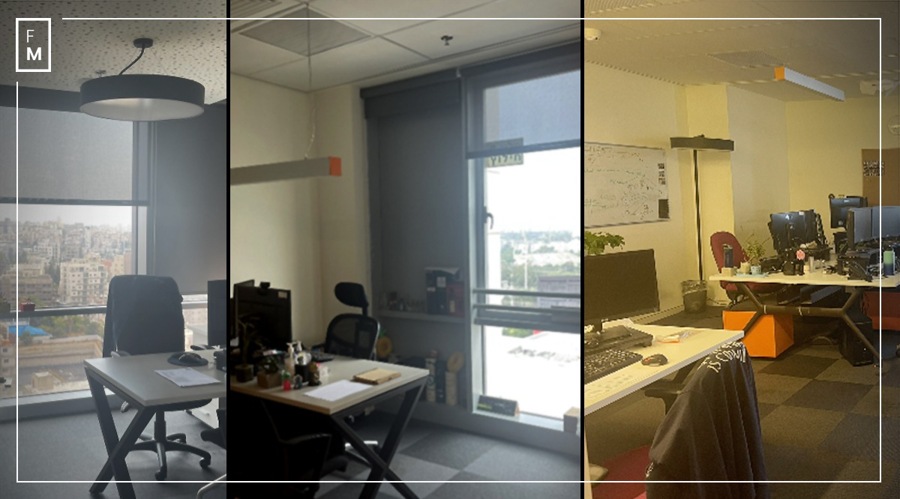
Due to security considerations many employees are working remotely again leaving the offices empty.
The skyline of Tel Aviv's business district
Tel Aviv, the financial capital, like many other cities in the country frequently hear rocket sirens warning of missiles launched by the Hamas terror group. As the conflict escalates, Israeli corporations are under significant operational stress. Many employees have been called up for reserve military service while others attempt to remain close to shelters or secure residential areas. With no clear end to the hostilities in sight, companies must brace themselves for an extended period of uncertainty.
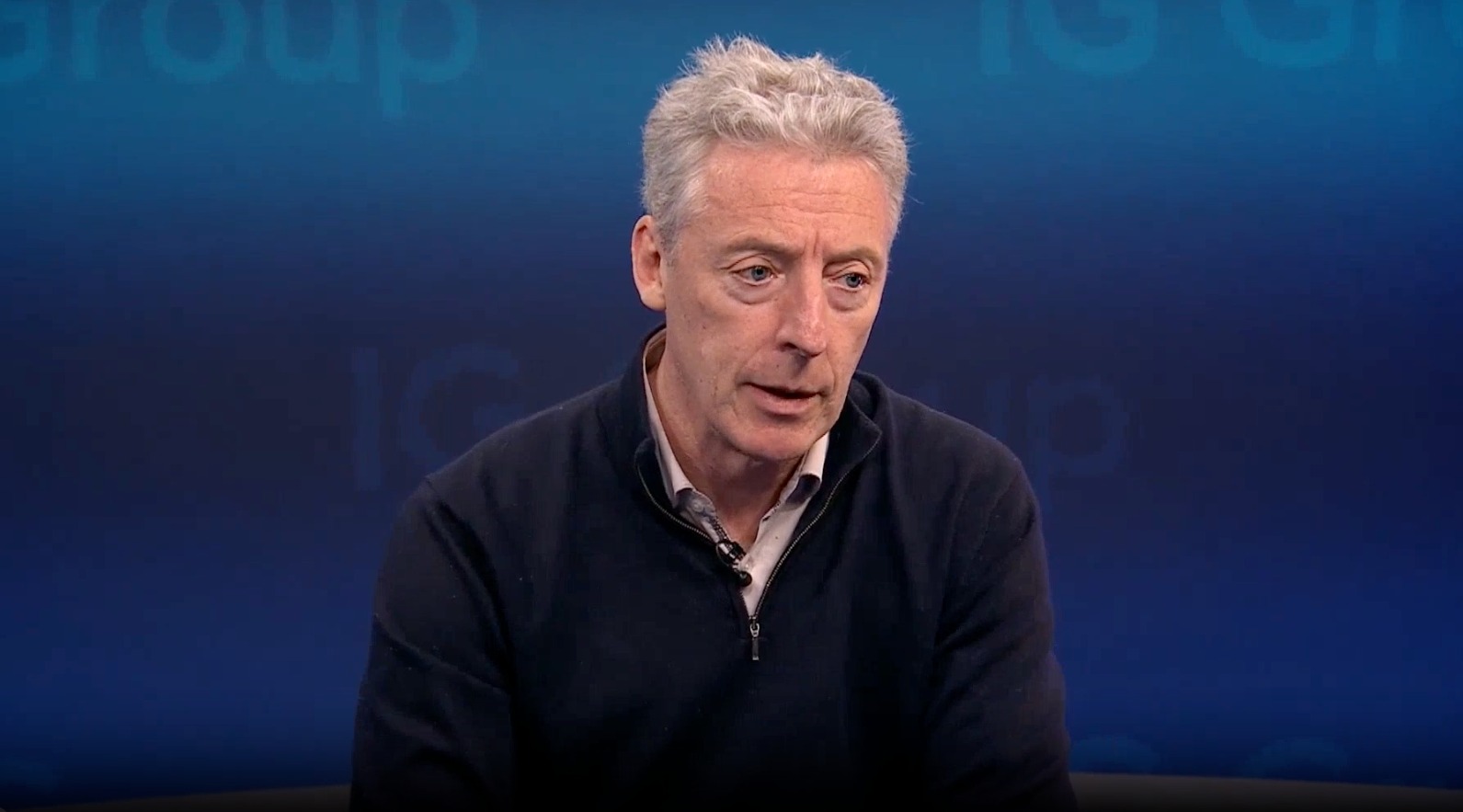
"In Israel, we have between 70-80 employees out of a total of over 100 worldwide," Ran Strauss, the CEO of Leverate, told Finance Magnates. "Currently, 15 percent of them, all males, have been called up for duty."
Another company Finance Magnates talked to said: "We would be happy to help, but almost all of our employees were drafted to military reservists. And many Israeli companies are now facing similar situations."
The Call to Join the Israeli Military
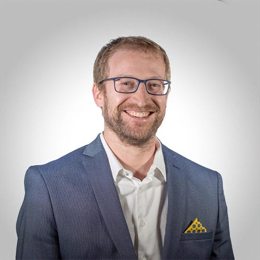
Ran Strauss, CEO of Leverate
The terrorist attack on Israel last Saturday directly impacted the corporate sector of the country the very next day (the country works from Sunday through Thursday). These companies, many of which are in retail trading, are facing further challenges as the Israeli military has summoned roughly 360,000 reservists to join the war against Hamas.
Military service is mandatory for all in Israel after 18 years of age, with some exceptions. After the service years, many of them are kept as reservists until the age of 40 years for emergencies despite their civilian professions.
Efrat Bergman, Head of HR at Tel Aviv-based TipRanks
"Some of our employees have been recruited for reserve duty, and the spouses and family members of some have also been called to serve. We maintain regular communication with all our employees, ensuring that they receive the necessary support," Efrat Bergman, the Head of HR at Tel Aviv-based TipRanks, told Finance Magnates.
According to Avi Eyal, the Founder of venture capital firm Entrée Capital, between 10 and 30 percent of the employees in Israeli startups are being called into reserves these days. New York-based Vine Ventures' Founder, Eric Reiner, estimates these numbers to be as high as 50 percent of all workforce for some companies.
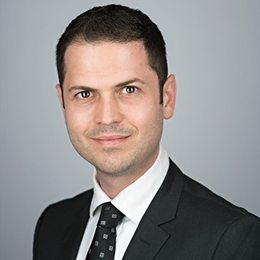
Michael Pearl, COO at Kirobo
Kirobo, a company in Tel Aviv that develops "smart wallets," also has a quarter of its staff in reserves. Its Chief Operating Officer, Michael Pearl (the former Director of Content at Finance Magnates), revealed that the remaining staff of the company are "volunteering for various national and local initiatives like helping dislocated families and conducting local patrols to make sure their neighborhood is safe."
Many in the Israeli startup sector are getting their resources pinched as senior executives and entrepreneurs join the military, leaving the control in the hands of junior employees.
"I want to be part of the people who protect our country," Itamar Friedman, the Founder and CEO of the artificial intelligence startup CodiumAI, who has been summoned by the Israeli military, told the Wall Street Journal.
Stress and Agony
Hamas' attack left many Israelis devastated, personally and professionally. Employees face tremendous stress and agony with bomb sirens and even the high-pitched engine sound of friendly fighter jets.
"Like many others in the country, our employees are feeling sadness and shock, and some have had their immediate surroundings directly affected," Bergman said. "Our managers are in constant communication with the teams, actively checking on their well-being, listening to their needs, and providing support as necessary. Additionally, we have established a hotline for emotional support to further assist our employees during this difficult period."
Kirobo's Pearl also said: "We had a Zoom call with a client the other day, and right in the middle of it, there was a rocket alarm. We had to continue the talk from the bomb shelter with all the kids."
Several major global corporations, including giants like Google and Microsoft, also have offices in Israel.
In a note, Google's CEO, Sundar Pichai, wrote: "Deeply saddened by the terrorist attacks in Israel this weekend and the escalating conflict underway… Google has two offices and over 2,000 employees in Israel. It's unimaginable what they're experiencing. Our immediate focus since Saturday has been on employee safety. We've now made contact with all of our local employees, and will continue supporting them."
Maintaining a similar tone, Microsoft's Satya Nadela wrote: "Heartbroken by the horrific terrorist attacks on Israel and the escalating conflict… My deepest condolences are with all those killed and impacted. Our focus remains on ensuring the safety of our employees and their families."
Microsoft's Kathleen Hogan, the Executive Vice President and Chief Human Resources Officer, informed its employees that the company is in direct contact with the Israeli leadership and employee communities.
"We have nearly 3,000 employees in Israel directly impacted. We have Jewish employees around the world who are also experiencing grief, fear, and anxiety as hatred and vitriol increase," Hogan wrote.
Remote Work, Again
The Israeli companies have again moved to a remote work setup mostly since the terror attack. However, the shift from the offices to home was not a challenge this time due to the practice they had during the COVID-19 pandemic.
"Our office is presently closed, and our employees are working entirely remotely," added Bergman. "The safety and well-being of our employees are our top priorities, and this decision aims to make their work more manageable, especially considering that many have children at home due to the closure of the public education system."
"Our company is no stranger to remote work, as we regularly operate in a hybrid mode, and we worked remotely during the COVID-19 pandemic."
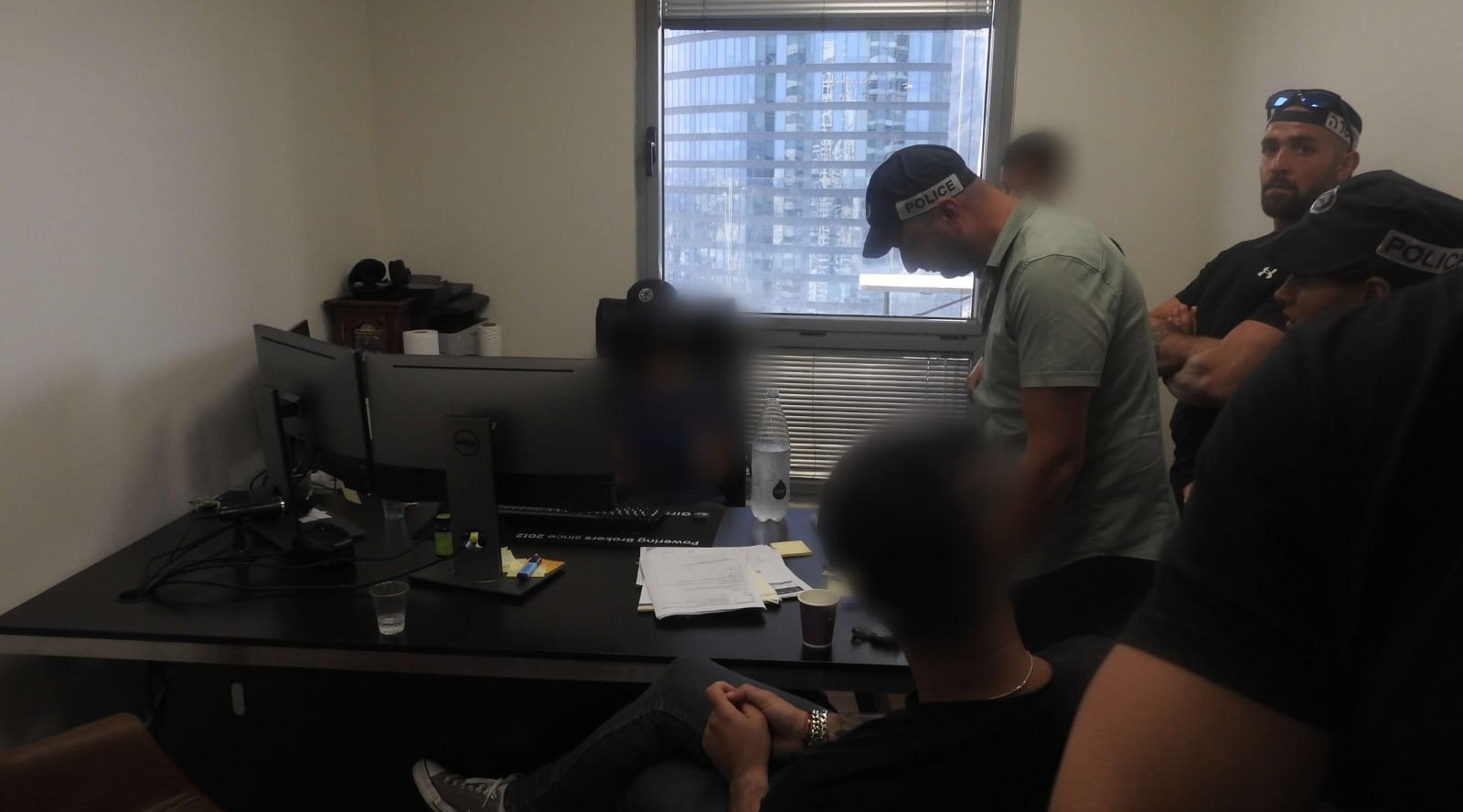
However, at Leverate, a few, including the CEO, are still attending the office.
Photos from Leverate's empty office in Israel
Kirobo's Pearl added that: "It's not easy keeping a company operational and functioning in such times. We got used to remote work, but having part of the team drafted to the military and another staying in bomb-shelter, is very challenging."
"At the moment, we're not at the office and are working from home. I think that the biggest challenge is the fact that beyond work, people have to cope with their kids being at home, but also with tasks like buying food and equipment for emergency."
Business Will Go On, Even with Limited Resources
The summoning by the military, stress, and remote work have a direct impact on the operations of Israeli companies. Although work continues normally in most companies, it is with a "low to medium effort."
"At present, we have not encountered significant operational challenges due to the remote work setup. However, we acknowledge that if the situation persists for an extended period, it may have an impact," Bergman at TipRanks said. "We are committed to adapting our operations to maintain business continuity during these challenging times… We will also conduct a thorough reevaluation of our projects to ensure prioritization of our key goals."
"Prioritizing projects during a period of war will center on preserving essential services, upholding data accuracy, and ensuring the stability of our platform. Non-critical projects may be subject to postponement or temporary suspension as we direct our resources and attention toward sustaining the core functions of our business. Our aim is to maintain operational resilience and support our team members through these challenging circumstances."
However, with many companies operating globally, it is hard to change much in terms of priority.
"We are astonished and very grateful to our wide range of esteemed clients/network/valued partners for their ongoing support and care for their patience and comfort they prove to share and hug us with at all times," Leverate's Strauss said.
Bergman added: "The Israeli people, and especially the tech community, are resilient and are famous for their improvisation skills. We'll find a way to continue working and succeeding, even in such challenging times."
Tel Aviv, the financial capital, like many other cities in the country frequently hear rocket sirens warning of missiles launched by the Hamas terror group. As the conflict escalates, Israeli corporations are under significant operational stress. Many employees have been called up for reserve military service while others attempt to remain close to shelters or secure residential areas. With no clear end to the hostilities in sight, companies must brace themselves for an extended period of uncertainty.
"In Israel, we have between 70-80 employees out of a total of over 100 worldwide," Ran Strauss, the CEO of Leverate, told Finance Magnates. "Currently, 15 percent of them, all males, have been called up for duty."
Another company Finance Magnates talked to said: "We would be happy to help, but almost all of our employees were drafted to military reservists. And many Israeli companies are now facing similar situations."
The Call to Join the Israeli Military
Ran Strauss, CEO of Leverate
The terrorist attack on Israel last Saturday directly impacted the corporate sector of the country the very next day (the country works from Sunday through Thursday). These companies, many of which are in retail trading, are facing further challenges as the Israeli military has summoned roughly 360,000 reservists to join the war against Hamas.
Military service is mandatory for all in Israel after 18 years of age, with some exceptions. After the service years, many of them are kept as reservists until the age of 40 years for emergencies despite their civilian professions.
Efrat Bergman, Head of HR at Tel Aviv-based TipRanks
"Some of our employees have been recruited for reserve duty, and the spouses and family members of some have also been called to serve. We maintain regular communication with all our employees, ensuring that they receive the necessary support," Efrat Bergman, the Head of HR at Tel Aviv-based TipRanks, told Finance Magnates.
According to Avi Eyal, the Founder of venture capital firm Entrée Capital, between 10 and 30 percent of the employees in Israeli startups are being called into reserves these days. New York-based Vine Ventures' Founder, Eric Reiner, estimates these numbers to be as high as 50 percent of all workforce for some companies.
Michael Pearl, COO at Kirobo
Kirobo, a company in Tel Aviv that develops "smart wallets," also has a quarter of its staff in reserves. Its Chief Operating Officer, Michael Pearl (the former Director of Content at Finance Magnates), revealed that the remaining staff of the company are "volunteering for various national and local initiatives like helping dislocated families and conducting local patrols to make sure their neighborhood is safe."
Many in the Israeli startup sector are getting their resources pinched as senior executives and entrepreneurs join the military, leaving the control in the hands of junior employees.
"I want to be part of the people who protect our country," Itamar Friedman, the Founder and CEO of the artificial intelligence startup CodiumAI, who has been summoned by the Israeli military, told the Wall Street Journal.
Stress and Agony
Hamas' attack left many Israelis devastated, personally and professionally. Employees face tremendous stress and agony with bomb sirens and even the high-pitched engine sound of friendly fighter jets.
"Like many others in the country, our employees are feeling sadness and shock, and some have had their immediate surroundings directly affected," Bergman said. "Our managers are in constant communication with the teams, actively checking on their well-being, listening to their needs, and providing support as necessary. Additionally, we have established a hotline for emotional support to further assist our employees during this difficult period."
Kirobo's Pearl also said: "We had a Zoom call with a client the other day, and right in the middle of it, there was a rocket alarm. We had to continue the talk from the bomb shelter with all the kids."
Several major global corporations, including giants like Google and Microsoft, also have offices in Israel.
In a note, Google's CEO, Sundar Pichai, wrote: "Deeply saddened by the terrorist attacks in Israel this weekend and the escalating conflict underway… Google has two offices and over 2,000 employees in Israel. It's unimaginable what they're experiencing. Our immediate focus since Saturday has been on employee safety. We've now made contact with all of our local employees, and will continue supporting them."
Maintaining a similar tone, Microsoft's Satya Nadela wrote: "Heartbroken by the horrific terrorist attacks on Israel and the escalating conflict… My deepest condolences are with all those killed and impacted. Our focus remains on ensuring the safety of our employees and their families."
Microsoft's Kathleen Hogan, the Executive Vice President and Chief Human Resources Officer, informed its employees that the company is in direct contact with the Israeli leadership and employee communities.
"We have nearly 3,000 employees in Israel directly impacted. We have Jewish employees around the world who are also experiencing grief, fear, and anxiety as hatred and vitriol increase," Hogan wrote.
Remote Work, Again
The Israeli companies have again moved to a remote work setup mostly since the terror attack. However, the shift from the offices to home was not a challenge this time due to the practice they had during the COVID-19 pandemic.
"Our office is presently closed, and our employees are working entirely remotely," added Bergman. "The safety and well-being of our employees are our top priorities, and this decision aims to make their work more manageable, especially considering that many have children at home due to the closure of the public education system."
"Our company is no stranger to remote work, as we regularly operate in a hybrid mode, and we worked remotely during the COVID-19 pandemic."
However, at Leverate, a few, including the CEO, are still attending the office.
Photos from Leverate's empty office in Israel
Kirobo's Pearl added that: "It's not easy keeping a company operational and functioning in such times. We got used to remote work, but having part of the team drafted to the military and another staying in bomb-shelter, is very challenging."
"At the moment, we're not at the office and are working from home. I think that the biggest challenge is the fact that beyond work, people have to cope with their kids being at home, but also with tasks like buying food and equipment for emergency."
Business Will Go On, Even with Limited Resources
The summoning by the military, stress, and remote work have a direct impact on the operations of Israeli companies. Although work continues normally in most companies, it is with a "low to medium effort."
"At present, we have not encountered significant operational challenges due to the remote work setup. However, we acknowledge that if the situation persists for an extended period, it may have an impact," Bergman at TipRanks said. "We are committed to adapting our operations to maintain business continuity during these challenging times… We will also conduct a thorough reevaluation of our projects to ensure prioritization of our key goals."
"Prioritizing projects during a period of war will center on preserving essential services, upholding data accuracy, and ensuring the stability of our platform. Non-critical projects may be subject to postponement or temporary suspension as we direct our resources and attention toward sustaining the core functions of our business. Our aim is to maintain operational resilience and support our team members through these challenging circumstances."
However, with many companies operating globally, it is hard to change much in terms of priority.
"We are astonished and very grateful to our wide range of esteemed clients/network/valued partners for their ongoing support and care for their patience and comfort they prove to share and hug us with at all times," Leverate's Strauss said.
Bergman added: "The Israeli people, and especially the tech community, are resilient and are famous for their improvisation skills. We'll find a way to continue working and succeeding, even in such challenging times."
Arnab Shome is an electronics engineer-turned-financial editor. He holds a Bachelor of Technology from the National Institute of Technology, Agartala. He entered the retail trading industry about a decade ago, covering the cryptocurrency market for Finance Magnates, and later expanded his coverage to include forex and CFDs as well.
His work at Finance Magnates includes C-level interviews, data-driven analysis, opinion pieces, and scoops of industry exclusives. He also contributes to Finance Magnates’ quarterly industry report.
Area of coverage:
1. CFD broker-related news
2. Industry-related Regulatory updates and developments
3. New retail trading trends
4. Prop trading industry updates
5. Executive interviews
Education:
Bachelor of Technology - National Institute of Technology, Agartala (India)
DXtrade Adds Automated Scalper Detection and A/B-Booking Tool via Gold-i Deal
CMC Markets’ Artur Delijergijevs on Metals Demand, Volatility, & Stable Execution
CMC Markets’ Artur Delijergijevs on Metals Demand, Volatility, & Stable Execution
In this exclusive Executive Interview, Finance Magnates speaks with Artur Delijergijevs, Head of Systematic Market Making at CMC Markets, about the current state of metals demand and market volatility.
Delijergijevs offers a desk-level view on:
- Metals Demand: Why metals are seeing the strongest demand from both retail and institutional clients right now.
- The Safe-Haven Debate: Questioning whether gold still fits the classic safe-haven definition given large daily price movements.
- Volatile Market Prep: How a market-making desk prepares its systems and pricing for stressed market conditions and high-impact economic events.
- Hybrid Execution: Why the best execution model combines electronic speed with human relationship support, especially during volatility.
- AI in Workflow: Where CMC Markets is integrating machine learning for risk management and pricing, and the limitations of AI during stressed markets.
- Dubai's Role: The strategic importance of Dubai’s location for covering global trading sessions across Asia, Europe, and the US.
Watch to understand how CMC Markets maintains stable pricing and reliable execution quality in high-volatility environments.
#CMCmarkets #forex #metals #gold #trading #volatility #MarketMaking #iFXDubai #FinanceMagnates #Finance #Fintech #Execution #AlgorithmicTrading #RiskManagement
In this exclusive Executive Interview, Finance Magnates speaks with Artur Delijergijevs, Head of Systematic Market Making at CMC Markets, about the current state of metals demand and market volatility.
Delijergijevs offers a desk-level view on:
- Metals Demand: Why metals are seeing the strongest demand from both retail and institutional clients right now.
- The Safe-Haven Debate: Questioning whether gold still fits the classic safe-haven definition given large daily price movements.
- Volatile Market Prep: How a market-making desk prepares its systems and pricing for stressed market conditions and high-impact economic events.
- Hybrid Execution: Why the best execution model combines electronic speed with human relationship support, especially during volatility.
- AI in Workflow: Where CMC Markets is integrating machine learning for risk management and pricing, and the limitations of AI during stressed markets.
- Dubai's Role: The strategic importance of Dubai’s location for covering global trading sessions across Asia, Europe, and the US.
Watch to understand how CMC Markets maintains stable pricing and reliable execution quality in high-volatility environments.
#CMCmarkets #forex #metals #gold #trading #volatility #MarketMaking #iFXDubai #FinanceMagnates #Finance #Fintech #Execution #AlgorithmicTrading #RiskManagement
Finance Magnates Awards 2026 – Nominations Now Open
Finance Magnates Awards 2026 – Nominations Now Open
The Finance Magnates Awards 2026 nominations are now open. 🏆
From fintech innovators to leading brokers, this is where the finance industry celebrates its biggest achievements.
Winners will be announced at the Cyprus Gala Dinner on November 6, 2026.
Nominate your brand now.
https://awards.financemagnates.com/?utm_source=linkedin&utm_medium=video&utm_campaign=nominations-open
#FMAwards #FinanceMagnates #FintechAwards #Fintech #FinanceIndustry
The Finance Magnates Awards 2026 nominations are now open. 🏆
From fintech innovators to leading brokers, this is where the finance industry celebrates its biggest achievements.
Winners will be announced at the Cyprus Gala Dinner on November 6, 2026.
Nominate your brand now.
https://awards.financemagnates.com/?utm_source=linkedin&utm_medium=video&utm_campaign=nominations-open
#FMAwards #FinanceMagnates #FintechAwards #Fintech #FinanceIndustry
Finance Magnates Awards 2026 | Nominations Now Open 🏆#Fintech #FMAwards #TradingIndustry
Finance Magnates Awards 2026 | Nominations Now Open 🏆#Fintech #FMAwards #TradingIndustry
Lights on. Cameras ready. 🎬
Finance Magnates Awards 2026 nominations are now open. 🏆
#FMAwards #FinanceMagnates #FintechAwards #Fintech
Lights on. Cameras ready. 🎬
Finance Magnates Awards 2026 nominations are now open. 🏆
#FMAwards #FinanceMagnates #FintechAwards #Fintech
Exness sees trust as the key theme for growth in MENA Trading Growth for 2026
Exness sees trust as the key theme for growth in MENA Trading Growth for 2026
Mohammad Amer, Regional Commercial Director at Exness, sits down to discuss the booming MENA financial trading market. Find out why Dubai is key to the company's growth strategy, how a mobile-first generation is changing expectations, and why trust will be the defining theme for traders in 2026.
In this interview, you'll learn:
* Why Dubai and the MENA region are critical growth markets for fintech and online trading.
* How Exness is addressing the demands of mobile-first, younger traders through engineering, platform stability, and transparent conditions.
* The essential role local talent plays in providing a culturally relevant and compliant user experience.
* Mohammad Amer's outlook on the future of the online trading industry and why stronger controls and systems are necessary.
* Why "trust" isn't just a brand value, but has commercial value—and why he predicts 2026 will be the "Year of Trust."
Key Takeaways:
➡️ The MENA region is rapidly shaping global financial markets.
➡️ New traders expect stability, precise execution, and transparency.
➡️ Local expertise is key to regulatory compliance and user experience.
➡️ Future success belongs to firms capable of meeting rising standards across regulation and platform consistency.
Read the full article at: https://www.financemagnates.com/thought-leadership/exness-sees-trust-as-the-key-theme-for-growth-in-mena-trading-growth-for-2026/
#Exness #MENA #Trading #FinTech #Dubai #OnlineTrading #FinanceMagnates #MohammadAmer #Trust #MobileTrading
Mohammad Amer, Regional Commercial Director at Exness, sits down to discuss the booming MENA financial trading market. Find out why Dubai is key to the company's growth strategy, how a mobile-first generation is changing expectations, and why trust will be the defining theme for traders in 2026.
In this interview, you'll learn:
* Why Dubai and the MENA region are critical growth markets for fintech and online trading.
* How Exness is addressing the demands of mobile-first, younger traders through engineering, platform stability, and transparent conditions.
* The essential role local talent plays in providing a culturally relevant and compliant user experience.
* Mohammad Amer's outlook on the future of the online trading industry and why stronger controls and systems are necessary.
* Why "trust" isn't just a brand value, but has commercial value—and why he predicts 2026 will be the "Year of Trust."
Key Takeaways:
➡️ The MENA region is rapidly shaping global financial markets.
➡️ New traders expect stability, precise execution, and transparency.
➡️ Local expertise is key to regulatory compliance and user experience.
➡️ Future success belongs to firms capable of meeting rising standards across regulation and platform consistency.
Read the full article at: https://www.financemagnates.com/thought-leadership/exness-sees-trust-as-the-key-theme-for-growth-in-mena-trading-growth-for-2026/
#Exness #MENA #Trading #FinTech #Dubai #OnlineTrading #FinanceMagnates #MohammadAmer #Trust #MobileTrading
Paytiko CEO Razi Salih on Why Payment Orchestration is a MUST-HAVE for Brokers in 2026
Paytiko CEO Razi Salih on Why Payment Orchestration is a MUST-HAVE for Brokers in 2026
At iFX Expo Dubai, Finance Magnates spoke with Razi Salih, CEO at Paytiko, about the evolution of the payments ecosystem and why payment orchestration has shifted from an option to a necessity for brokers, prop firms, and exchanges.
Mr. Salih explains how global expansion, the need for deep localisation, and the sheer number of new payment methods, from instant banking to stablecoins, are driving this critical infrastructure shift.
#PaymentOrchestration #Fintech #Brokerage #TradingPayments #RaziSalih #Paytiko #iFXExpoDubai #Stablecoins #AIinFintech
At iFX Expo Dubai, Finance Magnates spoke with Razi Salih, CEO at Paytiko, about the evolution of the payments ecosystem and why payment orchestration has shifted from an option to a necessity for brokers, prop firms, and exchanges.
Mr. Salih explains how global expansion, the need for deep localisation, and the sheer number of new payment methods, from instant banking to stablecoins, are driving this critical infrastructure shift.
#PaymentOrchestration #Fintech #Brokerage #TradingPayments #RaziSalih #Paytiko #iFXExpoDubai #Stablecoins #AIinFintech