It processed $133 billion in transactions in May 2022.
The network is also expanding internationally.
Analysis
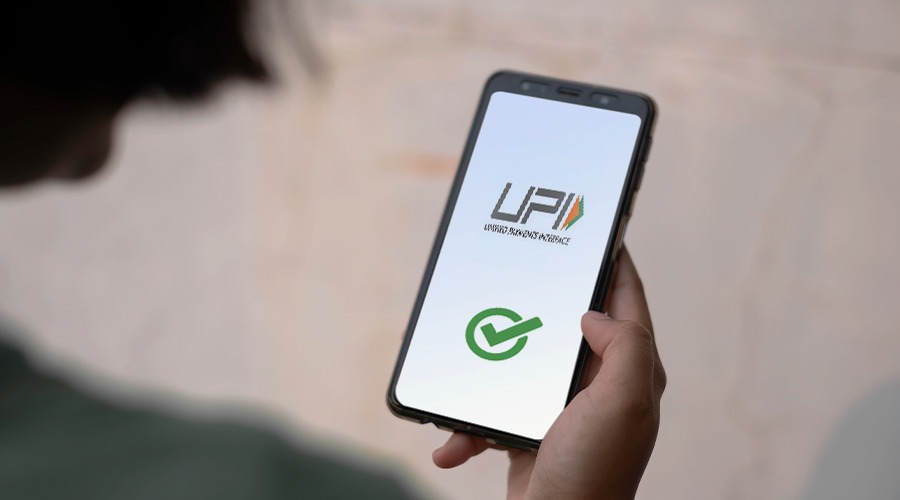
The domestic payments network of developing countries does not make much noise in the western world. However, every player in the industry must take notice of the Unified Payments Interface (UPI) mechanism in India, mostly because of the popularity of the payment mode and the sheer size of the market.
It processed 5.95 billion transactions in May 2022 alone with a monetary value totaling INR 10.41 trillion (around $133 billion), a monthly record. Additionally, the payment mode processed INR 83.45 trillion (roughly $1 trillion) worth of transactions in the last financial year, continuing its growth trajectory since its Indian adoption in 2016.
Big businesses to small street vendors in the country are now accepting digital payments through UPI.
A report published by ACI Worldwide even described the UPI as far more advanced when compared to similar payments modes in developed markets like the United States, the United Kingdom, Canada and Australia.
What Is UPI?
UPI was introduced in India only in 2016. It is an instant real-time payment system developed by the National Payments Corporation of India (NPCI), a non-profit established by the country’s central bank and other commercial banks. It enables bank-to-bank transfers around the clock, seven days a week.
The payment receiving services are not limited to businesses: it allows anyone to receive or send money in the country.
Ankur Saxena, Country Leader for India and South Asia at ACI Worldwide Payments
It uses Immediate Payment Service (IMPS), which is the domestic real-time payment infrastructure of Indian banks. Anyone with a bank account can generate a UPI id. In addition, it came as the government’s push for financial inclusion in the country.
“India’s real-time payments success stems from a coordinated approach to mass adoption nationwide and not being tied to, or heavily invested in traditional, expensive and relatively inflexible electronic payment infrastructure like its US and European counterparts,” Ankur Saxena, ACI Worldwide Payments’ the country leader for India and South Asia, told local business magazine Outlook.
The Push for Growth
The success of UPI is tied to several factors. The rise of mobile phone users, cheap internet and the growing inclusion of financials, all contributed to the boom in UPI payments.
Moreover, it turned out to be a boon for fintechs. Google, Amazon and several other local tech giants opened up fintech divisions and tied with local banks to better streamline the UPI payments.
Darren Beyer, Co-Founder and Chief Product and Strategy Officer at Qolo
“There are a number of factors that contributed to the phenomenal growth of UPI payments in India, including ease of use, growth of smartphones, growing adoption of digital payments by Indian consumers, adoption by leading banks, fintechs and merchants, and regulatory support from the Reserve Bank of India,” Darren Beyer, the Co-Founder and Chief Product and Strategy Officer at Qolo, told Finance Magnates.
Going International
The developers of the UPI involve the Reserve Bank of India (RBI), so the policies around it are actively pushed by the central bank. After success in the domestic market, which is still growing, NPCI is targeting international payments.
NPCI International Payments Limited (NIPL), the international arm of the non-profit, also signed a memorandum of understanding with cross-border digital payment service provider Liquid Group last September. It wants to target the markets of Singapore, Malaysia, Thailand, Philippines, Vietnam, Cambodia, Hong Kong, Taiwan, South Korea and Japan, introducing a UPI-based QR payment system.
Bhutan has become the first country to accept UPI payments through NPCI’s own BHIM app. Now, the central banks of India and Singapore have also agreed to allow interoperability between UPI and PayNow, which is expected to begin from July 2022.
Several other agreements were signed to ease international payments and remittances through UPI. The next market under the NPCI’s radar is Australia and Russia.
“There is also a growing list of companies that offer services that require access and payment via mobile, including banks, online shopping, food ordering, bill payments, travel booking, rideshare apps, mobile wallets, etc. The simplicity of the UPI system has made it easier to launch and facilitate mobile payments for various types,” Beyer added.
The Future
So far, UPI is only confined to the bank accounts of Indians. However, the RBI now wants to push it for the country’s booming credit card industry.
Earlier this month, the Indian central bank announced that it will allow the linking of credit cards with UPI. “UPI facilitates transactions by linking savings or current accounts through users’ debit cards… It is now proposed to allow linking of credit cards on the UPI platform, to begin with, the RuPay credit cards will be linked to UPI,” RBI’s Governor Shaktikanta Das said in a press briefing.
Initially, it will only allow the linking of Rupay cards, which is the country’s homegrown card network. However, there was no mention of support for Visa or Mastercard, which dominates the credit card market.
“UPI will continue to see strong growth driven by a few key factors, increasing use cases like international money transfers and B2B payments, a growing mobile consumer user base and increased transaction limits,” said Beyer.
Despite the massive market, the future steps of NPCI and RBI will be crucial. With the credit card industry and international market insight, its development will not be the same as the domestic payments. Also, UPI has no monetary model, which might become a roadblock to its sustainability.
The domestic payments network of developing countries does not make much noise in the western world. However, every player in the industry must take notice of the Unified Payments Interface (UPI) mechanism in India, mostly because of the popularity of the payment mode and the sheer size of the market.
It processed 5.95 billion transactions in May 2022 alone with a monetary value totaling INR 10.41 trillion (around $133 billion), a monthly record. Additionally, the payment mode processed INR 83.45 trillion (roughly $1 trillion) worth of transactions in the last financial year, continuing its growth trajectory since its Indian adoption in 2016.
Big businesses to small street vendors in the country are now accepting digital payments through UPI.
A report published by ACI Worldwide even described the UPI as far more advanced when compared to similar payments modes in developed markets like the United States, the United Kingdom, Canada and Australia.
What Is UPI?
UPI was introduced in India only in 2016. It is an instant real-time payment system developed by the National Payments Corporation of India (NPCI), a non-profit established by the country’s central bank and other commercial banks. It enables bank-to-bank transfers around the clock, seven days a week.
The payment receiving services are not limited to businesses: it allows anyone to receive or send money in the country.
Ankur Saxena, Country Leader for India and South Asia at ACI Worldwide Payments
It uses Immediate Payment Service (IMPS), which is the domestic real-time payment infrastructure of Indian banks. Anyone with a bank account can generate a UPI id. In addition, it came as the government’s push for financial inclusion in the country.
“India’s real-time payments success stems from a coordinated approach to mass adoption nationwide and not being tied to, or heavily invested in traditional, expensive and relatively inflexible electronic payment infrastructure like its US and European counterparts,” Ankur Saxena, ACI Worldwide Payments’ the country leader for India and South Asia, told local business magazine Outlook.
The Push for Growth
The success of UPI is tied to several factors. The rise of mobile phone users, cheap internet and the growing inclusion of financials, all contributed to the boom in UPI payments.
Moreover, it turned out to be a boon for fintechs. Google, Amazon and several other local tech giants opened up fintech divisions and tied with local banks to better streamline the UPI payments.
Darren Beyer, Co-Founder and Chief Product and Strategy Officer at Qolo
“There are a number of factors that contributed to the phenomenal growth of UPI payments in India, including ease of use, growth of smartphones, growing adoption of digital payments by Indian consumers, adoption by leading banks, fintechs and merchants, and regulatory support from the Reserve Bank of India,” Darren Beyer, the Co-Founder and Chief Product and Strategy Officer at Qolo, told Finance Magnates.
Going International
The developers of the UPI involve the Reserve Bank of India (RBI), so the policies around it are actively pushed by the central bank. After success in the domestic market, which is still growing, NPCI is targeting international payments.
NPCI International Payments Limited (NIPL), the international arm of the non-profit, also signed a memorandum of understanding with cross-border digital payment service provider Liquid Group last September. It wants to target the markets of Singapore, Malaysia, Thailand, Philippines, Vietnam, Cambodia, Hong Kong, Taiwan, South Korea and Japan, introducing a UPI-based QR payment system.
Bhutan has become the first country to accept UPI payments through NPCI’s own BHIM app. Now, the central banks of India and Singapore have also agreed to allow interoperability between UPI and PayNow, which is expected to begin from July 2022.
Several other agreements were signed to ease international payments and remittances through UPI. The next market under the NPCI’s radar is Australia and Russia.
“There is also a growing list of companies that offer services that require access and payment via mobile, including banks, online shopping, food ordering, bill payments, travel booking, rideshare apps, mobile wallets, etc. The simplicity of the UPI system has made it easier to launch and facilitate mobile payments for various types,” Beyer added.
The Future
So far, UPI is only confined to the bank accounts of Indians. However, the RBI now wants to push it for the country’s booming credit card industry.
Earlier this month, the Indian central bank announced that it will allow the linking of credit cards with UPI. “UPI facilitates transactions by linking savings or current accounts through users’ debit cards… It is now proposed to allow linking of credit cards on the UPI platform, to begin with, the RuPay credit cards will be linked to UPI,” RBI’s Governor Shaktikanta Das said in a press briefing.
Initially, it will only allow the linking of Rupay cards, which is the country’s homegrown card network. However, there was no mention of support for Visa or Mastercard, which dominates the credit card market.
“UPI will continue to see strong growth driven by a few key factors, increasing use cases like international money transfers and B2B payments, a growing mobile consumer user base and increased transaction limits,” said Beyer.
Despite the massive market, the future steps of NPCI and RBI will be crucial. With the credit card industry and international market insight, its development will not be the same as the domestic payments. Also, UPI has no monetary model, which might become a roadblock to its sustainability.
Arnab Shome is an electronics engineer-turned-financial editor. He holds a Bachelor of Technology from the National Institute of Technology, Agartala. He entered the retail trading industry about a decade ago, covering the cryptocurrency market for Finance Magnates, and later expanded his coverage to include forex and CFDs as well.
His work at Finance Magnates includes C-level interviews, data-driven analysis, opinion pieces, and scoops of industry exclusives. He also contributes to Finance Magnates’ quarterly industry report.
Area of coverage:
1. CFD broker-related news
2. Industry-related Regulatory updates and developments
3. New retail trading trends
4. Prop trading industry updates
5. Executive interviews
Education:
Bachelor of Technology - National Institute of Technology, Agartala (India)
Retail Investors Shift to Energy, Rare Earths, and AI Amid Tensions, eToro Finds
FP Markets Winner Spotlight 🏆 | Global Broker of the Year 2025 #Trading #Broker #Innovation #Shorts
FP Markets Winner Spotlight 🏆 | Global Broker of the Year 2025 #Trading #Broker #Innovation #Shorts
FP Markets takes the spotlight as Global Broker of the Year 2025 at the Finance Magnates Awards.
Martin Stoilov, Head of Client Experience, shares that trust, innovation, and people played a key role in the company’s success, supported by a strong foundation of integrity and client-centricity.
Following this milestone, FP Markets continues to focus on growth, technology investment, and its core values of transparency and excellence.
👉 Be part of FM Awards 2026: https://awards.financemagnates.com/#nominate
FP Markets takes the spotlight as Global Broker of the Year 2025 at the Finance Magnates Awards.
Martin Stoilov, Head of Client Experience, shares that trust, innovation, and people played a key role in the company’s success, supported by a strong foundation of integrity and client-centricity.
Following this milestone, FP Markets continues to focus on growth, technology investment, and its core values of transparency and excellence.
👉 Be part of FM Awards 2026: https://awards.financemagnates.com/#nominate
In this video, we review @HolaPrimeMarketsOfficial, a multi-asset forex and CFDs broker offering different account types, trading platforms, and flexible trading conditions.
We cover the broker’s overall offering, including account options, trading environment, platforms like MT4 and MT5, and additional services such as managed accounts and fast withdrawals.
Watch the full video to see if Hola Prime Markets fits your trading needs.
📣 Stay up to date with the latest in finance and trading. Follow Finance Magnates for industry news, insights, and global event coverage.
Connect with us:
🔗 LinkedIn: /financemagnates
👍 Facebook: /financemagnates
📸 Instagram: https://www.instagram.com/financemagnates
🐦 X: https://x.com/financemagnates
🎥 TikTok: https://www.tiktok.com/tag/financemagnates
▶️ YouTube: /@financemagnates_official
#HolaPrime #ForexBroker #CFDTrading #FinanceMagnates #Trading #Forex #BrokerReview
In this video, we review @HolaPrimeMarketsOfficial, a multi-asset forex and CFDs broker offering different account types, trading platforms, and flexible trading conditions.
We cover the broker’s overall offering, including account options, trading environment, platforms like MT4 and MT5, and additional services such as managed accounts and fast withdrawals.
Watch the full video to see if Hola Prime Markets fits your trading needs.
📣 Stay up to date with the latest in finance and trading. Follow Finance Magnates for industry news, insights, and global event coverage.
Connect with us:
🔗 LinkedIn: /financemagnates
👍 Facebook: /financemagnates
📸 Instagram: https://www.instagram.com/financemagnates
🐦 X: https://x.com/financemagnates
🎥 TikTok: https://www.tiktok.com/tag/financemagnates
▶️ YouTube: /@financemagnates_official
#HolaPrime #ForexBroker #CFDTrading #FinanceMagnates #Trading #Forex #BrokerReview
Hola Prime Review: What You Need to Know | Full Breakdown by Finance Magnates
Hola Prime Review: What You Need to Know | Full Breakdown by Finance Magnates
In this video, we review @HolaPrime_Global, a proprietary trading firm offering evaluation programs and performance-based payouts in simulated market environments.
We cover how the challenge model works, including account types, profit splits (up to 95%), trading rules, and what it takes to reach a funded account. You’ll also learn about available platforms like MT4, MT5, cTrader, and more, along with insights into payouts, support, and trading conditions.
Watch the full video to see if Hola Prime fits your trading style.
📣 Stay up to date with the latest in finance and trading. Follow Finance Magnates for industry news, insights, and global event coverage.
Connect with us:
🔗 LinkedIn: /financemagnates
👍 Facebook: /financemagnates
📸 Instagram: https://www.instagram.com/financemagnates
🐦 X: https://x.com/financemagnates
🎥 TikTok: https://www.tiktok.com/tag/financemagnates
▶️ YouTube: /@financemagnates_official
#HolaPrime #PropFirm #Trading #FinanceMagnates #Forex #FuturesTrading #TradingReview #PropFirmReview
In this video, we review @HolaPrime_Global, a proprietary trading firm offering evaluation programs and performance-based payouts in simulated market environments.
We cover how the challenge model works, including account types, profit splits (up to 95%), trading rules, and what it takes to reach a funded account. You’ll also learn about available platforms like MT4, MT5, cTrader, and more, along with insights into payouts, support, and trading conditions.
Watch the full video to see if Hola Prime fits your trading style.
📣 Stay up to date with the latest in finance and trading. Follow Finance Magnates for industry news, insights, and global event coverage.
Connect with us:
🔗 LinkedIn: /financemagnates
👍 Facebook: /financemagnates
📸 Instagram: https://www.instagram.com/financemagnates
🐦 X: https://x.com/financemagnates
🎥 TikTok: https://www.tiktok.com/tag/financemagnates
▶️ YouTube: /@financemagnates_official
#HolaPrime #PropFirm #Trading #FinanceMagnates #Forex #FuturesTrading #TradingReview #PropFirmReview
Axi Winner Spotlight 🏆 | Global Most Innovative Broker 2025 #Innovation #Trading #Fintech #Broker
Axi Winner Spotlight 🏆 | Global Most Innovative Broker 2025 #Innovation #Trading #Fintech #Broker
Axi takes the spotlight at the Finance Magnates Awards, winning Global Most Innovative Broker 2025.
Olivia Xenofontos and Ivanna Openko share how the team will feel: proud, motivated, and ready to keep delivering.
They also describe the night as well-organized, focused, and enjoyable for all.
👉 Be part of FM Awards 2026.
Axi takes the spotlight at the Finance Magnates Awards, winning Global Most Innovative Broker 2025.
Olivia Xenofontos and Ivanna Openko share how the team will feel: proud, motivated, and ready to keep delivering.
They also describe the night as well-organized, focused, and enjoyable for all.
👉 Be part of FM Awards 2026.
Recognition that matters.
Built on transparency.
Driven by the industry.
The Finance Magnates Awards 2026.
Nominations are now open.
🔗 https://awards.financemagnates.com/?utm_source=SM&utm_medium=social&utm_campaign=recognition-matters
Recognition that matters.
Built on transparency.
Driven by the industry.
The Finance Magnates Awards 2026.
Nominations are now open.
🔗 https://awards.financemagnates.com/?utm_source=SM&utm_medium=social&utm_campaign=recognition-matters