Financial and Business News

Fed's Governor Proposes Access to Central Bank’s Payment Infrastructure for Crypto Firms

Tuesday, 21/10/2025 | 15:52 GMT by Jared Kirui
  • Only federally chartered banks currently access master accounts directly, while crypto firms are restricted.
  • The proposal drew attention from fintech leaders such as Ripple CEO Brad Garlinghouse, whose company is seeking a Fed master account.
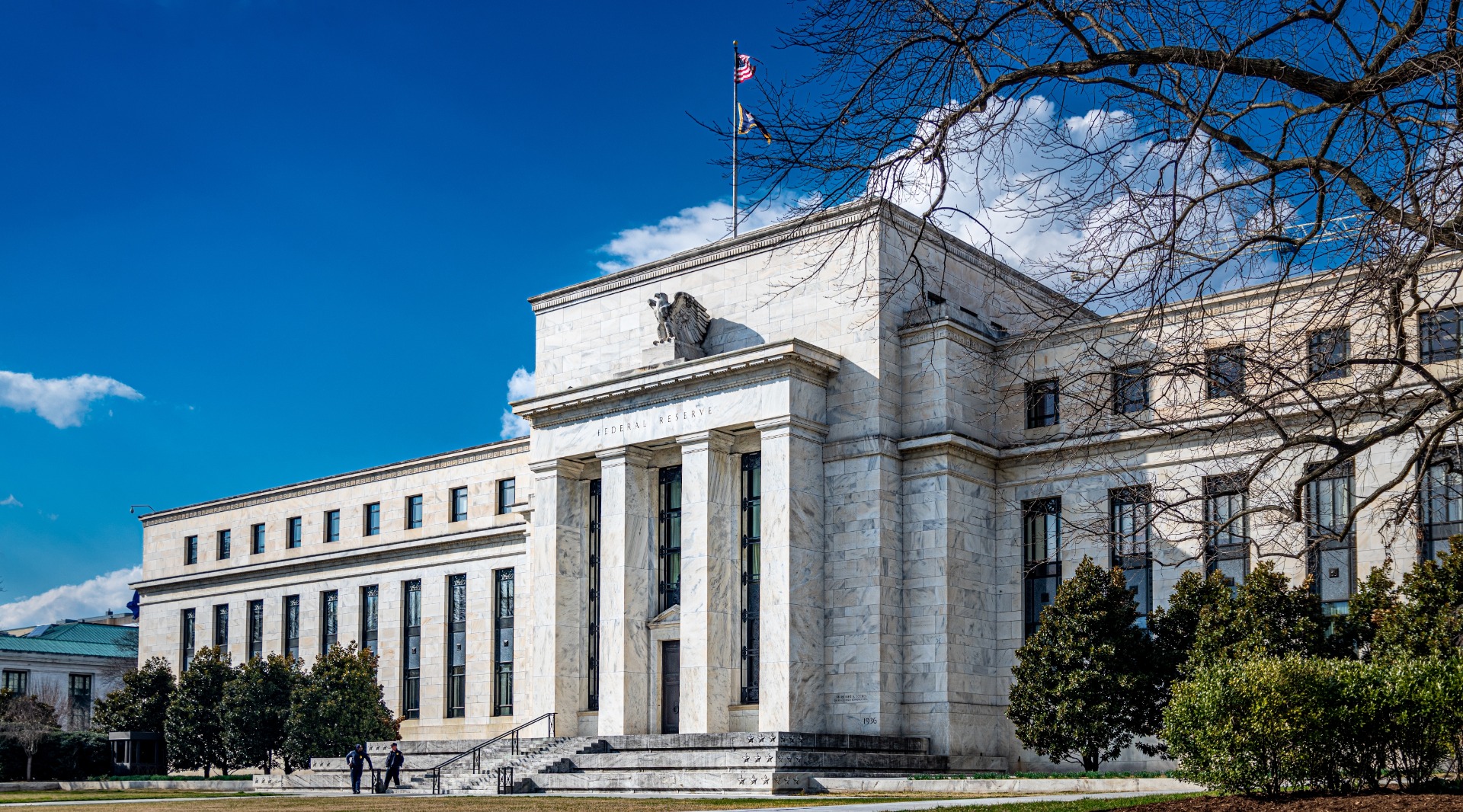
The Federal Reserve building in Washington DC

The U.S. Federal Reserve may be inching toward its most significant shift on crypto access yet. Governor Christopher Waller, speaking at the Fed’s first-ever payments innovation conference, said the central bank must “embrace disruption” as it navigates the rise of digital assets and decentralized finance.

Join stablecoin builders in London at the fmls25

A New Model for Payment Access

Waller proposed creating a “skinny” or limited version of the Fed’s master account, which could give crypto and fintech firms direct, though restricted, access to the U.S. payment rails. These accounts would reportedly enable firms to move money without relying on traditional banks, a long-standing hurdle for the sector.

Source: Federal Reserve's YouTube Channel

“I have asked Federal Reserve staff to explore the idea of what I am calling a payment account,” Waller said. “Today, the Federal Reserve Bank provides access to Master Accounts services to legally eligible entities following our guidelines for evaluating accounts and the services requested.”

The proposed accounts would differ from traditional master accounts in several key ways. They would not earn interest, allow daylight overdrafts, or grant borrowing rights through the Fed’s discount window. Instead, they would provide limited access with balance caps to minimize risk to the Fed’s balance sheet.

Historically, access to master accounts — which enable direct settlement with the central bank- has been tightly guarded. Only federally chartered banks have qualified, with nonbanks facing intense scrutiny. Under the Fed’s current three-tiered system, the highest-risk entities, such as crypto platforms not subject to federal supervision, face the toughest review.

Ripple Effect Across Fintech and DeFi

Waller’s “payment account” proposal would represent a meaningful departure from this framework, opening a potential path for nonbanks and stablecoin issuers to interact more directly with the central bank’s infrastructure.

You may also find interesting: Ripple-Linked Firm Evernorth to Go Public in $1B SPAC Deal Aimed at XRP Purchases

While the idea marks a major shift for the U.S., it is already common in other jurisdictions where nonbanks have partial access to central payment systems. Waller said this reality underscores why the Fed must evolve to remain competitive.

Waller’s comments drew attention from crypto and fintech leaders, including Ripple CEO Brad Garlinghouse, who has previously criticized Wall Street’s resistance to granting such access. Ripple is among the firms seeking a Fed master account, which would allow direct participation in the U.S. payments ecosystem.

For fintech companies and stablecoin issuers, a “payment account” could bridge the gap between innovation and regulation, granting limited but crucial entry into the U.S. financial core.


The U.S. Federal Reserve may be inching toward its most significant shift on crypto access yet. Governor Christopher Waller, speaking at the Fed’s first-ever payments innovation conference, said the central bank must “embrace disruption” as it navigates the rise of digital assets and decentralized finance.

Join stablecoin builders in London at the fmls25

A New Model for Payment Access

Waller proposed creating a “skinny” or limited version of the Fed’s master account, which could give crypto and fintech firms direct, though restricted, access to the U.S. payment rails. These accounts would reportedly enable firms to move money without relying on traditional banks, a long-standing hurdle for the sector.

Source: Federal Reserve's YouTube Channel

“I have asked Federal Reserve staff to explore the idea of what I am calling a payment account,” Waller said. “Today, the Federal Reserve Bank provides access to Master Accounts services to legally eligible entities following our guidelines for evaluating accounts and the services requested.”

The proposed accounts would differ from traditional master accounts in several key ways. They would not earn interest, allow daylight overdrafts, or grant borrowing rights through the Fed’s discount window. Instead, they would provide limited access with balance caps to minimize risk to the Fed’s balance sheet.

Historically, access to master accounts — which enable direct settlement with the central bank- has been tightly guarded. Only federally chartered banks have qualified, with nonbanks facing intense scrutiny. Under the Fed’s current three-tiered system, the highest-risk entities, such as crypto platforms not subject to federal supervision, face the toughest review.

Ripple Effect Across Fintech and DeFi

Waller’s “payment account” proposal would represent a meaningful departure from this framework, opening a potential path for nonbanks and stablecoin issuers to interact more directly with the central bank’s infrastructure.

You may also find interesting: Ripple-Linked Firm Evernorth to Go Public in $1B SPAC Deal Aimed at XRP Purchases

While the idea marks a major shift for the U.S., it is already common in other jurisdictions where nonbanks have partial access to central payment systems. Waller said this reality underscores why the Fed must evolve to remain competitive.

Waller’s comments drew attention from crypto and fintech leaders, including Ripple CEO Brad Garlinghouse, who has previously criticized Wall Street’s resistance to granting such access. Ripple is among the firms seeking a Fed master account, which would allow direct participation in the U.S. payments ecosystem.

For fintech companies and stablecoin issuers, a “payment account” could bridge the gap between innovation and regulation, granting limited but crucial entry into the U.S. financial core.
About the Author: Jared Kirui
Jared Kirui
  • 2456 Articles
  • 50 Followers
Jared is an experienced financial journalist passionate about all things forex and CFDs.

More from the Author

FinTech