UK government in talks with Revolut, Monzo, other fintech unicorns, to encourage IPOs.
London has struggled to retain big tech listings, with firms like ARM choosing NY instead.
Revolut and Monzo remain coy, while Treasury ramps up efforts to make UK more appealing.
The British government is pulling out all the stops to lure fintech IPOs.
As Britain’s IPO drought drags on, the Treasury is trying to charm Revolut,
Monzo, and other fintech darlings into listing in London instead of flying the
fintech coop.
The Courtship of Fintech Royalty
The UK government is rolling out the red carpet—again—for fintech the
crown jewels of fintech. Treasury
officials have reportedly held talks with Revolut and Monzo, ClearScore and
OakNorth in an increasingly desperate effort to keep them in London. The goal?
Convince these unicorns to resist the siren song of New York’s glitz and
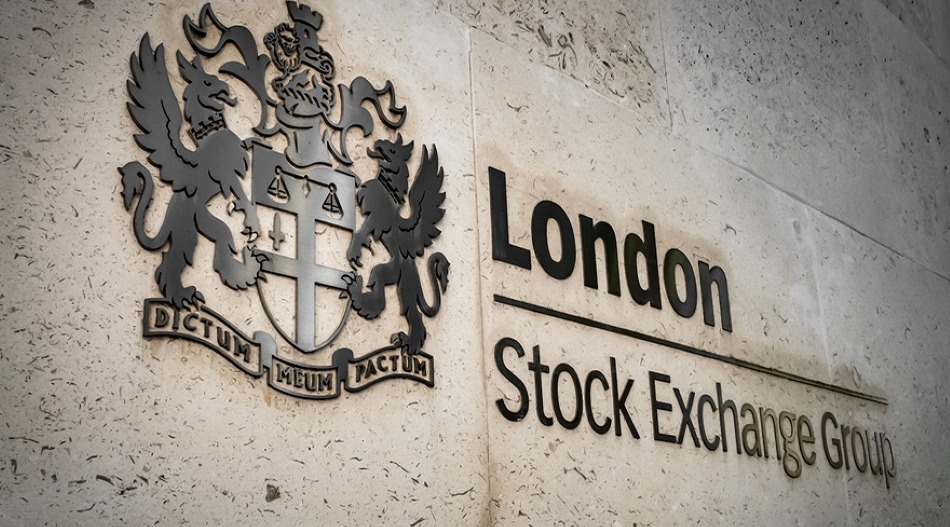
glamour and go public in the humble halls of the London Stock Exchange instead.
While other firms are clearly of interest, it’s Revolut and Monzo, now the UK’s
seventh largest bank, that are the prize.
The Ghost of IPOs Past
This flurry of schmoozing comes as the UK grapples with a prolonged IPO
dry spell. London hasn’t seen a blockbuster tech listing in years, and losing
chip designer ARM to Nasdaq last year still stings like a Brexit hangover.
That listing flop underscored a hard truth: for ambitious tech companies,
London currently lacks the sparkle (and the liquidity) of its U.S. rival.
According to reports, Treasury officials are trying to assure these
companies that the government is committed to making the UK the best place to
grow and list a company. "We are determined to make Britain the best place
in the world to start up, scale up and list. That's why we are cutting red
tape, ensuring businesses can access the capital they need to grow and
supporting the country's most exciting companies to thrive through our
industrial strategy,” said a Treasury spokesperson.
Translation: we’ll bend over
backwards if you promise not to ghost us.
Chancellor Jeremy Hunt
Chancellor Jeremy Hunt has been vocal about this ambition, hinting at
reforms to
make UK capital markets more competitive. Think streamlined regulations,
incentives for tech IPOs, and maybe even a PR makeover for the stodgy old LSE.
But so far, the government’s charm offensive hasn’t sealed the deal.
In any case, neither company appears to have said anything concrete. At
this point, it’s like watching a peacock shaking his tail feathers and making a
lot of noise while his prospective mate picks through the corn.
Will London Win Out?
This is not just about patriotism or PR. For Revolut and Monzo, where
they list is a strategic decision that affects valuation, investor appetite,
and long-term growth. The U.S. markets—despite their volatility—offer deeper
pockets and a more tech-savvy investor base.
Still, there’s a chance. With global regulators cracking down on U.S.
tech giants and geopolitical winds shifting, some firms might see value in listing
in The City. But unless the UK accelerates its reforms—and proves it can offer
more than just polite meetings and tea—the Treasury’s fintech courtship might
end up being just another story of unrequited love.
As Britain’s IPO drought drags on, the Treasury is trying to charm Revolut,
Monzo, and other fintech darlings into listing in London instead of flying the
fintech coop.
The Courtship of Fintech Royalty
The UK government is rolling out the red carpet—again—for fintech the
crown jewels of fintech. Treasury
officials have reportedly held talks with Revolut and Monzo, ClearScore and
OakNorth in an increasingly desperate effort to keep them in London. The goal?
Convince these unicorns to resist the siren song of New York’s glitz and
glamour and go public in the humble halls of the London Stock Exchange instead.
While other firms are clearly of interest, it’s Revolut and Monzo, now the UK’s
seventh largest bank, that are the prize.
The Ghost of IPOs Past
This flurry of schmoozing comes as the UK grapples with a prolonged IPO
dry spell. London hasn’t seen a blockbuster tech listing in years, and losing
chip designer ARM to Nasdaq last year still stings like a Brexit hangover.
That listing flop underscored a hard truth: for ambitious tech companies,
London currently lacks the sparkle (and the liquidity) of its U.S. rival.
According to reports, Treasury officials are trying to assure these
companies that the government is committed to making the UK the best place to
grow and list a company. "We are determined to make Britain the best place
in the world to start up, scale up and list. That's why we are cutting red
tape, ensuring businesses can access the capital they need to grow and
supporting the country's most exciting companies to thrive through our
industrial strategy,” said a Treasury spokesperson.
Translation: we’ll bend over
backwards if you promise not to ghost us.
Chancellor Jeremy Hunt
Chancellor Jeremy Hunt has been vocal about this ambition, hinting at
reforms to
make UK capital markets more competitive. Think streamlined regulations,
incentives for tech IPOs, and maybe even a PR makeover for the stodgy old LSE.
But so far, the government’s charm offensive hasn’t sealed the deal.
In any case, neither company appears to have said anything concrete. At
this point, it’s like watching a peacock shaking his tail feathers and making a
lot of noise while his prospective mate picks through the corn.
Will London Win Out?
This is not just about patriotism or PR. For Revolut and Monzo, where
they list is a strategic decision that affects valuation, investor appetite,
and long-term growth. The U.S. markets—despite their volatility—offer deeper
pockets and a more tech-savvy investor base.
Still, there’s a chance. With global regulators cracking down on U.S.
tech giants and geopolitical winds shifting, some firms might see value in listing
in The City. But unless the UK accelerates its reforms—and proves it can offer
more than just polite meetings and tea—the Treasury’s fintech courtship might
end up being just another story of unrequited love.
Louis Parks has lived and worked in and around the Middle East for much of his professional career. He writes about the meeting of the tech and finance worlds.
Polymarket Replaces Bridged USDC Aiming for a U.S. Relaunch
FP Markets Winner Spotlight 🏆 | Global Broker of the Year 2025 #Trading #Broker #Innovation #Shorts
FP Markets Winner Spotlight 🏆 | Global Broker of the Year 2025 #Trading #Broker #Innovation #Shorts
FP Markets takes the spotlight as Global Broker of the Year 2025 at the Finance Magnates Awards.
Martin Stoilov, Head of Client Experience, shares that trust, innovation, and people played a key role in the company’s success, supported by a strong foundation of integrity and client-centricity.
Following this milestone, FP Markets continues to focus on growth, technology investment, and its core values of transparency and excellence.
👉 Be part of FM Awards 2026: https://awards.financemagnates.com/#nominate
FP Markets takes the spotlight as Global Broker of the Year 2025 at the Finance Magnates Awards.
Martin Stoilov, Head of Client Experience, shares that trust, innovation, and people played a key role in the company’s success, supported by a strong foundation of integrity and client-centricity.
Following this milestone, FP Markets continues to focus on growth, technology investment, and its core values of transparency and excellence.
👉 Be part of FM Awards 2026: https://awards.financemagnates.com/#nominate
In this video, we review @HolaPrimeMarketsOfficial, a multi-asset forex and CFDs broker offering different account types, trading platforms, and flexible trading conditions.
We cover the broker’s overall offering, including account options, trading environment, platforms like MT4 and MT5, and additional services such as managed accounts and fast withdrawals.
Watch the full video to see if Hola Prime Markets fits your trading needs.
📣 Stay up to date with the latest in finance and trading. Follow Finance Magnates for industry news, insights, and global event coverage.
Connect with us:
🔗 LinkedIn: /financemagnates
👍 Facebook: /financemagnates
📸 Instagram: https://www.instagram.com/financemagnates
🐦 X: https://x.com/financemagnates
🎥 TikTok: https://www.tiktok.com/tag/financemagnates
▶️ YouTube: /@financemagnates_official
#HolaPrime #ForexBroker #CFDTrading #FinanceMagnates #Trading #Forex #BrokerReview
In this video, we review @HolaPrimeMarketsOfficial, a multi-asset forex and CFDs broker offering different account types, trading platforms, and flexible trading conditions.
We cover the broker’s overall offering, including account options, trading environment, platforms like MT4 and MT5, and additional services such as managed accounts and fast withdrawals.
Watch the full video to see if Hola Prime Markets fits your trading needs.
📣 Stay up to date with the latest in finance and trading. Follow Finance Magnates for industry news, insights, and global event coverage.
Connect with us:
🔗 LinkedIn: /financemagnates
👍 Facebook: /financemagnates
📸 Instagram: https://www.instagram.com/financemagnates
🐦 X: https://x.com/financemagnates
🎥 TikTok: https://www.tiktok.com/tag/financemagnates
▶️ YouTube: /@financemagnates_official
#HolaPrime #ForexBroker #CFDTrading #FinanceMagnates #Trading #Forex #BrokerReview
Hola Prime Review: What You Need to Know | Full Breakdown by Finance Magnates
Hola Prime Review: What You Need to Know | Full Breakdown by Finance Magnates
In this video, we review @HolaPrime_Global, a proprietary trading firm offering evaluation programs and performance-based payouts in simulated market environments.
We cover how the challenge model works, including account types, profit splits (up to 95%), trading rules, and what it takes to reach a funded account. You’ll also learn about available platforms like MT4, MT5, cTrader, and more, along with insights into payouts, support, and trading conditions.
Watch the full video to see if Hola Prime fits your trading style.
📣 Stay up to date with the latest in finance and trading. Follow Finance Magnates for industry news, insights, and global event coverage.
Connect with us:
🔗 LinkedIn: /financemagnates
👍 Facebook: /financemagnates
📸 Instagram: https://www.instagram.com/financemagnates
🐦 X: https://x.com/financemagnates
🎥 TikTok: https://www.tiktok.com/tag/financemagnates
▶️ YouTube: /@financemagnates_official
#HolaPrime #PropFirm #Trading #FinanceMagnates #Forex #FuturesTrading #TradingReview #PropFirmReview
In this video, we review @HolaPrime_Global, a proprietary trading firm offering evaluation programs and performance-based payouts in simulated market environments.
We cover how the challenge model works, including account types, profit splits (up to 95%), trading rules, and what it takes to reach a funded account. You’ll also learn about available platforms like MT4, MT5, cTrader, and more, along with insights into payouts, support, and trading conditions.
Watch the full video to see if Hola Prime fits your trading style.
📣 Stay up to date with the latest in finance and trading. Follow Finance Magnates for industry news, insights, and global event coverage.
Connect with us:
🔗 LinkedIn: /financemagnates
👍 Facebook: /financemagnates
📸 Instagram: https://www.instagram.com/financemagnates
🐦 X: https://x.com/financemagnates
🎥 TikTok: https://www.tiktok.com/tag/financemagnates
▶️ YouTube: /@financemagnates_official
#HolaPrime #PropFirm #Trading #FinanceMagnates #Forex #FuturesTrading #TradingReview #PropFirmReview
Axi Winner Spotlight 🏆 | Global Most Innovative Broker 2025 #Innovation #Trading #Fintech #Broker
Axi Winner Spotlight 🏆 | Global Most Innovative Broker 2025 #Innovation #Trading #Fintech #Broker
Axi takes the spotlight at the Finance Magnates Awards, winning Global Most Innovative Broker 2025.
Olivia Xenofontos and Ivanna Openko share how the team will feel: proud, motivated, and ready to keep delivering.
They also describe the night as well-organized, focused, and enjoyable for all.
👉 Be part of FM Awards 2026.
Axi takes the spotlight at the Finance Magnates Awards, winning Global Most Innovative Broker 2025.
Olivia Xenofontos and Ivanna Openko share how the team will feel: proud, motivated, and ready to keep delivering.
They also describe the night as well-organized, focused, and enjoyable for all.
👉 Be part of FM Awards 2026.
Recognition that matters.
Built on transparency.
Driven by the industry.
The Finance Magnates Awards 2026.
Nominations are now open.
🔗 https://awards.financemagnates.com/?utm_source=SM&utm_medium=social&utm_campaign=recognition-matters
Recognition that matters.
Built on transparency.
Driven by the industry.
The Finance Magnates Awards 2026.
Nominations are now open.
🔗 https://awards.financemagnates.com/?utm_source=SM&utm_medium=social&utm_campaign=recognition-matters