The development of mobile trading apps is a huge topic in FinTech- read here the three things that must be considered when developing an app.
Mobile is a huge topic in FinTech. The development of mobile trading apps is all the rage these days and a broker looking to offer mobile trading to its customers should make certain considerations. There is a lot that comes into play when developing an app, and a lot of it applies to every industry, so in this article, we’ll focus on issues that pertain specifically to the FinTech industry.
We’ve asked Leverate’s Mobile Product Manager, what some of these considerations should be and he’s summarized them in three basic truths:
Apple vs Android
As a mobile product manager, you may have your preferences between developing for Android and developing for Apple. Just as some people may like burgers and others hot dogs, snow or beach, woods or city… as long as we humans have options, we will have preferences, but no matter how much we love or hate Apple or Android, tech providers in the financial industry must develop for both if we want to remain competitive. So what are the main differences between the two operating systems from the perspective of a tech provider in the financial industry?
Well, Apple is characterized for being user friendly, whereas Android is developer friendly, so guidelines and regulations set by Apple are significantly more extensive than those set by Android. As a white label tech provider, Android allows us to submit app requirements on behalf of our clients for approval, whereas Apple requires each individual client to submit their application separately. This makes the process more involved, more time consuming and often more expensive.
So you have a great app and you want people to download it? Google Play won’t work. In order to distribute an Android app, tech providers have to give brokers the .apk file to place either on the brokerage’s website so traders can download the app from there or on local online stores, such as Baidu. Notification services from GCM (Google) won’t work either, so how’s a brokerage working the Chinese market supposed to contact its clients? Depending on the region and the service carrier, a broker needs to contract with various ISPs or an intermediary messenger between broker and trader to get their notifications delivered.
When contracting with a carrier, a broker must make sure that the company has messaging distribution both in the North and South, as these are often considered separate states, as well as distribution for 1st and 2nd tier regions. How about analyzing your online/mobile media strategy? Nope. Google analytics won’t work and this is a problem both for Apple and Android as they both rely on the same source of data. We’ve been successful at measuring our exposure using Mix Panel.
So many versions, so little time
Developing for Apple is somewhat easy. Apple develops both the hardware and the software, thus limiting the options. Android however, has variety to spare. First comes the fact that Android devices operate on software made by Google and hardware made by several manufacturers, so the variety of resolutions, screen sizes and operating systems is immense. In addition, Apple is a brand of early adopters. 93% of Apple users have one of the latest two versions of iOS, whereas Android’s latest version, Marshmallow, is being used by a mere 0.7% of users, several months after its release.
Having this in mind, backwards compatibility is required when developing for Android, not so much for Apple.
Another issue when developing for Android is the wide spectrum of quality there is in their devices. Quality affects an app’s animations, functionality, resolution and general capabilities. As a tech provider, one thing we never compromise on is connectivity, so for Android, we consider UI when making decisions about what to offer to each specific market.
Brokers who offer their services in developing nations for example, should realize that most devices available in these markets are lower-end devices, with lower capabilities, and should develop accordingly. In general, we develop our apps to accommodate the equivalent of a Galaxy S3, this way we know we are accommodating most of our client’s traders, while still being able to bring innovation into our systems.
A good example of this compromise is left-to-right support. Apple launched this and it is superb for our clients who have traders in say UAE, however, some Android phones don’t support it so flawlessly, so we need to manually adjust our apps to support our client’s businesses.
Android adoption
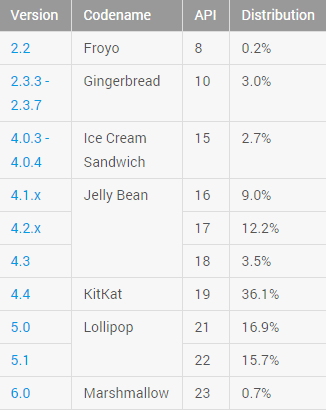
Android adoption
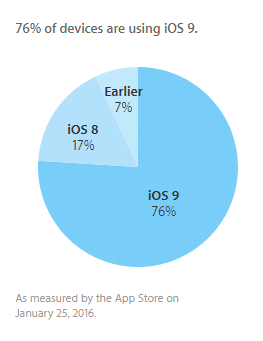
Leverate’s platform on Android
Mobile is a huge topic in FinTech. The development of mobile trading apps is all the rage these days and a broker looking to offer mobile trading to its customers should make certain considerations. There is a lot that comes into play when developing an app, and a lot of it applies to every industry, so in this article, we’ll focus on issues that pertain specifically to the FinTech industry.
We’ve asked Leverate’s Mobile Product Manager, what some of these considerations should be and he’s summarized them in three basic truths:
Apple vs Android
As a mobile product manager, you may have your preferences between developing for Android and developing for Apple. Just as some people may like burgers and others hot dogs, snow or beach, woods or city… as long as we humans have options, we will have preferences, but no matter how much we love or hate Apple or Android, tech providers in the financial industry must develop for both if we want to remain competitive. So what are the main differences between the two operating systems from the perspective of a tech provider in the financial industry?
Well, Apple is characterized for being user friendly, whereas Android is developer friendly, so guidelines and regulations set by Apple are significantly more extensive than those set by Android. As a white label tech provider, Android allows us to submit app requirements on behalf of our clients for approval, whereas Apple requires each individual client to submit their application separately. This makes the process more involved, more time consuming and often more expensive.
So you have a great app and you want people to download it? Google Play won’t work. In order to distribute an Android app, tech providers have to give brokers the .apk file to place either on the brokerage’s website so traders can download the app from there or on local online stores, such as Baidu. Notification services from GCM (Google) won’t work either, so how’s a brokerage working the Chinese market supposed to contact its clients? Depending on the region and the service carrier, a broker needs to contract with various ISPs or an intermediary messenger between broker and trader to get their notifications delivered.
When contracting with a carrier, a broker must make sure that the company has messaging distribution both in the North and South, as these are often considered separate states, as well as distribution for 1st and 2nd tier regions. How about analyzing your online/mobile media strategy? Nope. Google analytics won’t work and this is a problem both for Apple and Android as they both rely on the same source of data. We’ve been successful at measuring our exposure using Mix Panel.
So many versions, so little time
Developing for Apple is somewhat easy. Apple develops both the hardware and the software, thus limiting the options. Android however, has variety to spare. First comes the fact that Android devices operate on software made by Google and hardware made by several manufacturers, so the variety of resolutions, screen sizes and operating systems is immense. In addition, Apple is a brand of early adopters. 93% of Apple users have one of the latest two versions of iOS, whereas Android’s latest version, Marshmallow, is being used by a mere 0.7% of users, several months after its release.
Having this in mind, backwards compatibility is required when developing for Android, not so much for Apple.
Another issue when developing for Android is the wide spectrum of quality there is in their devices. Quality affects an app’s animations, functionality, resolution and general capabilities. As a tech provider, one thing we never compromise on is connectivity, so for Android, we consider UI when making decisions about what to offer to each specific market.
Brokers who offer their services in developing nations for example, should realize that most devices available in these markets are lower-end devices, with lower capabilities, and should develop accordingly. In general, we develop our apps to accommodate the equivalent of a Galaxy S3, this way we know we are accommodating most of our client’s traders, while still being able to bring innovation into our systems.
A good example of this compromise is left-to-right support. Apple launched this and it is superb for our clients who have traders in say UAE, however, some Android phones don’t support it so flawlessly, so we need to manually adjust our apps to support our client’s businesses.
Yael Warman is a creative writer with a strong background in marketing and advertising. Yael has been a writer for over 10 years and has worked for clients in various industries as well as her own companies and is currently the Content Manager at Leverate. Yael Warman is a creative writer with a strong background in marketing and advertising. Yael has been a writer for over 10 years and has worked for clients in various industries as well as her own companies and is currently the Content Manager at Leverate.
Finseta Swings to Full-Year Loss as Expansion Costs Outrun Revenue Growth
Featured Videos
FM Daily Brief – 9 June 2026
Today’s Tuesday, the 9th of June 2026, and these are our main stories: eToro’s customer assets climbed back above $20 billion, Prop trading model in prediction markets, and Leverate launched a new AI assistant for brokers and traders.
War Stories: Lessons from 20 Years in Markets (the pain, the pitfalls and the profits)
The trades that taught me the most aren't the ones that worked. They're the ones that didn't — or the ones I almost caught and didn't have the nerve to ride. In this session, I'll tell you about the Brexit miss, the SNB shocker that nearly handed me a 5400% return, the BoJ surprise that punched me in the gut, and a few wins along the way. Each story carries a lesson, but the lessons aren't the point. Everyone who trades long enough collects a portfolio of moments like these; what separates the people who stay in the game is what they do with them.
The Engine and the Fuel: How AI & Data Drives African Future
If AI is the engine, data is the fuel. Without quality, accessible data, AI cannot work well; and without the right mindset, data remains just numbers instead of insight. In this session, leading experts will explore how AI and data are democratizing opportunities for businesses and personal growth. Discover practical ways to make AI accessible today, anticipate its transformative impact on African markets, and learn actionable steps to prepare for what's next. Let's talk about:
-How AI and data drive business efficiency and innovation in trading and fintech
-AI tools to elevate trading or business strategies
-How to access and maximise the power of data and AI
-Emerging AI and data trends in Africa and their economic ripple effects
If AI is the engine, data is the fuel. Without quality, accessible data, AI cannot work well; and without the right mindset, data remains just numbers instead of insight. In this session, leading experts will explore how AI and data are democratizing opportunities for businesses and personal growth. Discover practical ways to make AI accessible today, anticipate its transformative impact on African markets, and learn actionable steps to prepare for what's next. Let's talk about:
-How AI and data drive business efficiency and innovation in trading and fintech
-AI tools to elevate trading or business strategies
-How to access and maximise the power of data and AI
-Emerging AI and data trends in Africa and their economic ripple effects
If AI is the engine, data is the fuel. Without quality, accessible data, AI cannot work well; and without the right mindset, data remains just numbers instead of insight. In this session, leading experts will explore how AI and data are democratizing opportunities for businesses and personal growth. Discover practical ways to make AI accessible today, anticipate its transformative impact on African markets, and learn actionable steps to prepare for what's next. Let's talk about:
-How AI and data drive business efficiency and innovation in trading and fintech
-AI tools to elevate trading or business strategies
-How to access and maximise the power of data and AI
-Emerging AI and data trends in Africa and their economic ripple effects
If AI is the engine, data is the fuel. Without quality, accessible data, AI cannot work well; and without the right mindset, data remains just numbers instead of insight. In this session, leading experts will explore how AI and data are democratizing opportunities for businesses and personal growth. Discover practical ways to make AI accessible today, anticipate its transformative impact on African markets, and learn actionable steps to prepare for what's next. Let's talk about:
-How AI and data drive business efficiency and innovation in trading and fintech
-AI tools to elevate trading or business strategies
-How to access and maximise the power of data and AI
-Emerging AI and data trends in Africa and their economic ripple effects
If AI is the engine, data is the fuel. Without quality, accessible data, AI cannot work well; and without the right mindset, data remains just numbers instead of insight. In this session, leading experts will explore how AI and data are democratizing opportunities for businesses and personal growth. Discover practical ways to make AI accessible today, anticipate its transformative impact on African markets, and learn actionable steps to prepare for what's next. Let's talk about:
-How AI and data drive business efficiency and innovation in trading and fintech
-AI tools to elevate trading or business strategies
-How to access and maximise the power of data and AI
-Emerging AI and data trends in Africa and their economic ripple effects
If AI is the engine, data is the fuel. Without quality, accessible data, AI cannot work well; and without the right mindset, data remains just numbers instead of insight. In this session, leading experts will explore how AI and data are democratizing opportunities for businesses and personal growth. Discover practical ways to make AI accessible today, anticipate its transformative impact on African markets, and learn actionable steps to prepare for what's next. Let's talk about:
-How AI and data drive business efficiency and innovation in trading and fintech
-AI tools to elevate trading or business strategies
-How to access and maximise the power of data and AI
-Emerging AI and data trends in Africa and their economic ripple effects
Inside My Best Trade with Jimmy Moyaha
Most market post-mortems describe what happened to prices. Few describe what happened in the trading room while the position was open: the entry conviction, the moments that tested it, and the exit decision that closed the book.
This session brings one seasoned trader to the stage for an unfiltered account of the position that still defines how they think about markets.
Attendees will walk away with:
-A first-hand account of how a conviction trade is built, from thesis and entry through position management and exit
-Understanding of what turns a market observation into a live position, and what holds it when conditions shift
-Insight into how timing, execution quality, and market structure shaped the final result
-Perspective on what the trade revealed about edge, risk tolerance, and when to hold through a position moving against you
-Clarity on what separates a well-built trade from a well-timed one
Most market post-mortems describe what happened to prices. Few describe what happened in the trading room while the position was open: the entry conviction, the moments that tested it, and the exit decision that closed the book.
This session brings one seasoned trader to the stage for an unfiltered account of the position that still defines how they think about markets.
Attendees will walk away with:
-A first-hand account of how a conviction trade is built, from thesis and entry through position management and exit
-Understanding of what turns a market observation into a live position, and what holds it when conditions shift
-Insight into how timing, execution quality, and market structure shaped the final result
-Perspective on what the trade revealed about edge, risk tolerance, and when to hold through a position moving against you
-Clarity on what separates a well-built trade from a well-timed one
Most market post-mortems describe what happened to prices. Few describe what happened in the trading room while the position was open: the entry conviction, the moments that tested it, and the exit decision that closed the book.
This session brings one seasoned trader to the stage for an unfiltered account of the position that still defines how they think about markets.
Attendees will walk away with:
-A first-hand account of how a conviction trade is built, from thesis and entry through position management and exit
-Understanding of what turns a market observation into a live position, and what holds it when conditions shift
-Insight into how timing, execution quality, and market structure shaped the final result
-Perspective on what the trade revealed about edge, risk tolerance, and when to hold through a position moving against you
-Clarity on what separates a well-built trade from a well-timed one
Most market post-mortems describe what happened to prices. Few describe what happened in the trading room while the position was open: the entry conviction, the moments that tested it, and the exit decision that closed the book.
This session brings one seasoned trader to the stage for an unfiltered account of the position that still defines how they think about markets.
Attendees will walk away with:
-A first-hand account of how a conviction trade is built, from thesis and entry through position management and exit
-Understanding of what turns a market observation into a live position, and what holds it when conditions shift
-Insight into how timing, execution quality, and market structure shaped the final result
-Perspective on what the trade revealed about edge, risk tolerance, and when to hold through a position moving against you
-Clarity on what separates a well-built trade from a well-timed one
Most market post-mortems describe what happened to prices. Few describe what happened in the trading room while the position was open: the entry conviction, the moments that tested it, and the exit decision that closed the book.
This session brings one seasoned trader to the stage for an unfiltered account of the position that still defines how they think about markets.
Attendees will walk away with:
-A first-hand account of how a conviction trade is built, from thesis and entry through position management and exit
-Understanding of what turns a market observation into a live position, and what holds it when conditions shift
-Insight into how timing, execution quality, and market structure shaped the final result
-Perspective on what the trade revealed about edge, risk tolerance, and when to hold through a position moving against you
-Clarity on what separates a well-built trade from a well-timed one
Most market post-mortems describe what happened to prices. Few describe what happened in the trading room while the position was open: the entry conviction, the moments that tested it, and the exit decision that closed the book.
This session brings one seasoned trader to the stage for an unfiltered account of the position that still defines how they think about markets.
Attendees will walk away with:
-A first-hand account of how a conviction trade is built, from thesis and entry through position management and exit
-Understanding of what turns a market observation into a live position, and what holds it when conditions shift
-Insight into how timing, execution quality, and market structure shaped the final result
-Perspective on what the trade revealed about edge, risk tolerance, and when to hold through a position moving against you
-Clarity on what separates a well-built trade from a well-timed one
Agentic Inequality: Democratizing Financial Access Through AI & Blockchain
As crypto and CFD trading continue to expand across Africa, access to advanced tools and market insights remains uneven. This session explores how AI and blockchain can bridge that gap by empowering informal traders and underserved communities to participate more effectively in digital financial markets. The discussion will focus on practical applications of technology to improve accessibility, education, and investment outcomes in both formal and informal sectors.
In this discussion, we will explore:
-The role of AI in democratizing access to trading tools, insights, and strategy development
-How crypto and blockchain can enable broader participation beyond traditional financial systems
-Addressing access barriers: infrastructure, education, and affordability in underserved communities
-Opportunities for brokers and platforms to tap into the informal trading economy
As crypto and CFD trading continue to expand across Africa, access to advanced tools and market insights remains uneven. This session explores how AI and blockchain can bridge that gap by empowering informal traders and underserved communities to participate more effectively in digital financial markets. The discussion will focus on practical applications of technology to improve accessibility, education, and investment outcomes in both formal and informal sectors.
In this discussion, we will explore:
-The role of AI in democratizing access to trading tools, insights, and strategy development
-How crypto and blockchain can enable broader participation beyond traditional financial systems
-Addressing access barriers: infrastructure, education, and affordability in underserved communities
-Opportunities for brokers and platforms to tap into the informal trading economy
As crypto and CFD trading continue to expand across Africa, access to advanced tools and market insights remains uneven. This session explores how AI and blockchain can bridge that gap by empowering informal traders and underserved communities to participate more effectively in digital financial markets. The discussion will focus on practical applications of technology to improve accessibility, education, and investment outcomes in both formal and informal sectors.
In this discussion, we will explore:
-The role of AI in democratizing access to trading tools, insights, and strategy development
-How crypto and blockchain can enable broader participation beyond traditional financial systems
-Addressing access barriers: infrastructure, education, and affordability in underserved communities
-Opportunities for brokers and platforms to tap into the informal trading economy
As crypto and CFD trading continue to expand across Africa, access to advanced tools and market insights remains uneven. This session explores how AI and blockchain can bridge that gap by empowering informal traders and underserved communities to participate more effectively in digital financial markets. The discussion will focus on practical applications of technology to improve accessibility, education, and investment outcomes in both formal and informal sectors.
In this discussion, we will explore:
-The role of AI in democratizing access to trading tools, insights, and strategy development
-How crypto and blockchain can enable broader participation beyond traditional financial systems
-Addressing access barriers: infrastructure, education, and affordability in underserved communities
-Opportunities for brokers and platforms to tap into the informal trading economy
As crypto and CFD trading continue to expand across Africa, access to advanced tools and market insights remains uneven. This session explores how AI and blockchain can bridge that gap by empowering informal traders and underserved communities to participate more effectively in digital financial markets. The discussion will focus on practical applications of technology to improve accessibility, education, and investment outcomes in both formal and informal sectors.
In this discussion, we will explore:
-The role of AI in democratizing access to trading tools, insights, and strategy development
-How crypto and blockchain can enable broader participation beyond traditional financial systems
-Addressing access barriers: infrastructure, education, and affordability in underserved communities
-Opportunities for brokers and platforms to tap into the informal trading economy
As crypto and CFD trading continue to expand across Africa, access to advanced tools and market insights remains uneven. This session explores how AI and blockchain can bridge that gap by empowering informal traders and underserved communities to participate more effectively in digital financial markets. The discussion will focus on practical applications of technology to improve accessibility, education, and investment outcomes in both formal and informal sectors.
In this discussion, we will explore:
-The role of AI in democratizing access to trading tools, insights, and strategy development
-How crypto and blockchain can enable broader participation beyond traditional financial systems
-Addressing access barriers: infrastructure, education, and affordability in underserved communities
-Opportunities for brokers and platforms to tap into the informal trading economy