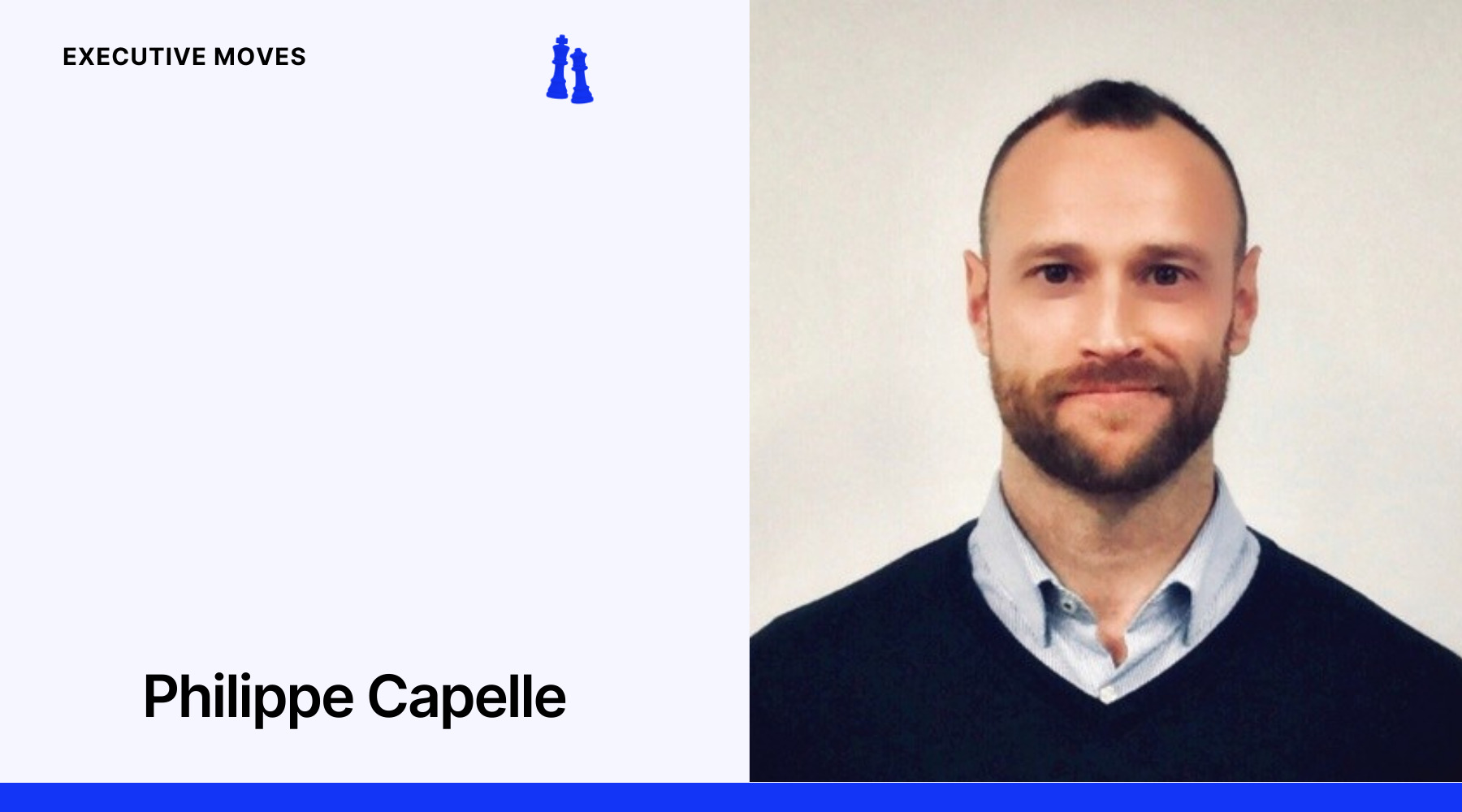
Philippe Capelle has joined Trade Nation as Chief Marketing Officer. He shared the update in a post on LinkedIn.
The appointment comes as Trade Nation continues to build its senior management team. In recent months, the company has added several executives with previous experience at IG Group.
These include Kypros Zoumidou, who joined as Managing Director, and Chief Executive Officer Jon Noble. Both previously held senior roles at the London-listed broker. Zoumidou later served as Chief Executive Officer of Capital.com.
Former Wirex Marketing Chief Joins Trade Nation
Before joining Trade Nation, Capelle worked at Wirex. He served as Chief Marketing Officer for more than two years. The role was based in London and followed a hybrid working model.
- OneRoyal Taps Former Tickmill and Doo Prime Executive as Chief Marketing Officer
- Former IG and OvalX Executive Takes CEO Role at Savings Platform
- CFI Becomes “First Investment Platform” in Bahrain to Use eKey for Biometric Onboarding
Prior to Wirex, he was Marketing Director at Novakid Inc. He held the position for around one year and six months.
Marketing Roles Across Sky, Dyson, Fintech
Earlier in his career, Capelle worked at Sky. He served as Head of Marketing for more than a year. He then joined Dyson, where he held the same title for roughly eight months.
His professional background includes senior marketing roles across fintech , education technology, media, and consumer electronics.
Trade Nation Reports Return to Profitability
Trade Nation operates a global brokerage business with licensed entities in the UK, Australia, the Bahamas, South Africa, and Seychelles. The company also maintains a public presence through a sponsorship arrangement with English Premier League club Aston Villa FC.
In its UK operations, Trade Nation reported a net profit of £996,766 for the financial year ended 30 November 2024, a reversal from the prior year’s net loss of £2.2 million. Revenue increased to £21.7 million from £13.4 million, while gross profit rose to £18.1 million. Operating profit reached £636,136, up from a previous operating loss of £2.6 million.
Several factors contributed to the improved performance, including controlled administrative expenses, higher interest income, and the absence of hedging losses, which had totalled £3 million in the previous year. The company’s tax charge also fell significantly, supporting the improved bottom line.