Financial and Business News

“The Opportunity in Vietnam Is Not the Same as in Thailand or the Philippines”

Monday, 10/11/2025 | 10:26 GMT by Arnab Shome
  • Wei Qiang Zhang, MD of ATFX Connect, and Siju Daniel, ATFX’s CCO, spoke with FinanceMagnates.com about localisation, institutional offerings, prop trading, and more.
  • “We aim to build a platform that aggregates all the flows and liquidity providers into one place for our clients.”
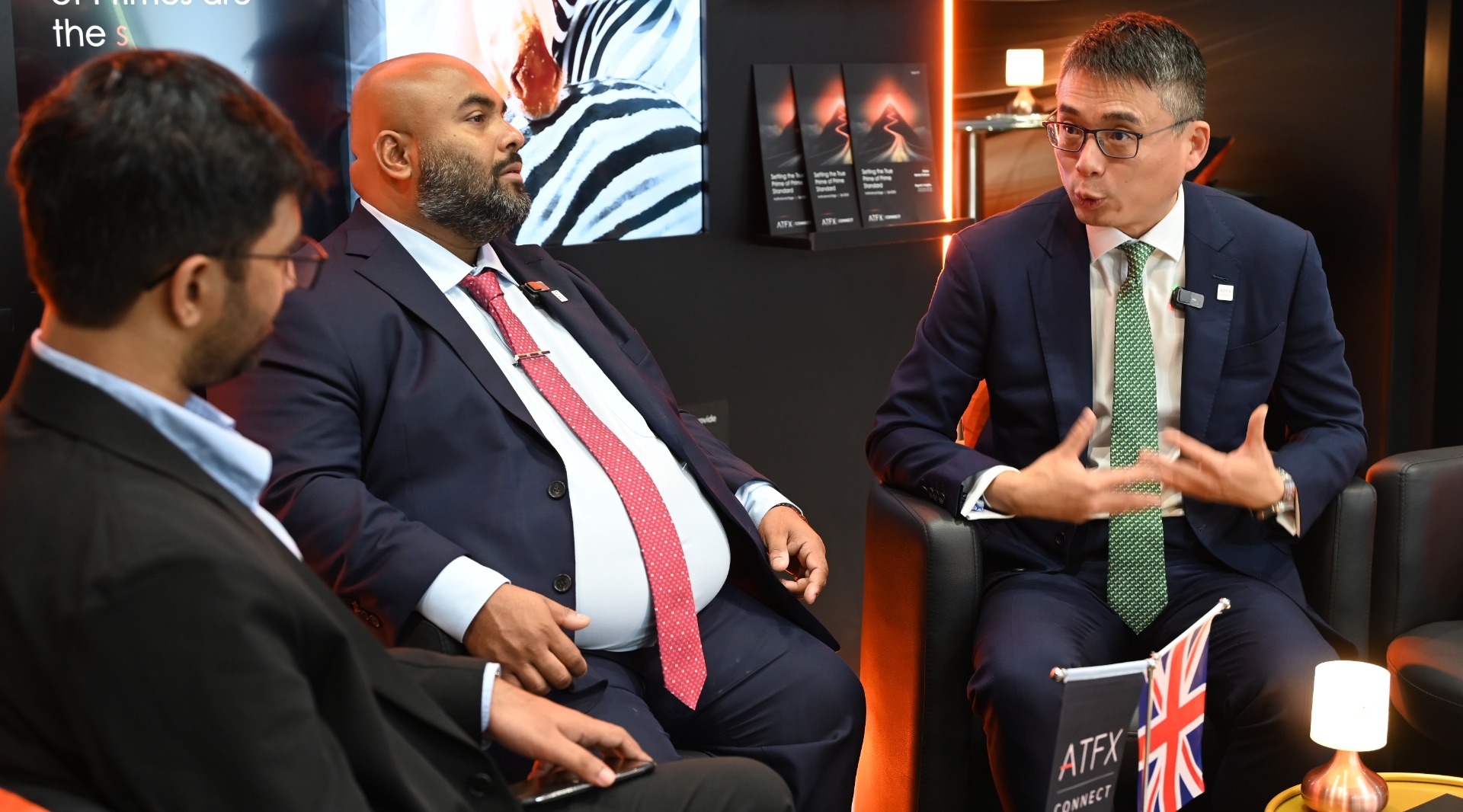
Wei Zhang, MD of ATFX Connect, and Siju Daniel, ATFX’s CCO, talking to Finance Magnates at iFX
Wei Zhang, MD, ATFX Connect (R); Siju Daniel, CCO, ATFX (L), talking to Finance Magnates at iFX HK

“We’re sitting here today in Hong Kong, but Asia is a whole continent with very different markets,” Siju Daniel, ATFX’s Chief Commercial Officer said when talking to FinanceMagnates.com during iFX Hong Kong. While Daniel handles the retail side of ATFX, localisation is also a focus of the group's institutional business, as Wei Qiang Zhang, Managing Director of ATFX Connect, added: “As a group, we have 24 offices worldwide, and Connect itself operates in nine of those locations… We truly understand the local markets.”

Join IG, CMC, and Robinhood at London’s leading trading industry event!

Strategically positioned near the central entrance at the iFX Hong Kong's expo floor, the crowded ATFX booth also highlighted its global presence.

“Asia Is a Whole Continent with Very Different Markets”

“I think localisation is absolutely key in this business,” Daniel added, as the two ATFX executives spoke. “We always say we operate globally but connect locally.”

He further pointed out that an AI-translated website does not mean localisation – it involves deep upstanding the behaviours of the markets. “The opportunity in Vietnam is not the same as in Thailand or the Philippines,” Daniel said. “So while we’re not just talking about prime brokerage services here, ATFX as a company operates globally for a reason.”

“That’s exactly why it’s not easy to do – and it’s part of the moat in our business.”

A “True Prime Broker”

Zhang, who handles the institutional business of ATFX, is also very vocal about the true meaning of prime services. According to him, a “true prime broker must first have a proper clearing or prime broker bank. Without that foundation, you can’t really provide the right level of service to clients who need credit or access to institutional-grade markets.”

“A prime broker should help clients who want to step up their trading game by giving them direct access to real market liquidity and proper support – not just rebrand themselves as a wholesale liquidity provider,” he explained.

ATFX entered the prime brokerage market in 2018. “Our goal isn’t to be a simple market maker,” Zhang said. “We aim to build a platform that aggregates all the flows and liquidity providers into one place for our clients.”

Interestingly, many other retail brokers have entered the institutional space in recent years.

“I think our industry has always worked in cycles,” Zhang added. “There’s always a movement where retail brokers try to go institutional, and institutional brokers try to move into retail. It’s nothing new to me. I see it more as an opportunity for brokers to broaden their business models rather than a brand-new trend.”

The implementation of artificial intelligence (AI)-centric services has been another talking point in the industry. Brokers on both the retail and institutional sides have been adding AI-powered solutions.

“We don’t necessarily promote the idea of ‘AI thinking’ in that sense,” said Daniel. “Honestly, on the retail side of our business, we use AI in a variety of ways. The most visible customer touchpoint is in client servicing and chat support.”

“That’s Guaranteed to Fail”

Launching prop trading services is another trend the brokerage industry is dealing with. Many brokers, including ATFX, now offer prop trading to retail clients. ATFX offers prop under the ATFunded brand, which is headed by Joshua Dentrinos.

While there are many broker-backed prop firms now, many standalone prop platforms are struggling with operations and even shutting down. FinanceMagnates.com earlier reported that around 80 to 100 prop brands shuttered in 2024.

According to Daniel, who is also involved with ATFX’s prop business, “The number one reason” for the closure of prop brands is “undercapitalisation.”

“A range of services emerged to help people start their own prop firms with as little as $10,000 – or even $5,000,” Daniel pointed out. “That’s guaranteed to fail.”

He believes that prop firms need “at least half a million dollars – or more – to ensure there’s enough capital to get the right technology, systems to detect abuse, software for monitoring, risk management tools, and sufficient reserves for payouts.”

“The problem is that many people entered the prop trading space without realising how sophisticated their end customers were” he stressed. “When the number of challenges sold is far less than the payouts owed, the firm quickly collapses.”

Zhang also added that “prop traders have become much smarter and more professional. They know exactly how to challenge the system and find ways to game whatever structure you put in place.”
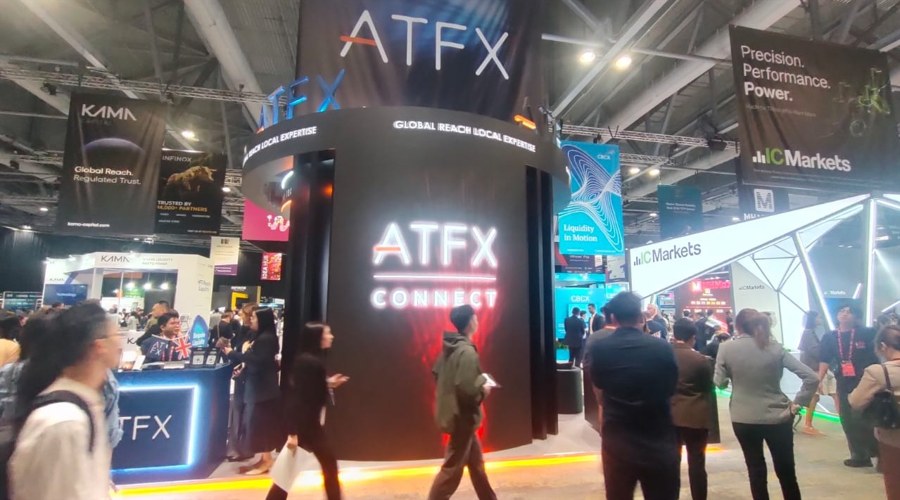
ATFX booth at iFX Hong Kong

Indeed, the entire prop industry is struggling to fight such coordinated trading practices.

Pointing to ATFX’s attempt to tackle such risks, Daniel said: “There are already many sophisticated systems designed to detect such behaviour. We have our own in-house systems that we rely on, and we also work with a third-party vendor offering similar capabilities. By combining our internal technology with external solutions, we’re confident that we can identify and address these issues much earlier in the process.”

Additionally, risk management has become a hot topic in prop trading – or rather, as Daniel described it, “a very relevant topic.” He further pointed out that A-booking everything would “simply not work” in prop trading and would be “a guaranteed path to failure.”

“We’re sitting here today in Hong Kong, but Asia is a whole continent with very different markets,” Siju Daniel, ATFX’s Chief Commercial Officer said when talking to FinanceMagnates.com during iFX Hong Kong. While Daniel handles the retail side of ATFX, localisation is also a focus of the group's institutional business, as Wei Qiang Zhang, Managing Director of ATFX Connect, added: “As a group, we have 24 offices worldwide, and Connect itself operates in nine of those locations… We truly understand the local markets.”

Join IG, CMC, and Robinhood at London’s leading trading industry event!

Strategically positioned near the central entrance at the iFX Hong Kong's expo floor, the crowded ATFX booth also highlighted its global presence.

“Asia Is a Whole Continent with Very Different Markets”

“I think localisation is absolutely key in this business,” Daniel added, as the two ATFX executives spoke. “We always say we operate globally but connect locally.”

He further pointed out that an AI-translated website does not mean localisation – it involves deep upstanding the behaviours of the markets. “The opportunity in Vietnam is not the same as in Thailand or the Philippines,” Daniel said. “So while we’re not just talking about prime brokerage services here, ATFX as a company operates globally for a reason.”

“That’s exactly why it’s not easy to do – and it’s part of the moat in our business.”

A “True Prime Broker”

Zhang, who handles the institutional business of ATFX, is also very vocal about the true meaning of prime services. According to him, a “true prime broker must first have a proper clearing or prime broker bank. Without that foundation, you can’t really provide the right level of service to clients who need credit or access to institutional-grade markets.”

“A prime broker should help clients who want to step up their trading game by giving them direct access to real market liquidity and proper support – not just rebrand themselves as a wholesale liquidity provider,” he explained.

ATFX entered the prime brokerage market in 2018. “Our goal isn’t to be a simple market maker,” Zhang said. “We aim to build a platform that aggregates all the flows and liquidity providers into one place for our clients.”

Interestingly, many other retail brokers have entered the institutional space in recent years.

“I think our industry has always worked in cycles,” Zhang added. “There’s always a movement where retail brokers try to go institutional, and institutional brokers try to move into retail. It’s nothing new to me. I see it more as an opportunity for brokers to broaden their business models rather than a brand-new trend.”

The implementation of artificial intelligence (AI)-centric services has been another talking point in the industry. Brokers on both the retail and institutional sides have been adding AI-powered solutions.

“We don’t necessarily promote the idea of ‘AI thinking’ in that sense,” said Daniel. “Honestly, on the retail side of our business, we use AI in a variety of ways. The most visible customer touchpoint is in client servicing and chat support.”

“That’s Guaranteed to Fail”

Launching prop trading services is another trend the brokerage industry is dealing with. Many brokers, including ATFX, now offer prop trading to retail clients. ATFX offers prop under the ATFunded brand, which is headed by Joshua Dentrinos.

While there are many broker-backed prop firms now, many standalone prop platforms are struggling with operations and even shutting down. FinanceMagnates.com earlier reported that around 80 to 100 prop brands shuttered in 2024.

According to Daniel, who is also involved with ATFX’s prop business, “The number one reason” for the closure of prop brands is “undercapitalisation.”

“A range of services emerged to help people start their own prop firms with as little as $10,000 – or even $5,000,” Daniel pointed out. “That’s guaranteed to fail.”

He believes that prop firms need “at least half a million dollars – or more – to ensure there’s enough capital to get the right technology, systems to detect abuse, software for monitoring, risk management tools, and sufficient reserves for payouts.”

“The problem is that many people entered the prop trading space without realising how sophisticated their end customers were” he stressed. “When the number of challenges sold is far less than the payouts owed, the firm quickly collapses.”

Zhang also added that “prop traders have become much smarter and more professional. They know exactly how to challenge the system and find ways to game whatever structure you put in place.”

ATFX booth at iFX Hong Kong

Indeed, the entire prop industry is struggling to fight such coordinated trading practices.

Pointing to ATFX’s attempt to tackle such risks, Daniel said: “There are already many sophisticated systems designed to detect such behaviour. We have our own in-house systems that we rely on, and we also work with a third-party vendor offering similar capabilities. By combining our internal technology with external solutions, we’re confident that we can identify and address these issues much earlier in the process.”

Additionally, risk management has become a hot topic in prop trading – or rather, as Daniel described it, “a very relevant topic.” He further pointed out that A-booking everything would “simply not work” in prop trading and would be “a guaranteed path to failure.”

About the Author: Arnab Shome
Arnab Shome
  • 7210 Articles
  • 130 Followers
Arnab is an electronics engineer-turned-financial editor. He entered the industry covering the cryptocurrency market for Finance Magnates and later expanded his reach to forex as well. He is passionate about the changing regulatory landscape on financial markets and keenly follows the disruptions in the industry with new-age technologies.

More from the Author

Executives