The Federal Reserve has withdrawn two rules that previously required banks to notify in advance of any crypto or stablecoin activities.
The first rule, issued in 2022, focused on crypto-assets, while the second, introduced in 2023, centred on stablecoins.
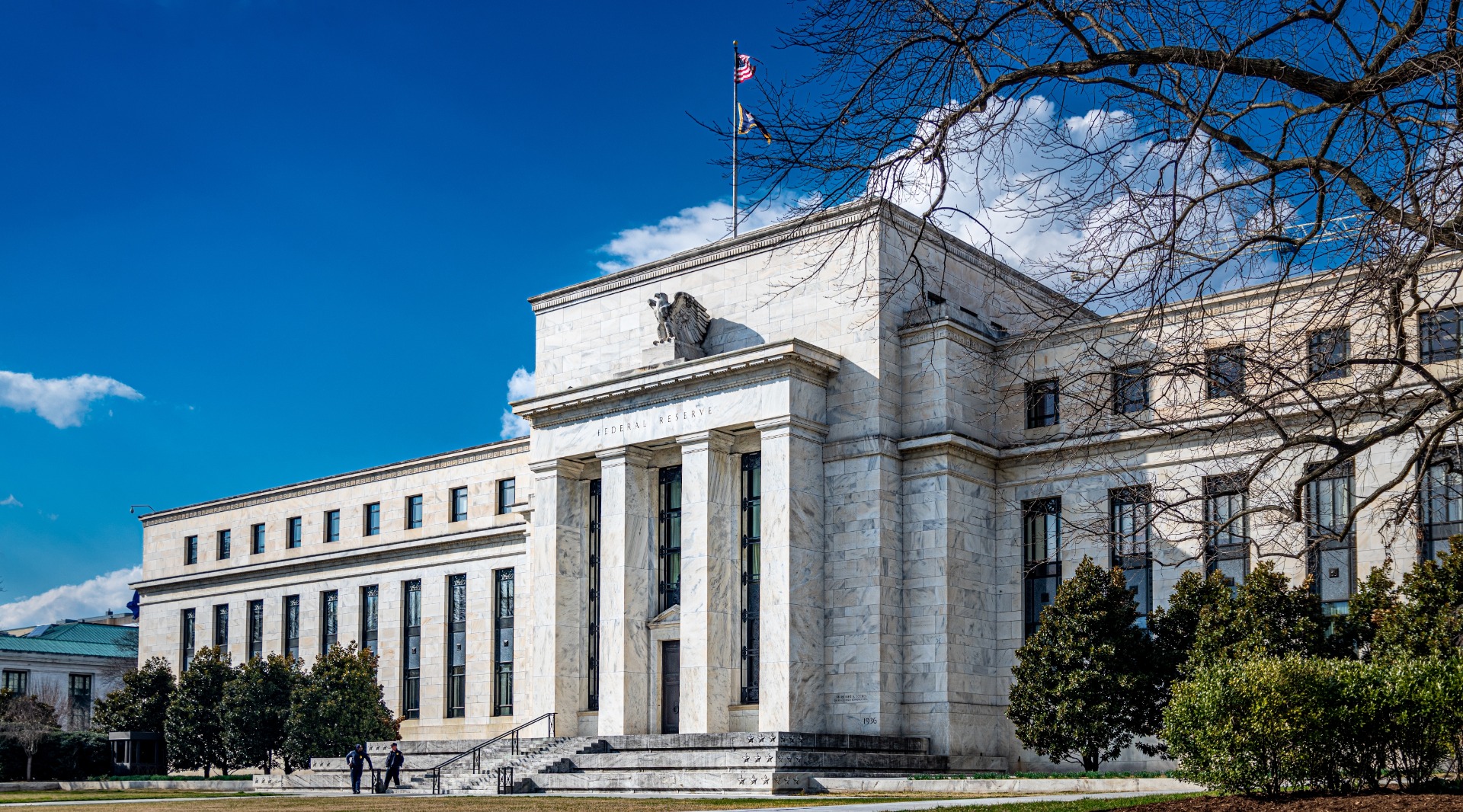
The Federal Reserve building in Washington DC
The US Federal Reserve officially removed both supervisory guidelines yesterday (Thursday), which had discouraged American banks from engaging in activities involving cryptocurrencies and stablecoins. Specifically, the regulator rescinded two supervisory letters—one from 2022 and another from 2023.
“These actions ensure the Board's expectations remain aligned with evolving risks and further support innovation in the banking system,” the Fed stated in its latest announcement.
No Advance Notification Is Needed
State member banks are no longer required to notify the regulator in advance of planned or current crypto-asset activities. Instead, the Fed will monitor such activities through the normal supervisory process.
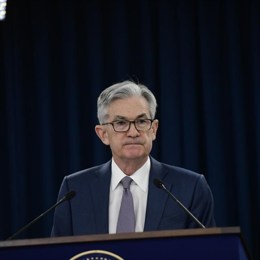
Jerome Powell, Chair of the Fed (Getty Images)
“A supervised banking organisation should notify its lead supervisory point of contact at the Federal Reserve prior to engaging in any crypto-asset-related activity,” the Fed had written in its now-withdrawn 2022 supervisory letter.
These earlier measures were implemented due to concerns that crypto-asset-related activities posed risks to safety and soundness, consumer protection, and financial stability.
The second letter, issued in 2023, instructed banks to obtain a no-objection from the Fed before engaging in stablecoin-related activities, referred to as “dollar tokens.”
“A state member bank seeking to engage in such dollar token activities, including for the purpose of testing, must notify its lead supervisory point of contact at the Federal Reserve of the bank’s intention to engage in the proposed activity and should include a description of the proposed activity,” the letter stated. That requirement has now been rescinded.
A Crypto-Friendly Regime
The withdrawal of these guidelines comes as the current Donald Trump administration positions itself as supportive of crypto. During his presidential campaign, Trump even described himself as the first Bitcoin President.
With the backing of several crypto industry figures, Trump pledged to simplify crypto regulations—and has largely followed through. He established a working group to examine crypto regulation in the US and ordered the creation of a national Bitcoin reserve.
Moreover, the Securities and Exchange Commission (SEC), following the departure of Gary Gensler as Chair, dropped several high-profile lawsuits against crypto companies and reduced the scope of its crypto enforcement efforts.
The newly appointed SEC Chair, Paul Atkins, is also seen as supportive of crypto, with a reported $6 million investment exposure to digital assets.
The US Federal Reserve officially removed both supervisory guidelines yesterday (Thursday), which had discouraged American banks from engaging in activities involving cryptocurrencies and stablecoins. Specifically, the regulator rescinded two supervisory letters—one from 2022 and another from 2023.
“These actions ensure the Board's expectations remain aligned with evolving risks and further support innovation in the banking system,” the Fed stated in its latest announcement.
No Advance Notification Is Needed
State member banks are no longer required to notify the regulator in advance of planned or current crypto-asset activities. Instead, the Fed will monitor such activities through the normal supervisory process.
Jerome Powell, Chair of the Fed (Getty Images)
“A supervised banking organisation should notify its lead supervisory point of contact at the Federal Reserve prior to engaging in any crypto-asset-related activity,” the Fed had written in its now-withdrawn 2022 supervisory letter.
These earlier measures were implemented due to concerns that crypto-asset-related activities posed risks to safety and soundness, consumer protection, and financial stability.
The second letter, issued in 2023, instructed banks to obtain a no-objection from the Fed before engaging in stablecoin-related activities, referred to as “dollar tokens.”
“A state member bank seeking to engage in such dollar token activities, including for the purpose of testing, must notify its lead supervisory point of contact at the Federal Reserve of the bank’s intention to engage in the proposed activity and should include a description of the proposed activity,” the letter stated. That requirement has now been rescinded.
A Crypto-Friendly Regime
The withdrawal of these guidelines comes as the current Donald Trump administration positions itself as supportive of crypto. During his presidential campaign, Trump even described himself as the first Bitcoin President.
With the backing of several crypto industry figures, Trump pledged to simplify crypto regulations—and has largely followed through. He established a working group to examine crypto regulation in the US and ordered the creation of a national Bitcoin reserve.
Moreover, the Securities and Exchange Commission (SEC), following the departure of Gary Gensler as Chair, dropped several high-profile lawsuits against crypto companies and reduced the scope of its crypto enforcement efforts.
The newly appointed SEC Chair, Paul Atkins, is also seen as supportive of crypto, with a reported $6 million investment exposure to digital assets.
Arnab Shome is an electronics engineer-turned-financial editor. He holds a Bachelor of Technology from the National Institute of Technology, Agartala. He entered the retail trading industry about a decade ago, covering the cryptocurrency market for Finance Magnates, and later expanded his coverage to include forex and CFDs as well.
His work at Finance Magnates includes C-level interviews, data-driven analysis, opinion pieces, and scoops of industry exclusives. He also contributes to Finance Magnates’ quarterly industry report.
Area of coverage:
1. CFD broker-related news
2. Industry-related Regulatory updates and developments
3. New retail trading trends
4. Prop trading industry updates
5. Executive interviews
Education:
Bachelor of Technology - National Institute of Technology, Agartala (India)
Kraken Steps Up Speed Race with New Equinix Colocation Service for Crypto Traders
FP Markets Winner Spotlight 🏆 | Global Broker of the Year 2025 #Trading #Broker #Innovation #Shorts
FP Markets Winner Spotlight 🏆 | Global Broker of the Year 2025 #Trading #Broker #Innovation #Shorts
FP Markets takes the spotlight as Global Broker of the Year 2025 at the Finance Magnates Awards.
Martin Stoilov, Head of Client Experience, shares that trust, innovation, and people played a key role in the company’s success, supported by a strong foundation of integrity and client-centricity.
Following this milestone, FP Markets continues to focus on growth, technology investment, and its core values of transparency and excellence.
👉 Be part of FM Awards 2026: https://awards.financemagnates.com/#nominate
FP Markets takes the spotlight as Global Broker of the Year 2025 at the Finance Magnates Awards.
Martin Stoilov, Head of Client Experience, shares that trust, innovation, and people played a key role in the company’s success, supported by a strong foundation of integrity and client-centricity.
Following this milestone, FP Markets continues to focus on growth, technology investment, and its core values of transparency and excellence.
👉 Be part of FM Awards 2026: https://awards.financemagnates.com/#nominate
In this video, we review @HolaPrimeMarketsOfficial, a multi-asset forex and CFDs broker offering different account types, trading platforms, and flexible trading conditions.
We cover the broker’s overall offering, including account options, trading environment, platforms like MT4 and MT5, and additional services such as managed accounts and fast withdrawals.
Watch the full video to see if Hola Prime Markets fits your trading needs.
📣 Stay up to date with the latest in finance and trading. Follow Finance Magnates for industry news, insights, and global event coverage.
Connect with us:
🔗 LinkedIn: /financemagnates
👍 Facebook: /financemagnates
📸 Instagram: https://www.instagram.com/financemagnates
🐦 X: https://x.com/financemagnates
🎥 TikTok: https://www.tiktok.com/tag/financemagnates
▶️ YouTube: /@financemagnates_official
#HolaPrime #ForexBroker #CFDTrading #FinanceMagnates #Trading #Forex #BrokerReview
In this video, we review @HolaPrimeMarketsOfficial, a multi-asset forex and CFDs broker offering different account types, trading platforms, and flexible trading conditions.
We cover the broker’s overall offering, including account options, trading environment, platforms like MT4 and MT5, and additional services such as managed accounts and fast withdrawals.
Watch the full video to see if Hola Prime Markets fits your trading needs.
📣 Stay up to date with the latest in finance and trading. Follow Finance Magnates for industry news, insights, and global event coverage.
Connect with us:
🔗 LinkedIn: /financemagnates
👍 Facebook: /financemagnates
📸 Instagram: https://www.instagram.com/financemagnates
🐦 X: https://x.com/financemagnates
🎥 TikTok: https://www.tiktok.com/tag/financemagnates
▶️ YouTube: /@financemagnates_official
#HolaPrime #ForexBroker #CFDTrading #FinanceMagnates #Trading #Forex #BrokerReview
Hola Prime Review: What You Need to Know | Full Breakdown by Finance Magnates
Hola Prime Review: What You Need to Know | Full Breakdown by Finance Magnates
In this video, we review @HolaPrime_Global, a proprietary trading firm offering evaluation programs and performance-based payouts in simulated market environments.
We cover how the challenge model works, including account types, profit splits (up to 95%), trading rules, and what it takes to reach a funded account. You’ll also learn about available platforms like MT4, MT5, cTrader, and more, along with insights into payouts, support, and trading conditions.
Watch the full video to see if Hola Prime fits your trading style.
📣 Stay up to date with the latest in finance and trading. Follow Finance Magnates for industry news, insights, and global event coverage.
Connect with us:
🔗 LinkedIn: /financemagnates
👍 Facebook: /financemagnates
📸 Instagram: https://www.instagram.com/financemagnates
🐦 X: https://x.com/financemagnates
🎥 TikTok: https://www.tiktok.com/tag/financemagnates
▶️ YouTube: /@financemagnates_official
#HolaPrime #PropFirm #Trading #FinanceMagnates #Forex #FuturesTrading #TradingReview #PropFirmReview
In this video, we review @HolaPrime_Global, a proprietary trading firm offering evaluation programs and performance-based payouts in simulated market environments.
We cover how the challenge model works, including account types, profit splits (up to 95%), trading rules, and what it takes to reach a funded account. You’ll also learn about available platforms like MT4, MT5, cTrader, and more, along with insights into payouts, support, and trading conditions.
Watch the full video to see if Hola Prime fits your trading style.
📣 Stay up to date with the latest in finance and trading. Follow Finance Magnates for industry news, insights, and global event coverage.
Connect with us:
🔗 LinkedIn: /financemagnates
👍 Facebook: /financemagnates
📸 Instagram: https://www.instagram.com/financemagnates
🐦 X: https://x.com/financemagnates
🎥 TikTok: https://www.tiktok.com/tag/financemagnates
▶️ YouTube: /@financemagnates_official
#HolaPrime #PropFirm #Trading #FinanceMagnates #Forex #FuturesTrading #TradingReview #PropFirmReview
Axi Winner Spotlight 🏆 | Global Most Innovative Broker 2025 #Innovation #Trading #Fintech #Broker
Axi Winner Spotlight 🏆 | Global Most Innovative Broker 2025 #Innovation #Trading #Fintech #Broker
Axi takes the spotlight at the Finance Magnates Awards, winning Global Most Innovative Broker 2025.
Olivia Xenofontos and Ivanna Openko share how the team will feel: proud, motivated, and ready to keep delivering.
They also describe the night as well-organized, focused, and enjoyable for all.
👉 Be part of FM Awards 2026.
Axi takes the spotlight at the Finance Magnates Awards, winning Global Most Innovative Broker 2025.
Olivia Xenofontos and Ivanna Openko share how the team will feel: proud, motivated, and ready to keep delivering.
They also describe the night as well-organized, focused, and enjoyable for all.
👉 Be part of FM Awards 2026.
Recognition that matters.
Built on transparency.
Driven by the industry.
The Finance Magnates Awards 2026.
Nominations are now open.
🔗 https://awards.financemagnates.com/?utm_source=SM&utm_medium=social&utm_campaign=recognition-matters
Recognition that matters.
Built on transparency.
Driven by the industry.
The Finance Magnates Awards 2026.
Nominations are now open.
🔗 https://awards.financemagnates.com/?utm_source=SM&utm_medium=social&utm_campaign=recognition-matters