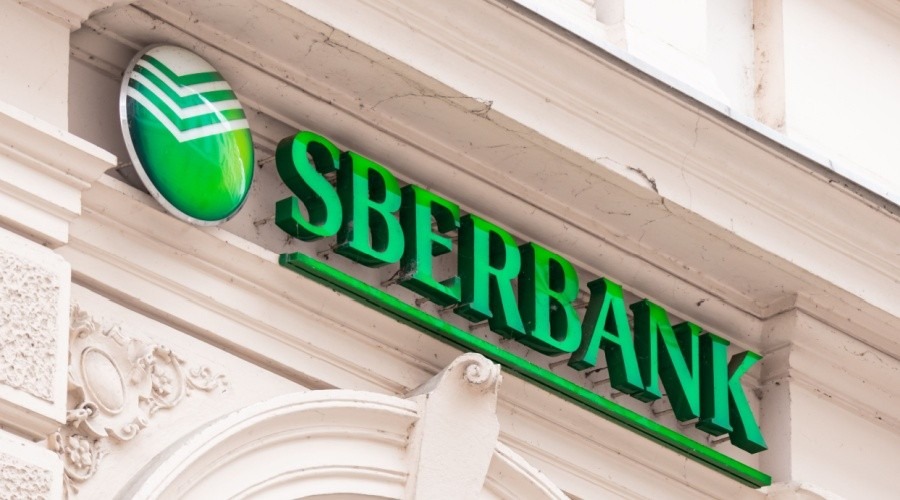
Sberbank has extended Russia’s first crypto-backed loan to Intelion Data, one of the country’s largest Bitcoin miners. The pilot deal uses Bitcoin mined by Intelion as collateral, positioning digital assets as working capital rather than passive holdings on a balance sheet.
Using Rutoken to Secure Digital Collateral
Sberbank reportedly used its in-house digital custody product, Rutoken, to safeguard the Bitcoin collateral through the loan period. According to the bank, the pilot transaction demonstrates how crypto-backed lending could operate within regulated frameworks without compromising asset security.
“Digital currency market regulation is only emerging in Russia, and we are ready to collaborate with the Central Bank to develop relevant regulatory measures and create infrastructure for launching crypto services,” Anatoly Popov, deputy chairman of the Executive Board at Sberbank, said in a statement translated to English.
However, the bank did not disclose the size of the loan but indicated that the structure is designed to be used well beyond the mining sector. It positioned the product as suitable for any company holding cryptocurrencies and framed the arrangement as a practical way to connect blockchain-based assets with traditional finance.
- Sberbank Winds Up European Operations amid Sanctions
- Sberbank Europe AG Is ‘Likely to Fail’ according to the European Central Bank
- Sberbank Forms Swiss Entity for Physical Commodities Trading
Sberbank’s Expanding Crypto Strategy
Intelion Data described the loan a significant milestone for Russia’s crypto and mining ecosystem. Sberbank has recently deepened its involvement in digital assets beyond custody solutions. The lender is experimenting with decentralized finance instruments and supports the gradual legalization of cryptocurrencies in Russia.
Sberbank confirmed in 2022 that it would withdraw from European markets after mounting pressure from Western sanctions made its operations untenable.
The bank had built a substantial presence in Europe through subsidiaries and branches in countries including Germany, Austria, Croatia and Hungary, but those units began to face exceptional cash outflows as sanctions took hold.
At the same time, a directive from the Central Bank of Russia prevented the parent from supplying liquidity support to its European subsidiaries, further undermining their position.
Despite the strain, Sberbank stressed at the time that it held sufficient capital to meet all obligations to depositors, even as it moved to wind down its European exposure.