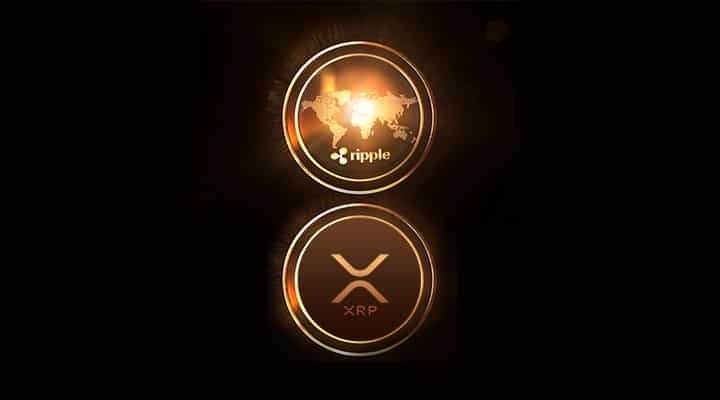
The acquisition aims to expand Ripple’s payments infrastructure by adding Rail’s technology and connections with banking partners.
Supported assets on the combined platform will include RLUSD and XRP.
Ripple has agreed to acquire Rail, a
stablecoin-focused global payments platform, for $200 million. The deal,
announced this week, is expected to close in the fourth quarter of 2025,
pending regulatory approvals. It marks Ripple’s latest move to expand its digital
asset payments infrastructure amid rising demand for stablecoin-based
transactions.
Building Out a Stablecoin Payment System
Rail’s platform offers virtual accounts, back-office
automation, and API integration for stablecoin transactions. Its technology
enables companies to process pay-ins and pay-outs in digital assets and fiat
currencies without directly holding crypto on their balance sheets.
Ripple said the acquisition will add capabilities to
its existing payments network, which includes a wide range of regulatory
licenses and digital asset liquidity tools. Rail also connects with more than a
dozen banking partners, supporting broader access to cross-border payment
rails.
Monica Long, Source: LinkedIn
“Ripple has one of the most widely used digital asset
payment networks in the world, and this acquisition underscores our commitment
to helping our global customer base move money wherever and whenever they
need.”
Following the announcement, Ripple’s XRP jumped 4% to trade
at $3.08. With a market cap of more than $180 billion, the payments-focused token
ranks third behind Ethereum.
According to CEO Bhanu Kohli, Rail is forecasted to process more than 10% of the $36 billion global B2B stablecoin payment volume in 2025. The platform supports both internal treasury flows and third-party
payments and operates continuously through an always-on infrastructure.
The combined offering will support assets including
RLUSD, XRP, and others, and aims to deliver competitive pricing on high-value
transactions.
Compliance and Integration
Ripple holds over 60 financial licenses globally. The
company plans to integrate Rail’s services into its existing infrastructure,
offering clients regulated payment flows with simplified onboarding and
settlement options.
Customers will be able to access stablecoin settlement
and digital asset custody through a single interface, without requiring
accounts on centralized crypto exchanges. The platform will also support
collections and virtual account functionality.
The deal follows a series of acquisitions by Ripple,
which has spent more than $3 billion on strategic growth initiatives to date.
The company said it will continue to pursue mergers and acquisitions to expand
its presence in digital finance.
Other crypto firms, including stablecoin issuer Circle, have
made similar moves as the industry looks to align with evolving U.S. rules and
simplify compliance through federal licensing.
Ripple has agreed to acquire Rail, a
stablecoin-focused global payments platform, for $200 million. The deal,
announced this week, is expected to close in the fourth quarter of 2025,
pending regulatory approvals. It marks Ripple’s latest move to expand its digital
asset payments infrastructure amid rising demand for stablecoin-based
transactions.
Building Out a Stablecoin Payment System
Rail’s platform offers virtual accounts, back-office
automation, and API integration for stablecoin transactions. Its technology
enables companies to process pay-ins and pay-outs in digital assets and fiat
currencies without directly holding crypto on their balance sheets.
Ripple said the acquisition will add capabilities to
its existing payments network, which includes a wide range of regulatory
licenses and digital asset liquidity tools. Rail also connects with more than a
dozen banking partners, supporting broader access to cross-border payment
rails.
Monica Long, Source: LinkedIn
“Ripple has one of the most widely used digital asset
payment networks in the world, and this acquisition underscores our commitment
to helping our global customer base move money wherever and whenever they
need.”
Following the announcement, Ripple’s XRP jumped 4% to trade
at $3.08. With a market cap of more than $180 billion, the payments-focused token
ranks third behind Ethereum.
According to CEO Bhanu Kohli, Rail is forecasted to process more than 10% of the $36 billion global B2B stablecoin payment volume in 2025. The platform supports both internal treasury flows and third-party
payments and operates continuously through an always-on infrastructure.
The combined offering will support assets including
RLUSD, XRP, and others, and aims to deliver competitive pricing on high-value
transactions.
Compliance and Integration
Ripple holds over 60 financial licenses globally. The
company plans to integrate Rail’s services into its existing infrastructure,
offering clients regulated payment flows with simplified onboarding and
settlement options.
Customers will be able to access stablecoin settlement
and digital asset custody through a single interface, without requiring
accounts on centralized crypto exchanges. The platform will also support
collections and virtual account functionality.
The deal follows a series of acquisitions by Ripple,
which has spent more than $3 billion on strategic growth initiatives to date.
The company said it will continue to pursue mergers and acquisitions to expand
its presence in digital finance.
Other crypto firms, including stablecoin issuer Circle, have
made similar moves as the industry looks to align with evolving U.S. rules and
simplify compliance through federal licensing.
Jared Kirui is an Editor at Finance Magnates with more than five years of experience in financial journalism. He covers online trading, fintech, payments, and crypto industries with a focus on companies, regulation and compliance, executive moves, trading technology, and market analysis.
His work has been featured in other media outlets, including Benzinga, ZyCrypto, The Distributed, and The Daily Hodl.
Education:
Bachelor of Commerce degree (Finance option), University of Nairobi
WhiteBIT secures brokerage license in Georgia to launch regulated crypto derivatives
FP Markets Winner Spotlight 🏆 | Global Broker of the Year 2025 #Trading #Broker #Innovation #Shorts
FP Markets Winner Spotlight 🏆 | Global Broker of the Year 2025 #Trading #Broker #Innovation #Shorts
FP Markets takes the spotlight as Global Broker of the Year 2025 at the Finance Magnates Awards.
Martin Stoilov, Head of Client Experience, shares that trust, innovation, and people played a key role in the company’s success, supported by a strong foundation of integrity and client-centricity.
Following this milestone, FP Markets continues to focus on growth, technology investment, and its core values of transparency and excellence.
👉 Be part of FM Awards 2026: https://awards.financemagnates.com/#nominate
FP Markets takes the spotlight as Global Broker of the Year 2025 at the Finance Magnates Awards.
Martin Stoilov, Head of Client Experience, shares that trust, innovation, and people played a key role in the company’s success, supported by a strong foundation of integrity and client-centricity.
Following this milestone, FP Markets continues to focus on growth, technology investment, and its core values of transparency and excellence.
👉 Be part of FM Awards 2026: https://awards.financemagnates.com/#nominate
In this video, we review @HolaPrimeMarketsOfficial, a multi-asset forex and CFDs broker offering different account types, trading platforms, and flexible trading conditions.
We cover the broker’s overall offering, including account options, trading environment, platforms like MT4 and MT5, and additional services such as managed accounts and fast withdrawals.
Watch the full video to see if Hola Prime Markets fits your trading needs.
📣 Stay up to date with the latest in finance and trading. Follow Finance Magnates for industry news, insights, and global event coverage.
Connect with us:
🔗 LinkedIn: /financemagnates
👍 Facebook: /financemagnates
📸 Instagram: https://www.instagram.com/financemagnates
🐦 X: https://x.com/financemagnates
🎥 TikTok: https://www.tiktok.com/tag/financemagnates
▶️ YouTube: /@financemagnates_official
#HolaPrime #ForexBroker #CFDTrading #FinanceMagnates #Trading #Forex #BrokerReview
In this video, we review @HolaPrimeMarketsOfficial, a multi-asset forex and CFDs broker offering different account types, trading platforms, and flexible trading conditions.
We cover the broker’s overall offering, including account options, trading environment, platforms like MT4 and MT5, and additional services such as managed accounts and fast withdrawals.
Watch the full video to see if Hola Prime Markets fits your trading needs.
📣 Stay up to date with the latest in finance and trading. Follow Finance Magnates for industry news, insights, and global event coverage.
Connect with us:
🔗 LinkedIn: /financemagnates
👍 Facebook: /financemagnates
📸 Instagram: https://www.instagram.com/financemagnates
🐦 X: https://x.com/financemagnates
🎥 TikTok: https://www.tiktok.com/tag/financemagnates
▶️ YouTube: /@financemagnates_official
#HolaPrime #ForexBroker #CFDTrading #FinanceMagnates #Trading #Forex #BrokerReview
Hola Prime Review: What You Need to Know | Full Breakdown by Finance Magnates
Hola Prime Review: What You Need to Know | Full Breakdown by Finance Magnates
In this video, we review @HolaPrime_Global, a proprietary trading firm offering evaluation programs and performance-based payouts in simulated market environments.
We cover how the challenge model works, including account types, profit splits (up to 95%), trading rules, and what it takes to reach a funded account. You’ll also learn about available platforms like MT4, MT5, cTrader, and more, along with insights into payouts, support, and trading conditions.
Watch the full video to see if Hola Prime fits your trading style.
📣 Stay up to date with the latest in finance and trading. Follow Finance Magnates for industry news, insights, and global event coverage.
Connect with us:
🔗 LinkedIn: /financemagnates
👍 Facebook: /financemagnates
📸 Instagram: https://www.instagram.com/financemagnates
🐦 X: https://x.com/financemagnates
🎥 TikTok: https://www.tiktok.com/tag/financemagnates
▶️ YouTube: /@financemagnates_official
#HolaPrime #PropFirm #Trading #FinanceMagnates #Forex #FuturesTrading #TradingReview #PropFirmReview
In this video, we review @HolaPrime_Global, a proprietary trading firm offering evaluation programs and performance-based payouts in simulated market environments.
We cover how the challenge model works, including account types, profit splits (up to 95%), trading rules, and what it takes to reach a funded account. You’ll also learn about available platforms like MT4, MT5, cTrader, and more, along with insights into payouts, support, and trading conditions.
Watch the full video to see if Hola Prime fits your trading style.
📣 Stay up to date with the latest in finance and trading. Follow Finance Magnates for industry news, insights, and global event coverage.
Connect with us:
🔗 LinkedIn: /financemagnates
👍 Facebook: /financemagnates
📸 Instagram: https://www.instagram.com/financemagnates
🐦 X: https://x.com/financemagnates
🎥 TikTok: https://www.tiktok.com/tag/financemagnates
▶️ YouTube: /@financemagnates_official
#HolaPrime #PropFirm #Trading #FinanceMagnates #Forex #FuturesTrading #TradingReview #PropFirmReview
Axi Winner Spotlight 🏆 | Global Most Innovative Broker 2025 #Innovation #Trading #Fintech #Broker
Axi Winner Spotlight 🏆 | Global Most Innovative Broker 2025 #Innovation #Trading #Fintech #Broker
Axi takes the spotlight at the Finance Magnates Awards, winning Global Most Innovative Broker 2025.
Olivia Xenofontos and Ivanna Openko share how the team will feel: proud, motivated, and ready to keep delivering.
They also describe the night as well-organized, focused, and enjoyable for all.
👉 Be part of FM Awards 2026.
Axi takes the spotlight at the Finance Magnates Awards, winning Global Most Innovative Broker 2025.
Olivia Xenofontos and Ivanna Openko share how the team will feel: proud, motivated, and ready to keep delivering.
They also describe the night as well-organized, focused, and enjoyable for all.
👉 Be part of FM Awards 2026.
Recognition that matters.
Built on transparency.
Driven by the industry.
The Finance Magnates Awards 2026.
Nominations are now open.
🔗 https://awards.financemagnates.com/?utm_source=SM&utm_medium=social&utm_campaign=recognition-matters
Recognition that matters.
Built on transparency.
Driven by the industry.
The Finance Magnates Awards 2026.
Nominations are now open.
🔗 https://awards.financemagnates.com/?utm_source=SM&utm_medium=social&utm_campaign=recognition-matters