Japan has amended its main financial law to tighten oversight of crypto assets. The government approved changes to the Financial Instruments and Exchange Act on Friday (today), according to Nikkei.
Singapore Summit: Meet the largest APAC brokers you know (and those you still don't!).
The amendment classifies crypto assets as financial instruments. This moves them away from being treated mainly as payment tools. They will now be regulated in a way similar to securities. The step follows plans outlined in 2025 to bring crypto under the same law with disclosure and insider trading rules.
Japan Bans Insider Trading, Raises Penalties
Under the revised framework, insider trading in crypto assets is banned. The rule targets trading based on undisclosed information. Authorities have also increased penalties for unregistered crypto exchanges.
- Crypto Built More Rails, but the Next Battle Is Over How Much Work a Dollar Can Do
- Crypto Adoption Among Brokers and Trading Firms: What Is Changing?
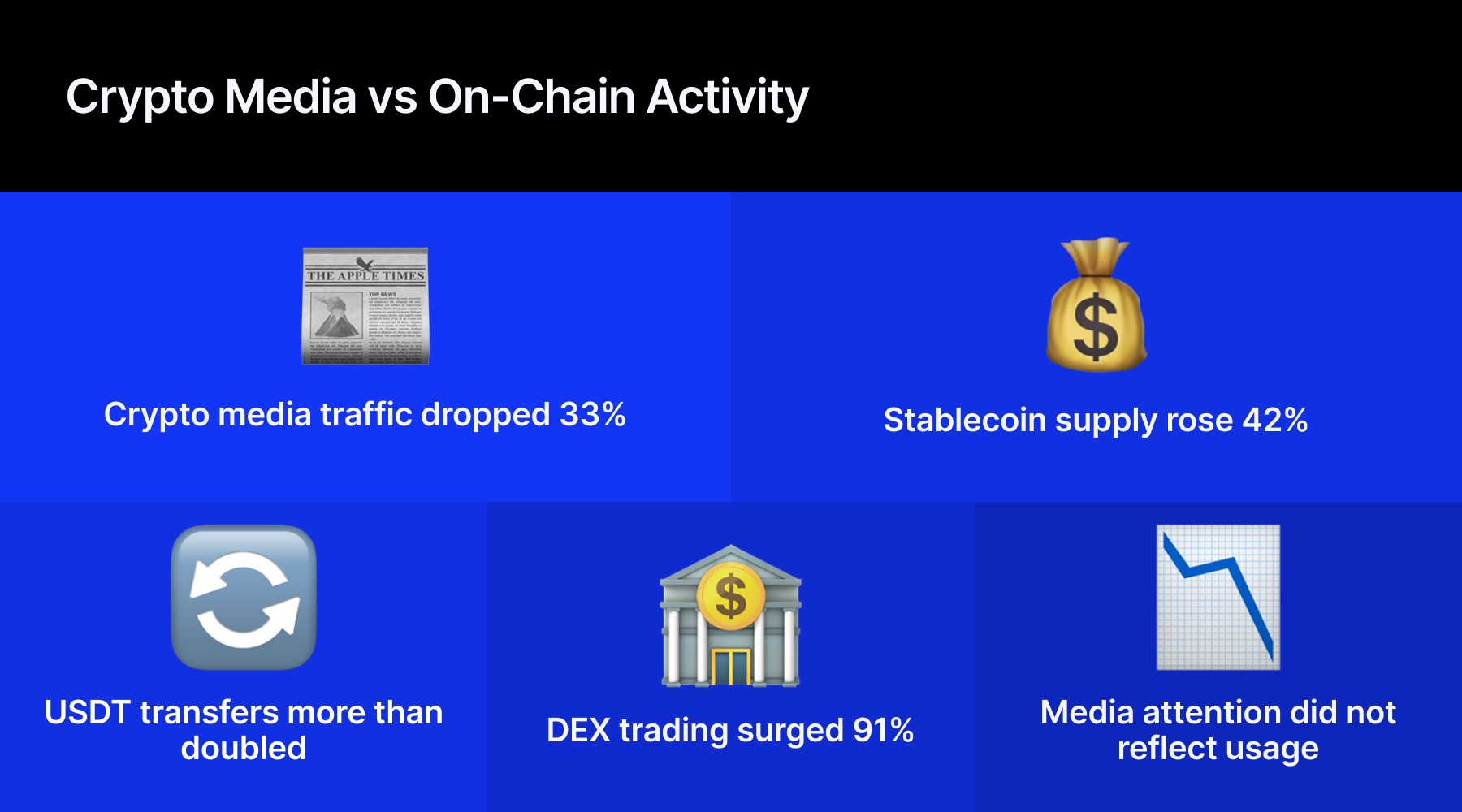
- Crypto Media Traffic Drops 33% While Stablecoins, Transfers, DEX Trading Increase
The amendment introduces new disclosure requirements. Crypto “issuers” must publish information at least once a year. The measure is intended to improve market transparency.
Japan is also preparing for broader market integration. Plans call for allowing crypto exchange-traded funds by 2028. Firms such as Nomura Holdings and SBI Holdings are expected to develop related products.
Japan Signals Lower Tax, Institutional Growth
Japan’s Financial Services Agency had previously overseen crypto under the Payment and Settlement Act. That framework focused on their use as a means of payment. The latest revision reflects growing institutional activity in the sector.
By reclassifying crypto assets, Japan is aligning them more closely with traditional financial markets. The move places them alongside instruments such as equities , with similar oversight standards.
Finance Minister Satsuki Katayama outlined the policy direction after a Cabinet meeting. She said the government will “expand the supply of growth capital” and “ensure market fairness, transparency, and investor protection.”
The shift builds on earlier signals from policymakers. In January, Katayama said “the role of exchanges and market infrastructure will be essential” to ensure citizens benefit from digital assets.
Policy changes have also extended to taxation. In December, the government backed plans to reduce the maximum tax rate on crypto profits to a flat 20%.