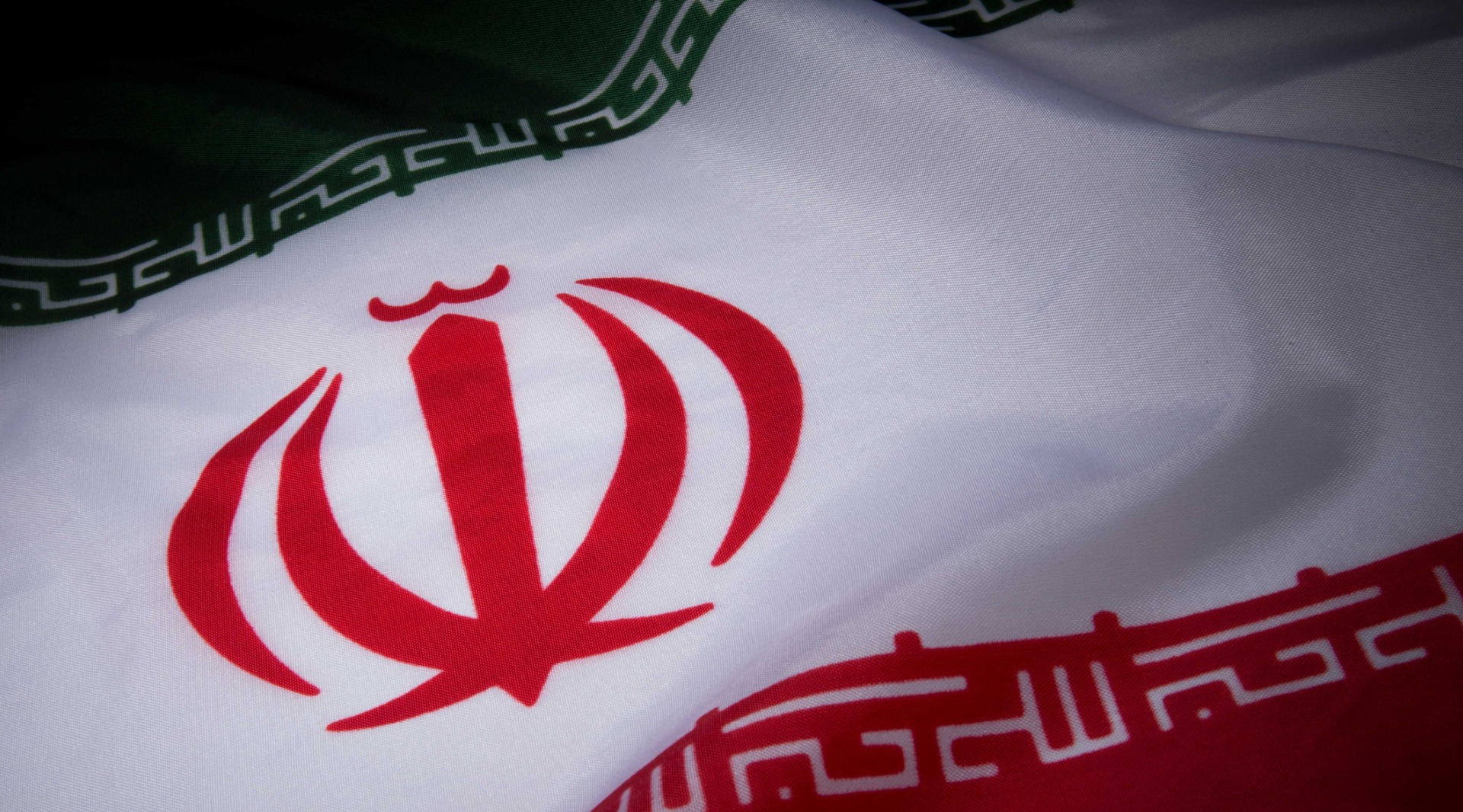
The Central Bank of Iran (CBI) acquired at least $507 million in the US dollar-backed stablecoin USDT and used it to bypass global sanctions, according to a new investigation by blockchain analytics firm Elliptic.
The report provides a detailed, real-world case study of how a sanctioned state is using digital assets to create a “shadow financial layer” outside the traditional banking system.
For brokers and financial institutions, the findings underscore the compliance risks — as well as the enforcement mechanisms — associated with stablecoins.
A Dual-Purpose Financial Tool
According to Elliptic, which mapped the CBI’s wallet infrastructure using leaked documents, Iran’s central bank appears to have used USDT for two primary purposes: domestic FX intervention and sanctions-resistant trade settlement.
On-chain data shows that until June 2025, the CBI systematically sent large amounts of USDT to Nobitex, Iran’s largest cryptocurrency exchange. Elliptic suggests this was intended to inject US dollar liquidity into the local market to support the Iranian rial during a period of severe economic volatility.
At the same time, the report says the authorities accumulated USDT to create what it describes as “digital off-book eurodollar accounts.” This shadow infrastructure enabled a closed-loop trade settlement system in which import payments and export revenues could be settled in a synthetic US dollar equivalent, reducing exposure to asset seizure through conventional banking channels.
The CBI’s operational approach shifted abruptly in June 2025. Following a hack of the Nobitex exchange by a pro-Israel group that labelled the platform a “sanctions violation tool,” the central bank stopped routing funds through the exchange.
Instead, it began using cross-chain bridges and decentralised exchanges to move and obscure its assets, reflecting a rapid adjustment to emerging security risks.
- Report: Iran’s Revolutionary Guard Moved $1 Billion Through UK Crypto Exchanges
- Wall Street Braced for Iranian-Linked Cyber Attacks
The Double-Edged Sword of Transparency
Although the activity was intended to evade restrictions, Elliptic notes that it was not invisible. Stablecoins operate on public blockchains, allowing analytics firms to trace transaction flows even when intermediaries are avoided. The investigation also highlights the enforcement leverage held by stablecoin issuers.
On June 15, 2025, Tether blacklisted several wallets linked to the CBI, freezing approximately $37 million in USDT. The episode illustrates the double-edged nature of stablecoins for sanctioned actors. While they can be used to bypass parts of the traditional banking system, they also introduce a centralised point of control.
Unlike decentralised assets such as Bitcoin, stablecoin issuers can disable wallets and halt transactions. For financial institutions, the case serves as a clear warning. As digital assets become more embedded in global finance, compliance obligations expand with them.
The combination of blockchain transparency, issuer controls, and third-party analytics means that even state-level attempts to evade sanctions can be monitored and, in some cases, disrupted.