Financial and Business News

77% of Crypto Users Would Open a Stablecoin Wallet With Their Bank, Survey Finds

Tuesday, 17/02/2026 | 11:52 GMT by Tanya Chepkova
  • Freelancers and gig workers now rely on stablecoins for a significant share of cross-border income.
  • Despite exchange dominance, traditional financial brands retain high trust among crypto-active users.
Crypto usage. BVNK Stablecoin Utility Report 2026

While traditional banks and brokers have often treated stablecoins as a high-risk niche, new research indicates that crypto adopters are using them for practical financial needs rather than solely for speculation.

The Stablecoin Utility Report 2026 by BVNK and YouGov finds that stablecoins play a growing role in cross-border payments and savings, highlighting new opportunities for regulated financial institutions.

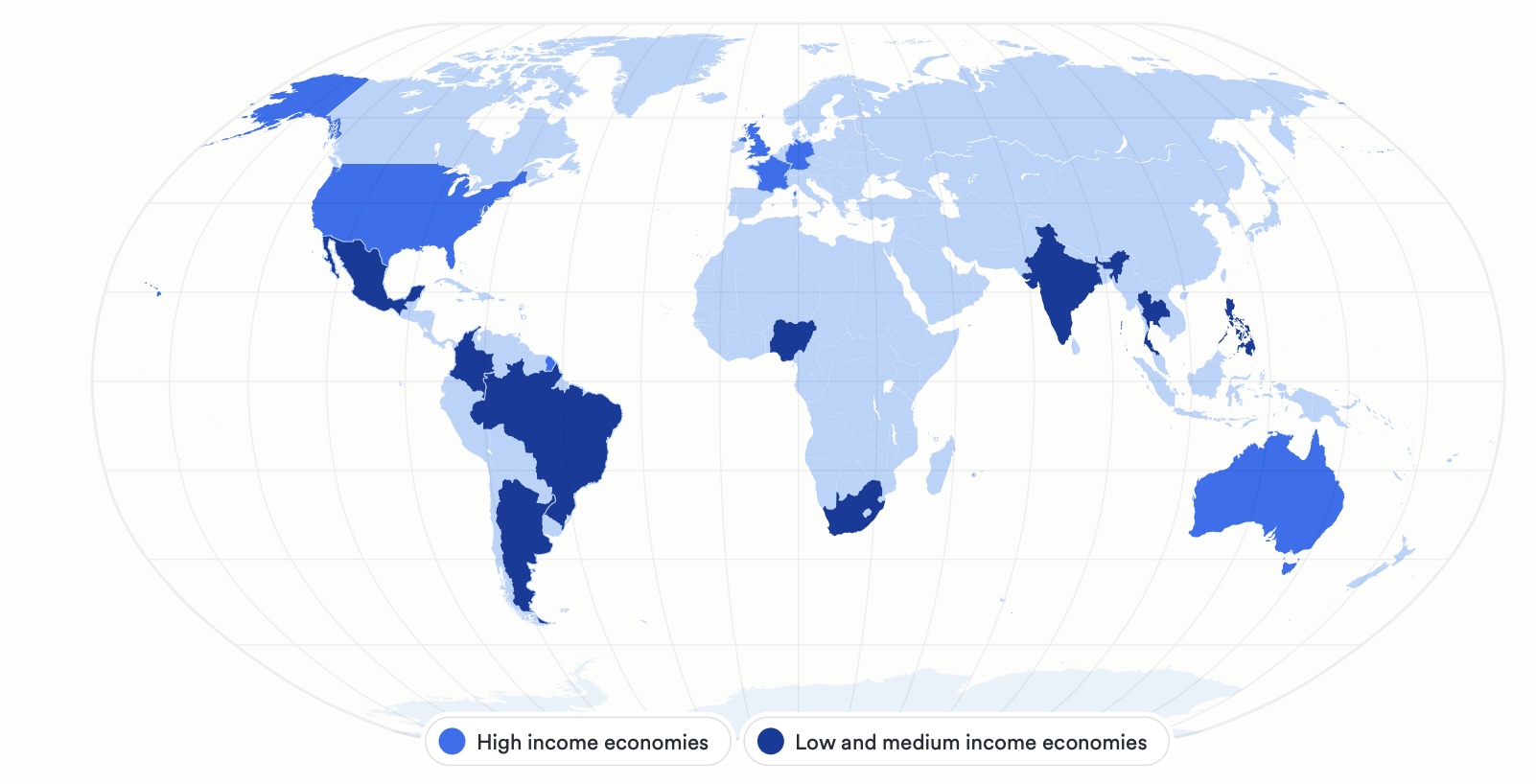
The report draws on an online survey of more than 4,600 respondents across 15 countries. All participants either currently hold or have held cryptocurrency within the past 12 months, or plan to acquire crypto in the coming year.
Geography of Crypto. BVNK Stablecoin Utility Report 2026

The findings, therefore, reflect behavior within crypto-active populations rather than the general public. The survey also excludes several major markets, including China, Russia, and Canada.

Within this user base, practical use cases now appear to drive stablecoin adoption. However, the segment is dominated by crypto-native platforms, while most banks, brokers, and payment providers have so far stayed on the sidelines.

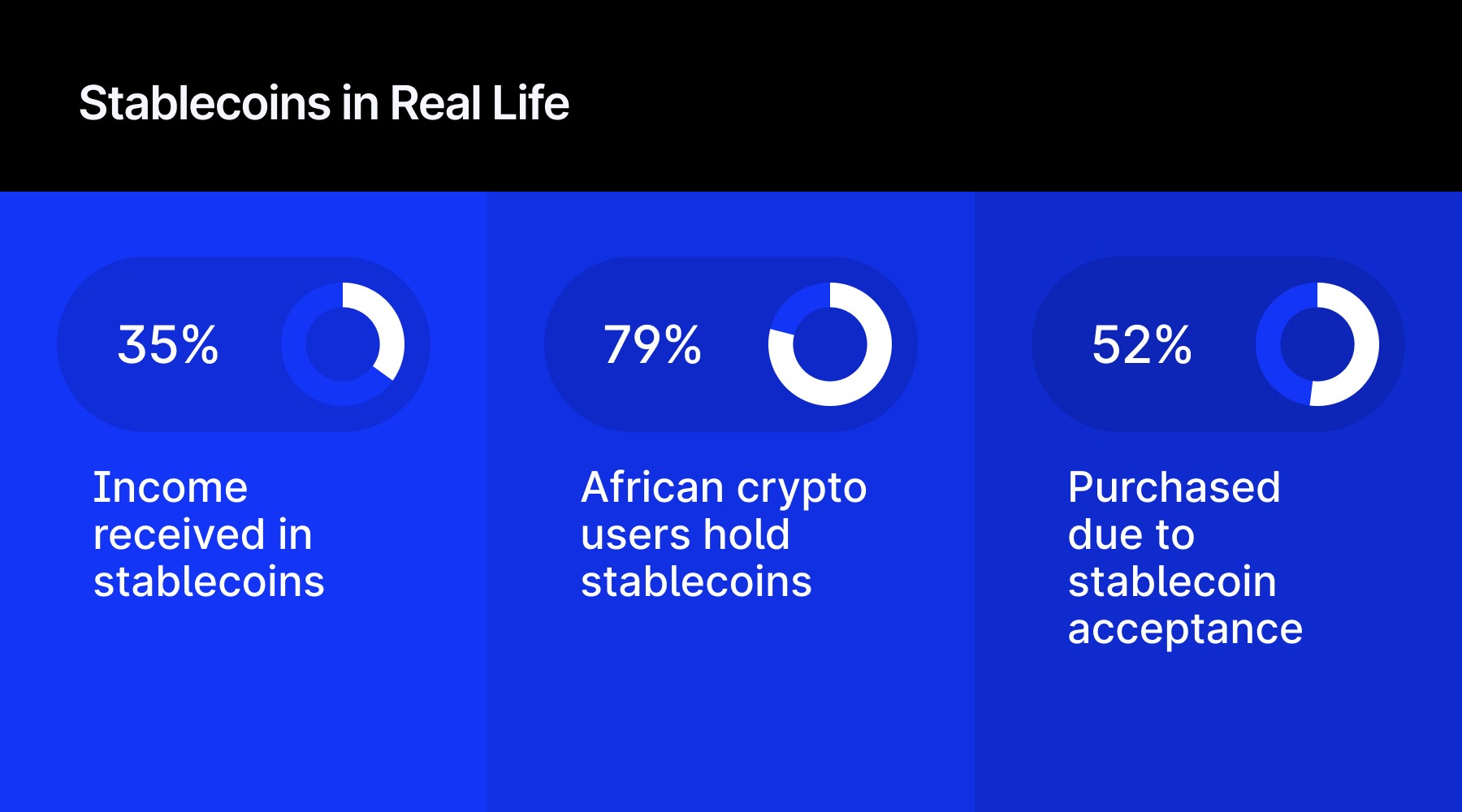
Freelancers and gig workers now receive 35% of their income in stablecoins. 73% say this improves work with international clients. In Africa, 79% of surveyed crypto users hold stablecoins. Of these, 92% cite their country’s economy as a driving factor.

Merchant acceptance also influences consumer decisions, as more than half (52%) of stablecoin holders surveyed say they have made a purchase from a business specifically because it accepted stablecoin payments.

The Opportunity for Banks and Fintechs

The survey suggests that traditional financial institutions have yet to capture much of this activity. Crypto users primarily manage stablecoins on centralised exchanges.

Despite that, trust in established financial brands remains strong. Around 77% of respondents say they would likely open a stablecoin wallet if their personal bank or fintech app offered one.

In low- and middle-income economies, that figure rises to 83%. These results indicate that exchanges currently dominate stablecoin services not because of superior brand trust, but because many regulated institutions have not yet introduced comparable products.

Users Want Mainstream Behaviour, Not Crypto Complexity

Even among regular users, friction remains. Respondents identify irreversible payments (30%) and process complexity (22%) as their main concerns. Users say they want stablecoins to function more like familiar payment systems. Their top requests include broader merchant acceptance, clearer consumer protections such as refund mechanisms, and a simpler user experience.

For the B2B financial industry, the report signals growing engagement with stablecoins among crypto-active users and suggests that demand for regulated, integrated services could expand. Whether traditional institutions enter this segment — and how they structure their offerings — will influence how stablecoin usage develops from here.

While traditional banks and brokers have often treated stablecoins as a high-risk niche, new research indicates that crypto adopters are using them for practical financial needs rather than solely for speculation.

The Stablecoin Utility Report 2026 by BVNK and YouGov finds that stablecoins play a growing role in cross-border payments and savings, highlighting new opportunities for regulated financial institutions.

The report draws on an online survey of more than 4,600 respondents across 15 countries. All participants either currently hold or have held cryptocurrency within the past 12 months, or plan to acquire crypto in the coming year.

Geography of Crypto. BVNK Stablecoin Utility Report 2026

The findings, therefore, reflect behavior within crypto-active populations rather than the general public. The survey also excludes several major markets, including China, Russia, and Canada.

Within this user base, practical use cases now appear to drive stablecoin adoption. However, the segment is dominated by crypto-native platforms, while most banks, brokers, and payment providers have so far stayed on the sidelines.

Freelancers and gig workers now receive 35% of their income in stablecoins. 73% say this improves work with international clients. In Africa, 79% of surveyed crypto users hold stablecoins. Of these, 92% cite their country’s economy as a driving factor.

Merchant acceptance also influences consumer decisions, as more than half (52%) of stablecoin holders surveyed say they have made a purchase from a business specifically because it accepted stablecoin payments.

The Opportunity for Banks and Fintechs

The survey suggests that traditional financial institutions have yet to capture much of this activity. Crypto users primarily manage stablecoins on centralised exchanges.

Despite that, trust in established financial brands remains strong. Around 77% of respondents say they would likely open a stablecoin wallet if their personal bank or fintech app offered one.

In low- and middle-income economies, that figure rises to 83%. These results indicate that exchanges currently dominate stablecoin services not because of superior brand trust, but because many regulated institutions have not yet introduced comparable products.

Users Want Mainstream Behaviour, Not Crypto Complexity

Even among regular users, friction remains. Respondents identify irreversible payments (30%) and process complexity (22%) as their main concerns. Users say they want stablecoins to function more like familiar payment systems. Their top requests include broader merchant acceptance, clearer consumer protections such as refund mechanisms, and a simpler user experience.

For the B2B financial industry, the report signals growing engagement with stablecoins among crypto-active users and suggests that demand for regulated, integrated services could expand. Whether traditional institutions enter this segment — and how they structure their offerings — will influence how stablecoin usage develops from here.

About the Author: Tanya Chepkova
Tanya Chepkova
  • 93 Articles

More from the Author

CryptoCurrency