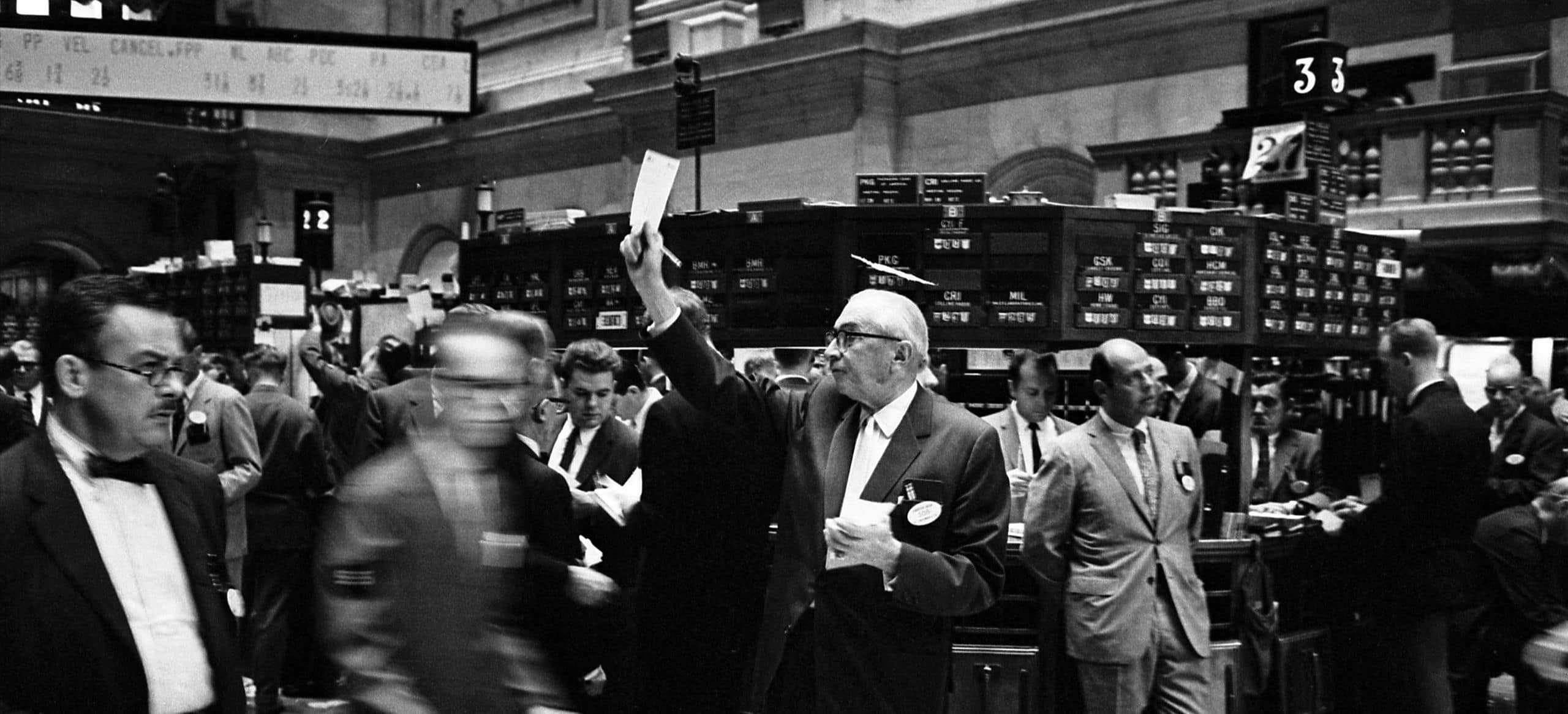
Nothing in trading is independent- trading connects every portion of a business together into one large and complicated web.
FM
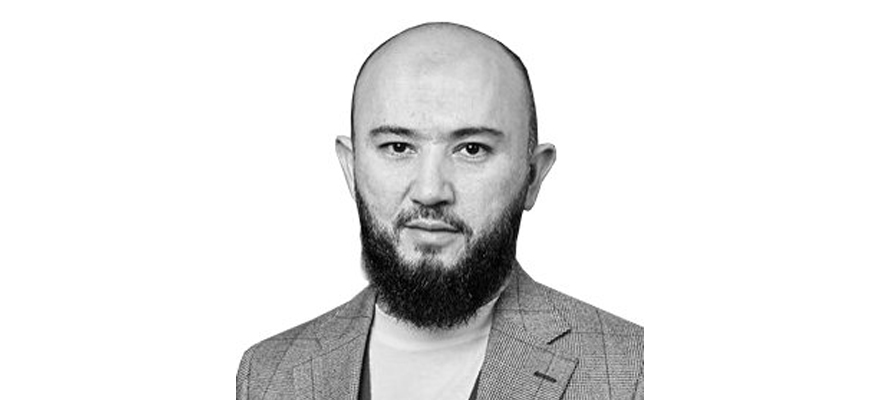
This guest article was written by Divisa Capital’s Ryan Gagne, an FX market veteran, with over 15 years of experience working with some of the market leaders in FX such as State Street Global Link, Hotspot FXi, FX Bridge, Alpari, and currently with Divisa Capital. His experience has positioned him on the front line of e-FX trading consultation to global banks, institutional money managers, and leveraged hedge funds as well as proprietary, corporate and retail trading firms.
There are a number of benefits that come from aggregating single stream FX liquidity providers onto a single book. Since FX is an over the counter (OTC) market, there is no central exchange or marketplace for all deals to be executed and pricing varies from provider to provider as well as customer to customer.
Some of the benefits of aggregating liquidity providers are: a convergence or tightening of spreads, availability of more liquidity at a particular rate, and an overall improvement of liquidity coverage over regional providers.
Commercial Builds or DIY
For nearly the past decade and a half there have been several commercially available systems that in addition to other features can aggregate any number of application program interface (API) FX liquidity feeds. Regardless of the provider- bank, broker or market maker- provided they have an API, typically in FIX or Java based languages/protocols, a commercial aggregator can be programmed to culminate these feeds together to assemble a liquidity book.
Additionally, any firm may, as many already have, code these same feeds together into their own 'homegrown' book. There may be some advantages to a DIYmodel. Whether it be a more tailor made fit to that firm’s individual needs or an expectation of savings, time or financial, one challenge for many in this build is resources- both technical and financial.
ECN Aggregation
Another way to get to a quicker (and in most cases substantial) source of aggregated liquidity without the labor of building or buying an internal aggregator is to make use of an electronic communication network (ECN) type solution. An ECN does the aggregation for you, collecting price streams via an API and creating their own liquidity book. In some cases, an end user ('taker') in addition to buying or selling directly with a liquidity provider (LP), may be able to post bids and offers and passively trade and become a part of the liquidity book.
With a number of available ECN type platforms available, there are always differences between each platform. Whether it is the fleet of LPs making up that book, the available order types, methods to connect (i.e. API FIX, 4.2, 4.4, Java, etc.), regional matching engine locations, no two ECNs are exactly the same.
The 'Super Aggregator'
Ryan Gagne, Divisa Capital
It begs the question (which many have sought to find the answer to)- “should I build or buy an aggregator and include one or more aggregated ECN type systems into the mix too, creating a SUPER aggregator?”
At an elementary level, it makes total sense. Pile up as much liquidity as possible, attempt to tighten the spread to near zero and create the 'super aggregator'. Have the best of the best in all pairs and minimize the cost to trade as best as possible.
But what is the cost, hard dollar and soft dollar speaking? What will it cost you to build such a beast, in time, resources, IT, staff, and from your pocket? None of this will be cheap- don’t be fooled into thinking it will be- and at the end of the day, is it worth it?
In many cases people will admit, sadly no, it was not worth the venture of months of efforts, hours of meetings with LPs and thousands of dollars of spent on IT.
Super Aggravation
So you’ve gone and piled a bunch of LPs together onto an internal aggregator, virtually speaking. You have some single bank LPs, a couple of ECN type feeds, maybe even a non-bank LP or two. Coupled with this, you have some deposits at some of the banks directly to get those feeds, you have secured a prime brokerage account for access to the ECN and the non-bank feeds, congratulations. You have spent the better part of several months’ worth of effort to accomplish this task, countless dollars in manpower, technology spends, travel in some cases too. And now what…
Now you have your aggregator, you have a deep and flowing book of rates for your team to trade on. You have high hopes for a low reject rate, minimal slippage, tight spreads and global coverage for your FX trading team. Fantastic!
Guess what else you have? Management... management of the aggregation system, the connections, the quality of the pricing (i.e. the spreads, the slippage, the rejection ratio), potential issues of double hits to some of your LPs, managing collateral over several clearing accounts, the piling up of positions at a particular provider and these are just the tip of the iceberg. Don’t forget the staff that it takes to keep all of this running that you have brought in, they too need to be managed.
Point is; it is not as simple as it may look.
The Dreaded Double Hitting
A moment ago, this was mentioned as a potential issue when employing an aggregation system. Simply put, this occurs when a trading firm systematically puts more than one feed into the same aggregator whereas the LP is present in both. For example the trading firm receives a price feed from 'Bank A' and 'Bank A' also contributes a rate feed to 'ECN XYZ', and that client executes on both feeds simultaneously.
The end result is the LP has too many executions at a price at the same time. Even though the LP showed a rate on more than one venue, it is the end trader’s fault for doing so. LPs show dozens of venues the same rate simultaneously, however, their expectation is that execution will be less than offered. LPs make use of ECNs to distribute rates and they have an expectation of little to no rate duplicity.
So how do you manage this? Well, in most cases, you have to go back to the ECN provider and negotiate out that LP from the ECN’s book. Does it solve the problem? Short term yes, long term, possibly no. At a minimum, you now have to trade more with less on the ECN if there is a volume discount tied to the commission charge with that ECN. Consequently, your trading costs may not decrease.
The Hidden Risks Cost Money
I noted some very large and potentially dangerous risks that can arise from aggregating multiple platforms. Two of the largest and yet hidden risks that trading firms can face at some point in time are; collateral management and position management.
Managing the firm’s collateral if it gets spread over multiple providers can be a lion sized task. With open and closed daily profits and losses being accounted for, funds need to not only be reconciled, they may need to be moved from place to place, or should I say, provider to provider. Wiring funds from firm to firm or account to account is not a low cost exercise. Staffing the trading firm so they can manage this effectively is also the second hidden cost. The question 'is it worth it?' will be asked.
Additionally, what about the positions that are massing at a particular LP venue? Only in a perfect world would corresponding buys and sells offset in the same trading account and unfortunately, this world is not perfect. So what is a firm to do?
Simple, they have to manage this, they have to staff it with someone who can reconcile the positions out and then execute offsetting trades when exposures reach a level that starts to become a problem. “What kind of problem?” one might ask. Well, a problem that further complicates the aforementioned collateral at the corresponding LPs.
See, nothing is an independent situation, trading connects basically every portion of a business together into one large and complicated web. A web that, if not managed well, will tangle and tie a business down to its demise.
So what’s the Solution?
Since no one shoe fits all feet, no one solution will there be for every situation. Each and every firm that ventures into an aggregated solution must analyze and strategize how they plan to solve their particular solution. In some cases, a single integrated LP platform may be the best fit for their needs. Other firms may need to seek out a large number of LPs, aggregated platforms, as well as single source LPs, and jam it all together into one large monster homegrown aggregated beast.
To each his own, just look before you leap…
This guest article was written by Divisa Capital’s Ryan Gagne, an FX market veteran, with over 15 years of experience working with some of the market leaders in FX such as State Street Global Link, Hotspot FXi, FX Bridge, Alpari, and currently with Divisa Capital. His experience has positioned him on the front line of e-FX trading consultation to global banks, institutional money managers, and leveraged hedge funds as well as proprietary, corporate and retail trading firms.
There are a number of benefits that come from aggregating single stream FX liquidity providers onto a single book. Since FX is an over the counter (OTC) market, there is no central exchange or marketplace for all deals to be executed and pricing varies from provider to provider as well as customer to customer.
Some of the benefits of aggregating liquidity providers are: a convergence or tightening of spreads, availability of more liquidity at a particular rate, and an overall improvement of liquidity coverage over regional providers.
Commercial Builds or DIY
For nearly the past decade and a half there have been several commercially available systems that in addition to other features can aggregate any number of application program interface (API) FX liquidity feeds. Regardless of the provider- bank, broker or market maker- provided they have an API, typically in FIX or Java based languages/protocols, a commercial aggregator can be programmed to culminate these feeds together to assemble a liquidity book.
Additionally, any firm may, as many already have, code these same feeds together into their own 'homegrown' book. There may be some advantages to a DIYmodel. Whether it be a more tailor made fit to that firm’s individual needs or an expectation of savings, time or financial, one challenge for many in this build is resources- both technical and financial.
ECN Aggregation
Another way to get to a quicker (and in most cases substantial) source of aggregated liquidity without the labor of building or buying an internal aggregator is to make use of an electronic communication network (ECN) type solution. An ECN does the aggregation for you, collecting price streams via an API and creating their own liquidity book. In some cases, an end user ('taker') in addition to buying or selling directly with a liquidity provider (LP), may be able to post bids and offers and passively trade and become a part of the liquidity book.
With a number of available ECN type platforms available, there are always differences between each platform. Whether it is the fleet of LPs making up that book, the available order types, methods to connect (i.e. API FIX, 4.2, 4.4, Java, etc.), regional matching engine locations, no two ECNs are exactly the same.
The 'Super Aggregator'
Ryan Gagne, Divisa Capital
It begs the question (which many have sought to find the answer to)- “should I build or buy an aggregator and include one or more aggregated ECN type systems into the mix too, creating a SUPER aggregator?”
At an elementary level, it makes total sense. Pile up as much liquidity as possible, attempt to tighten the spread to near zero and create the 'super aggregator'. Have the best of the best in all pairs and minimize the cost to trade as best as possible.
But what is the cost, hard dollar and soft dollar speaking? What will it cost you to build such a beast, in time, resources, IT, staff, and from your pocket? None of this will be cheap- don’t be fooled into thinking it will be- and at the end of the day, is it worth it?
In many cases people will admit, sadly no, it was not worth the venture of months of efforts, hours of meetings with LPs and thousands of dollars of spent on IT.
Super Aggravation
So you’ve gone and piled a bunch of LPs together onto an internal aggregator, virtually speaking. You have some single bank LPs, a couple of ECN type feeds, maybe even a non-bank LP or two. Coupled with this, you have some deposits at some of the banks directly to get those feeds, you have secured a prime brokerage account for access to the ECN and the non-bank feeds, congratulations. You have spent the better part of several months’ worth of effort to accomplish this task, countless dollars in manpower, technology spends, travel in some cases too. And now what…
Now you have your aggregator, you have a deep and flowing book of rates for your team to trade on. You have high hopes for a low reject rate, minimal slippage, tight spreads and global coverage for your FX trading team. Fantastic!
Guess what else you have? Management... management of the aggregation system, the connections, the quality of the pricing (i.e. the spreads, the slippage, the rejection ratio), potential issues of double hits to some of your LPs, managing collateral over several clearing accounts, the piling up of positions at a particular provider and these are just the tip of the iceberg. Don’t forget the staff that it takes to keep all of this running that you have brought in, they too need to be managed.
Point is; it is not as simple as it may look.
The Dreaded Double Hitting
A moment ago, this was mentioned as a potential issue when employing an aggregation system. Simply put, this occurs when a trading firm systematically puts more than one feed into the same aggregator whereas the LP is present in both. For example the trading firm receives a price feed from 'Bank A' and 'Bank A' also contributes a rate feed to 'ECN XYZ', and that client executes on both feeds simultaneously.
The end result is the LP has too many executions at a price at the same time. Even though the LP showed a rate on more than one venue, it is the end trader’s fault for doing so. LPs show dozens of venues the same rate simultaneously, however, their expectation is that execution will be less than offered. LPs make use of ECNs to distribute rates and they have an expectation of little to no rate duplicity.
So how do you manage this? Well, in most cases, you have to go back to the ECN provider and negotiate out that LP from the ECN’s book. Does it solve the problem? Short term yes, long term, possibly no. At a minimum, you now have to trade more with less on the ECN if there is a volume discount tied to the commission charge with that ECN. Consequently, your trading costs may not decrease.
The Hidden Risks Cost Money
I noted some very large and potentially dangerous risks that can arise from aggregating multiple platforms. Two of the largest and yet hidden risks that trading firms can face at some point in time are; collateral management and position management.
Managing the firm’s collateral if it gets spread over multiple providers can be a lion sized task. With open and closed daily profits and losses being accounted for, funds need to not only be reconciled, they may need to be moved from place to place, or should I say, provider to provider. Wiring funds from firm to firm or account to account is not a low cost exercise. Staffing the trading firm so they can manage this effectively is also the second hidden cost. The question 'is it worth it?' will be asked.
Additionally, what about the positions that are massing at a particular LP venue? Only in a perfect world would corresponding buys and sells offset in the same trading account and unfortunately, this world is not perfect. So what is a firm to do?
Simple, they have to manage this, they have to staff it with someone who can reconcile the positions out and then execute offsetting trades when exposures reach a level that starts to become a problem. “What kind of problem?” one might ask. Well, a problem that further complicates the aforementioned collateral at the corresponding LPs.
See, nothing is an independent situation, trading connects basically every portion of a business together into one large and complicated web. A web that, if not managed well, will tangle and tie a business down to its demise.
So what’s the Solution?
Since no one shoe fits all feet, no one solution will there be for every situation. Each and every firm that ventures into an aggregated solution must analyze and strategize how they plan to solve their particular solution. In some cases, a single integrated LP platform may be the best fit for their needs. Other firms may need to seek out a large number of LPs, aggregated platforms, as well as single source LPs, and jam it all together into one large monster homegrown aggregated beast.
Cboe's New S&P 500 Prediction Contracts to Let Retail Traders Get Partial Payouts
Featured Videos
Paytiko CEO Razi Salih on Why Payment Orchestration is a MUST-HAVE for Brokers in 2026
Paytiko CEO Razi Salih on Why Payment Orchestration is a MUST-HAVE for Brokers in 2026
Paytiko CEO Razi Salih on Why Payment Orchestration is a MUST-HAVE for Brokers in 2026
Paytiko CEO Razi Salih on Why Payment Orchestration is a MUST-HAVE for Brokers in 2026
At iFX Expo Dubai, Finance Magnates spoke with Razi Salih, CEO at Paytiko, about the evolution of the payments ecosystem and why payment orchestration has shifted from an option to a necessity for brokers, prop firms, and exchanges.
Mr. Salih explains how global expansion, the need for deep localisation, and the sheer number of new payment methods, from instant banking to stablecoins, are driving this critical infrastructure shift.
#PaymentOrchestration #Fintech #Brokerage #TradingPayments #RaziSalih #Paytiko #iFXExpoDubai #Stablecoins #AIinFintech
At iFX Expo Dubai, Finance Magnates spoke with Razi Salih, CEO at Paytiko, about the evolution of the payments ecosystem and why payment orchestration has shifted from an option to a necessity for brokers, prop firms, and exchanges.
Mr. Salih explains how global expansion, the need for deep localisation, and the sheer number of new payment methods, from instant banking to stablecoins, are driving this critical infrastructure shift.
#PaymentOrchestration #Fintech #Brokerage #TradingPayments #RaziSalih #Paytiko #iFXExpoDubai #Stablecoins #AIinFintech
At iFX Expo Dubai, Finance Magnates spoke with Razi Salih, CEO at Paytiko, about the evolution of the payments ecosystem and why payment orchestration has shifted from an option to a necessity for brokers, prop firms, and exchanges.
Mr. Salih explains how global expansion, the need for deep localisation, and the sheer number of new payment methods, from instant banking to stablecoins, are driving this critical infrastructure shift.
#PaymentOrchestration #Fintech #Brokerage #TradingPayments #RaziSalih #Paytiko #iFXExpoDubai #Stablecoins #AIinFintech
At iFX Expo Dubai, Finance Magnates spoke with Razi Salih, CEO at Paytiko, about the evolution of the payments ecosystem and why payment orchestration has shifted from an option to a necessity for brokers, prop firms, and exchanges.
Mr. Salih explains how global expansion, the need for deep localisation, and the sheer number of new payment methods, from instant banking to stablecoins, are driving this critical infrastructure shift.
#PaymentOrchestration #Fintech #Brokerage #TradingPayments #RaziSalih #Paytiko #iFXExpoDubai #Stablecoins #AIinFintech
Altima CTO Sunil Jadhav: Solving Data Fragmentation & Lag for Brokers & Prop Firms
Altima CTO Sunil Jadhav: Solving Data Fragmentation & Lag for Brokers & Prop Firms
Altima CTO Sunil Jadhav: Solving Data Fragmentation & Lag for Brokers & Prop Firms
Altima CTO Sunil Jadhav: Solving Data Fragmentation & Lag for Brokers & Prop Firms
Altima CTO Sunil Jadhav: Solving Data Fragmentation & Lag for Brokers & Prop Firms
Altima CTO Sunil Jadhav: Solving Data Fragmentation & Lag for Brokers & Prop Firms
Altima CTO Sunil Jadhav sits down with Finance Magnates to discuss the core technology challenges facing CFD brokers and proprietary trading firms today.
Jadhav explains how the industry's reliance on batch processing and fragmented systems (where CRMs, risk tools, and trading platforms operate with separate 'sources of truth') leads to delayed data and inconsistent operational decisions. He argues that real-time event processing is essential for managing fast-moving trading activity and risk.
Learn how Altima's unified, event-driven architecture, connecting Altima CRM, Altima Prop, IB systems, and risk management through a single backbone, is designed to provide synchronous data and better operational coordination for modern brokerage and prop firm stacks.
Key Topics:
- Broker and Prop Firm Data Challenges
- The problem of delayed data processing (batch processing vs. real-time events)
- Fragmented systems and conflicting data sources
- Altima's unified, event-driven solution architecture
- The concept of a "risk-aware CRM"
- Built-in risk management in Altima Prop
#Altima #financemagnates #iFXDubai #FinTech #BrokerTech #PropFirm #CFDBroker #TradingTechnology #RealTimeData #RiskManagement #CRM #FinancialMarkets #EventDrivenArchitecture
Altima CTO Sunil Jadhav sits down with Finance Magnates to discuss the core technology challenges facing CFD brokers and proprietary trading firms today.
Jadhav explains how the industry's reliance on batch processing and fragmented systems (where CRMs, risk tools, and trading platforms operate with separate 'sources of truth') leads to delayed data and inconsistent operational decisions. He argues that real-time event processing is essential for managing fast-moving trading activity and risk.
Learn how Altima's unified, event-driven architecture, connecting Altima CRM, Altima Prop, IB systems, and risk management through a single backbone, is designed to provide synchronous data and better operational coordination for modern brokerage and prop firm stacks.
Key Topics:
- Broker and Prop Firm Data Challenges
- The problem of delayed data processing (batch processing vs. real-time events)
- Fragmented systems and conflicting data sources
- Altima's unified, event-driven solution architecture
- The concept of a "risk-aware CRM"
- Built-in risk management in Altima Prop
#Altima #financemagnates #iFXDubai #FinTech #BrokerTech #PropFirm #CFDBroker #TradingTechnology #RealTimeData #RiskManagement #CRM #FinancialMarkets #EventDrivenArchitecture
Altima CTO Sunil Jadhav sits down with Finance Magnates to discuss the core technology challenges facing CFD brokers and proprietary trading firms today.
Jadhav explains how the industry's reliance on batch processing and fragmented systems (where CRMs, risk tools, and trading platforms operate with separate 'sources of truth') leads to delayed data and inconsistent operational decisions. He argues that real-time event processing is essential for managing fast-moving trading activity and risk.
Learn how Altima's unified, event-driven architecture, connecting Altima CRM, Altima Prop, IB systems, and risk management through a single backbone, is designed to provide synchronous data and better operational coordination for modern brokerage and prop firm stacks.
Key Topics:
- Broker and Prop Firm Data Challenges
- The problem of delayed data processing (batch processing vs. real-time events)
- Fragmented systems and conflicting data sources
- Altima's unified, event-driven solution architecture
- The concept of a "risk-aware CRM"
- Built-in risk management in Altima Prop
#Altima #financemagnates #iFXDubai #FinTech #BrokerTech #PropFirm #CFDBroker #TradingTechnology #RealTimeData #RiskManagement #CRM #FinancialMarkets #EventDrivenArchitecture
Altima CTO Sunil Jadhav sits down with Finance Magnates to discuss the core technology challenges facing CFD brokers and proprietary trading firms today.
Jadhav explains how the industry's reliance on batch processing and fragmented systems (where CRMs, risk tools, and trading platforms operate with separate 'sources of truth') leads to delayed data and inconsistent operational decisions. He argues that real-time event processing is essential for managing fast-moving trading activity and risk.
Learn how Altima's unified, event-driven architecture, connecting Altima CRM, Altima Prop, IB systems, and risk management through a single backbone, is designed to provide synchronous data and better operational coordination for modern brokerage and prop firm stacks.
Key Topics:
- Broker and Prop Firm Data Challenges
- The problem of delayed data processing (batch processing vs. real-time events)
- Fragmented systems and conflicting data sources
- Altima's unified, event-driven solution architecture
- The concept of a "risk-aware CRM"
- Built-in risk management in Altima Prop
#Altima #financemagnates #iFXDubai #FinTech #BrokerTech #PropFirm #CFDBroker #TradingTechnology #RealTimeData #RiskManagement #CRM #FinancialMarkets #EventDrivenArchitecture
Altima CTO Sunil Jadhav sits down with Finance Magnates to discuss the core technology challenges facing CFD brokers and proprietary trading firms today.
Jadhav explains how the industry's reliance on batch processing and fragmented systems (where CRMs, risk tools, and trading platforms operate with separate 'sources of truth') leads to delayed data and inconsistent operational decisions. He argues that real-time event processing is essential for managing fast-moving trading activity and risk.
Learn how Altima's unified, event-driven architecture, connecting Altima CRM, Altima Prop, IB systems, and risk management through a single backbone, is designed to provide synchronous data and better operational coordination for modern brokerage and prop firm stacks.
Key Topics:
- Broker and Prop Firm Data Challenges
- The problem of delayed data processing (batch processing vs. real-time events)
- Fragmented systems and conflicting data sources
- Altima's unified, event-driven solution architecture
- The concept of a "risk-aware CRM"
- Built-in risk management in Altima Prop
#Altima #financemagnates #iFXDubai #FinTech #BrokerTech #PropFirm #CFDBroker #TradingTechnology #RealTimeData #RiskManagement #CRM #FinancialMarkets #EventDrivenArchitecture
Altima CTO Sunil Jadhav sits down with Finance Magnates to discuss the core technology challenges facing CFD brokers and proprietary trading firms today.
Jadhav explains how the industry's reliance on batch processing and fragmented systems (where CRMs, risk tools, and trading platforms operate with separate 'sources of truth') leads to delayed data and inconsistent operational decisions. He argues that real-time event processing is essential for managing fast-moving trading activity and risk.
Learn how Altima's unified, event-driven architecture, connecting Altima CRM, Altima Prop, IB systems, and risk management through a single backbone, is designed to provide synchronous data and better operational coordination for modern brokerage and prop firm stacks.
Key Topics:
- Broker and Prop Firm Data Challenges
- The problem of delayed data processing (batch processing vs. real-time events)
- Fragmented systems and conflicting data sources
- Altima's unified, event-driven solution architecture
- The concept of a "risk-aware CRM"
- Built-in risk management in Altima Prop
#Altima #financemagnates #iFXDubai #FinTech #BrokerTech #PropFirm #CFDBroker #TradingTechnology #RealTimeData #RiskManagement #CRM #FinancialMarkets #EventDrivenArchitecture
Why Brokers Choose Modular Platforms: Scale Trade on Fast Launch & 'Control Without Complexity'
Why Brokers Choose Modular Platforms: Scale Trade on Fast Launch & 'Control Without Complexity'
Why Brokers Choose Modular Platforms: Scale Trade on Fast Launch & 'Control Without Complexity'
Why Brokers Choose Modular Platforms: Scale Trade on Fast Launch & 'Control Without Complexity'
Why Brokers Choose Modular Platforms: Scale Trade on Fast Launch & 'Control Without Complexity'
Why Brokers Choose Modular Platforms: Scale Trade on Fast Launch & 'Control Without Complexity'
At iFX Dubai, Scale Trade CEO Arutyun Iskandaryan and Senior Sales Manager Daniel Kovalenko break down why brokerages are ditching the "build-it-yourself" approach for modular, self-hosted trading platforms like ST Trader. @scaletrade2101
Discover what the fastest route to market looks like for new and established brokers seeking control without complexity.
In this executive interview, you'll learn:
- Why the demand for multi-asset trading and tighter regulation is forcing brokers to adopt flexible, scalable platforms.
- How Scale Trade ensures fast launch (1-2 weeks) and seamless migration without operational downtime.
- The key regional differences driving platform requirements (Compliance in Europe, Mobile in Asia, Payments in the Middle East).
- Scale Trade's four major trends shaping broker technology, including the role of AI in risk management.
Scale Trade's ready-made, self-hosted ecosystem delivers everything a broker needs—from price feeds and risk management to flexible liquidity, allowing them to focus on business growth, not becoming a software company.
#financemagnates #ScaleTrade #BrokerTechnology #TradingPlatform #FinTech #ModularPlatform #STTrader #GoToMarket
At iFX Dubai, Scale Trade CEO Arutyun Iskandaryan and Senior Sales Manager Daniel Kovalenko break down why brokerages are ditching the "build-it-yourself" approach for modular, self-hosted trading platforms like ST Trader. @scaletrade2101
Discover what the fastest route to market looks like for new and established brokers seeking control without complexity.
In this executive interview, you'll learn:
- Why the demand for multi-asset trading and tighter regulation is forcing brokers to adopt flexible, scalable platforms.
- How Scale Trade ensures fast launch (1-2 weeks) and seamless migration without operational downtime.
- The key regional differences driving platform requirements (Compliance in Europe, Mobile in Asia, Payments in the Middle East).
- Scale Trade's four major trends shaping broker technology, including the role of AI in risk management.
Scale Trade's ready-made, self-hosted ecosystem delivers everything a broker needs—from price feeds and risk management to flexible liquidity, allowing them to focus on business growth, not becoming a software company.
#financemagnates #ScaleTrade #BrokerTechnology #TradingPlatform #FinTech #ModularPlatform #STTrader #GoToMarket
At iFX Dubai, Scale Trade CEO Arutyun Iskandaryan and Senior Sales Manager Daniel Kovalenko break down why brokerages are ditching the "build-it-yourself" approach for modular, self-hosted trading platforms like ST Trader. @scaletrade2101
Discover what the fastest route to market looks like for new and established brokers seeking control without complexity.
In this executive interview, you'll learn:
- Why the demand for multi-asset trading and tighter regulation is forcing brokers to adopt flexible, scalable platforms.
- How Scale Trade ensures fast launch (1-2 weeks) and seamless migration without operational downtime.
- The key regional differences driving platform requirements (Compliance in Europe, Mobile in Asia, Payments in the Middle East).
- Scale Trade's four major trends shaping broker technology, including the role of AI in risk management.
Scale Trade's ready-made, self-hosted ecosystem delivers everything a broker needs—from price feeds and risk management to flexible liquidity, allowing them to focus on business growth, not becoming a software company.
#financemagnates #ScaleTrade #BrokerTechnology #TradingPlatform #FinTech #ModularPlatform #STTrader #GoToMarket
At iFX Dubai, Scale Trade CEO Arutyun Iskandaryan and Senior Sales Manager Daniel Kovalenko break down why brokerages are ditching the "build-it-yourself" approach for modular, self-hosted trading platforms like ST Trader. @scaletrade2101
Discover what the fastest route to market looks like for new and established brokers seeking control without complexity.
In this executive interview, you'll learn:
- Why the demand for multi-asset trading and tighter regulation is forcing brokers to adopt flexible, scalable platforms.
- How Scale Trade ensures fast launch (1-2 weeks) and seamless migration without operational downtime.
- The key regional differences driving platform requirements (Compliance in Europe, Mobile in Asia, Payments in the Middle East).
- Scale Trade's four major trends shaping broker technology, including the role of AI in risk management.
Scale Trade's ready-made, self-hosted ecosystem delivers everything a broker needs—from price feeds and risk management to flexible liquidity, allowing them to focus on business growth, not becoming a software company.
#financemagnates #ScaleTrade #BrokerTechnology #TradingPlatform #FinTech #ModularPlatform #STTrader #GoToMarket
At iFX Dubai, Scale Trade CEO Arutyun Iskandaryan and Senior Sales Manager Daniel Kovalenko break down why brokerages are ditching the "build-it-yourself" approach for modular, self-hosted trading platforms like ST Trader. @scaletrade2101
Discover what the fastest route to market looks like for new and established brokers seeking control without complexity.
In this executive interview, you'll learn:
- Why the demand for multi-asset trading and tighter regulation is forcing brokers to adopt flexible, scalable platforms.
- How Scale Trade ensures fast launch (1-2 weeks) and seamless migration without operational downtime.
- The key regional differences driving platform requirements (Compliance in Europe, Mobile in Asia, Payments in the Middle East).
- Scale Trade's four major trends shaping broker technology, including the role of AI in risk management.
Scale Trade's ready-made, self-hosted ecosystem delivers everything a broker needs—from price feeds and risk management to flexible liquidity, allowing them to focus on business growth, not becoming a software company.
#financemagnates #ScaleTrade #BrokerTechnology #TradingPlatform #FinTech #ModularPlatform #STTrader #GoToMarket
At iFX Dubai, Scale Trade CEO Arutyun Iskandaryan and Senior Sales Manager Daniel Kovalenko break down why brokerages are ditching the "build-it-yourself" approach for modular, self-hosted trading platforms like ST Trader. @scaletrade2101
Discover what the fastest route to market looks like for new and established brokers seeking control without complexity.
In this executive interview, you'll learn:
- Why the demand for multi-asset trading and tighter regulation is forcing brokers to adopt flexible, scalable platforms.
- How Scale Trade ensures fast launch (1-2 weeks) and seamless migration without operational downtime.
- The key regional differences driving platform requirements (Compliance in Europe, Mobile in Asia, Payments in the Middle East).
- Scale Trade's four major trends shaping broker technology, including the role of AI in risk management.
Scale Trade's ready-made, self-hosted ecosystem delivers everything a broker needs—from price feeds and risk management to flexible liquidity, allowing them to focus on business growth, not becoming a software company.
#financemagnates #ScaleTrade #BrokerTechnology #TradingPlatform #FinTech #ModularPlatform #STTrader #GoToMarket
How Prop Firms Scale Without Breaking Tech Stacks | Axcera Executive Interview
How Prop Firms Scale Without Breaking Tech Stacks | Axcera Executive Interview
How Prop Firms Scale Without Breaking Tech Stacks | Axcera Executive Interview
How Prop Firms Scale Without Breaking Tech Stacks | Axcera Executive Interview
How Prop Firms Scale Without Breaking Tech Stacks | Axcera Executive Interview
How Prop Firms Scale Without Breaking Tech Stacks | Axcera Executive Interview
In this Finance Magnates executive interview, Dora Christofi, Head of Marketing at Finance Magnates, speaks with Herman Shaho, Co-Founder & CPO at Axcera, about what prop firms often get wrong when scaling, and how the right CRM infrastructure can support growth.
Shaho explains why many prop firms break once they grow beyond the early stage, after stacking too many disconnected tools. He also shares how Axcera approaches customisation, with technology that fits the firm’s needs rather than forcing the firm to fit a template.
“The firm doesn’t need to adapt to the software, our software adapts to the firm,” Shaho says.
The interview follows Axcera’s recognition at the Finance Magnates Awards 2025, where the company won Best Prop Trading Technology Provider.
#FinanceMagnates #axcera #PropTrading #ProprietaryTrading #PropFirms #Fintech #TradingTechnology #CRM #Brokerage #WhiteLabel #Automation #AIinFintech #RiskManagement #DubaiFintech #CyprusFintech
In this Finance Magnates executive interview, Dora Christofi, Head of Marketing at Finance Magnates, speaks with Herman Shaho, Co-Founder & CPO at Axcera, about what prop firms often get wrong when scaling, and how the right CRM infrastructure can support growth.
Shaho explains why many prop firms break once they grow beyond the early stage, after stacking too many disconnected tools. He also shares how Axcera approaches customisation, with technology that fits the firm’s needs rather than forcing the firm to fit a template.
“The firm doesn’t need to adapt to the software, our software adapts to the firm,” Shaho says.
The interview follows Axcera’s recognition at the Finance Magnates Awards 2025, where the company won Best Prop Trading Technology Provider.
#FinanceMagnates #axcera #PropTrading #ProprietaryTrading #PropFirms #Fintech #TradingTechnology #CRM #Brokerage #WhiteLabel #Automation #AIinFintech #RiskManagement #DubaiFintech #CyprusFintech
In this Finance Magnates executive interview, Dora Christofi, Head of Marketing at Finance Magnates, speaks with Herman Shaho, Co-Founder & CPO at Axcera, about what prop firms often get wrong when scaling, and how the right CRM infrastructure can support growth.
Shaho explains why many prop firms break once they grow beyond the early stage, after stacking too many disconnected tools. He also shares how Axcera approaches customisation, with technology that fits the firm’s needs rather than forcing the firm to fit a template.
“The firm doesn’t need to adapt to the software, our software adapts to the firm,” Shaho says.
The interview follows Axcera’s recognition at the Finance Magnates Awards 2025, where the company won Best Prop Trading Technology Provider.
#FinanceMagnates #axcera #PropTrading #ProprietaryTrading #PropFirms #Fintech #TradingTechnology #CRM #Brokerage #WhiteLabel #Automation #AIinFintech #RiskManagement #DubaiFintech #CyprusFintech
In this Finance Magnates executive interview, Dora Christofi, Head of Marketing at Finance Magnates, speaks with Herman Shaho, Co-Founder & CPO at Axcera, about what prop firms often get wrong when scaling, and how the right CRM infrastructure can support growth.
Shaho explains why many prop firms break once they grow beyond the early stage, after stacking too many disconnected tools. He also shares how Axcera approaches customisation, with technology that fits the firm’s needs rather than forcing the firm to fit a template.
“The firm doesn’t need to adapt to the software, our software adapts to the firm,” Shaho says.
The interview follows Axcera’s recognition at the Finance Magnates Awards 2025, where the company won Best Prop Trading Technology Provider.
#FinanceMagnates #axcera #PropTrading #ProprietaryTrading #PropFirms #Fintech #TradingTechnology #CRM #Brokerage #WhiteLabel #Automation #AIinFintech #RiskManagement #DubaiFintech #CyprusFintech
In this Finance Magnates executive interview, Dora Christofi, Head of Marketing at Finance Magnates, speaks with Herman Shaho, Co-Founder & CPO at Axcera, about what prop firms often get wrong when scaling, and how the right CRM infrastructure can support growth.
Shaho explains why many prop firms break once they grow beyond the early stage, after stacking too many disconnected tools. He also shares how Axcera approaches customisation, with technology that fits the firm’s needs rather than forcing the firm to fit a template.
“The firm doesn’t need to adapt to the software, our software adapts to the firm,” Shaho says.
The interview follows Axcera’s recognition at the Finance Magnates Awards 2025, where the company won Best Prop Trading Technology Provider.
#FinanceMagnates #axcera #PropTrading #ProprietaryTrading #PropFirms #Fintech #TradingTechnology #CRM #Brokerage #WhiteLabel #Automation #AIinFintech #RiskManagement #DubaiFintech #CyprusFintech
In this Finance Magnates executive interview, Dora Christofi, Head of Marketing at Finance Magnates, speaks with Herman Shaho, Co-Founder & CPO at Axcera, about what prop firms often get wrong when scaling, and how the right CRM infrastructure can support growth.
Shaho explains why many prop firms break once they grow beyond the early stage, after stacking too many disconnected tools. He also shares how Axcera approaches customisation, with technology that fits the firm’s needs rather than forcing the firm to fit a template.
“The firm doesn’t need to adapt to the software, our software adapts to the firm,” Shaho says.
The interview follows Axcera’s recognition at the Finance Magnates Awards 2025, where the company won Best Prop Trading Technology Provider.
#FinanceMagnates #axcera #PropTrading #ProprietaryTrading #PropFirms #Fintech #TradingTechnology #CRM #Brokerage #WhiteLabel #Automation #AIinFintech #RiskManagement #DubaiFintech #CyprusFintech
Sami Saleh from Hola Prime on Fast Payouts and Full Transparency @HolaPrime_Global
Sami Saleh from Hola Prime on Fast Payouts and Full Transparency @HolaPrime_Global
Sami Saleh from Hola Prime on Fast Payouts and Full Transparency @HolaPrime_Global
Sami Saleh from Hola Prime on Fast Payouts and Full Transparency @HolaPrime_Global
Sami Saleh from Hola Prime on Fast Payouts and Full Transparency @HolaPrime_Global
Sami Saleh from Hola Prime on Fast Payouts and Full Transparency @HolaPrime_Global
In this Finance Magnates interview, Sami Saleh, Director of Growth at Hola Prime, shares what sets the firm apart, with a strong focus on one-hour payouts. @HolaPrime_Global
Sami Saleh also explains Hola Prime’s recently introduced Payout Transparency Report, giving traders clear, date-wise visibility into payout processing timings.
Watch the full interview to learn how Hola Prime approaches payout speed, transparency, and trader experience.
#FinanceMagnates #HolaPrime #SamiSaleh #PropTrading #Trading #Traders #Payouts #FastPayouts #Transparency #Forex #CFDTrading #Fintech #OnlineTrading #TradingCommunity #Interview
In this Finance Magnates interview, Sami Saleh, Director of Growth at Hola Prime, shares what sets the firm apart, with a strong focus on one-hour payouts. @HolaPrime_Global
Sami Saleh also explains Hola Prime’s recently introduced Payout Transparency Report, giving traders clear, date-wise visibility into payout processing timings.
Watch the full interview to learn how Hola Prime approaches payout speed, transparency, and trader experience.
#FinanceMagnates #HolaPrime #SamiSaleh #PropTrading #Trading #Traders #Payouts #FastPayouts #Transparency #Forex #CFDTrading #Fintech #OnlineTrading #TradingCommunity #Interview
In this Finance Magnates interview, Sami Saleh, Director of Growth at Hola Prime, shares what sets the firm apart, with a strong focus on one-hour payouts. @HolaPrime_Global
Sami Saleh also explains Hola Prime’s recently introduced Payout Transparency Report, giving traders clear, date-wise visibility into payout processing timings.
Watch the full interview to learn how Hola Prime approaches payout speed, transparency, and trader experience.
#FinanceMagnates #HolaPrime #SamiSaleh #PropTrading #Trading #Traders #Payouts #FastPayouts #Transparency #Forex #CFDTrading #Fintech #OnlineTrading #TradingCommunity #Interview
In this Finance Magnates interview, Sami Saleh, Director of Growth at Hola Prime, shares what sets the firm apart, with a strong focus on one-hour payouts. @HolaPrime_Global
Sami Saleh also explains Hola Prime’s recently introduced Payout Transparency Report, giving traders clear, date-wise visibility into payout processing timings.
Watch the full interview to learn how Hola Prime approaches payout speed, transparency, and trader experience.
#FinanceMagnates #HolaPrime #SamiSaleh #PropTrading #Trading #Traders #Payouts #FastPayouts #Transparency #Forex #CFDTrading #Fintech #OnlineTrading #TradingCommunity #Interview
In this Finance Magnates interview, Sami Saleh, Director of Growth at Hola Prime, shares what sets the firm apart, with a strong focus on one-hour payouts. @HolaPrime_Global
Sami Saleh also explains Hola Prime’s recently introduced Payout Transparency Report, giving traders clear, date-wise visibility into payout processing timings.
Watch the full interview to learn how Hola Prime approaches payout speed, transparency, and trader experience.
#FinanceMagnates #HolaPrime #SamiSaleh #PropTrading #Trading #Traders #Payouts #FastPayouts #Transparency #Forex #CFDTrading #Fintech #OnlineTrading #TradingCommunity #Interview
In this Finance Magnates interview, Sami Saleh, Director of Growth at Hola Prime, shares what sets the firm apart, with a strong focus on one-hour payouts. @HolaPrime_Global
Sami Saleh also explains Hola Prime’s recently introduced Payout Transparency Report, giving traders clear, date-wise visibility into payout processing timings.
Watch the full interview to learn how Hola Prime approaches payout speed, transparency, and trader experience.
#FinanceMagnates #HolaPrime #SamiSaleh #PropTrading #Trading #Traders #Payouts #FastPayouts #Transparency #Forex #CFDTrading #Fintech #OnlineTrading #TradingCommunity #Interview